Budget Friendly Diy Balcony Decor
You don’t need a designer budget to get a designer look. I almost clicked ‘buy’ on a $500 set, then I found two discarded cable reels at a construction site. With a little paint and elbow grease, I saved a fortune and got a better result.
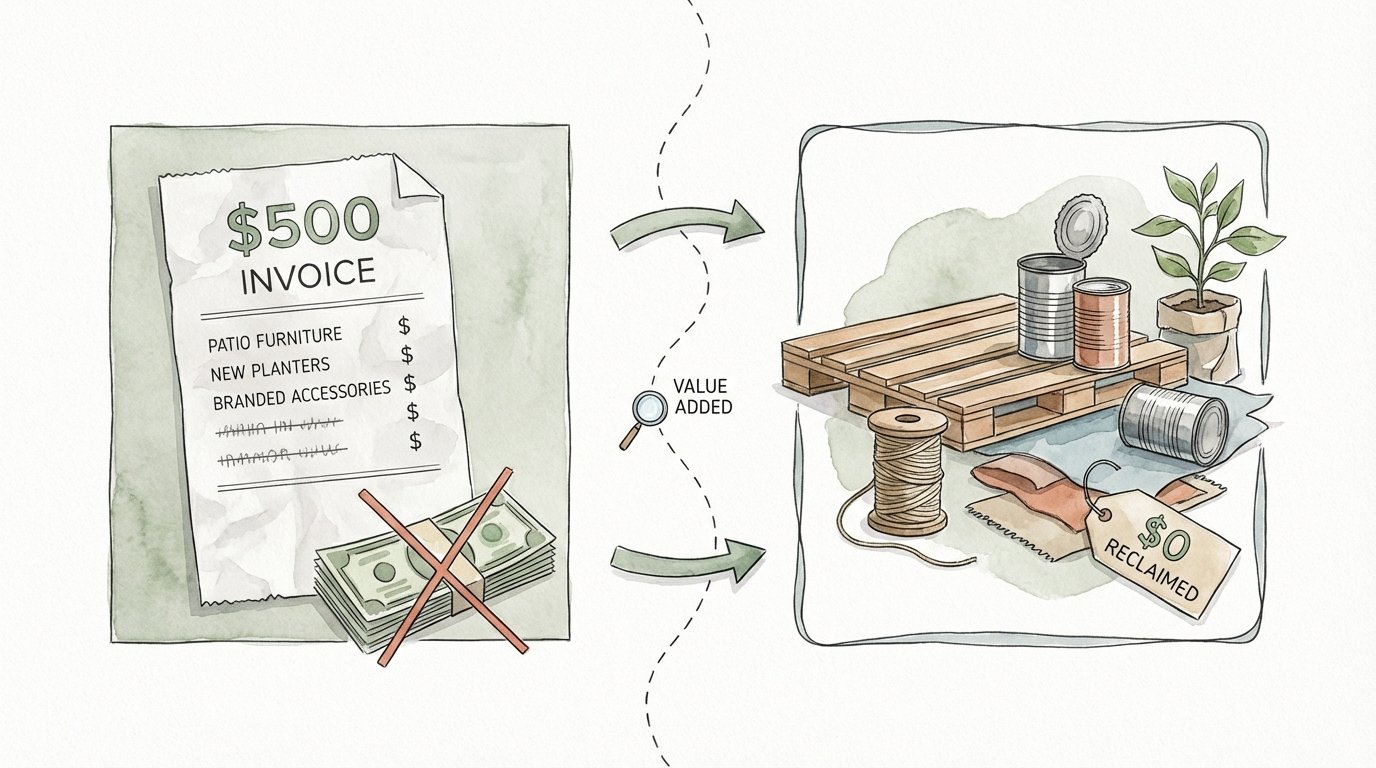
This journey from a $500 INVOICE to a $0 RECLAIMED project changed how I view my outdoor space. It is not about how much you spend, but how much heart you put into the details. Your balcony can be a sanctuary without draining your savings.
Transforming a small outdoor area often feels like a puzzle with missing pieces. You want comfort, style, and durability, but retail prices for “outdoor living” are sky-high. By looking at discarded materials as raw potential, you unlock a world of bespoke design.
Whether you have a tiny apartment ledge or a spacious terrace, these tips will guide you. We are going to explore the art of the budget-friendly makeover from the ground up. Get ready to turn that neglected corner into your favorite room in the house.
Budget Friendly Diy Balcony Decor
Budget-friendly DIY balcony decor is the art of creating a functional outdoor retreat using upcycled materials and smart shopping. It focuses on high-impact changes that do not require professional contractors or massive bank accounts. This approach is perfect for urban dwellers who want to maximize every square inch of their living space.
In the real world, this looks like turning old wooden crates into a vertical herb garden. It involves finding beauty in objects others have thrown away, such as pallets or cable spools. These items provide the structural “bones” for your furniture at a fraction of the cost of teak or wrought iron.
This design philosophy exists because outdoor spaces are often the last to be furnished. High retail prices often keep people from enjoying their balconies for years. DIY decor bridges that gap, making luxury-style comfort accessible to anyone with a weekend and a vision.
You will see these techniques used everywhere from trendy Brooklyn fire escapes to Mediterranean-style terraces. The core idea is to mix natural textures with personal touches. When you DIY, you control the quality and the aesthetic, ensuring it fits your unique vibe perfectly.
How to Transform Your Balcony on a Budget
The most effective way to start is by identifying your “anchor” piece. For many, this is the seating area or a central table. If you are starting with a reclaimed cable reel, the process is surprisingly straightforward but requires patience.
First, clean the wood thoroughly to remove dirt and construction debris.  . Use a stiff brush and a mild detergent to scrub the surfaces. If the wood is very rough, you will need to sand it down using a palm sander or a sanding block to prevent splinters.
Next, decide on your finish based on your local climate. If you love the natural look, a high-quality spar urethane or teak oil will protect the wood from UV rays and rain. If you want a pop of color, use an exterior-grade latex paint which is flexible enough to handle temperature shifts.
For seating, wooden pallets are a gold mine. You can stack them to create a modular sofa that fits perfectly into a corner. Always check the stamps on the pallets; look for “HT” (Heat Treated) and avoid “MB” (Methyl Bromide), as the latter contains harmful chemicals.
Once your furniture is in place, focus on the vertical space. Use a wooden ladder or a simple grid to hang small pots. This keeps the floor clear and creates a “lush jungle” feel even on the smallest balconies.
Benefits of the DIY Approach
The primary advantage of DIY balcony decor is the massive cost savings.  . You can often furnish an entire balcony for less than the price of a single high-end chair. This allows you to spend your remaining budget on high-quality plants or premium weather-resistant cushions.
Customization is another significant benefit. When you buy from a big-box store, you are limited to their colors and sizes. When you build it yourself, you can paint that table a specific shade of sage green to match your indoor rug.
Durability is often higher with DIY reclaimed projects than with “budget” retail sets. Many cheap store-bought sets use thin metal or plastic that cracks after one winter. Solid wood cable reels and pallets are built to withstand heavy industrial use, making them incredibly hardy.
Finally, there is a deep sense of creative satisfaction. Knowing that you saved a piece of wood from a landfill and turned it into a beautiful coffee table adds a layer of story to your home. It becomes a conversation starter every time you have guests over for coffee.
Challenges and Common Mistakes
One of the most frequent errors is neglecting weatherproofing. Indoor paint or unfinished wood will rot quickly when exposed to moisture and sun. Always use products specifically labeled for “exterior” use to ensure your hard work lasts more than one season.
Another pitfall is ignoring the weight limit of your balcony. While solid wood furniture is durable, it can also be heavy. If you live in an older building, check your structural limits before adding several heavy pallets and large, water-filled planters.
Failing to sand properly is a common beginner mistake. Reclaimed wood is often “hairy” and rough. If you skip the sanding phase, your cushions will snag and you will end up with uncomfortable splinters.
Lastly, many people forget about pest control. Reclaimed wood can sometimes house hitchhikers like beetles or ants. Inspect your materials carefully for tiny “exit holes” or piles of sawdust (frass) before bringing them onto your balcony.
Limitations to Consider
DIY projects require a certain set of tools and a space to work. If you live in a strictly managed apartment building, you might not be allowed to sand or paint on your balcony. You may need to find a friend’s garage or a local maker space to do the heavy lifting.
Climate also plays a huge role in what materials you can use. In extremely humid environments, untreated wood will warp regardless of how many coats of paint you use. In those cases, you might need to prioritize synthetic materials or naturally rot-resistant woods like cedar.
Renters have specific constraints, such as the inability to drill into walls for hanging planters. If you are a renter, you must focus on freestanding decor like ladder shelves or railing-mounted planters that don’t leave permanent marks.
Maintenance is a hidden requirement of the DIY life. Unlike plastic furniture that you just hose down, wood furniture needs a fresh coat of sealer every year or two. If you want a “set it and forget it” solution, reclaimed wood might not be your best choice.
DIY vs. Retail: A Real-World Comparison
When deciding whether to build or buy, it helps to look at the numbers. While retail offers convenience, the DIY route offers longevity and character.
| Feature | Budget Retail Set | DIY Reclaimed Set |
|---|---|---|
| Upfront Cost | $300 – $600 | $50 – $150 (for paint/tools) |
| Durability | Medium (Thin metal/plastic) | High (Solid industrial wood) |
| Customization | Low (Take what they have) | Infinite (Color, size, height) |
| Time Required | 1 hour (Assembly) | 5 – 10 hours (Sanding/Painting) |
Practical Tips for a Better Result
Start with a clear floor plan. Use painter’s tape to mark out where your furniture will go before you start building. This prevents the “too big for the space” syndrome that often happens with bulky reclaimed wood.
Invest in solar-powered lighting. Since many balconies lack outdoor outlets, solar string lights are a game changer. They automatically turn on at dusk, creating an instant “vibey” atmosphere without any wiring.
Layer your textiles to add depth. A jute rug can ground the space, while weather-resistant throw pillows add the necessary comfort to hard wooden benches. Stick to a 3-color palette to keep the small space from feeling cluttered.
Don’t forget the power of greenery. Choose plants with varying heights to create visual interest. For privacy, use tall grasses or bamboo in deep planters to create a natural screen between you and your neighbors.
Advanced Considerations for Enthusiasts
If you want to take your DIY game to the next level, consider adding functional upgrades. For example, you can install heavy-duty locking casters to the bottom of your cable reel table. This allows you to move it easily for cleaning or different seating arrangements.
Consider the “Under-lighting” technique. Attach waterproof LED strips to the underside of your pallet sofa. This creates a floating effect and provides soft ambient light that doesn’t attract as many bugs as overhead lights.
For those with a green thumb, integrated irrigation is a lifesaver. You can set up a small gravity-fed drip system for your vertical garden. This ensures your plants stay hydrated during hot summer days without you needing to carry heavy watering cans every morning.
Think about seasonal versatility. . Build your furniture so it can be easily disassembled or covered. Using hinges on pallet benches can create hidden storage for cushions during the winter, keeping your balcony tidy year-round.
Example Scenario: The Urban Jungle Nook
Imagine a narrow 4×8 balcony in a busy city. By using a single cable spool as a table and two stacked pallets as a corner lounge, the resident creates a functional footprint for under $100. They paint the wood a dark charcoal to hide industrial imperfections.
Against the wall, they lean an old wooden ladder found at a yard sale. Each rung holds a terra cotta pot filled with basil, mint, and trailing ivy. This vertical garden provides privacy from the building across the street while smelling amazing.
To finish the look, they hang three strands of warm-white globe lights. A weather-resistant outdoor rug in a geometric pattern ties the charcoal furniture and the green plants together. What was once a concrete ledge is now a high-energy retreat for morning coffee and evening reading.
Final Thoughts
Creating a beautiful outdoor space is within your reach, regardless of your bank balance. By embracing the DIY spirit and looking for value in reclaimed materials, you transform a simple balcony into a true extension of your home.
The transition from a $500 price tag to a custom-built masterpiece is rewarding in ways that retail shopping simply cannot match. It teaches you to see potential where others see waste. This mindset is the foundation of a truly unique and personal home.
Go ahead and start looking for those discarded treasures. Whether it is a cable reel, a pallet, or an old crate, your next designer-look project is waiting for you. Your sanctuary is just a little elbow grease away.
Sources
1 youtube.com (https://www.youtube.com/watch?v=f-R-cd6P9wQ) | 2 kwikhang.com (https://blog.kwikhang.com/balcony-decor-ideas-on-budget/) | 3 youtube.com (https://www.youtube.com/watch?v=uxaZ-p5ZxVw) | 4 homeyou.com (https://www.homeyou.com/the-thousand-opportunities-of-diy-cable-spool-upcycling) | 5 belleze.com (https://belleze.com/blogs/news/weatherproof-indoor-furniture-for-outdoor-use) | 6 outdoorsrockingchair.com (https://www.outdoorsrockingchair.com/blogs/news/6-steps-to-make-outdoor-patio-set-weatherproof) | 7 decondesigns.com (https://decondesigns.com/cost-analysis-diy-outdoor-furniture-vs-buying-ready-made/) | 8 milltreedesigns.com (https://milltreedesigns.com/blogs/news/diy-vs-store-bought-outdoor-furniture-what-you-really-save-including-what-money-can-t-buy) | 9 youtube.com (https://www.youtube.com/watch?v=ruxKS1XK1wY) | 10 hgtv.com (https://www.hgtv.com/how-to/home-improvement/ways-to-waterproof-wood) | 11 upcyclethat.com (https://upcyclethat.com/bug-proof-reclaimed-furniture/)