While big-box stores charge a premium for flimsy plastic, the ocean is washing up professional-grade garden infrastructure for $0. Why spend $50 at the garden center for something that snaps in a light breeze? The ocean has spent decades sun-curing and salt-hardening the strongest plant supports on earth. Discover how to turn a morning beach walk into a lifetime of indestructible garden infrastructure.
Most modern gardeners are trapped in a cycle of buying and replacing. We purchase thin cedar lath or hollow green plastic stakes that bow under the weight of a single heavy tomato crop. This is a waste of money and a disservice to the plants that deserve a steady foundation. The solution isn’t in a catalog, but rather at the high-tide line where the tide deposits timber that has been tested by the elements.
Gardeners of the past knew that the best materials were those that had already survived the worst conditions. Driftwood isn’t just “old wood.” It is timber that has been stripped of its bark, leached of its rotting saps, and mineralized by the sea. When you bring these pieces into your garden, you are installing a piece of natural history that can support your heaviest climbers for decades.
Diy Driftwood Garden Trellis
A DIY driftwood garden trellis is a plant support structure built entirely from salvaged timber found along coastlines, riverbanks, or lake shores. Unlike the uniform, pressure-treated lumber found at the local yard, driftwood possesses unique, weathered shapes that provide superior “grip” for climbing vines. It exists as a marriage between functional engineering and organic art, serving as a focal point in the landscape even when the plants are dormant.
This type of infrastructure is used in real-world situations ranging from small-scale kitchen gardens to large ornamental estates. In a vegetable patch, it serves as a vertical ladder for heavy cucumbers and pole beans. In a formal flower garden, it provides a rustic contrast to the delicate blooms of clematis or climbing roses. Because every piece of wood is shaped by water and stone, no two trellises are ever identical.
Visualize the difference between a standard grid of plastic mesh and a towering tripod of salt-cured oak. The plastic is an eyesore that hides behind the foliage. The driftwood is a sculptural element that enhances the garden’s character. It tells a story of the forest meeting the sea, ending its journey as a servant to your soil.
How It Works: From Shoreline to Soil
Building a driftwood trellis begins with a keen eye and a sturdy pair of boots. You must look for wood that has been “processed” by the water. This means the bark is gone, the edges are rounded, and the wood feels surprisingly lightweight yet hard to the touch. This lightness indicates that the sap has been leached out, leaving behind a structural skeleton of lignin and cellulose that is highly resistant to further decay.
Once you bring your timber home, the first step is desalinization. While salt is a natural preservative for the wood, it can be a toxin for your soil if it leaches out in high concentrations near sensitive roots. Soak your wood in a trough of fresh water for 48 to 72 hours, changing the water daily. 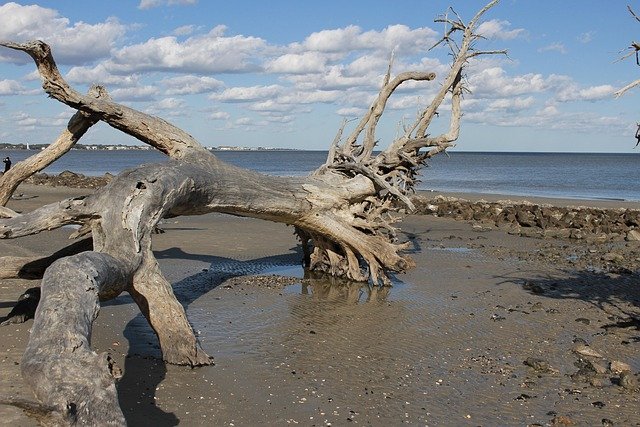 . This process draws the salt out of the outer layers of the wood, making it safe for direct contact with your prize-winning vegetables.
Assembly is the stage where you must think like an old-world shipwright. Driftwood is rarely straight, so you cannot rely on standard carpentry squares. You must work with the natural curves of the wood, using “lashing” techniques or pre-drilled joinery. Use heavy-gauge copper wire or rot-resistant jute twine to bind the pieces together. Copper is particularly useful because it develops a beautiful patina and has natural antimicrobial properties that can help prevent fungal spread on the trellis.
For more permanent structures, use a drill to create holes for wooden dowels. When the dowels get wet from rain or irrigation, they swell inside the hole, creating a “lock” that tightens over time. This avoids the use of iron nails which can rust and cause “iron rot” in the wood. A well-constructed driftwood trellis is an exercise in tension and balance, relying on the wood’s inherent strength rather than modern fasteners.
Benefits of Salt-Cured Infrastructure
The primary advantage of using driftwood is its incredible longevity. Ocean-sourced timber has been cured in a brine that naturally kills wood-boring insects and fungal spores. This salt-curing process creates a material that is often more durable than the “rot-resistant” cedar sold at retail. You are effectively getting professional-grade material for the cost of a walk on the beach.
Aesthetics play a massive role in the value of these structures. . The silvery-gray patina of sun-bleached wood blends perfectly with the natural tones of a garden. It creates a “timeless” look that looks better as it ages. While a painted plastic trellis will peel and crack under UV exposure, driftwood only grows more characterful as the sun continues to cure its surface.
Environmental stewardship is another measurable benefit. By salvaging driftwood, you are preventing waste and reducing the demand for commercially harvested lumber. Many commercial “garden woods” are sourced from old-growth forests or treated with harsh chemicals like ACQ (Alkaline Copper Quaternary) to prevent rot. Driftwood is a 100% natural, carbon-neutral alternative that requires no industrial processing or shipping halfway across the globe.
Practicality for the plants themselves cannot be overlooked. The rough, pitted surface of weathered wood provides thousands of tiny “handholds” for the tendrils of peas and passionflowers. Smooth plastic or metal often requires the gardener to manually tie the plants to the support. On driftwood, the plants can climb naturally and securely, even in high winds.
Challenges and Common Mistakes
One of the most frequent errors is failing to check the structural integrity of the wood. Not everything that washes up is solid. Some pieces may be infested with “shipworms” (Teredo worms) or have internal rot from being trapped in anaerobic mud. Always perform the “knee test”: place the wood across your knee and apply downward pressure. If it gives or cracks easily, it belongs in the kindling pile, not the garden.
Ignoring local regulations is another pitfall that can lead to heavy fines. Many public beaches have strict “driftwood rules” to protect the shoreline ecosystem. In some states, like Oregon, you can take small amounts for personal use, but using mechanized equipment or taking large quantities is prohibited. Always research the specific rules for your stretch of coast before you start loading up the truck.
Gardeners often forget to stabilize the base of the trellis. Because driftwood pieces are often heavy and irregularly shaped, they can be top-heavy. Simply sticking the wood a few inches into the dirt is a recipe for disaster during a summer storm. You must either bury the main supports at least 12 to 18 inches deep or secure them to a hidden metal T-post for extra leverage.
Failing to rinse the wood is a silent killer for gardens. If you take wood directly from a salt-spray environment and place it next to a salt-sensitive plant like a cucumber, the first rain will wash a concentrated brine into the root zone. This causes osmotic stress, where the salt pulls water out of the plant’s roots. Always prioritize the 72-hour fresh-water soak to ensure your soil stays healthy.
Limitations and Environmental Constraints
Driftwood is not a universal solution for every gardening scenario. If you live in a landlocked state, the cost of shipping driftwood or the fuel spent driving to the coast may outweigh the “free” aspect of the material. In these cases, look for “riverwood” or fallen branches in local forests, though these will not have the same salt-cured durability as ocean timber.
Size constraints are a real boundary. Unless you have a large vehicle or live within walking distance of the beach, you are limited to the size of wood you can physically transport. Building a massive pergola out of driftwood requires sourcing “hero pieces” that are often too heavy for a single person to move. You must be realistic about the scale of your project versus your logistics.
The weight of the plants themselves must be considered. While a thick piece of salt-cured oak can hold a heavy wisteria, smaller decorative branches are only suitable for light annuals like sweet peas or morning glories. Perennial vines like grapes develop thick, woody trunks that can actually crush or snap thinner driftwood supports as they grow. Match the gauge of your wood to the expected “mature weight” of your crop.
Lastly, consider the “habitat trade-off.” Driftwood on the beach provides essential shelter for birds, insects, and small crustaceans. Removing too much wood from a single area can disrupt the local ecosystem. Practice ethical beachcombing by only taking what you need and leaving the largest, most “embedded” logs to continue their role as nature’s coastal armor.
Comparison: $45 Plastic Trellis vs Free Hardbeach Timber
When deciding whether to spend your Saturday at the garden center or the beach, it helps to look at the hard data. The following table breaks down the measurable differences between the standard retail option and the salvaged approach.
| Feature | $45 Plastic Trellis | Free Hardbeach Timber |
|---|---|---|
| Initial Cost | $45.00 + Tax | $0.00 (Labor Only) |
| Lifespan | 2-4 Years (UV Degrades Plastic) | 15-30 Years (Salt-Cured) |
| Load Capacity | Low (Bends under weight) | High (Solid wood core) |
| Aesthetic Value | Industrial / Artificial | Natural / Sculptural |
| Environmental Impact | High (Petroleum-based) | Zero (Carbon-neutral) |
| Maintenance | None (Until it snaps) | Occasional tightening of ties |
Practical Tips and Best Practices
Focus on “triangle geometry” when designing your trellis. The triangle is the strongest shape in nature and engineering. Creating a “tripod” or “teepee” style trellis by lashing three pieces of driftwood together at the top is the most stable way to support heavy vines like pole beans. This design is also highly wind-resistant because the circular base allows gusts to move around the structure rather than pushing against a flat surface.
Use “natural cordage” for a truly integrated look. While nylon zip-ties are fast, they are a nightmare for the environment and eventually become brittle in the sun. Tarred bank line or heavy manila rope provides a “nautical” feel that matches the wood’s origin. These materials are designed for moisture and will outlast any cheap twine found at a grocery store.
- Stabilize with T-posts: For tall trellises, drive a metal T-post into the ground and lash your driftwood to it. This provides a hidden spine that prevents the structure from tipping.
- Orient for Sun: Place your trellis so it runs North-to-South. This ensures that the plants on both sides of the wood get an equal amount of sunlight throughout the day.
- Check the End-Grain: If you must cut a piece of driftwood, seal the fresh end-grain with a bit of beeswax. This prevents moisture from entering the core of the wood where the salt-curing might be less intense.
- Use Copper Accents: Wrapping a few coils of copper wire around the base of the wood can help deter slugs and snails from climbing up to eat your tender leaves.
Think about the “reach” of your plants. If you are growing peas, you need thinner “twiggy” driftwood pieces. If you are growing heavy squash, you need thick “limb-grade” timber. A common mistake is using wood that is too thick for a plant’s tendrils to wrap around.  . If your main supports are thick, weave some thin jute twine horizontally between them to give the plant a ladder to climb.
Advanced Considerations for Serious Practitioners
Serious garden builders may want to explore “Shou Sugi Ban” or charring for their driftwood. Even though ocean wood is salt-cured, charring the bottom 12 inches of the wood that will be buried in the soil creates an extra layer of carbonization. This carbon layer is unappealing to fungi and soil microbes, effectively doubling the life of the underground portion of your trellis.
Joinery techniques can be elevated beyond simple lashing. Using a “mortise and tenon” joint—where one piece of wood is carved into a tab (tenon) and inserted into a hole (mortise) in the other—creates a mechanical bond that doesn’t rely on string or wire. This is difficult with the irregular shapes of driftwood but results in a piece of furniture-grade garden architecture that can last for generations.
Consider the “mineralization” of the wood. Some driftwood has been submerged for so long that it has absorbed silicates and other minerals from the water, making it almost stone-like. These pieces are exceptionally heavy but are the “gold standard” for permanent garden features. When you find a piece of “petrified” or highly mineralized driftwood, reserve it for your most permanent perennial beds, such as those for grapes or climbing roses.
Scaling up to a driftwood “archway” or “pergola” requires a deep understanding of load-bearing points. You must select pieces with natural “crooks” or “forks” that can act as structural supports for cross-beams. Instead of forcing the wood into a design, let the forks in the wood dictate where the beams will sit. This “organic engineering” is more resilient than modern bolted joints because it utilizes the wood’s natural grain strength.
Scenario: The Coastal Cucumber Ladder
Imagine you want to grow “Suyo Long” cucumbers, a variety known for reaching 15 inches in length. On the ground, these cucumbers would curl and rot. You decide to build a 6-foot driftwood ladder. You find two long, relatively straight pieces of sun-bleached fir and five shorter, uniform pieces of cedar driftwood for the “rungs.”
First, you soak all seven pieces in a large trough of fresh water for three days. After they air-dry in the sun for a week, you lay the two fir poles parallel on the grass. You use a 1-inch spade bit to drill holes halfway through the fir poles at 12-inch intervals. You whittle the ends of the cedar rungs to fit snugly into these holes.
Once the rungs are inserted, you use a small amount of exterior wood glue in the joints and further secure them with a “square lash” using tarred twine. You carry the completed 6-foot ladder to the garden and drive two 4-foot T-posts into the soil, leaving 2 feet exposed. You lash the base of the ladder to these posts. By August, the ladder is hidden behind a wall of green, and the heavy cucumbers hang perfectly straight, supported by wood that was once floating in the Pacific.
Final Thoughts
Building with driftwood is a return to a more resilient way of life. It rejects the “disposable” culture of modern gardening and replaces it with materials that have been hardened by the very forces they must now withstand. A driftwood trellis is not just a tool for growing food; it is a testament to the durability of nature and the resourcefulness of the gardener.
By choosing salvaged timber over retail plastic, you are creating a garden that is both more beautiful and more sustainable. You are saving money while investing in an infrastructure that will likely outlive the very plants it supports. It encourages you to slow down, walk the shoreline, and look at the world as a source of raw potential rather than just a collection of products to be purchased.
Start small with a simple tripod or a single decorative stake. As you gain confidence in your lashing and joinery, move on to larger structures like arches and fences. Every piece of wood you pull from the tide is a gift from the ocean—hardened by salt, cured by the sun, and ready to stand tall in your soil for years to come. Apply what you have learned, respect the coast, and let your garden grow on the back of the sea.
Sources
1 reddit.com (https://www.reddit.com/r/PlantedTank/comments/ukktv3/whats_the_best_way_to_attach_pieces_of_driftwood/) | 2 wikihow.com (https://www.wikihow.com/Clean-Driftwood) | 3 houzz.com (https://www.houzz.com/discussions/2162823/how-to-sterizilize-driftwood) | 4 gardenpondforum.com (https://www.gardenpondforum.com/threads/driftwood-wood-in-general-whats-safe-where-can-you-get-some.13545/) | 5 wikihow.com (https://www.wikihow.com/Preserve-Driftwood) | 6 mymumthedreamer.com (https://mymumthedreamer.com/how-to-clean-driftwood-for-crafting/) | 7 quora.com (https://www.quora.com/Is-it-illegal-to-take-driftwood-from-a-beach) | 8 public.law (https://oregon.public.law/rules/oar_736-026-0010) | 9 driftwoodacademy.com (https://driftwoodacademy.com/is-it-legal-to-collect-driftwood/) | 10 youtube.com (https://www.youtube.com/watch?v=LGp8Im1dYWc) | 11 almanac.com (https://www.almanac.com/how-make-diy-trellis-step-step-guide-pictures)