Driftwood Airplant Wall
Have you ever considered transforming a simple wall into a vibrant, living piece of art? Creating a driftwood airplant wall might just be the project you need to breathe new life into your space while maintaining a touch of the natural world indoors. Airplants, or Tillandsia, are unique in that they don’t require soil to grow, making them an ideal plant for crafting innovative displays like these.
[affiai]
Understanding Driftwood and Airplants
What is Driftwood?
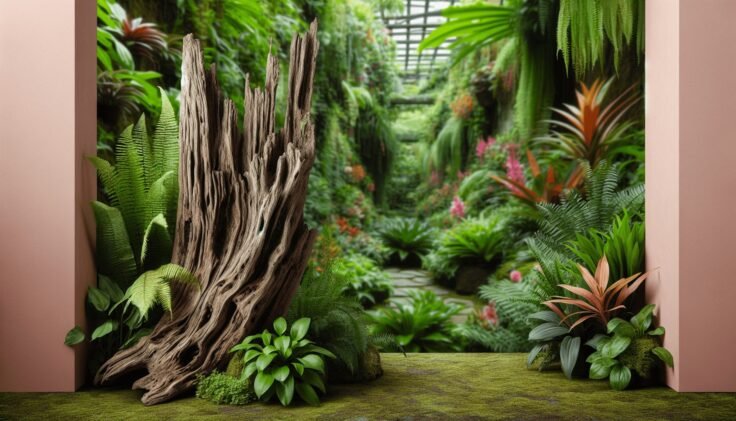
Driftwood refers to natural wood that’s been washed onto shorelines by the action of winds, tides, or waves. It’s often weathered and bleached by the sun and saltwater, resulting in unique, textured pieces that are perfect for an artistic home project. Driftwood has artistic value in its own right, offering an organic, rustic charm that’s hard to replicate with artificial materials.
Introducing Airplants
Airplants, or Tillandsia, are part of the Bromeliaceae family. What makes them truly fascinating is their ability to draw nutrients and moisture from the air rather than soil. This trait gives them incredible versatility in home decor. Airplants thrive in humid environments and require minimal care, making them perfect companions for novice and expert gardeners alike.
Benefits of a Driftwood Airplant Wall
Aesthetic Appeal
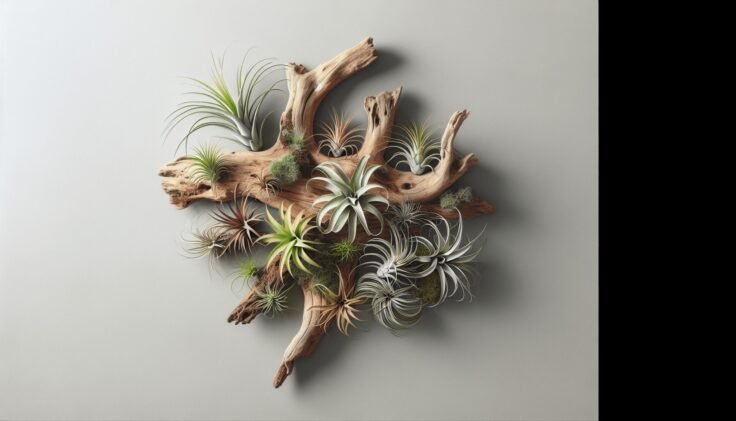
A driftwood airplant wall can function as a stunning focal point in any room. The natural beauty of the wood combined with the delicate, almost alien appearance of airplants creates an eye-catching feature. This living art form complements a range of interior styles, from bohemian to minimalist.
Space Efficiency
For those living in small spaces, a driftwood airplant wall is an ideal solution for adding greenery without occupying valuable floor space. Such vertical gardens make use of wall areas that might otherwise be left bare.
Low Maintenance
One of the most appealing aspects of using airplants is their low maintenance requirements. There’s no need for re-potting or soil amendments. A simple misting with water a few times a week can keep them thriving.
Designing Your Driftwood Airplant Wall
Selecting the Driftwood
The choice of driftwood is significant, as it sets the stage for your plant display. You can find driftwood through various sources: beaches, craft stores, or online retailers. Look for pieces with interesting shapes and enough stability to support the airplants. You’ll want natural grooves or crevices where the plants can nestle.
Choosing Airplants
With over 400 species of Tillandsia, the options might be overwhelming. Some popular choices include:
- Tillandsia Ionantha: With their bright green leaves that blush red in bloom, these are a favorite for indoor displays.
- Tillandsia Xerographica: Known for its large rosette shape, this species is a showstopper.
- Tillandsia Funkiana: A more unusual choice with its wild, spiky appearance.
Try mixing various species to create texture and color variation on your wall.
Plotting the Layout
Before attaching anything, it helps to arrange your materials on the floor or a table. Experiment with different layouts, consider symmetry or asymmetry, and balance between driftwood pieces and airplant placement. Keep in mind the size of the wall and the space available around the installation.
Assembling Your Driftwood Airplant Wall
Tools and Materials
Here’s what you’ll need to create your masterpiece:
| Tool/Material | Purpose |
|---|---|
| Drill | For securing the driftwood to the wall. |
| Wall anchors | To ensure the driftwood is supported. |
| Wire | To attach the airplants to the driftwood. |
| Fishing line | An alternative to wire for a more subtle attachment method. |
| Scissors | To cut the wire or fishing line. |
| Spray bottle | For misting the airplants. |
Preparing the Driftwood
Once you’ve selected and tested your driftwood arrangements, it’s time to prepare the wood for installation. If you’ve collected the wood from a natural source, ensure it’s properly cleaned to remove any salt or pests. Soak in freshwater for a few days, then allow it to dry completely.
Mounting the Driftwood
Secure the driftwood onto your wall using a drill and wall anchors for a sturdy display. Ensure that the pieces are solidly mounted to support the weight of the plants and any decorative elements you may add.
Attaching Airplants
Once your driftwood is in place, use wire or fishing line to attach the airplants. Be careful not to tie them too tightly, as airplants need space to breathe and grow. The goal is to fasten them securely without constricting the plants.

Caring for Your Driftwood Airplant Wall
Watering
Airplants are incredibly resilient but require regular watering. The best method is misting them about 2-3 times a week, depending on your home’s humidity levels. In a dry environment, consider a weekly soak for 30 minutes, ensuring they dry completely afterward to prevent rot.
Light Requirements
Position your driftwood airplant wall in an area with bright, indirect sunlight. Direct sunlight can scorch the plants, while too little light can inhibit growth. If the natural lighting is insufficient, you might supplement with fluorescent grow lights.
Pruning and Maintenance
Remove any dead leaves or flowers to maintain the health and aesthetics of your airplants. Occasionally, you may need to reposition them as they grow to better accommodate their size and prevent them from becoming overcrowded.
Potential Challenges and Solutions
Pest Control
Although rare, airplants can sometimes attract pests like aphids or mealybugs. If this occurs, treat the infected plants with a mixture of water and mild soap, then rinse thoroughly.
Preventing Rot
Rot can be a significant challenge if the plants aren’t allowed to dry properly after watering. Ensure good air circulation around your airplants and always monitor them after watering to avoid excess moisture accumulation.
Adjusting to Climate Conditions
Your home’s climate might require adjustments in your care routine. In a particularly dry environment, increase the frequency of watering and consider using a humidifier nearby. For humid climates, ensure excellent air circulation and limit soaking times for your plants.
Enhancements and Variations
Seasonal Decor
Change the look of your driftwood airplant wall by adding seasonal decor items. For instance, small ornaments or fairy lights during the holiday season add a festive touch. Remember to avoid heavy items which can damage the driftwood or airplants.
Incorporating Other Elements
Enhance the depth and texture of your installation by incorporating natural stones, moss, or bark. These elements can complement the rustic aesthetic and provide additional visual interest.
Fusion with Other Plants
Consider adding other low-maintenance plants that can cohabitate with airplants. Succulents, for instance, can be placed in small wall planters alongside your airplants to create a dynamic visual contrast.
Conclusion
Creating a driftwood airplant wall is an enjoyable project that marries natural materials with creative design. It offers you a unique opportunity to bring the outdoors inside, crafting a living artwork that grows and evolves over time. With some creative planning and simple maintenance, your driftwood airplant wall can thrive, adding beauty and tranquility to your space for years to come.