The ‘trash’ you’re stepping over on the beach is actually the world’s most durable, salt-resistant micro-mulch. 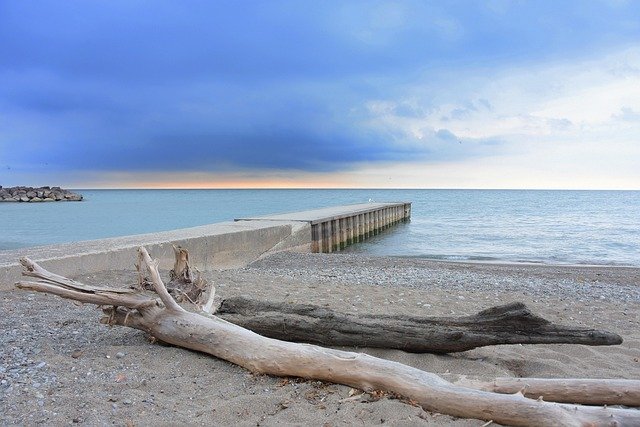 . Most beachgoers see ‘driftwood litter’ as a nuisance to be cleared. Smart gardeners see it as a premium, long-lasting mulch that won’t blow away in high winds or rot in a single season. Here is how to harvest and use the small stuff.
Searching for a way to armor your garden against the elements often leads you to the local garden center, where you pay handsomely for bags of shredded pine or dyed hardwood. These materials are fine for a manicured suburban plot, but they often fail in the face of true coastal winds or high-salt environments. Nature provides a stouter alternative right at the high-tide line. This weathered debris, forged by the sun and cured by the sea, offers a level of resilience that fresh-cut timber simply cannot match.
Understanding the value of this resource requires a shift in perspective. 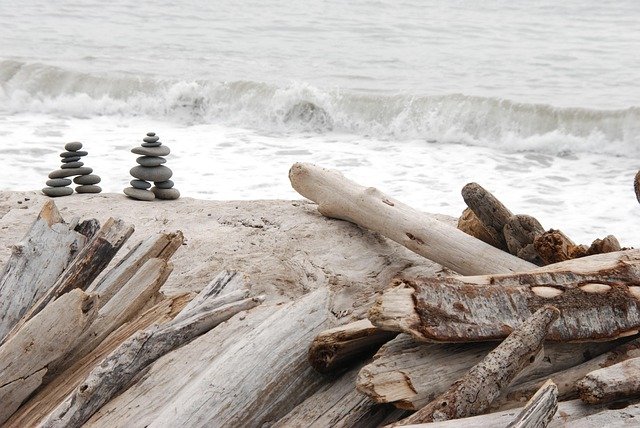 . You are not looking for the giant, silver logs that make for centerpiece decorations. You are looking for the “duff”—the small, shredded bits of bark, sun-bleached twigs, and ocean-ground wood fibers that accumulate in the nooks of the shoreline. This material, often dismissed as shoreline clutter, is actually a highly evolved thermal mulch that can transform the health of your soil.
Driftwood Bark Mulch Benefits
Driftwood bark mulch is essentially wood that has undergone a brutal “curing” process. Unlike standard mulch which is shredded from living or recently felled trees, driftwood has been stripped of its softest tissues by wave action and preserved by salt and UV exposure. This creates a material that is incredibly dense and resistant to the rapid fungal decomposition that turns standard mulch into compost within a year.
In the real world, this material acts as a protective shield. Coastal landscapes are often subject to “salt spray,” which can dehydrate plants and ruin soil structure. Driftwood mulch is naturally habituated to these conditions. It does not soak up salt like a sponge and rot; instead, it provides a physical barrier that helps regulate the soil’s own salinity and temperature. It is widely used in permaculture designs for seaside gardens where traditional organic matter would break down too quickly.
Think of it as the difference between a new cotton shirt and an old, waxed canvas jacket. The cotton is soft and attractive, but it wilts in the rain. The driftwood—the canvas jacket of the gardening world—has been hardened by the environment. It exists to withstand the sun, the wind, and the spray without losing its structural integrity.
How It Works: Harvesting and Preparing Your Mulch
Collecting driftwood mulch is a labor of patience rather than heavy machinery. You want to focus on the “wrack line,” which is the pile of debris left at the highest point of the tide. Here, the ocean has already done the hard work of sorting the material by weight and size.
Gathering the small stuff—bits no larger than three or four inches—is the goal. These smaller fragments interlock more effectively than large chunks, creating a mat that resists being lifted by the wind. Use a sturdy burlap sack or a five-gallon bucket to collect the debris. Avoid digging deep into the sand; you only want the surface material to ensure you aren’t disturbing the underlying beach ecology.
Processing is the most critical step. Salt is the primary enemy of many land-based plants. While driftwood is excellent for coastal species, it can be toxic to delicate inland flowers if used raw. Submerge your collected wood in a large trough or barrel of fresh water. Let it soak for at least 48 to 72 hours. This process, known as leaching, draws the salt out of the wood fibers. For the best results, change the water once or twice during this period.
Application follows the same rules as standard mulching. Spread a layer approximately two to three inches thick around the base of your plants. Ensure you leave a small gap of about two inches between the mulch and the trunk or stem of the plant. This prevents moisture from being trapped against the bark, which can lead to rot or pest issues.
Advantages of Salt-Resistant Micro-Mulch
The primary advantage of this material is its sheer tenacity. Because the wood has already lost its easily digestible sugars and starches during its time at sea, the microorganisms that normally break down mulch find driftwood far less “appetizing.” This means your mulch layer stays intact for two to three times longer than cedar or pine.
Weight and interlocking capability are also significant benefits. Standard shredded mulch is light and airy, which makes it prone to “floating” away during heavy rain or being scattered by high-desert or coastal winds. Driftwood bits, having been tumbled by the sea, often have rounded edges but irregular shapes that “lock” into one another. Once settled, this mulch forms a heavy, stable crust that stays put.
Aesthetics play a role for many practitioners as well. Over time, all wood mulch turns grey, but driftwood starts with that iconic, silver-blue patina. It provides a neutral, high-contrast backdrop that makes the green foliage and bright colors of your garden pop. It looks intentional, rugged, and timeless.
Challenges and Common Mistakes
Neglecting the leaching process is the most frequent error. If you take wood directly from a saltwater beach and place it on a sensitive rose bush or vegetable patch, the salt will leach into the soil with the first rain. Sodium ruins soil “flocculation,” which is the way soil particles clump together. When salt levels get too high, the soil becomes a hard, impenetrable pan that kills roots. Always soak your harvest in fresh water before use.
Legal constraints are another significant hurdle. In many regions, such as parts of Michigan or protected national seashores in the United States, removing any natural material—even the small “trash” wood—is strictly prohibited. Fines can be steep. Always check local regulations or state park rules before you start filling buckets. In places like Oregon, small-scale personal collection is often allowed, but mechanized equipment is a universal “no.”
Over-collecting from a single spot can also damage the local environment. Driftwood provides essential habitat for beach-dwelling insects and birds, and it helps stabilize dunes against erosion. A good rule of thumb is to take only what has clearly been “cast up” in excess and never to strip a single area bare.
Limitations: When This Mulch Is Not Ideal
Driftwood mulch is not a “fertilizing” mulch. If your goal is to quickly improve the nutrient profile of poor soil, you should look toward compost or leaf mold. Driftwood is a “thermal mulch” designed for protection and durability, not for feeding the soil. It breaks down so slowly that the nitrogen and carbon it eventually releases won’t be available to your plants for several seasons.
Acid-loving plants like blueberries, azaleas, and rhododendrons may struggle with driftwood. Ocean water is slightly alkaline, and even after leaching, driftwood often maintains a higher pH than pine needles or peat-based products. Using it heavily around acid-loving species can lead to iron chlorosis, where the leaves turn yellow because the plant cannot absorb nutrients at a high pH.
Delicate annuals and seedlings also find the rugged texture of driftwood difficult. The weight of the wood can crush small stems, and the lack of fine organic matter doesn’t provide the moisture-retentive “sponge” that young roots need. Reserve the driftwood for established perennials, shrubs, and woody trees.
Shoreline Clutter vs. Thermal Mulch
| Feature | Standard Pine Bark | Driftwood Micro-Mulch |
|---|---|---|
| Durability | 1 Season (Rapid rot) | 3+ Seasons (Weather-hardened) |
| Wind Resistance | Low (Tends to blow away) | High (Locks together/Heavier) |
| pH Impact | Slightly Acidic | Neutral to Slightly Alkaline |
| Cost | $5–$10 per bag | Free (Labor only) |
| Nutrient Release | Moderate | Very Low/Slow |
Practical Tips and Best Practices
Always perform a “bucket test” if you are unsure about the salt content. Place a few pieces of your processed wood in a fresh bucket of water and let it sit for a day. Use an inexpensive TDS (Total Dissolved Solids) meter to check the salinity. If the reading is high, another soak is required. This simple step can save a garden full of expensive perennials.
Mixing driftwood with other organic materials can provide the “best of both worlds.” Lay down a thin layer of compost or aged manure first to provide nutrients to the soil. Then, top it with the driftwood micro-mulch to act as the protective armor. This combination feeds the soil from below while the driftwood protects it from sun-scorch and wind-erosion from above.
Layering is key for weed suppression. A mere sprinkling of wood bits won’t stop the sun from germinating weed seeds. Aim for a solid three-inch blanket. The irregular shapes of the driftwood will settle over time, creating a dense “matrix” that makes it nearly impossible for most annual weeds to break through.
Advanced Considerations for Serious Practitioners
Experienced gardeners often look at the “cation exchange capacity” (CEC) of their soil. Sodium from unwashed driftwood can displace essential nutrients like potassium and magnesium on soil particles. If you live in an area with heavy clay soil, the risk of “sodium-induced dispersion” is much higher. In these cases, even properly leached driftwood should be used sparingly, and you may want to add a small amount of gypsum to the soil to help flush any residual sodium away.
Consider the source wood. Driftwood from coniferous trees like pine and cedar contains resins that naturally repel many insects. Hardwood driftwood, like oak or maple, is much denser and will last significantly longer but provides less chemical defense against pests. If you can identify the species of the “clutter” you are collecting, you can tailor its use to specific parts of your garden.
Fungal colonization is another fascinating aspect of using sea-weathered wood. While it resists “rot,” driftwood eventually becomes a host for specialized wood-decay fungi. . These fungi are excellent for creating a healthy soil microbiome. They break down the complex lignin in the wood and turn it into stable humus, which is the “gold standard” for long-term soil health and carbon sequestration.
Example Scenario: The Wind-Swept Coastal Bed
Imagine a garden on a bluff overlooking the Atlantic. Standard mulch here lasts about two weeks before the nor’easters blow it into the next county. The soil is sandy, loses moisture instantly, and gets baked by the afternoon sun.
A gardener here decides to use driftwood micro-mulch. They collect forty pounds of sun-bleached bits from a nearby public beach where collection is legal. They soak the wood in a galvanized tub for four days, changing the water three times. After applying a three-inch layer around their salt-tolerant shrubs like Rugosa roses and Bayberry, they notice a change.
The silver wood bits don’t move during the next storm. They “lock” into the sand and into each other. Beneath the mulch, the soil remains damp even after three days of sun. Two years later, the mulch hasn’t thinned; it has simply settled into a beautiful, protective pavement that requires zero maintenance. The roses thrive because the “thermal mulch” kept their roots cool and prevented the sandy soil from becoming a salt-crusted wasteland.
Final Thoughts
Turning “shoreline clutter” into a high-performance garden asset is a classic example of pioneer-grit. It requires a willingness to do the physical work of foraging and the patience to properly leach and prepare the material. However, the reward is a garden that is better protected, more resilient, and visually distinct from the standard suburban landscape.
Driftwood bark mulch stands as a testament to the idea that nature’s “waste” is often its most refined product. By using these sun-cured, sea-tumbled fibers, you are closing a loop in the local ecosystem. You are taking a material that has already survived the harshest conditions on the planet and putting it to work for your own patch of earth.
Experiment with a small area first. Learn how the wood interacts with your specific soil and plants. Once you see the durability and the unique silver aesthetic of this salt-resistant micro-mulch, you may never go back to buying bagged mulch again. The beach is waiting, and the world’s best mulch is sitting right there at the tide line.
Sources
1 wikihow.com (https://www.wikihow.com/Clean-Driftwood) | 2 nwlandscapesupply.com (https://www.nwlandscapesupply.com/effective-uses-for-bark-mulch/) | 3 roedellslandscaping.com (https://www.roedellslandscaping.com/types-of-mulch/) | 4 rhs.org.uk (https://www.rhs.org.uk/soil-composts-mulches/woody-waste-using-as-mulch) | 5 sactree.org (https://sactree.org/mulch-materials-ranked-from-best-to-worst/) | 6 surefirewood.com (https://surefirewood.com/blogs/useful-articles/bark-mulch-for-your-garden) | 7 rexius.com (https://rexius.com/blogs/blog/the-ultimate-guide-to-bark-mulch-benefits-and-tips-for-your-garden) | 8 bbg.org (https://www.bbg.org/article/coastal_gardening_post_sandy) | 9 99wfmk.com (https://99wfmk.com/michigan-driftwood-collection-rules/) | 10 allwoodrecyclersinc.com (https://www.allwoodrecyclersinc.com/the-benefits-of-bark-mulch-for-your-garden-a-comprehensive-guide/) | 11 colostate.edu (https://cmg.extension.colostate.edu/Gardennotes/245.pdf) | 12 youtube.com (https://www.youtube.com/watch?v=cSWzGCVmhjI) | 13 ucanr.edu (https://ucanr.edu/blog/coastal-gardener/article/mulches-good-bad-and-sadly-wrong)