Driftwood Garden Edging Ideas
Why fight for straight lines when nature offers the perfect curve for free? Stop breaking your back with heavy stone and concrete. Strategic gardeners use driftwood to define paths and beds. It’s lightweight to move, naturally rot-resistant, and its organic shapes create a flow that manufactured materials can never replicate.
[affiai]Gardeners often find themselves in a constant battle against the landscape, trying to force rigid geometry onto a world that prefers the wiggle of a root or the bend of a river. Driftwood garden edging offers a truce. It allows you to define the boundaries of your outdoor space using the same materials that built the surrounding ecosystem. This isn’t just about aesthetics; it is a practical solution for the DIY landscaper who values time and physical longevity.
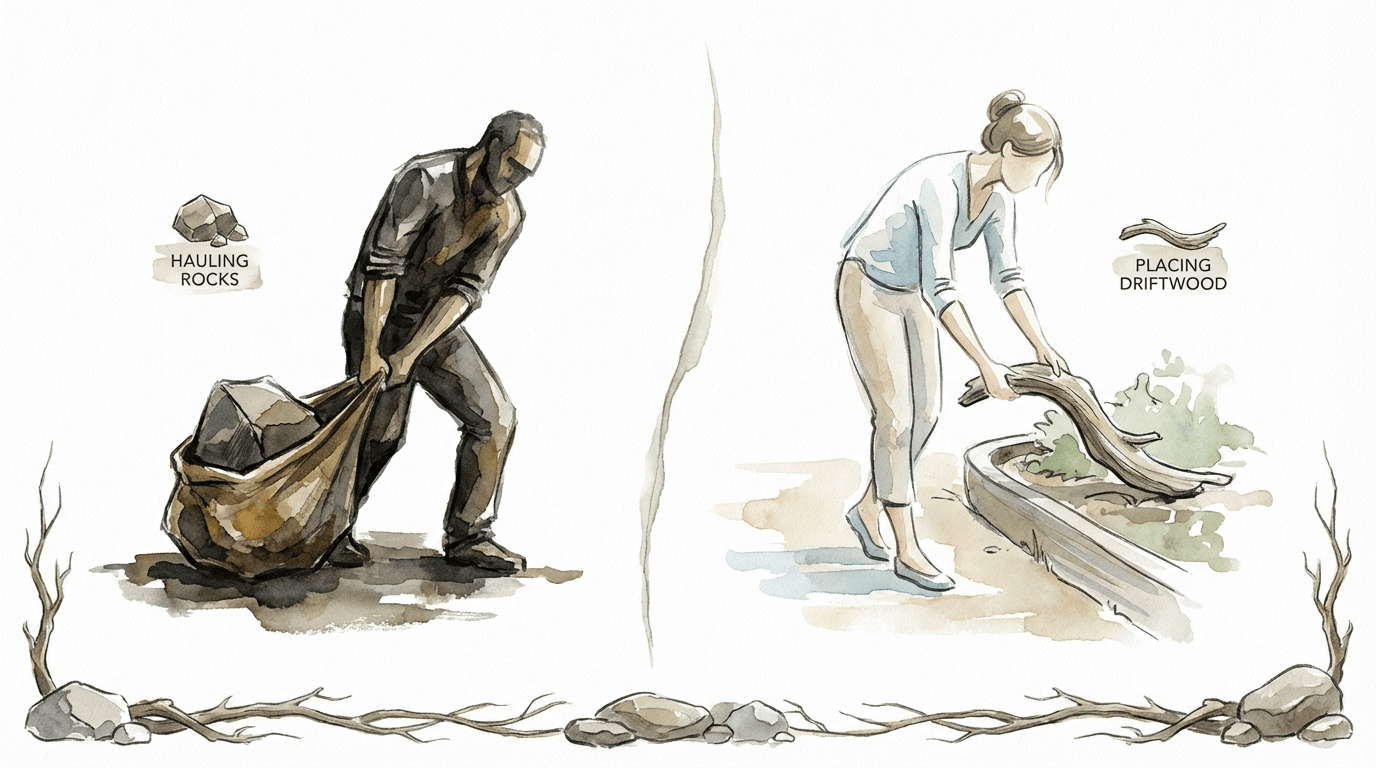
Hauling heavy flagstones or mixing bags of concrete requires a level of physical exertion that can sideline a gardener for days. In contrast, placing driftwood is a tactical exercise. You are searching for the right piece to fit a specific curve, using the wood’s natural architecture to hold back mulch or guide a foot-path. Because these pieces have already been weathered by salt, sun, and water, they possess a durability that store-bought lumber often lacks. They have already survived the worst nature can throw at them.
This guide explores the art and science of utilizing weathered wood as a functional border. You will learn how to source material ethically, prepare it for long-term ground contact, and design a landscape that looks as though it emerged from the earth rather than being imposed upon it. Whether you are aiming for a rugged coastal vibe or a quiet woodland retreat, driftwood provides the structural “grit” necessary to ground your garden design.
Driftwood Garden Edging Ideas
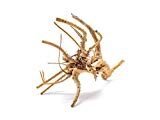
Driftwood garden edging is the practice of using water-weathered wood—sourced from beaches, riverbanks, or lakeshores—to create functional borders for garden beds, walkways, and terraces. Unlike standard pressure-treated 4x4s, driftwood pieces are irregular, sculptural, and imbued with a silvery patina that blends seamlessly with vegetation. It is a form of “found-object” landscaping that prioritizes the organic over the industrial.
In a real-world setting, driftwood edging serves as more than just a visual marker. It acts as a physical barrier to keep mulch from washing away during heavy rains and prevents aggressive turfgrass from creeping into your perennials. Because the wood is often twisted or bowed, it is particularly effective for creating winding paths that follow the natural topography of a yard. A single curved log can define a bend that would require dozens of individual bricks or stones to replicate.
Think of driftwood as the “skeleton” of the garden. While flowers provide the color and seasonal interest, the wood provides the year-round structure. It is used in coastal gardens to echo the shoreline, in xeriscapes to add texture among succulents, and in shade gardens to provide a host for moss and ferns. The versatility of the material lies in its age; it has already lost its bark and soft sapwood, leaving behind the dense, rot-resistant heartwood that can survive in contact with soil for years.
Designing with Driftwood Patterns
There are several ways to arrange these pieces depending on your goals. Some gardeners prefer the “weaving” method, where smaller, flexible branches are overlapped to create a low, wattle-like fence. Others look for “focal logs”—massive, gnarled pieces of cedar or redwood that can define an entire garden corner on their own. You can also use vertical “stump-edging,” where shorter pieces of driftwood are buried upright at varying heights to create a jagged, tooth-like border that is both modern and primitive.
How to Build a Driftwood Border
Building a driftwood border starts with a clear plan for your path or bed. You cannot force a piece of driftwood to be straight, so you must let the wood dictate the line. Start by laying your collected pieces along the intended edge to “dry-fit” the design. Look for natural joints where one log’s curve meets another’s taper. This creates a continuous flow that looks intentional rather than cluttered.
Once you have the layout, you need to prepare the ground. Dig a shallow trench about 2 to 3 inches deep along the path of the wood. This trench serves two purposes: it anchors the wood so it doesn’t shift when stepped on, and it creates a “lip” that prevents soil from sliding under the log. If you are working on a slope, you may need to drive wooden stakes or rebar behind the logs to keep them from rolling downward over time.
Preparation of the wood itself is a critical step that many beginners skip. Before the wood touches your soil, it should be cleaned. Use a stiff-bristled brush or an air compressor to remove loose sand, mud, and decaying organic matter. 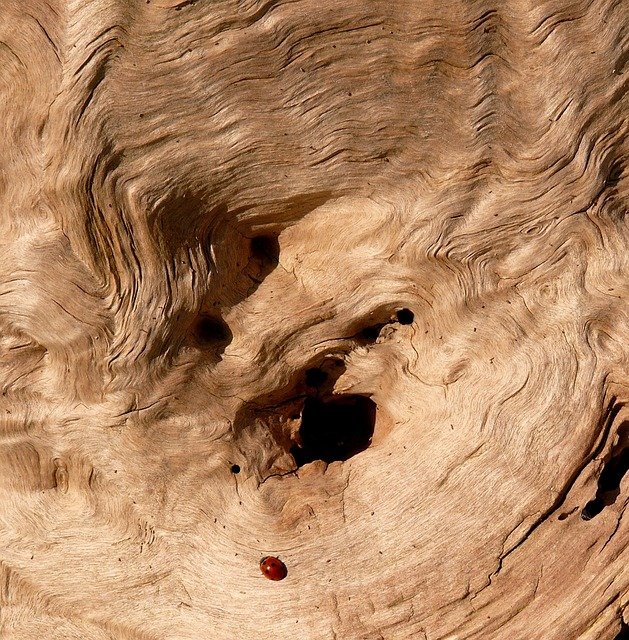 . If you are concerned about introducing pests like sand fleas or marine bacteria into your yard, a soak in a 1-part bleach to 9-parts water solution is highly effective. Let the wood dry completely in the sun for several days before installation. This “curing” process helps stabilize the wood and prevents immediate rot.
Anchoring and Stability
For larger logs, simple gravity might be enough to keep them in place. However, for thinner pieces or areas with high foot traffic, you must anchor them. You can drill pilot holes through the wood and drive galvanized spikes or long timber screws into the ground. Another effective method is to use “ballast” by placing heavy stones on the garden-side of the wood, hidden by mulch. This keeps the wood pinned against the trench wall without the need for visible hardware.
Benefits of Weathered Wood Edging
The primary advantage of driftwood is its weight-to-strength ratio. Moving a 6-foot driftwood log is a one-person job, whereas moving an equivalent amount of stone would require a wheelbarrow and a back brace. This makes it the ideal material for gardeners who like to experiment and change their layouts over time. If a bed needs to be expanded, you simply pick up the wood and move it. There is no mortar to chip away and no heavy lifting involved.
Cost is another significant factor. If you live near a legal collection site, driftwood is essentially free. Even if you purchase it from a specialty supplier, you are buying a material that is often salvaged and eco-friendly. Unlike pressure-treated lumber, which is saturated with chemical fungicides that can leach into the soil, natural driftwood is safe for use around edible crops and delicate pollinators. It is a “clean” material that fits the ethos of organic gardening.
From a design perspective, driftwood offers a “wabi-sabi” aesthetic—an appreciation for the beauty of things that are imperfect and transient. The silver-gray color of weathered wood provides a neutral backdrop that makes the greens and vibrant reds of your plants pop. It also provides a habitat for beneficial organisms. Toads and ground beetles often take up residence under the cool, damp underside of a driftwood log, providing natural pest control for your garden beds.
Challenges and Common Mistakes
The biggest mistake gardeners make is using “green” wood that they found in the woods rather than true driftwood. Wood that has fallen in a forest is often already in the early stages of decay and is filled with wood-boring insects like termites or carpenter ants. True driftwood has been “processed” by the water; the bark is gone, the soft outer layers have been scrubbed away, and the remaining wood is often dense and salt-cured. If the wood still has bark on it, it isn’t ready for your garden.
Another pitfall is failing to account for drainage. . 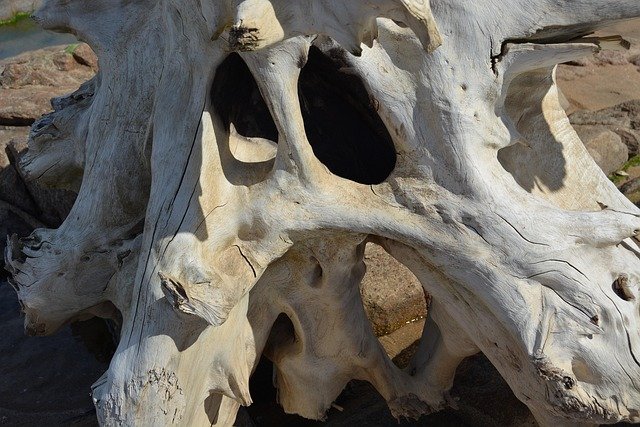 . If a driftwood log is placed in a low-lying area where water pools, it will rot much faster than if it were on a well-drained slope. Even rot-resistant species like cedar have limits. To extend the life of your edging, try to keep the wood slightly elevated or sitting on a thin bed of gravel within your trench. This keeps the wood from being constantly submerged in mud, which is the primary cause of premature failure.
Neglecting local laws is a legal challenge that can halt a project before it begins. In many regions, collecting driftwood from National Parks or protected coastal zones is strictly prohibited. These pieces of wood are vital to the ecosystem, providing nesting sites for birds and stabilizing sand dunes. Always check with the Bureau of Land Management (BLM) or local park authorities to ensure you have the proper permits or that the area is open for public collection.
Limitations and Environmental Constraints
Driftwood is not a permanent material. Depending on the species and your climate, a driftwood border will likely last between 5 and 15 years. This is a shorter lifespan than stone or brick, which can last for generations. If you are looking for a “set it and forget it” solution that will remain unchanged for forty years, driftwood is not the right choice. It is a material for the gardener who views the landscape as an evolving entity.
Environmental factors like extreme humidity or termites can also limit the effectiveness of wood edging. In the Deep South or tropical climates, wood decays much faster than in arid or temperate regions. If you live in a high-rot area, you will need to be more selective about the species you use. Look for “bogwood” or dense hardwoods like Black Locust or Osage Orange, which can withstand high moisture levels better than softer woods like Pine or Fir.
Finally, there is the limitation of scale. For very long, straight driveways or formal estates, the irregular nature of driftwood can look messy or unkempt. It is a material that excels in “wilder” landscapes—cottage gardens, coastal retreats, and woodland paths. If your home’s architecture is strictly modern and symmetrical, the chaotic lines of driftwood may clash with the overall design, unless used sparingly as a focal sculpture.
Comparison: Driftwood vs. Stone vs. Pressure-Treated Wood
Choosing the right edging material depends on your budget, physical ability, and aesthetic preference. The table below compares these common options based on practical factors for the home gardener.
| Feature | Driftwood | Stone/Rock | Pressure-Treated Lumber |
|---|---|---|---|
| Cost | Low (Free to Salvage) | High | Moderate |
| Installation Difficulty | Easy (Lightweight) | Very Hard (Heavy) | Moderate |
| Lifespan | 5–15 Years | 50+ Years | 15–20 Years |
| Chemical Leaching | None | None | High Potential |
| Aesthetic | Organic/Rustic | Formal/Natural | Industrial/Rigid |
Practical Tips and Best Practices
To ensure your driftwood edging lasts as long as possible, follow these “pioneer-grit” tips for maintenance and installation. Use these techniques to turn a pile of beach wood into a professional-grade landscape feature.
- Orientation Matters: Always place the flattest side of the log against the ground. This increases the contact surface area and makes the border more stable when you step on it.
- Natural Sealing: If you want to preserve the wood without chemicals, consider applying a coat of raw linseed oil or tung oil. These are non-toxic, food-safe oils that penetrate the wood and repel water while allowing the grain to show through.
- The Gravel Buffer: Lining your trench with a half-inch of pea gravel before laying the driftwood will drastically reduce rot. It allows water to drain away from the bottom of the wood, keeping it dry even after a heavy rain.
- Mix with Stone: Do not be afraid to mix materials. Tucking large river stones into the gaps between driftwood logs creates a “streambed” look that is incredibly effective at stopping soil erosion on slopes.
- Avoid the “Mulch Sandwich”: Never bury driftwood completely in mulch. Wood needs to breathe. If the log is surrounded by damp mulch on all sides, it will decay in half the time. Keep at least the top half of the log exposed to the air.
Advanced Considerations: Ecology and Aesthetics
Serious practitioners of natural landscaping look beyond the border and consider how the wood interacts with the broader ecosystem. Driftwood is a “micro-habitat.” If you leave the wood untreated, it will eventually host a variety of mosses and lichens. This isn’t a sign of failure; it is a sign of a healthy, living garden. These organisms help regulate moisture and contribute to the “aged” look of a mature landscape.
In terms of advanced design, consider the “Silvering” process. All wood, when exposed to UV light, will eventually turn a soft, weathered gray. You can accelerate this by using a vinegar and steel wool solution, but nature does it best. The silver tones of driftwood pair exceptionally well with plants that have blue or silver foliage, such as Festuca glauca (Blue Fescue) or Artemisia ‘Powis Castle’. This creates a monochromatic, calming effect that is highly prized in modern wabi-sabi garden design.
Structural integrity is also an advanced concern. On steep inclines, driftwood can be used to create “mini-terraces.” By pinning a series of logs horizontally across a slope and filling the uphill side with soil, you create flat planting pockets. This technique is often used in permaculture to capture “run-on” water and prevent nutrient loss. In these scenarios, the driftwood is acting as a bio-mechanical filter, slowing down water and allowing it to soak into the root zones of your plants.
Example Scenario: The Coastal Pathway Transformation
Imagine a property on a breezy coastal lot where the grass refuses to grow due to salt spray and sandy soil. The owner wants to create a defined path from the porch to the gate, but traditional brick edging looks out of place and is constantly shifting in the loose sand. Instead of fightings the sand, the gardener collects a dozen large, silvered cedar logs from a nearby legal river mouth.
The gardener digs a meandering trench, following the natural “S” curve of the property’s topography. By laying the logs in this curved trench and pinning them with 12-inch galvanized spikes, the path becomes a permanent fixture. To fill the path, they use local crushed shells rather than gravel. The white of the shells against the silver of the wood creates a high-contrast, low-maintenance walkway that requires zero watering.
To finish the look, the gardener tucks drought-tolerant Sedum and Rosmarinus officinalis (Rosemary) into the crevices where the logs meet. These plants thrive in the well-drained sand and provide a burst of green against the weathered wood. Within one season, the driftwood looks as if it has been there for decades, providing a sturdy, slip-resistant border that enhances the home’s value without the environmental cost of concrete.
Final Thoughts
Driftwood garden edging is a testament to the power of working with nature rather than against it. It is a reminder that some of the most durable and beautiful materials are not found in a warehouse, but are delivered by the tides and the seasons. By choosing to use weathered wood, you are opting for a landscape that is lightweight, cost-effective, and ecologically responsible. You are building a garden that respects the history of the materials it uses.
The transition from hauling heavy rocks to placing organic wood is more than a labor-saving tactic; it is a shift in perspective. It allows you to embrace the imperfections of the natural world and see the potential in a gnarled root or a sun-bleached branch. This approach requires more “eye” and less “muscle,” inviting you to slow down and consider the architecture of every piece you place. It is a rewarding way to garden that yields a landscape filled with character and grit.
Start small by defining a single flower bed or a short path near your entrance. Experiment with different species and anchoring techniques to see what works best in your specific soil and climate. Over time, you will find that driftwood doesn’t just edge your garden; it defines the very spirit of your outdoor space. Whether you are a beginner or a seasoned practitioner, the curve of a well-placed log is a gift from nature that is worth accepting.
Sources
1 hometalk.com (https://www.hometalk.com/diy/decorate/rooms/q-how-to-hang-a-large-heavy-driftwood-piece-42096700) | 2 youtube.com (https://www.youtube.com/watch?v=ue_xIRsYPYU) | 3 malverngardenbuildings.co.uk (https://www.malverngardenbuildings.co.uk/blog/bring-the-japanese-art-of-imperfection-into-your-garden/) | 4 konzeptgarden.com (https://konzeptgarden.com/blogs/news/japanese-garden-design-principles) | 5 pithandvigor.com (https://pithandvigor.com/2024/08/driftwood-in-landscape-6-great-garden-uses/) | 6 diydriftwood.com (https://diydriftwood.com/where-to-get-driftwood/) | 7 wikihow.com (https://www.wikihow.com/Preserve-Driftwood) | 8 backyardboss.net (https://vertexaisearch.cloud.google.com/grounding-api-redirect/AUZIYQEdAzN2BJO4ohvLnR_eydvp8Swj_6ZYh5lJHWaJKadyNIU4BJyzye9p3JXwebQJaeYeUJaW2lnwDOeVSqAEYZWYYJWiISS5WmiQZwPPyfKyxfsFgtatgIRBaBVfDD18wbbdywugTfj8QwqTpcvFaupzYMY0-qdusKl6NP7iQ8-tN1ZifwczmK-wDGwQh28=) | 9 gardeninggonewild.com (https://gardeninggonewild.com/companion-plants-for-succulents/) | 10 n3nano.com (https://n3nano.com/blogs/n3-nano-finishing-blog/wood-preservation-techniques)