Your ‘clean’ lawn is a biological desert; here is how the ocean can bring it back to life. Introducing complex driftwood structures back into coastal properties creates essential micro-habitats for pollinators and beneficial predators. We’ve traded biological diversity for ‘neatness.’ Watch how a pile of ‘debris’ transforms a sterile lawn into a thriving wild ecosystem in just one season.
Coastal landscapes often suffer from a peculiar vanity. Homeowners spend thousands of dollars on irrigation and synthetic fertilizers to maintain a monoculture of turf grass that the salt spray actively tries to kill. This relentless pursuit of a green carpet results in a landscape that offers nothing to the local fauna. Every square inch of manicured lawn represents lost ground for the specialized insects that have evolved alongside the sea for millennia.
Restoring this balance does not require a complete abandonment of aesthetics. It requires a shift in perspective toward what constitutes a healthy environment. Driftwood is not merely waste cast up by the tide; it is the structural backbone of a functioning coastal ecosystem. Bringing these salt-weathered timbers into your garden provides the shelter, nesting sites, and thermal stability that local pollinators need to survive the harsh maritime climate.
Driftwood Habitat For Coastal Pollinators
Driftwood habitats are intentional arrangements of salt-cured wood sourced from shorelines to support native insect populations. These structures mimic the natural accumulation of wood along the strandline, where terrestrial and marine worlds collide. In the wild, large logs and smaller fragments act as “apartment buildings” for a variety of rare and beneficial invertebrates that cannot exist in a standard garden setting.
Species such as the Strandline Beetle (Eurynebria complanata) and the Scaly Cricket (Psuedomogoplistes vicentae) rely entirely on these woody shelters to survive. They use the wood as a refuge from the sun’s drying rays and as a shield against predators. These insects are part of a delicate food web, providing sustenance for shorebirds and managing the decomposition of organic matter that washes ashore.
Inland gardens often focus on “bug hotels” made of store-bought bamboo, but coastal properties require something more rugged. Driftwood has been scoured by sand, soaked in brine, and baked by the sun. This unique curing process makes the wood incredibly durable and creates a specific chemical profile that attracts specialized coastal pollinators. These insects are adapted to the high-salinity environment and find the nooks and crannies of weathered wood to be the perfect nursery for their larvae.
How the Coastal Habitat Functions
Understanding the mechanics of a driftwood habitat requires a look at the micro-climates created within a single log. The exterior of a piece of driftwood is often bleached white and bone-dry, reflecting heat and protecting the core. Beneath that surface, the wood retains significant moisture, even in arid beach conditions. This internal dampness is vital for the survival of larvae and the growth of beneficial fungi.
The Role of Thermal Mass
Wood acts as a thermal battery. It absorbs the sun’s energy during the day and slowly releases it at night. This heat retention is crucial for cold-blooded insects like solitary bees, which need a specific body temperature to begin foraging in the early morning. Placing driftwood in sunny, southeast-facing positions allows these pollinators to “warm up” earlier than they would in a flat, shaded lawn.
The Nutrient Cycle
Driftwood introduces organic nutrients into sandy, nutrient-poor coastal soils. As the wood slowly breaks down over years, it releases carbon and minerals back into the earth. This process supports the growth of native plants like Beach Pea (Lathyrus japonicus) and Sea Ryegrass, which in turn provide the nectar and pollen needed by the adult insects living in the wood.
Creating the Habitat: A Step-by-Step Guide
Building a functional driftwood habitat is an exercise in “pioneer grit.” It is about structural integrity and biological utility rather than decorative fluff. Following these steps ensures your habitat serves its purpose for years.
Selecting the Right Wood
Quality is more important than quantity. Look for heavy, dense logs that show signs of natural boring or deep cracks. 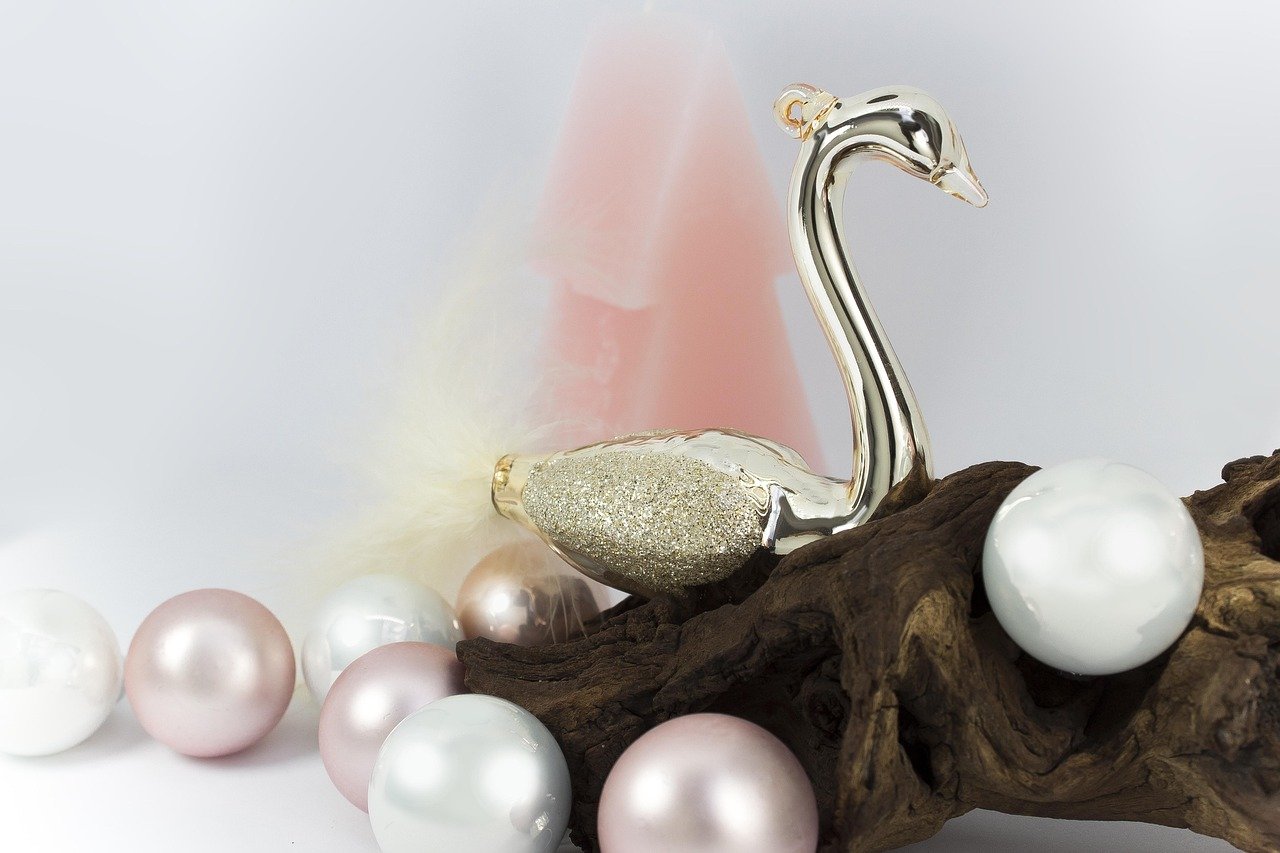 . These features provide immediate entry points for insects. Avoid wood that is crumbling or completely soft, as it will rot too quickly in a garden setting. Focus on hardwoods that have been tumbled by the sea; they possess a structural longevity that pine or softer woods lack.
Positioning and Stacking
Stability is the primary concern. Embed the base of your largest logs several inches into the soil to prevent them from shifting in high winds. Stacking smaller branches around the base creates a “brush pile” effect that offers different levels of shelter. A variety of heights and densities ensures that both ground-nesting and cavity-nesting insects find a home.
Drilling for Solitary Bees
Natural cracks are great, but manual intervention speeds up the colonization process. Use a drill to create deep tunnels in the sun-facing side of the wood.
- Mason Bees: Drill holes 5/16 of an inch in diameter and at least 6 inches deep.
- Leafcutter Bees: Use a 1/4 inch bit for smaller holes about 3 to 5 inches deep.
- Small Solitary Bees: Variety is key; include holes ranging from 3/32 to 3/8 of an inch.
Smoothing the entrance of these holes with sandpaper is a vital step. Rough edges or splinters can tear the delicate wings of a bee as it enters or exits the tunnel.
Benefits of a Coastal Driftwood Habitat
Choosing this approach over a standard lawn provides measurable advantages for both the homeowner and the environment. It is a low-maintenance solution that yields high-impact results.
Erosion Control and Soil Stability
Driftwood helps hold sandy soil in place. Just as it stabilizes dunes on the beach, it acts as a windbreak in the garden, preventing the light coastal topsoil from blowing away. The roots of native plants that grow around the wood further anchor the ground, creating a resilient landscape that can withstand coastal storms.
Natural Pest Management
Introducing wood structures attracts more than just bees. Predatory insects like Ground Beetles and Soldier Beetles move into the cool, damp areas under the logs. These “beneficial predators” spend their nights hunting the slugs, snails, and aphids that typically plague coastal gardens. This creates a self-regulating system that eliminates the need for toxic pesticides.
Water Conservation
Lawns are notorious water-wasters. Driftwood acts as a natural mulch, shading the ground and reducing evaporation. Once established, a driftwood-based garden with native plantings requires almost no supplemental irrigation, as the system is designed to capture and hold every drop of dew and rain.
Challenges and Common Mistakes
Building a wild habitat in a residential area comes with its own set of hurdles. Avoiding these common pitfalls will save you time and frustration.
The “Too Tidy” Trap
Homeowners often feel the urge to clean out the leaves and debris that collect around the driftwood. This is a mistake. Leaf litter and small twigs provide essential cover for ground-nesting bees and beetles. Removing this material strips the habitat of its protective layers. Embrace the “messiness” of a functioning ecosystem.
Using Treated Lumber
Never mix pressure-treated or painted wood with natural driftwood. The chemicals used to prevent rot in construction lumber are often toxic to the very insects you are trying to attract. If a log looks like it was once part of a dock or a palette, leave it be. Stick to raw, ocean-scoured timber.
Improper Hole Depth
Drilling shallow holes is a frequent error. If a nesting tunnel is too short, the bee may only lay male eggs, as the female eggs are typically placed deeper for protection. Ensuring a depth of at least 6 inches for larger bees maintains a healthy gender balance in the population.
Limitations of the Method
This approach is powerful, but it is not a universal fix. Certain environmental and legal constraints must be respected.
Legal Restrictions on Collection
Collecting driftwood is not legal in all areas. Many state and provincial parks prohibit the removal of wood because it is vital for their own shoreline stabilization. Always check local regulations before gathering materials. Sourcing wood from private land or purchasing it from sustainable suppliers is often the best path forward.
High-Wind Exposure
In extremely exposed beachfront properties, driftwood can become a projectile during a hurricane or nor’easter. 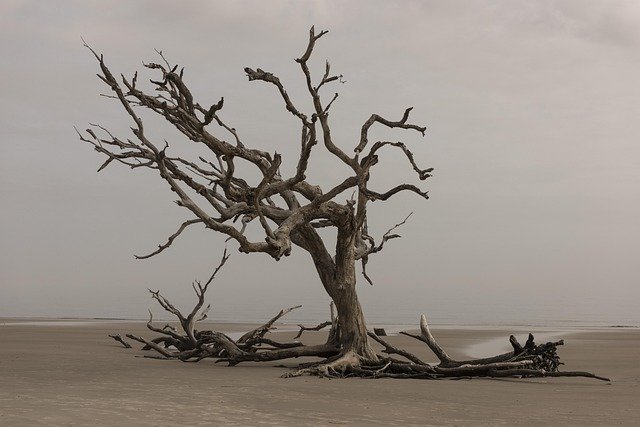 . If you live in a high-risk zone, you must anchor your logs deep into the substrate or use steel cables to secure larger pieces to the ground. Safety should always take precedence over habitat design.
HOA Aesthetics
Many homeowners’ associations have strict rules regarding “debris” on lawns. A pile of driftwood might be flagged as a violation. In these cases, integrating the wood into a more formal garden design—such as using it as a border for a flower bed—can satisfy the “neatness” requirement while still providing ecological value.
Comparison: Sterile Lawn vs. Wild Driftwood Habitat
Understanding the trade-offs between traditional landscaping and habitat restoration helps in making informed decisions.
| Factor | Sterile Lawn (Turf) | Wild Driftwood Habitat |
|---|---|---|
| Maintenance Level | High (Weekly mowing) | Low (Annual check) |
| Water Requirement | Extremely High | Minimal to None |
| Biodiversity Support | Near Zero | Exceptional |
| Chemical Input | High (Fertilizers/Pesticides) | Zero |
| Erosion Resilience | Poor (Shallow roots) | Excellent (Structural) |
Practical Tips for Success
Applying these best practices will maximize the “pollinator power” of your new landscape.
- Plant Food Nearby: A home is useless without a kitchen. Surround your driftwood with native flowering plants like Yarrow, Bee Balm, and Goldenrod to provide a steady supply of nectar.
- Include Water Sources: A shallow dish filled with pebbles and water allows bees to drink without drowning.
 . Place this near the driftwood.
 - Avoid Burning: Driftwood that has spent years in the ocean is saturated with salt. Burning it releases dioxins and other carcinogens into the air. Keep it in the garden where it belongs.
- Leave Bare Ground: Not all bees live in wood. Some 70% of solitary bees nest in the soil. Leave small patches of sandy earth unmulched near your driftwood for these species.
Advanced Considerations: The Micro-Biome
Serious practitioners should look beyond the insects and consider the fungal and microbial life that driftwood supports. As wood ages, it becomes a host for specialized fungi that can form symbiotic relationships with the roots of your garden plants. These mycorrhizal networks help plants absorb nutrients in the harsh, sandy soil of the coast.
Inoculating your driftwood with native mushroom spores can accelerate the decomposition process and increase the moisture-holding capacity of the wood. This creates an even more stable environment for the insects. Monitoring the “decay stages” of your wood allows you to see the succession of species. Some bees prefer fresh, hard wood, while others will only move in once the wood has reached a “punky” or softened state.
Examples of Transformation
Consider a typical 2,000-square-foot coastal front yard that was previously 100% Kentucky Bluegrass. By removing a 10×10 foot section of turf and replacing it with three large cedar driftwood logs and a cluster of native perennials, the homeowner creates a “pollinator island.”
Within the first three months, Mason bees will typically begin investigating the drilled holes. By the end of the first season, the ground beneath the logs will show signs of activity from predatory beetles. The “pioneer” gardener will notice that the surrounding plants are more robust and produce more flowers due to the increased localized pollination. This small intervention proves that you don’t need an acre of land to make a significant ecological impact.
Final Thoughts
Trading a sterile lawn for a wild driftwood habitat is an act of restoration and stewardship. It acknowledges that our coastal properties are not separate from the ocean, but a continuation of its vast and complex ecosystem. By providing the structural diversity that nature intended, we can turn our “biological deserts” back into thriving sanctuaries.
The beauty of a driftwood garden lies in its ruggedness and its ability to change over time. It is a living sculpture that pays dividends in the form of humming wings and healthy soil. Every log moved into place is a stand against the “neatness” that has decimated our local wildlife.
Experiment with your landscape. Start small if you must, but start with the intent of a pioneer. Build something that lasts, something that serves a purpose, and watch as the ocean’s gifts bring your garden back to life. Encouraging these systems today ensures that the coastal pollinators of tomorrow have a place to call home.
Sources
1 wa.gov (https://wsdot.wa.gov/publications/fulltext/Roadside/CreationofPollinatorHabitat.pdf) | 2 doc.govt.nz (https://dxcprod.doc.govt.nz/globalassets/documents/science-and-technical/casn165.pdf) | 3 ontarioparks.ca (https://blog.ontarioparks.ca/why-driftwood-matters/) | 4 tnnursery.net (https://www.tnnursery.net/blogs/garden-blog/driftwood-has-many-uses) | 5 buglife.org.uk (https://www.buglife.org.uk/blog/driftwood-the-real-treasure-lining-our-beaches/) | 6 ufl.edu (https://blogs.ifas.ufl.edu/escambiaco/2018/03/01/solitary-bees-landscapes/) | 7 driftwoodgardenclub.org (https://driftwoodgardenclub.org/2026/02/16/landscape-ecology-and-culture/) | 8 ontarioparks.ca (https://blog.ontarioparks.ca/driftwood-shaping-shorelines/) | 9 ufl.edu (https://gardeningsolutions.ifas.ufl.edu/design/gardening-with-wildlife/designing-a-habitat-garden/) | 10 naturehills.com (https://naturehills.com/blogs/garden-blog/top-beneficial-insects-for-your-garden) | 11 monrovia.com (https://www.monrovia.com/be-inspired/beneficial-insects-for-a-healthy-garden.html) | 12 borderfreebees.com (https://borderfreebees.com/wp-content/uploads/2019/04/Bee-Hotel-Specs-final.pdf) | 13 gardenforwildlife.com (https://content.gardenforwildlife.com/learn/native-plants-vs-lawns-a-greener-choice-for-your-yard) | 14 101highlandlakes.com (https://101highlandlakes.com/building-native-bee-houses/) | 15 missouribotanicalgarden.org (https://www.missouribotanicalgarden.org/gardens-gardening/your-garden/help-for-the-home-gardener/advice-tips-resources/insects-pests-and-problems/other/beneficial-insects) | 16 instructables.com (https://www.instructables.com/Mason-Bee-House/) | 17 baylandscaping.net (https://baylandscaping.net/natural-landscaping) | 18 ucanr.edu (https://ucanr.edu/site/uc-master-gardeners-san-luis-obispo-county/native-solitary-bees) | 19 gaspepurplaisir.ca (https://gaspepurplaisir.ca/en/driftwood-a-valuable-ally-against-shoreline-erosion/) | 20 abnativeplants.com (https://abnativeplants.com/blogs/posts/how-to-create-a-wildlife-habitat) | 21 rutgers.edu (https://ocean.njaes.rutgers.edu/wp-content/uploads/2025/03/6-FS295-Benificial-Insects-Rutgers-SD-2023.pdf) | 22 nih.gov (https://pmc.ncbi.nlm.nih.gov/articles/PMC11323780/) | 23 arizona.edu (https://extension.arizona.edu/sites/extension.arizona.edu/files/barnesm/SolitaryBees.pdf) | 24 psu.edu (https://extension.psu.edu/programs/master-gardener/counties/clinton/news/solitary-bees)