Driftwood Hanging Planter
Imagine adding a touch of natural elegance to your living space with a piece of décor that’s as unique as you are. In “Driftwood Hanging Planter,” you’ll discover how to create a stunning hanging planter using pieces of driftwood. This guide will walk you through selecting the perfect driftwood, assembling your planter, and incorporating it seamlessly into your home. With just a few simple steps and a bit of creativity, you’ll have a striking, eco-friendly piece that brings both beauty and tranquility to any room. Have you ever wondered how to bring a touch of coastal beauty and rustic charm into your living space? Look no further because creating a driftwood hanging planter is a wonderful way to achieve that. This project is not only simple and fun but also adds a stunning centerpiece to any room or outdoor area.


What is a Driftwood Hanging Planter?
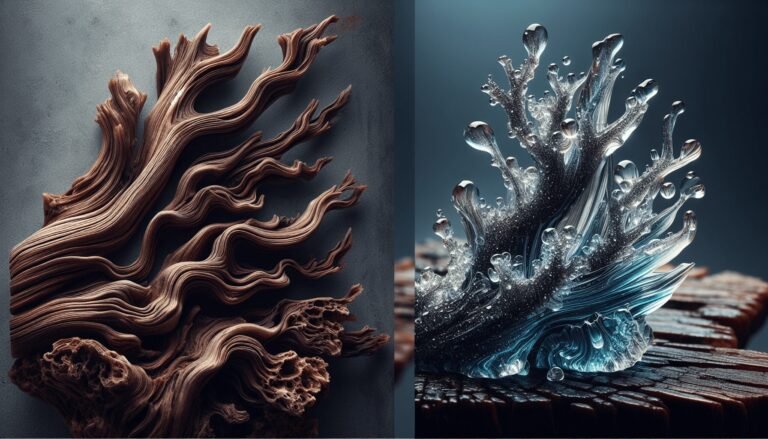
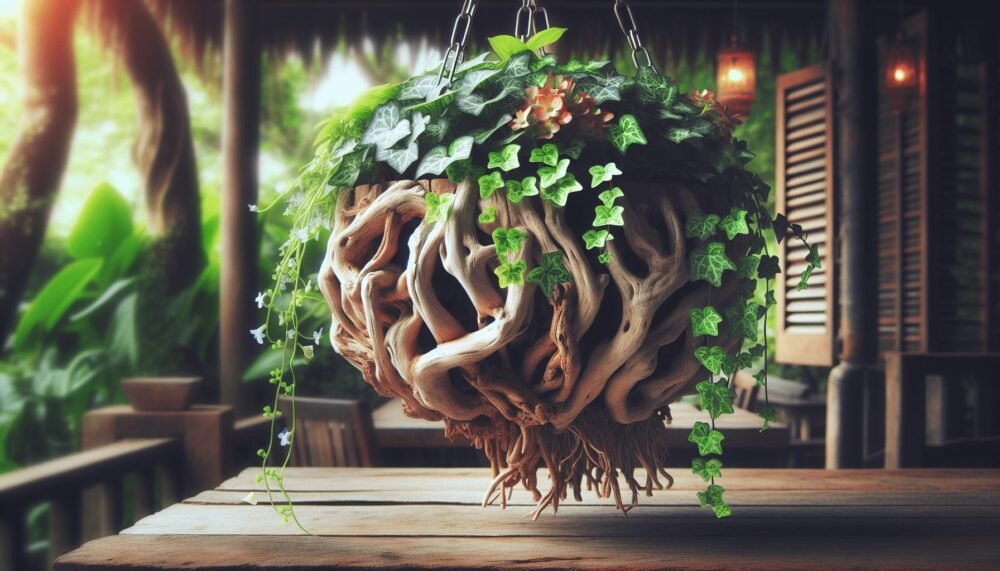
A driftwood hanging planter is a unique and artistic way to showcase your favorite plants by combining the natural beauty of driftwood with the greenery of plants. Driftwood, which is often found along beaches, has a weathered, rustic appearance that brings a coastal feel to any decor. When paired with plants, it creates a striking and sustainable display.
Benefits of a Driftwood Hanging Planter
Creating a driftwood hanging planter isn’t just about aesthetics; it also has several practical benefits:
- Eco-Friendly: Repurposing driftwood supports recycling and reduces waste.
- Customizable: You can design it to fit any space or style.
- Natural Appeal: Driftwood’s natural textures and colors add an organic feel.
- Space-Saving: Hanging planters free up surface space in your home or garden.
Materials Needed for Your Driftwood Hanging Planter
Before you start, gather all the materials you’ll need. Here’s a handy table to help you prepare:
| Material | Description |
|---|---|
| Driftwood | Choose pieces that are sturdy and appealing to your taste. |
| Hanging hardware | Hooks, nails, or screws suitable for your installation location. |
| Twine or rope | Strong enough to hold the weight of your planter. |
| Plant pots or holders | Lightweight and the right size for your driftwood piece. |
| Potting soil | Suitable for the plants you choose to grow. |
| Plants | Choose plants that thrive in your indoor or outdoor environment. |
Selecting Driftwood
When selecting driftwood, look for pieces that have interesting shapes and sturdy structures. Driftwood can be found along beaches, riverbanks, or even purchased from craft stores. Ensure that the wood is thoroughly dry and free from pests or mold.
Choosing Plants
Choose plants that match the conditions of your arrangement’s location. For instance, succulents or air plants are excellent choices for indoor settings due to their low maintenance needs. For outdoor planters, consider hardy plants like ferns or ivy.
Step-by-Step Guide to Crafting Your Driftwood Hanging Planter
Now that you have all your materials, let’s walk through the process of creating your driftwood hanging planter.
Step 1: Cleaning and Preparing Driftwood
Before you start, make sure your driftwood is clean. Here’s how:
- Rinse: Wash the driftwood with fresh water to remove salts, sand, and debris.
- Scrub: Use a brush to scrub off any remaining dirt or algae.
- Disinfect: If you suspect pests, soak the driftwood in a solution of one part bleach to nine parts water for a few hours, then rinse thoroughly.
- Dry: Allow the driftwood to air dry completely, which can take several days.
Step 2: Planning Your Design
Lay out all your materials and start planning your design. Consider the following:
- Balance: Ensure that the driftwood and plants balance aesthetically and physically.
- Accessibility: Plan for watering and care access.
- Stability: Make sure the final arrangement will be secure.
Step 3: Attaching the Plant Holders
- Placement: Position your plant pots or holders on the driftwood where they look best.
- Secure: Attach the holders to the driftwood using screws, nails, or strong adhesive. Make sure they are secure enough to hold the weight of the plants and soil.
- Test: Before adding soil, test the stability by gently tugging on the holders.
Step 4: Adding the Plants
- Prepare Soil: Fill your plant pots or holders with potting soil.
- Planting: Transfer your plants into the pots. Press soil firmly around the plant bases to secure them.
- Watering: Water the plants thoroughly after planting.
Step 5: Attaching Hanging Hardware
- Hooks: Attach hooks to the top ends of the driftwood.
- Rope or Twine: Tie the rope or twine securely to the hooks.
- Measure: Measure and adjust the length of the rope to ensure the planter hangs at the desired height.
- Secure Installation: Install hooks or screws in the ceiling or wall where you want to hang the planter.
Step 6: Hanging the Planter
- Final Check: Double-check the security of all attachments.
- Hang: Carefully hang the planter in your chosen location.
- Adjust: Make any final adjustments to ensure it hangs level and securely.
Care and Maintenance of Your Driftwood Hanging Planter
Keeping your driftwood hanging planter looking its best requires a bit of care. Here are some maintenance tips:
Watering
- Indoor Plants: Water according to the needs of your specific plants. Most indoor plants require less frequent watering.
- Outdoor Plants: Outdoor plants might need more regular watering, especially in hot weather.
Cleaning
- Dusting: Regularly dust the driftwood and plant leaves to keep them looking fresh.
- Pest Control: Check periodically for pests and take action as needed.
Plant Care
- Pruning: Trim dead or yellowing leaves to promote healthy growth.
- Fertilization: Occasionally fertilize your plants according to their specific needs.
Enhancing Your Home Decor with Driftwood Hanging Planters
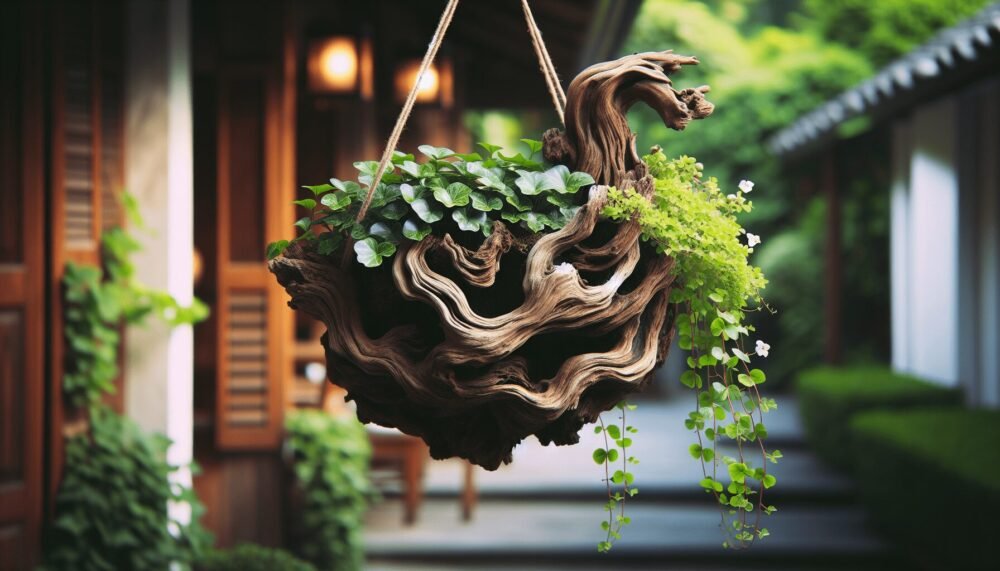
Driftwood hanging planters aren’t just functional; they’re also a beautiful addition to your home decor. Here’s how to enhance your space with them:
Creating a Coastal Theme
If you love the beach, decorate around your driftwood hanging planter to create a cohesive coastal theme. Use shells, light blues, and sandy colors to complement the natural look of the driftwood.
Combining with Other Natural Elements
Combine your planter with other natural elements like stones, crystals, or other types of wood. This creates a harmonious and serene environment.
Indoor and Outdoor Placements
Indoor Placement Ideas
- Living Room: Place it in a well-lit corner to serve as a focal point.
- Kitchen: Use herbs in your planters for a practical and decorative touch.
- Bathroom: Add a small succulent planter for a fresh, spa-like feel.
Outdoor Placement Ideas
- Porch or Patio: Hang multiple planters at varying heights for a lush, garden feel.
- Garden Area: Use the planters to create vertical interest in your garden.
Inspiration for Different Styles of Driftwood Hanging Planters
Not sure where to start with your design? Here are some inspiring styles to consider:
Minimalist
A minimalist driftwood hanging planter features clean lines and simple plants like succulents or air plants. The focus is on the natural beauty of the driftwood and the understated elegance of the plants.
Bohemian
For a bohemian style, opt for colorful plants and intricate macramé hangers. You can also add beads or feathers to the design for an eclectic and free-spirited look.
Rustic
A rustic driftwood hanging planter pairs well with hardy plants and rugged twine. Use metal pots or reclaimed containers to enhance the rustic charm.
Modern
If you prefer a modern look, choose sleek pots and monochromatic plants. Use polished driftwood pieces and metal hardware for a contemporary twist.
Troubleshooting Common Issues
Even with the best intentions, you might encounter some challenges. Here’s how to overcome common issues:
Driftwood Stability
If your driftwood piece is unstable, consider reinforcing it with additional hooks or screws. Make sure all attachments are secure.
Plant Health
Yellowing leaves or drooping plants may indicate improper watering or insufficient light. Adjust your care routine accordingly.
Hanging Issues
If the planter tilts or doesn’t hang straight, adjust the lengths of the ropes or reposition the hanging hardware.
Frequently Asked Questions
To help you even further, here are answers to some frequently asked questions about driftwood hanging planters.
Can I use any type of wood?
While driftwood is ideal due to its natural beauty and weathered look, you can use other types of wood. Ensure that it’s treated and safe for indoor use to avoid mold and pests.
How do I know if my driftwood is dry enough?
Dry driftwood is lighter in color and weight. It should not feel damp to the touch. Air drying is the best method, but if you’re in a hurry, you can bake it in a low-temperature oven to speed up the process.
What if I have no access to natural driftwood?
If you can’t find natural driftwood, many craft stores sell it. Alternatively, you can use any weathered wood piece that appeals to you.
Can I hang the planter outside in any weather?
Consider the durability of both the driftwood and plants when deciding on outdoor placement. Some driftwood pieces and plants handle weather variations better than others.
Why Make a Driftwood Hanging Planter?
Aside from being a beautiful decorative piece, creating a driftwood hanging planter is a rewarding project that allows you to connect with nature and express your creativity. It’s a perfect weekend project that can involve friends and family, making it not just a decorative addition but also a memorable crafting experience.
Personal Satisfaction
There’s immense satisfaction in crafting something beautiful and functional with your own hands. Watching your plants grow and thrive in their unique setting adds another layer of reward.
Eco-Friendly Decor
By using driftwood and plants, you contribute to sustainable and eco-friendly decor choices. It reflects a commitment to recycling and living in harmony with nature.
Conversation Starter
Such a unique piece is bound to attract attention and admiration, making it a great conversation starter when you have guests.
Final Thoughts
A driftwood hanging planter is more than just a planter; it’s a testament to nature’s beauty and your creativity. It combines the rugged charm of driftwood with the vibrant life of plants, creating a unique decorative piece that resonates with natural elegance. Not only will you enjoy the process of making it, but you’ll also take pride in the distinctive, living art piece you’ve created.
So grab your materials, unleash your creativity, and bring a piece of coastal charm into your home with a driftwood hanging planter. Happy crafting!