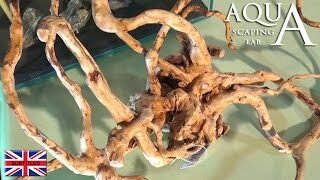
Driftwood In The Garden
Have you ever stumbled upon a beautiful piece of driftwood during a beach stroll and wondered how to incorporate it into your garden? Driftwood’s natural, weathered beauty makes it a perfect addition to your garden, adding a touch of coastal charm and a sense of rugged elegance.
[affiai]By the end of this article, you’ll have plenty of ideas about using driftwood in your garden to create a unique and inviting outdoor space. Discussing everything from sourcing driftwood to specific project ideas and maintenance tips, you’ll find all the information you need to enhance your garden with this wonderful natural material.
Understanding Driftwood
What is Driftwood?
Driftwood is wood that has been washed up onto the shore by rivers, lakes, or oceans. Its characteristic look comes from the natural processes of being weathered and smoothed by water and sand over time. This makes each piece of driftwood unique in shape, texture, and color, perfect for artistic uses.
Types of Driftwood
Driftwood can originate from various trees, each type possessing its own distinct qualities. Here are a few common types:
| Type of Driftwood | Description |
|---|---|
| Pine | Lightweight and often pale in color, pine tends to have a more textured surface due to its softer nature. |
| Cedar | Known for its distinctive aroma, cedar driftwood is durable and has a reddish hue. |
| Oak | Heavier and harder, oak driftwood is usually darker and more rugged, perfect for creating sturdy garden features. |
| Mangrove | Often twisted and intricate, mangrove driftwood can add an exotic flair to your garden. |
Sourcing Driftwood
Where to Find Driftwood
Sourcing driftwood largely depends on your location. Here are a few tips:
- Beaches: Coastal beaches are prime spots for driftwood. Look for places where rivers meet the sea for a higher chance of finding pieces.
- Riverbanks: Rivers often carry wood downstream, making riverbanks another excellent place to source driftwood.
- Lakeshores: Inland areas with natural lakes can also provide a variety of driftwood.
- Specialty Stores: Some garden centers and craft stores sell driftwood if you’re unable to find any naturally.
Legal and Environmental Considerations
It’s important to check local regulations before collecting driftwood, as some areas may have restrictions to protect ecosystems. Always collect responsibly by only taking what you need and avoiding habitat disruption.
Preparing Driftwood for Your Garden
Cleaning Driftwood
Before using driftwood in your garden, ensure it’s clean and free from harmful organisms.
- Rinse and Scrub: Use freshwater to rinse and scrub the driftwood with a brush to remove sand, dirt, and any organisms.
- Soak: Submerge the wood in water for a few days, changing the water frequently to ensure deep cleaning.
- Dry: Let the driftwood dry completely in the sun to further rid it of any remaining moisture or harmful organisms.
Treating Driftwood
If you plan to use driftwood in garden beds or areas exposed to moisture, consider treating it to prolong its lifespan:
- Sealers: Apply a wood sealer to help protect against moisture and insects.
- Natural Oils: Use oils like linseed or tung oil to enhance the wood’s natural beauty while providing some protection.

Incorporating Driftwood in Your Garden
Garden Borders and Edging
Using driftwood as garden borders or edging adds a rustic feel to your flower beds or pathways. Driftwood pieces can be arranged parallel to the ground or stood upright for a more dramatic effect.
Driftwood Planters
Create unique planters by hollowing out larger pieces of driftwood or using smaller pieces to construct planter boxes. Combine driftwood with succulents or mosses for a natural, cohesive look.
Driftwood Sculptures and Focal Points
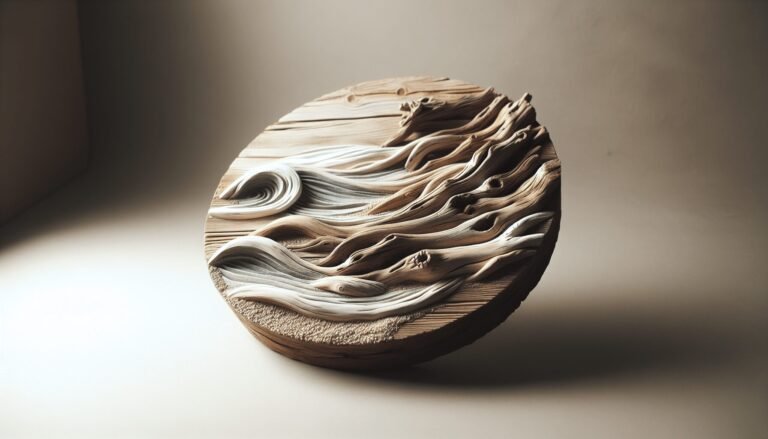
Driftwood’s natural shapes and textures make it ideal for garden sculptures. Arrange a few striking pieces to serve as focal points. Combine them with stones or plants to create a mini landscape within your garden.
Driftwood Furniture
If you’re craft-savvy, consider crafting garden furniture from driftwood. Chairs, benches, and tables made from driftwood add both functionality and charm. Ensure the pieces are securely fastened and weather-treated for outdoor use.
Driftwood Trellises and Arches
Use driftwood to build trellises or arches for climbing plants. These structures not only provide support for your plants but also add architectural interest to your garden.
Decorative Driftwood Features
Smaller pieces of driftwood can be used in various decorative ways, such as:
- Garden Markers: Write plant names on driftwood pieces and place them as markers.
- Wind Chimes: Create wind chimes by hanging driftwood pieces with strings or wires.
- Pathway Designs: Incorporate flat driftwood pieces into garden pathways as stepping stones or design elements.
Seasonal Considerations
Winter Care
In colder climates, driftwood may need extra care during winter months:
- Move Indoors: If possible, bring smaller driftwood pieces indoors to prevent them from splitting or decaying.
- Cover: Use protective covers for larger driftwood structures to shield them from snow and ice.
Summer Care
In hotter climates, driftwood may dry out and crack:
- Shade: Place driftwood in shaded areas to protect against direct sun exposure.
- Hydrate: Occasionally spray driftwood with water to maintain some moisture, preventing excessive drying.
Maintenance Tips
Regular Cleaning
Dust and debris can accumulate on driftwood over time. Regularly rinse and scrub driftwood pieces to keep them looking their best.
Inspections
Check your driftwood periodically for signs of decay, insect infestation, or damage. Address any issues promptly by treating or replacing affected pieces.

Enhancing Driftwood with Plants
Choosing the Right Plants
Some plants naturally complement driftwood. Consider these options:
| Plant Type | Description |
|---|---|
| Succulents | Hardy and low-maintenance, succulents blend seamlessly with the rustic look of driftwood. |
| Mosses | Moss adds a soft, green texture that can thrive on and around driftwood. |
| Climbing Plants | These plants benefit from driftwood structures like trellises and arches. |
| Coastal Plants | Beach grasses, sea holly, and other coastal plants complement the maritime feel of driftwood. |
Arranging Plants with Driftwood
Be creative in arranging plants around driftwood. You might:
- Place succulents in small driftwood cavities.
- Allow climbing plants to wind through driftwood sculptures.
- Create a moss garden with driftwood pieces interspersed.
Driftwood and Outdoor Lighting
Spotlighting Driftwood
Highlight the beauty of driftwood with outdoor lighting. Use spotlights to emphasize individual pieces or sculptures, adding drama and enhancing nighttime visibility.
Ambient Lighting
Integrate driftwood with ambient lighting by incorporating fairy lights or LED strips. Wrap lights around driftwood arches or place them along garden pathways for a magical effect.
Driftwood in Water Features
Driftwood and Ponds
Driftwood can enhance pond aesthetics. Submerge pieces partially or place them along pond edges, creating natural hideouts for fish and other aquatic life.
Fountains and Waterfalls
Incorporate driftwood into fountains and waterfalls for a rustic touch. The interplay of water and wood can create soothing, visually appealing features.
Creative DIY Driftwood Projects
Driftwood Birdhouses
Craft birdhouses from driftwood to attract feathered friends to your garden. Use various driftwood pieces to build walls and roofs, ensuring they’re securely attached.
Driftwood Signs and Art
Create personalized signs and art pieces from driftwood. Carve or paint messages on the wood, or assemble smaller pieces into creative shapes for decorative art.
Driftwood as Wildlife Habitat
Supporting Local Wildlife
Driftwood can support garden wildlife, such as:
- Birds: Use driftwood to build nests or perches.
- Insects: Create habitats or nesting sites for beneficial insects.
- Small Mammals: Offer shelter with driftwood structures.
Creating Insect Hotels
Stack smaller driftwood pieces with spaces in between to create insect hotels. This provides shelter for pollinators and beneficial insects, enhancing garden ecology.
Sustainable Driftwood Practices
Ethical Sourcing
Always source driftwood ethically, respecting local regulations and natural habitats. Avoid over-collecting and disturbing ecosystems.
Repurposing Driftwood
If your driftwood pieces wear out over time, consider repurposing them. Smaller fragments can become mulch or compost, while intact pieces might find a new use in another garden project.
Conclusion
Incorporating driftwood into your garden is a wonderful way to blend natural beauty with creative design. From functional garden borders to exquisite sculptures, driftwood offers endless possibilities for enhancing your outdoor space. By sourcing, preparing, and maintaining driftwood properly, you can enjoy its rustic charm and unique character for years to come.
So next time you find yourself strolling along a shoreline, keep an eye out for that perfect piece of driftwood. With the ideas and tips shared in this article, you’re well on your way to transforming your garden into a serene and inviting oasis with the timeless beauty of driftwood.