Stop living in a dark box and start sculpting the sunlight with the ocean’s own filters. Discover how vertical driftwood slats create a moving, breathing light show that makes even the smallest room feel infinite. These aren’t just blinds; they are a dynamic conversation with the sun.
Most people settle for mass-produced plastic or heavy fabric that merely chokes the light. They miss the opportunity to transform a window into a living piece of the coastline. Vertical driftwood slats offer a rugged, honest alternative for those who value texture and history over synthetic perfection.
Whether you live in a salt-sprayed cottage or a landlocked apartment, bringing in elements shaped by the tide changes the energy of a room. It is about more than just privacy. It is about a connection to the elements and a commitment to materials that have already survived the toughest conditions on earth.
Driftwood Window Treatment Ideas
Driftwood window treatments are a method of using weathered, water-aged timber to manage light and privacy. Unlike standard store-bought options, these treatments use vertical slats—often suspended from a tracking system or fixed to a pivoting frame—to filter the sun. This approach exists because nature provides better textures than any factory can replicate.
In the real world, you see these designs in coastal homes where the environment demands materials that won’t rot or fade under intense UV exposure. The sun-bleached surfaces of driftwood reflect light in a soft, diffused manner that fabric simply cannot mimic. Think of it like the difference between a flat sheet of paper and a rugged mountain range; the light hits the ridges and valleys of the wood, creating depth.
These treatments serve as a functional bridge between the outdoors and the indoors. They are used in living rooms to reduce glare on screens without losing the view. In bedrooms, they provide a sense of security and enclosure while still allowing the first rays of morning light to peek through the natural gaps between the slats.
How It Works / How to Do It
Creating a set of vertical driftwood slats starts with a focused eye and a bit of manual labor. You cannot simply pull wood from the beach and hang it in your window. The process involves sourcing, cleaning, and mechanical integration.
First, you must source your material legally. In many regions, such as Oregon or parts of the UK, collecting driftwood is regulated to protect the coastal ecosystem. 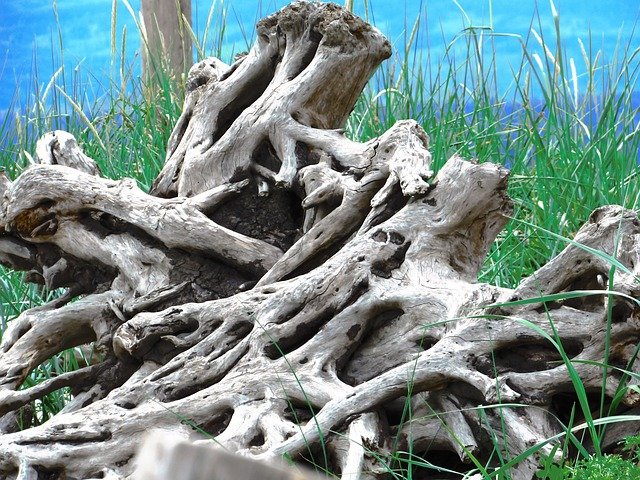 . Once you have your slats, they must be cleaned to remove salt, sand, and microorganisms. Submerge the wood in a solution of one part bleach to nine parts water. This kills any hidden pests and helps to whizen the wood for that classic sun-bleached look.
After the soak, the wood needs time to cure. Dry the slats in the sun for at least 15 to 30 days. This ensures all internal moisture has dissipated, which prevents the wood from warping or cracking once it is moved into a climate-controlled home. Use a moisture meter to check that the wood has reached a workable level, typically in the low teens.
For the installation, many practitioners use a “hack” involving existing vertical blind hardware. You remove the plastic slats and replace them with your prepared driftwood pieces. This requires drilling small, precise holes at the top of each slat to accommodate the hangers. Because driftwood is heavier than PVC, you must ensure your tracking system is heavy-duty and securely anchored into the wall studs or a solid header.
Benefits / Advantages
One of the primary benefits of driftwood slats is their durability.  . Natural wood that has been tumbled by the sea is remarkably resilient. It has already been stripped of its softest fibers, leaving behind a dense, hardened core that stands up to daily use.
Unlike STATIC FABRIC BLINDS, driftwood does not trap allergens, pet hair, or household odors. This makes it a superior choice for homeowners concerned with air quality or those living with pets. A quick dusting with a soft cloth is usually all the maintenance required to keep the slats looking pristine.
From a design perspective, the light filtration is unmatched. As the sun moves across the sky, the varying thicknesses and natural curves of the wood “sculpt” the light. This creates a dynamic environment that changes throughout the day. You are not just blocking the sun; you are inviting it to play across your floor and walls in patterns that are never exactly the same twice.
Furthermore, wood is a natural insulator. During the summer, these slats can block significant heat gain from direct sunlight. In the winter, they provide a layer of thermal mass that helps retain warmth inside the room. This contributes to better energy efficiency and a more comfortable living environment year-round.
Challenges / Common Mistakes
The weight of the material is the most common challenge for beginners. Driftwood is significantly heavier than plastic or aluminum. If you use a standard, lightweight tracking system, the weight can cause the headrail to sag or the rotation gears to strip over time. Always over-spec your hardware to handle at least 20% more weight than the total of your slats.
Another mistake is skipping the bleaching and curing process. Raw driftwood often contains salt that can attract moisture from the air, leading to “weeping” wood and ruined paint on your window sills. It can also harbor insects that may move into your walls. Thorough cleaning is not optional; it is a structural necessity for the health of your home.
Inconsistent slat sizing can also lead to frustration. While the charm of driftwood lies in its irregularity, slats that are too wide will catch on each other during rotation. Before drilling and hanging, lay your slats out on the floor and simulate the rotation. If they overlap too much, you may need to sand down the edges or select narrower pieces for that specific run.
Limitations / When This May Not Be Ideal
Driftwood window treatments are not a “set it and forget it” solution for every room. In high-humidity environments like small, poorly ventilated bathrooms, real wood is prone to absorbing moisture. Even well-sealed driftwood can eventually warp or develop mold if it never has the chance to dry out. In these specific cases, a moisture-resistant composite may be a safer bet.
Privacy is another factor to consider. Because driftwood slats are rarely perfectly straight, there will always be small, organic gaps between them. If you require total “blackout” privacy for a street-level bedroom, vertical slats alone might not suffice. You may need to layer them with a sheer liner or heavy drapes to ensure complete coverage at night.
Legal constraints are also a real boundary. If you are planning a large-scale project, you cannot simply clear-cut a local beach. Many jurisdictions limit the amount of wood you can take for personal use, and selling products made from scavenged beach wood often requires a specific commercial permit. Always check your local Department of State Lands or equivalent agency before you start your collection.
Static Fabric Blinds vs. Dynamic Driftwood Slats
When choosing a window treatment, it helps to compare the measurable performance of different materials. Most homeowners are used to standard fabric options, but driftwood offers a different set of advantages.
| Feature | Static Fabric Blinds | Dynamic Driftwood Slats |
|---|---|---|
| Maintenance | High (Traps dust/odors) | Low (Easy to dust) |
| Longevity | 3–7 Years (Fades/Tears) | 15+ Years (Resilient) |
| Light Effect | Flat/Muted | Sculpted/Textured |
| Skill Level | Low (Store-bought) | Moderate (DIY/Custom) |
| Eco-Impact | Synthetic/Non-biodegradable | Natural/Reclaimed |
As shown, the transition to driftwood requires a higher initial investment of time and skill, but it pays off in durability and aesthetic depth. While fabric provides a soft, uniform look, driftwood offers a structural presence that anchors the room’s design.
Practical Tips / Best Practices
To get the most out of your driftwood project, focus on the finishing details. Sanding is essential. Use a 180-grit sandpaper to remove the sharpest edges where the wood might catch on the tracking system or your fingers. You want to preserve the “weathered” look, so do not over-sand; just smooth out the transition points.
When it comes to sealing, a clear matte lacquer is often the best choice. It protects the wood from UV damage and moisture without adding a fake, glossy shine. If you want a more traditional finish, consider using beeswax. Melt the wax and rub it into the grain with a lint-free cloth. This provides a deep, natural glow and smells fantastic when the sun hits the slats and warms the wood.
If you are using a vertical track, ensure the “ladder” cords—the strings that keep the slats spaced apart—are made of high-tensile nylon. Natural fibers like jute or cotton may look the part, but they will stretch under the weight of the driftwood, leading to uneven spacing and a sloppy appearance over time.
Advanced Considerations
For those looking to take this concept further, consider motorization. . Modern smart-home tracks can be retrofitted to handle heavy wood slats. This allows you to program your driftwood “light show” to follow the sun’s path. You can set the slats to be fully open during the morning for maximum light and have them automatically tilt to a specific angle in the afternoon to prevent screen glare.
Scaling the project for large expanses, such as sliding glass doors, requires a “split stack” configuration. This means the slats open from the center and move to both sides. It balances the weight on the headrail and makes the system much easier to operate manually. For very tall windows, you may need to add a “bottom rail” or a weighted chain to the base of the slats to prevent them from swaying excessively in a breeze.
Think about the species of wood you are using. Different woods weather differently. Cedar driftwood often retains a silver-gray hue, while oak or maple might stay more tan or brown. Mixing species can create a “tapestry” effect, but using a single species provides a cleaner, more minimalist aesthetic.
Examples / Scenarios
Consider a south-facing home office with a large 72-inch wide window. During the day, the sun creates a harsh glare on the computer monitor, forcing the occupant to close standard fabric blinds and turn on overhead lights. This creates a “dark box” environment that kills productivity.
By installing vertical driftwood slats, the user can tilt the wood to a 45-degree angle. This deflects the direct sun rays away from the screen while allowing the light to bounce off the textured wood surfaces and illuminate the rest of the room. The office stays bright and energized, but the glare is gone. The natural imperfections in the wood allow tiny “needles” of light to hit the walls, creating a sense of being under a forest canopy rather than in a cubicle.
In another scenario, a coastal vacation rental uses driftwood slats to replace old, broken vinyl blinds. The rental owners find that the wood slats are far more “guest-proof.” When a guest accidentally bumps into the blinds, the heavy wood slats simply sway and settle back into place, whereas vinyl slats would have snapped or creased. The ruggedness of the material reduces the need for frequent repairs and enhances the “beach house” branding of the property.
Final Thoughts
Embracing driftwood window treatments is a move away from the disposable and toward the enduring. It is a choice to let the environment dictate the aesthetic of your home, using materials that have been tested by the sea and perfected by time. These vertical slats do more than just block a view; they bring the rhythm of the tide into your daily life.
By taking the time to source, clean, and install these natural elements correctly, you create a functional piece of art. The result is a room that feels larger, brighter, and more connected to the world outside. It is a practical application of “pioneer grit”—taking what the land (or sea) gives you and turning it into something both useful and beautiful.
As you begin your journey with driftwood, remember that the goal is not perfection. The knots, cracks, and silvered grains are the story of the wood’s journey. Let those stories sit in your windows and watch how the sunlight brings them to life. Experiment with different textures and tracking systems, and you will find that your windows become the most talked-about feature of your home.
Sources
1 lemonthistle.com (https://www.lemonthistle.com/diy-woven-wood-window-shades-hack-faux-bamboo-blinds/) | 2 theshadestore.com (https://www.theshadestore.com/blog/coastal-window-treatments/) | 3 eastendblinds.com (https://eastendblinds.com/ideas-for-vertical-blinds-installation/) | 4 vietaquaticwoods.com (https://vietaquaticwoods.com/large-driftwood-wholesale/) | 5 wikihow.com (https://www.wikihow.com/Preserve-Driftwood) | 6 blindsinharmony.co.uk (https://www.blindsinharmony.co.uk/wooden-blinds-vs-fabric-blinds/) | 7 upwindows.com (https://upwindows.com/wood-blinds-in-living-room-best-choice/) | 8 mitseasternshore.com (https://mitseasternshore.com/wood-blinds-pros-and-cons/) | 9 sunburstshutters.com (https://www.sunburstshutters.com/blog/coastal-window-treatment-design-tips) | 10 southwestexteriors.com (https://www.southwestexteriors.com/blog/2023/june/5-disadvantages-of-woven-shades-are-they-right-f/) | 11 wikihow.com (https://www.wikihow.com/Make-Blinds) | 12 blindschalet.com (https://www.blindschalet.com/expert-advice/eaa-181-pros-and-cons-of-wood-blinds.html) | 13 hunterdouglas.com (https://www.hunterdouglas.com/stories/buyers-guides/best-window-treatments-coastal-living) | 14 dksstores.com (https://vertexaisearch.cloud.google.com/grounding-api-redirect/AUZIYQHpv3hFnIC7uHgSMzE1jqCHz2tIzI9xaG50XvdcLiKVdSpMHvhvxD7hLnHlCoPkIl2JgasU1S0zCr9hkT1nHe9nJy74VGztQBimZuIWrxOk995saaBwj_Lq1q7cIQ==) | 15 selectblinds.com (https://blog.selectblinds.com/what-are-the-cons-of-real-wood-blinds/) | 16 loveisblindsco.com (https://www.loveisblindsco.com/are-vertical-blinds-out-of-style-and-how-to-style-them) | 17 absolute-blinds.com (https://absolute-blinds.com/inspiration/10-breezy-coastal-chic-window-treatments/)