Epiphytes On Driftwood
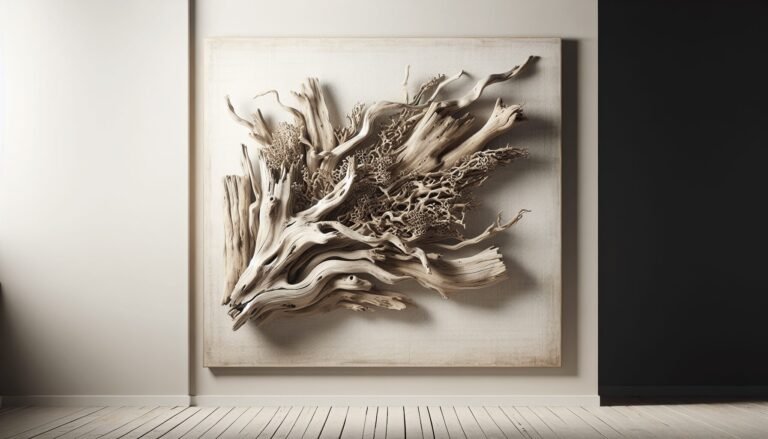
Have you ever thought about the intriguing relationship between epiphytes and driftwood? This fascinating bond combines nature’s artistry with the wonders of biological adaptation, crafting a unique and stunning feature for any home or garden setting. Let’s journey together into the world of epiphytes on driftwood and unravel the mysteries of how these remarkable plants can transform a simple piece of driftwood into a living masterpiece.
Understanding Epiphytes
What Are Epiphytes?
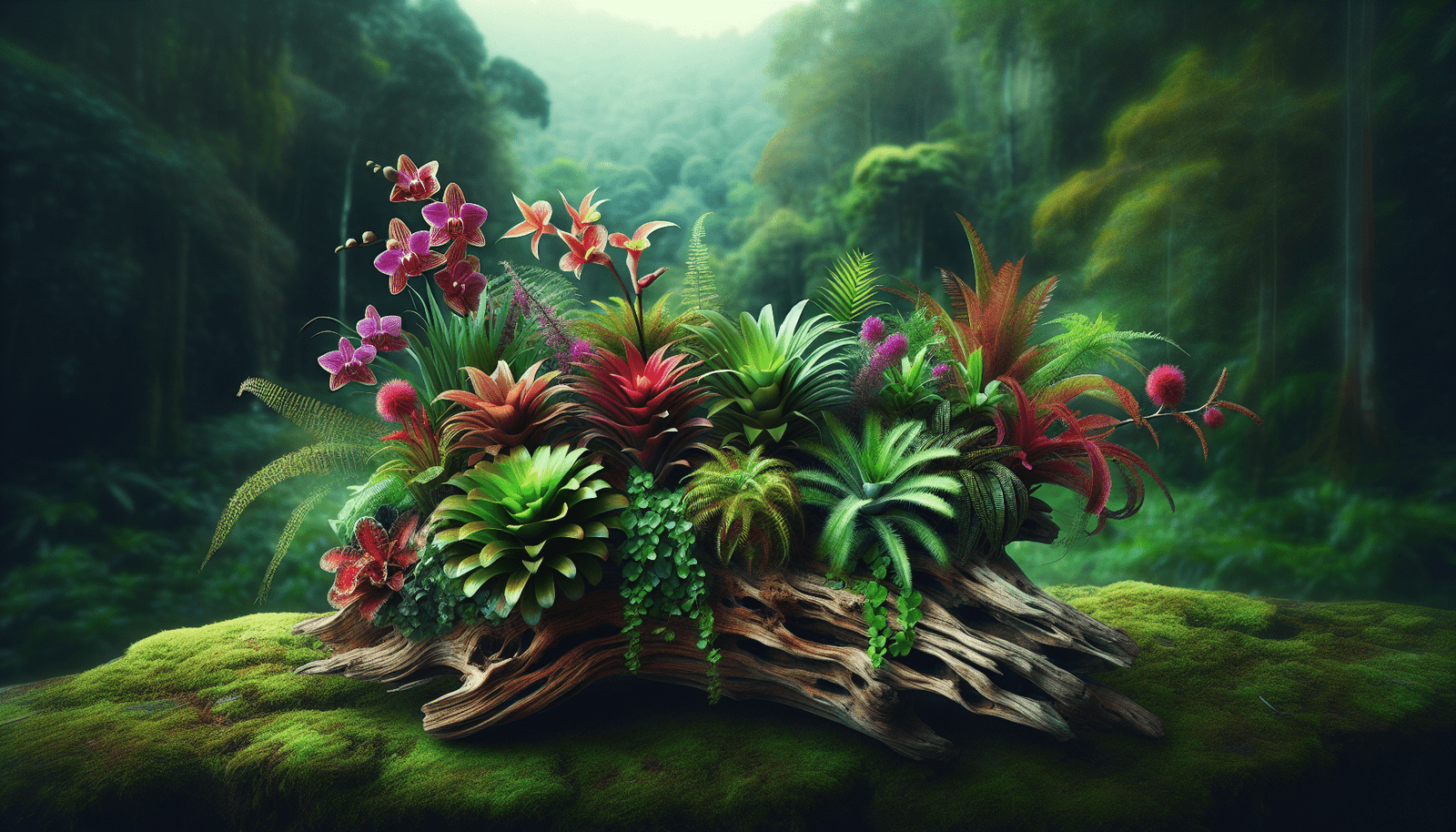
Epiphytes are a unique group of plants that grow on other plants or surfaces without drawing nutritional support from their hosts. Unlike parasites, they are not harmful; their sole purpose is to find a place to anchor themselves and absorb nutrients and moisture from the air and rain. This natural strategy allows them to thrive high in the canopies of the rainforest or adorn rocks and other surfaces.
Types of Epiphytes
There are numerous epiphyte species, including ferns, orchids, and bromeliads. Each type has its own set of characteristics and requirements, making them suitable for various environments. Here’s a brief comparison:
| Epiphyte Type | Features | Ideal Conditions |
|---|---|---|
| Ferns | Elegant fronds, some delicate | Humid, indirect light, regular misting |
| Orchids | Stunning flowers, diverse forms | Bright, indirect light, high humidity |
| Bromeliads | Colorful rosettes, water tanks | Moderate light, tolerate drying out |
Why Epiphytes on Driftwood?
The combination of epiphytes on driftwood creates an aesthetically pleasing and organic art piece. Driftwood provides a natural substrate for epiphytes to attach and display their spectacular forms. This partnership offers not just beauty, but environmental benefits as well, such as purifying the air and adding humidity to your space.
Choosing the Right Driftwood
Natural Driftwood vs. Store-Bought
Driftwood comes in many shapes and sizes. You can opt for naturally found driftwood or purchase it from a store. Natural driftwood often carries an authentic look, each piece boasting a unique history. Store-bought driftwood, on the other hand, is usually treated and shaped for more specific uses in aquariums or art projects.
Preparing Driftwood for Epiphytes
Before introducing epiphytes to driftwood, it’s essential to prepare it properly. Start by cleaning the driftwood to remove any salt, debris, or parasites that could harm the plants. Soak it in water for a few days, changing the water regularly, to ensure it’s safe for planting.
Securing Epiphytes to Driftwood
Use a simple method to attach your plants to the driftwood. You can use fishing line, stretchy plant ties, or even hot glue for initial stability. Be gentle with the plants to avoid damage, and ensure they are positioned in a secure, stable manner.
Care and Maintenance
Light Requirements
Epiphytes on driftwood thrive under indirect sunlight. A bright, filtered light environment is perfect for them. Too much direct sun can scorch the plants, while too little can hinder growth.
Watering and Humidity
The humidity level is crucial for epiphytes, as they naturally absorb moisture from the air. Regular misting keeps them hydrated, and occasional watering ensures their health. Depending on the environment, you might need to water more frequently or less.
Fertilizing
Although epiphytes don’t require much fertilizer, a diluted nutrient solution applied occasionally can boost growth and flower production. Use a balanced fertilizer every few weeks, especially during the growing season.
Common Challenges
Pests and Diseases
Epiphytes can be susceptible to pests like mites, scale, or aphids. Regular inspection and gentle cleaning can prevent infestations. If problems arise, organic pest solutions can often resolve issues without harming your plants.
Environmental Stress
Changes in temperature, humidity, or light can stress epiphytes, leading to poor growth or disease. Monitor the conditions carefully and adjust as necessary to mimic their natural habitats.
The Aesthetic Appeal
Design Ideas
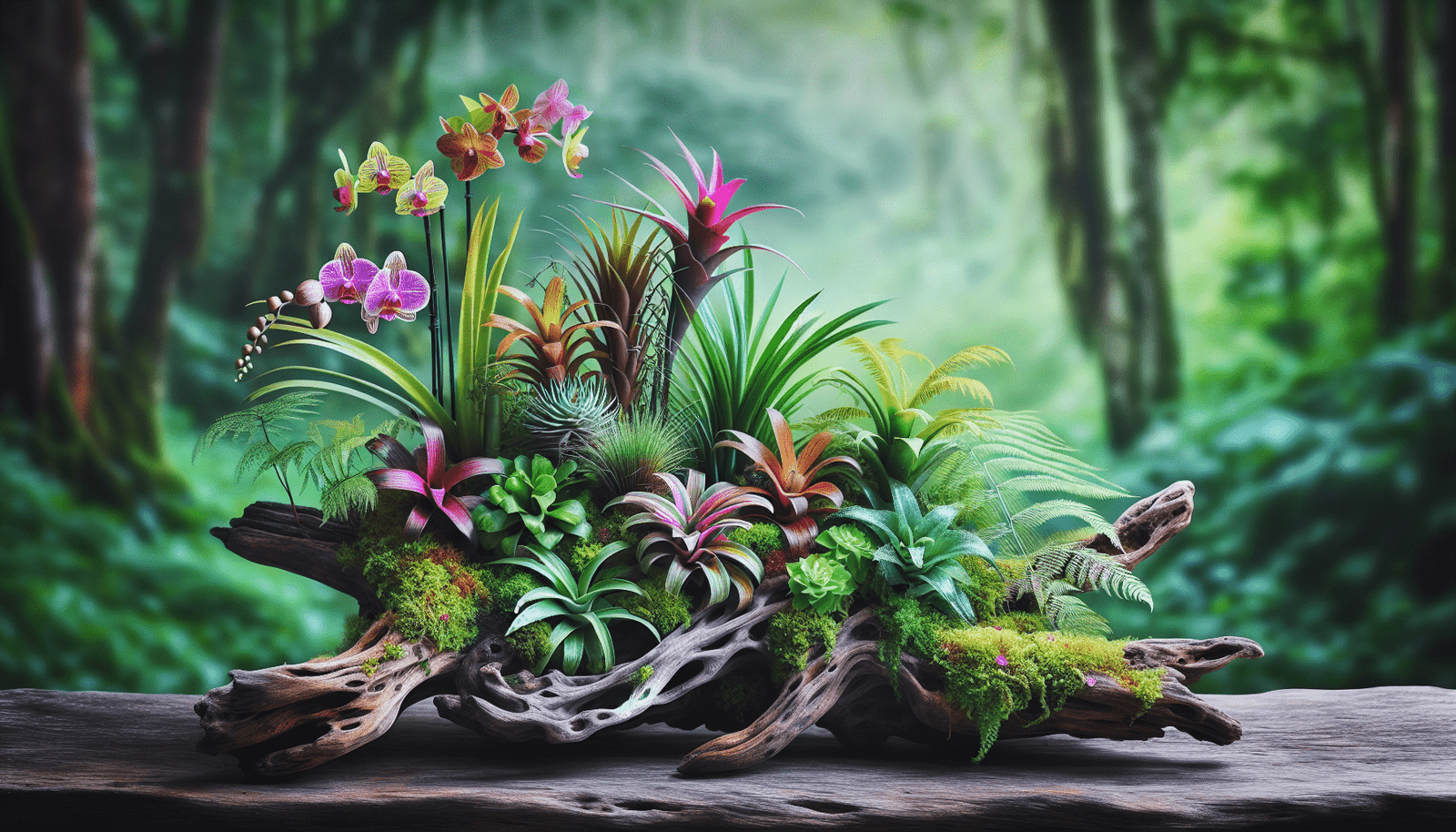
Incorporating epiphytes on driftwood into home decor offers endless design possibilities. Whether placed on a table, hung on a wall, or integrated into a terrarium, they bring an element of living art to any space. Consider the natural shapes and colors of the epiphytes and driftwood to create a harmonious design.
Seasonal Considerations
While epiphytes are generally low-maintenance, they may need different care during seasons such as winter or dry periods. Adjust your watering and misting routine to accommodate environmental changes.
Applications in Home and Garden
Indoor Decor
Within the home, epiphytes on driftwood can enhance the aesthetic of living rooms, bathrooms, or conservatories. Consider their placement to ensure light and humidity needs are met while maximizing visual appeal.
Garden Ornaments
In outdoor gardens, epiphytes can be mounted on larger pieces of driftwood, creating impressive natural sculptures. Ensure they are in sheltered locations to protect from harsh weather and direct sunlight.
Benefits of Epiphytes on Driftwood
Environmental Impact
They not only add beauty but also improve air quality by filtering toxins and increasing humidity. Incorporating these features can contribute to a healthier living environment.
Educational and Therapeutic Value
Tending to epiphytes offers a chance to connect with nature, providing therapeutic benefits like stress reduction and mental clarity. Additionally, observing these plants can be an educational experience, offering insights into ecology and plant biology.
Conclusion
Embracing the symbiotic relationship between epiphytes and driftwood can transform simple spaces into vibrant spectacles of natural beauty. It’s a rewarding endeavor that requires minimal maintenance while delivering maximum aesthetic and environmental benefits. Whether you’re an experienced gardener or a beginner, diving into the world of epiphytes can open up new dimensions of creativity and sustainability in your living spaces.