Why pay boutique prices for something the ocean gives away for free? Big box stores want you to believe that aquarium-safe driftwood is rare. The truth? It’s literally washing up by the ton. With the right curing process, you can save hundreds on your next scape.
Free Aquarium Driftwood Sourcing
Sourcing your own hardscape is the ultimate expression of the self-reliant aquarist. Instead of settling for a pre-packaged, sandblasted branch from a warehouse, you are heading into the wild to find a piece of history. Free aquarium driftwood sourcing is the practice of collecting naturally weathered wood from beaches, riverbanks, and forests to use as a functional and aesthetic centerpiece in a fish tank.
Nature does the heavy lifting for you. Years of exposure to the sun, wind, and water strip away the bark and leach out the most volatile saps. What remains is the resilient “skeleton” of the tree. This wood provides more than just a visual anchor; it serves as a biological powerhouse, offering surface area for beneficial bacteria and a grazing ground for shrimp and plecos.
In the real world, this process is about looking past the grime to see the grain. A grey, salt-crusted limb on a Pacific beach might look like trash to a tourist, but to a seasoned scaper, it is a potential centerpiece. Understanding the difference between a rotting log and a cured treasure is the first step in this journey.
Free Aquarium Driftwood Sourcing: How It Works
Finding the right timber requires a sharp eye and a bit of “pioneer grit.” You cannot simply grab any branch and toss it into your tank. The process involves four critical phases: identification, collection, sterilization, and waterlogging.
Identification starts with the scratch-and-sniff test. Hardwoods like oak, maple, and manzanita are the gold standard because their dense cellular structure resists decay. Softwoods like pine or cedar are packed with resins and phenols that can be toxic to fish. If you scratch the wood and it smells like a Christmas tree or a woodshop, leave it where it lies.
Collection is best done in areas where the wood has been dead for a long time. Look for “silvered” wood—pieces that have been bleached by the sun and have no remaining bark. Bark is the first thing to rot in a tank, and it often hides pests or pockets of anaerobic bacteria.
Sterilization is the non-negotiable step. Even the cleanest-looking river wood can harbor dragonfly larvae, leeches, or fungal spores. Boiling the wood for several hours is the most common method, as the heat penetrates the fibers and kills most unwanted hitchhikers. For pieces too large for a pot, a combination of pressure washing and soaking in a mild hydrogen peroxide solution works wonders.
Waterlogging is the final test of patience. Most dry wood floats like a cork. You must force the air out of the wood’s pores by submerging it in a curing tub. This can take anywhere from two weeks to six months, depending on the density of the piece.
Benefits of Harvesting Your Own Driftwood
The most obvious advantage is the shift from RETAIL MARKUP to COASTAL HARVEST. A high-end piece of Manzanita or Mopani can cost $50 to $150 at a local fish store. When you harvest your own, that money stays in your pocket or goes toward better lighting and filtration.
Beyond the financial savings, wild-harvested wood offers unmatched character. Store-bought wood is often cut to fit shipping boxes, resulting in blunt edges and repetitive shapes. Nature doesn’t care about shipping dimensions. You can find sprawling, 4-foot root systems or intricate, twisted branches that create a sense of scale impossible to achieve with retail “spider wood.”
Biologically, natural driftwood is a gift to your livestock. It slowly releases humic and fulvic acids, which naturally lower pH and provide antibacterial properties. This mimics the “blackwater” environments found in the Amazon or Southeast Asia, where many of our favorite tropical fish originate. Your fish will often show more vibrant colors and less stress in the presence of these natural tannins.
Challenges and Common Mistakes
The biggest pitfall for beginners is the “green wood” trap. Using wood that hasn’t fully dried or died means the internal saps are still active. These sugars will fuel a massive explosion of white biofilm—a thick, snot-like fungus—that can deplete oxygen levels in the tank. While some biofilm is normal, an excess from green wood can foul the water and kill sensitive shrimp.
Another frequent error is failing to identify the wood species. Collecting wood near industrial runoff or agricultural fields is a recipe for disaster. Wood is porous; it can soak up pesticides, herbicides, and heavy metals. Always source your timber from clean, remote areas or trusted private land.
Mistakes also happen during the sinking process. Many hobbyists get frustrated when a piece won’t stay down and try to use metal screws or weights that aren’t aquarium-safe. Avoid lead weights or any metal that isn’t high-grade stainless steel. Traditional rocks or slate attached with cyanoacrylate gel (super glue) or aquarium-safe silicone are much safer alternatives.
Limitations of Wild Sourcing
Legal constraints are the most significant boundary. In many regions, removing driftwood from National Parks, State Parks, or protected beaches is a fineable offense. These ecosystems rely on “large woody debris” to provide habitat for birds and prevent coastal erosion. Always check local regulations before you start loading your truck.
Environmental trade-offs must also be considered. If you live in an area with very hard, alkaline water (high KH), the tannins from your driftwood might not be enough to lower the pH, but they will still turn the water the color of weak tea. 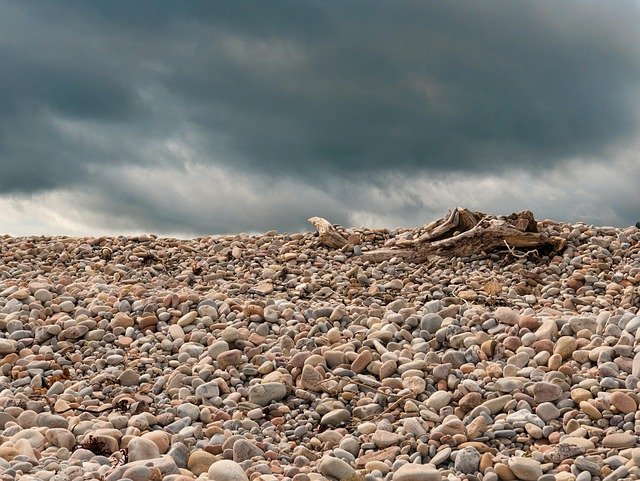 . If you demand crystal-clear water, wild driftwood will be a constant battle against discoloration.
Furthermore, some wood just isn’t built to last. Even some hardwoods will eventually soften and break down after five or ten years submerged. Unlike stone, wood is a temporary element in an aquascape. You must be prepared for the eventual “slumping” of your scape as the wood loses its structural integrity over a long enough timeline.
Retail Markup vs. Coastal Harvest
The choice between buying and finding wood often comes down to time versus money.
| Factor | Retail (Store-Bought) | Coastal (Wild-Harvested) |
|---|---|---|
| Initial Cost | High ($20 – $200+) | Free (Labor Only) |
| Safety | Pre-cleaned/Known Species | Requires Heavy Prep |
| Uniqueness | Average/Mass-Produced | Infinite/One-of-a-kind |
| Prep Time | Hours (Rinse & Soak) | Weeks (Clean & Cure) |
| Accessibility | Immediate (Local Store) | Depends on Geography |
Practical Tips and Best Practices
If you want to succeed with wild wood, start with the “Fingernail Test.” Press your nail firmly into the wood. If it sinks in easily or the wood feels spongy, it’s already too far gone. You want timber that feels like stone.
For large pieces that won’t fit in a pot, use the “Black Bag Method.” Place the wood in a heavy-duty black trash bag with water and a bit of dechlorinator. Leave it in the sun for several days. The heat generated inside the bag will help kill off pests and speed up the leaching of tannins without needing a giant industrial cauldron.
Managing tannins is another skill to master. If you hate the “tea” look, use chemical filtration media like Seachem Purigen or high-quality activated carbon in your filter. These products act like a magnet for organic discoloration, keeping your water clear while the wood continues to provide its biological benefits.
Always sand down any sharp points. In the wild, wood breaks in jagged ways. While this looks natural, it can easily tear the delicate fins of Bettas, Angelfish, or Fancy Guppies. A quick pass with some 80-grit sandpaper can prevent a tragedy without ruining the aesthetic.
Advanced Considerations for the Serious Practitioner
For those looking to push their scaping further, consider the role of wood in the “Aufwuchs” community. This is the complex matrix of algae, bacteria, and microbes that grows on the wood’s surface. In a balanced tank, this biofilm becomes a self-sustaining food source for fry and specialized eaters like Otocinclus catfish.
Think about the long-term chemical stability of the wood.  . As wood decays, it consumes a small amount of oxygen and releases CO2. In a heavily planted tank, this is a benefit. In a crowded, unplanted tank with low surface agitation, it could lead to a minor oxygen dip at night. Monitor your fish’s behavior closely during the first month after adding a massive new piece of timber.
Consider the “Scale Effect.” A common trick among professional aquascapers is to use thinner, spindly branches (like those from a wild vine or apple tree) to mimic the look of ancient, sprawling roots. By layering these over a thicker primary trunk, you create a sense of depth that makes a 20-gallon tank look like a massive riverbed.
Scenarios: From Beach to Tank
Imagine you are walking along a freshwater riverbank after a spring flood. you spot a tangled root ball from an old oak tree that has been stuck in the shallows for months. Because it has been submerged, it is likely already partially waterlogged and the tannins have started to leach. This is a “prime” find. You take it home, pressure wash the mud out of the crevices, and boil it in a large galvanized tub over a propane burner for two hours. After a week of soaking in clean water to ensure no more dirt is trapped in the center, it goes into your 55-gallon South American biotope.
Contrast this with a “Mountain Find.” You find a beautiful, sun-bleached piece of Manzanita in a dry wash. It is bone-dry and hard as iron. This piece will be completely pest-free but will float like a buoy. You might need to stainless-steel screw it to a piece of heavy slate and bury the slate under your substrate to keep it in place. Over the next six months, it will slowly darken and eventually stay down on its own.
Final Thoughts
Mastering the art of free aquarium driftwood sourcing is a rite of passage. 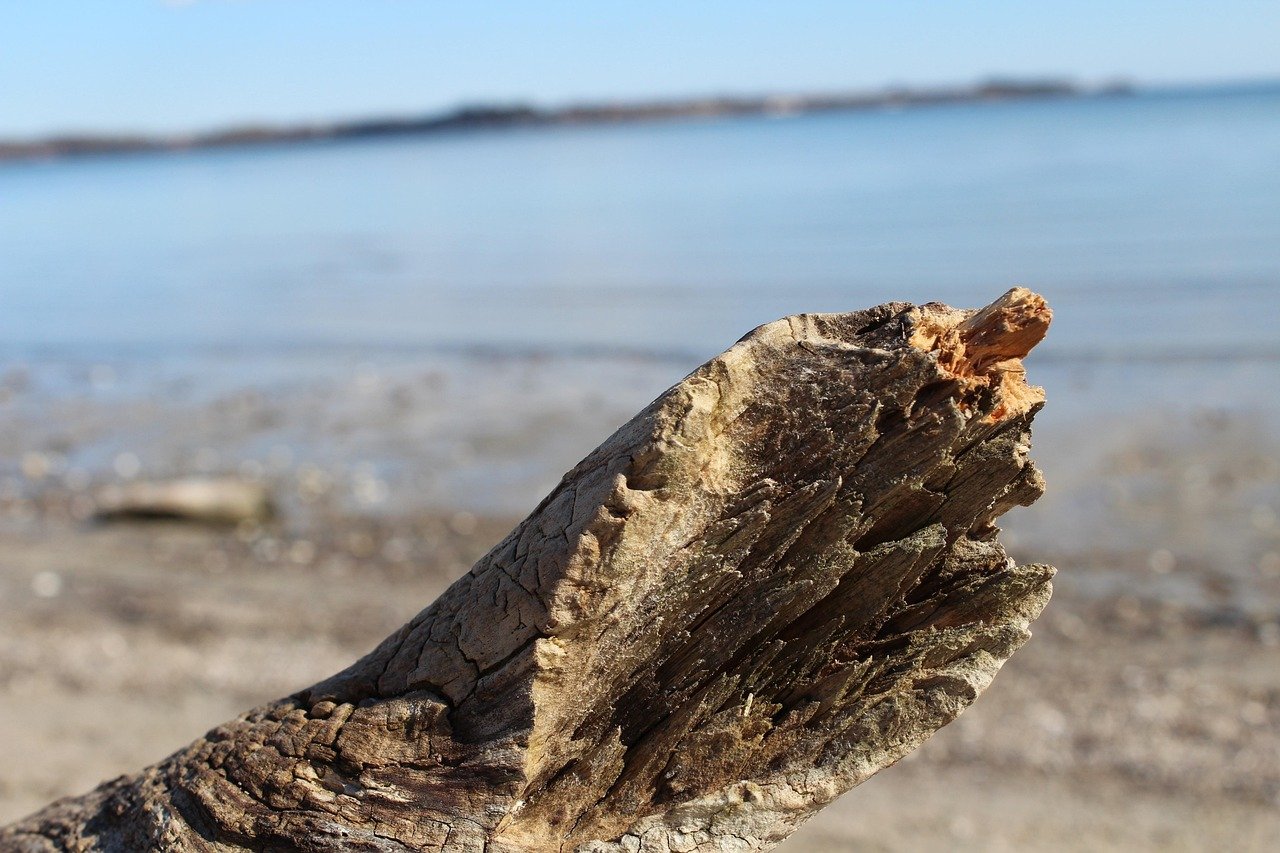 . It moves you away from being a mere consumer of the hobby and turns you into a student of the natural world. There is a deep satisfaction in watching your fish swim through a root system you personally pulled from a riverbank and prepared with your own hands.
The process demands patience and a healthy respect for biology, but the rewards are measurable. You gain a unique, scientifically beneficial environment for your aquatic life while bypassing the inflated costs of the retail market. It is the purest form of “pioneer grit” in the modern hobby.
Start small, stay observant, and always prioritize the safety of your livestock. Once you learn to see the potential in a piece of weathered timber, you will never look at a shoreline the same way again. Nature is providing the hardscape; all you have to do is go out and claim it.
Sources
1 marcusfishtanks.com (https://marcusfishtanks.com/blogs/news/diy-aquarium-driftwood-preparing-and-using-it-safely) | 2 ggpaquarium.com (https://ggpaquarium.com/how-does-malaysian-driftwood-benefit-aquarium-water-quality/) | 3 aquariumscience.org (https://aquariumscience.org/14-10-wood/) | 4 dksstores.com (https://vertexaisearch.cloud.google.com/grounding-api-redirect/AUZIYQF-3Ebp93HEia2lTSTGmHPK-MLzUaKZGMd-dc2kA7zCIzgWLITAZDd0VkjoMP68rGxSsBDNzu6f_0Qk1rqdau1f7WeJr2ZqWGJUhLGX5rJq0ZlKr-J9VZ6adfqMLA==) | 5 99wfmk.com (https://99wfmk.com/michigan-driftwood-collection-rules/) | 6 thienducaquarium.com (https://thienducaquarium.com/aquarium-safe-driftwood) | 7 liveaquaria.com (https://www.liveaquaria.com/blogs/freshwater-planted-aquariums/freshwater-planted-aquarium-set-up-adding-driftwood-to-your-aquarium)