While most people see beach debris, the self-sufficient see the core ingredient for the world’s most sustainable cleanser. Your ancestors didn’t have a pharmacy or a grocery store; they had the shoreline. Harvesting specific salt-saturated driftwood and reducing it to white ash allows you to unlock the mineral-rich potash needed to create high-quality, skin-safe lye. It’s a closed-loop system that turns coastal ‘waste’ into a premium homesteading resource.
Living off the grid or simply pursuing a more intentional lifestyle requires a shift in perspective. You stop looking at the world as a consumer and start looking at it as a chemist. When you stand on a salt-sprayed beach, you aren’t just looking at scenic views; you are looking at a vast chemical laboratory. Driftwood, having spent months or years absorbing the minerals of the ocean, offers a unique chemical profile that inland timber simply cannot match. This isn’t just about survival; it’s about mastery of the elements.
Modern soap making almost exclusively uses store-bought sodium hydroxide or potassium hydroxide pellets. While these are convenient, they tie you to a global supply chain and industrial manufacturing. Producing your own lye from driftwood ash reclaims that lost knowledge. It allows you to create a product that is entirely local, chemically complex, and deeply connected to the environment where you live. This guide will walk you through the grit and the glory of extracting this “liquid gold” from the remains of a coastal fire.
How To Make Lye From Driftwood Ash
Lye is a powerful alkaline solution traditionally used for soap making, drain cleaning, and even food preparation. When you burn wood, the organic material disappears, leaving behind minerals in the form of ash. Among these minerals is potassium carbonate, often called potash. When water is filtered through this ash, it leaches out the alkaline salts, creating a caustic liquid known as lye water. This process is the foundation of human hygiene history.
Driftwood adds a fascinating layer to this ancient chemistry. Because driftwood has been soaked in seawater, it often contains higher levels of sodium salts alongside the standard potassium found in all wood. 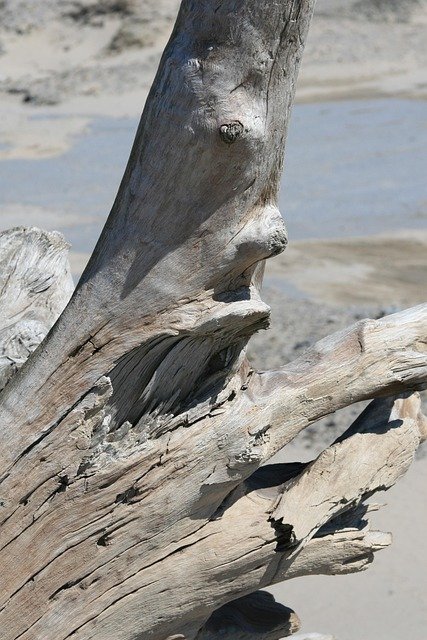 . This coastal variation means that lye made from driftwood can sometimes produce a slightly firmer soap than lye made from inland hardwoods like oak or maple. It is a true “pioneer-grit” resource that bridges the gap between the soft liquid soaps of the forest and the hard bars of the sea.
In real-world terms, making lye is a waiting game. It requires a patient hand and a watchful eye. You aren’t just mixing ingredients; you are managing a biological and chemical transition. The resulting liquid, if concentrated correctly, is strong enough to turn fats and oils into soap through a process called saponification. Without this alkaline “trigger,” fat remains just fat. With it, you have the world’s oldest and most effective cleanser.
The Step-by-Step Process: From Shoreline to Solution
Creating high-quality lye starts long before you ever light a fire. It begins with the selection of the wood itself. Not all driftwood is created equal, and the success of your soap-making venture depends on the quality of the ash you produce. Follow these steps to ensure your lye is potent and pure.
Step 1: Harvesting the Driftwood
Look for “gray-ghost” wood—driftwood that is bleached white by the sun and feels light and brittle. Avoid wood that is still “green” or oily, as resins and saps can interfere with the lye’s purity. Hardwoods like madrone, oak, or maple that have washed ashore are ideal because they contain a higher density of minerals than softwoods like pine or cedar. The salt saturation from the ocean is your secret weapon, as it provides the trace sodium that helps the eventually-made soap set more effectively.
Step 2: The High-Heat Burn
Burning the wood is the most critical technical step. . You need a hot, clean fire. A slow, smoldering fire produces charcoal and black soot, which are impurities you don’t want in your lye. You are aiming for a “white ash” finish. This indicates that the carbon has been almost entirely consumed, leaving behind the concentrated mineral oxides. Use a dedicated fire pit or a clean metal barrel to ensure no soil or plastic debris contaminates your harvest.
Step 3: The Leaching Setup
Once you have a bucket of cool, white ash, you need to build a leaching system. Traditionally, this was done in a wooden barrel with a small hole at the bottom. Start by placing a layer of clean, smooth stones over the hole, followed by a thick layer of dried straw. This acts as a natural filter. Pour your ashes on top of the straw, tamping them down firmly. You want the water to move through the ash slowly, picking up as much mineral content as possible as it percolates down.
Step 4: Adding the Water
Soft water is the only way to go here. Rainwater is the gold standard for lye making because it lacks the heavy minerals found in well water or tap water that can neutralize the alkaline power of the ash. Slowly pour the rainwater over the ashes until they are fully saturated. Do not flood the barrel; you want a slow, steady drip. Position a wooden or heavy plastic bucket under the drain hole to catch the “brown gold” as it begins to emerge. The first run is usually the strongest.
Testing for Purity and Power
You cannot simply guess the strength of your lye. In the modern world, we have pH strips and hydrometers, but a true pioneer knows the physical tests of the old ways. These methods are surprisingly accurate and rely on the physics of density and the chemistry of caustic reactions.
The Egg Test: This is the most famous historical method. Take a fresh, room-temperature egg and gently place it into your lye water. If the egg sinks, the lye is too weak and needs to be boiled down or poured through fresh ashes again. If the egg floats with an area the size of a quarter showing above the liquid, your lye is at the perfect concentration for soap making. If the egg floats higher than that, the lye is too strong and will produce a harsh, “lye-heavy” soap that may irritate the skin.
The Potato Test: If you don’t have an egg, a small potato works on the same principle of specific gravity. A potato should float roughly halfway in a solution that is ready for saponification. This ensures the liquid has enough “heft” (dissolved solids) to react with the fats you intend to use.
The Feather Test: For those who want to be absolutely sure of the caustic power, the feather test is the final word. Dip a large chicken or goose feather into the liquid. If the lye is strong enough, the barbs of the feather will begin to dissolve and disappear within a minute or two. This confirms that the potassium carbonate has successfully transitioned into a more caustic state, ready to break down the molecular structure of oils.
Benefits of Driftwood Ash Lye
Choosing to make your own lye from coastal resources offers several distinct advantages over using store-bought chemicals. It is a choice that rewards the craftsman with a superior final product and a deeper sense of self-reliance.
- Mineral Complexity: Driftwood lye isn’t just a single chemical like 99% pure NaOH. It contains a spectrum of trace minerals from the sea and the specific tree species, which can result in a more nourishing, “living” soap.
- Environmental Stewardship: By using driftwood, you are clearing beach debris and utilizing a waste product. You are also avoiding the carbon footprint and plastic packaging associated with industrial lye.
- Soft Soap Specialization: Wood ash lye naturally produces potassium-based soap, which is softer and more soluble than sodium-based bar soap. This makes it the perfect base for liquid cleansers, shampoos, and high-end shaving creams.
- Zero Cost: Aside from your time and a bit of firewood, the ingredients for driftwood lye are entirely free. In a long-term sustainability scenario, this is an invaluable skill.
Challenges and Common Mistakes
The path to perfect lye is paved with gray slush and weak tea. Many beginners fail because they rush the process or overlook the subtle nuances of wood chemistry. Recognizing these pitfalls before you start will save you hours of frustration.
One of the most frequent errors is using “black ash.” If your fire wasn’t hot enough, your ash will be full of unburnt carbon. This results in a lye that is weak and full of soot, making for a gray, dingy soap. Always wait for the fire to burn down to a fine, white powder. If you see chunks of charcoal, your lye will suffer.
Another common mistake is using the wrong containers. Lye is highly reactive. If you use an aluminum pot to boil your lye water, the liquid will eat through the metal, releasing dangerous hydrogen gas and ruining your solution. Use only stainless steel, heavy-duty plastic (like HDPE), or glass. Even wood is better than aluminum, though the lye will eventually “fuzz” the wood fibers over time.
Finally, do not underestimate the importance of the water source. Hard water contains calcium and magnesium. These minerals will bond with your lye and form “soap scum” before you even add your oils. If you can’t collect rainwater, use distilled water to ensure your lye remains pure and potent.
Limitations of the Method
While driftwood lye is a magnificent resource, it is not a perfect 1-to-1 replacement for modern sodium hydroxide in every situation. Understanding these limitations will help you set realistic expectations for your homesteading projects.
The primary limitation is consistency. . Because every piece of driftwood and every fire is different, the concentration of your lye will vary. This means you cannot easily use standard “soap calculators” found online, which assume 100% purity. You must rely on the physical tests (like the egg test) and your own intuition. This makes it difficult to produce large, identical batches for commercial sale.
Furthermore, wood ash lye almost exclusively makes “soft” soap. If you are dreaming of hard, brittle bars of soap that won’t melt in a soap dish, you will be disappointed. Driftwood ash lye produces a paste-like soap or a liquid soap. While the salt in driftwood helps firm it up slightly more than inland ash, it will never reach the rock-hard consistency of modern store-bought lye bars unless you perform advanced chemical “salting out” techniques.
Practical Tips and Best Practices
Success in the “pioneer-grit” arts comes down to the small details. These best practices will help you refine your process and produce a lye that is as clean as any industrial product.
- Sift Your Ash: Before putting your ash into the leaching barrel, run it through a fine mesh screen. Removing small bits of unburnt wood and stones will prevent your filter from clogging and ensure a more even water flow.
- Concentrate by Boiling: If your first run of lye water is too weak, don’t throw it away. Boil it down in a stainless steel pot. Evaporating the excess water will concentrate the alkaline salts, turning a weak “tea” into a potent lye solution.
- The Second Run: After you’ve collected the first batch of lye, you can pour more water through the ashes. This “second run” will be weaker but is perfect for general cleaning tasks like scrubbing floors or pre-treating laundry.
- Storage Matters: Lye absorbs CO2 from the air, which weakens it over time. Store your finished lye in an airtight, labeled plastic container. Never store it in a way that someone could mistake it for water.
Advanced Considerations: Transitioning to Pearl Ash
For the serious practitioner, the liquid lye is just the beginning. If you boil your lye water until all the liquid is gone, you are left with a white, crusty substance called “black salts.” If you then bake these salts at a high temperature, they turn into “pearl ash” (refined potassium carbonate).
Pearl ash is even more concentrated and was historically used as the first chemical leavening agent for baking before the invention of baking powder. Mastering the creation of pearl ash allows you to store your lye in a dry, stable form and gives you even more control over your chemical processes. It is the hallmark of a master homesteader who has moved beyond the basics and into the realm of true chemical self-sufficiency.
Example Scenario: The Coastal Homesteader’s Batch
Imagine you have spent a weekend clearing 20 pounds of dry, sun-bleached driftwood from a local cove. You burn this wood in a clean iron fire pit, yielding about 2 pounds of fine white ash. You set up your leaching bucket with a layer of beach gravel and straw, then slowly add 2 gallons of rainwater collected from the last storm.
Over the next 12 hours, you collect roughly 1 gallon of dark, tea-colored liquid. You perform the egg test, and the egg sinks like a stone. Undeterred, you put the liquid in a large stainless steel pot and boil it over an outdoor fire until it reduces to a quart. Now, when you test it, the egg floats perfectly, showing a quarter-sized patch of shell. You have successfully created a highly concentrated lye solution, ready to be mixed with rendered tallow or coconut oil to create a coastal-themed liquid soap.
Final Thoughts
Mastering the art of driftwood ash lye is a journey back to the roots of human ingenuity. It requires you to slow down, observe the elements, and respect the power of the chemicals you are creating. This isn’t just about making soap; it’s about understanding the cycle of the forest and the sea, and how even the “waste” of the shoreline can be transformed into a vital resource.
As you experiment with different wood types and concentration levels, you will develop a “feel” for the process that no book can fully provide. The grit under your fingernails and the smell of the woodsmoke are the price of admission for a skill that makes you truly independent. Whether you are looking to create the perfect sustainable cleanser or simply want to prove you can thrive without a grocery store, the driftwood on the beach is waiting for you.
Take what you have learned here and start small. The shoreline is a generous teacher if you are willing to do the work. Once you see the first bubbles of soap forming from a solution you leached yourself, you’ll never look at a pile of beach debris the same way again. You are no longer just a visitor to the coast; you are a practitioner of its ancient chemistry.
Sources
1 classicbells.com (https://classicbells.com/soap/woodAshLye.asp) | 2 quora.com (https://www.quora.com/In-ancient-times-what-properties-of-wood-ash-make-them-suitable-to-be-used-as-soaps) | 3 youtube.com (https://www.youtube.com/watch?v=OS_vmPxaWMA) | 4 soapqueen.com (https://soapqueen.com/bath-and-body-tutorials/tips-and-tricks/potassium-hydroxide-safety/) | 5 thefreckledfarmsoapcompany.com (https://thefreckledfarmsoapcompany.com/blog/understanding-lye-separating-fact-from-fiction-on-its-safety/) | 6 brambleberry.com (https://www.brambleberry.com/beginner/lye-safety-guide.html) | 7 journeytoforever.org (https://journeytoforever.org/biodiesel_ashlye.html) | 8 craftserver.com (https://www.craftserver.com/topic/95166-testing-lye-to-make-sure-it-is-still-good/) | 9 youtube.com (https://www.youtube.com/watch?v=qGKm-0GUZTI) | 10 soapmakingforum.com (https://www.soapmakingforum.com/threads/making-and-using-wood-ash-lye-crystals.56403/)