Modern Diy Folding Desk Designs
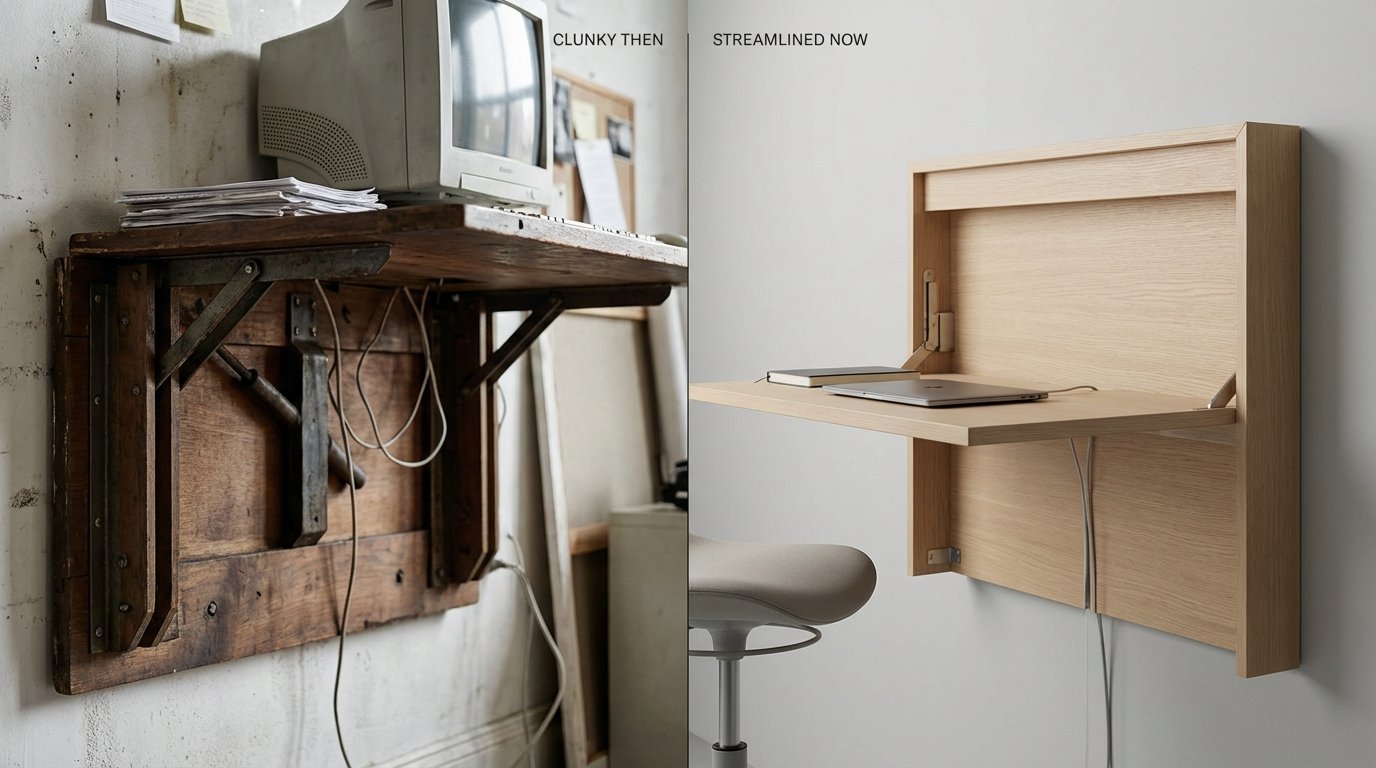
Why are we still using 20th-century furniture for 21st-century remote work? Remember when desks were massive monoliths that owned the room? Those days are over. This DIY folding desk project shows how to reclaim your floor space without sacrificing your productivity. It’s time for an upgrade that disappears when the clock hits 5:00.
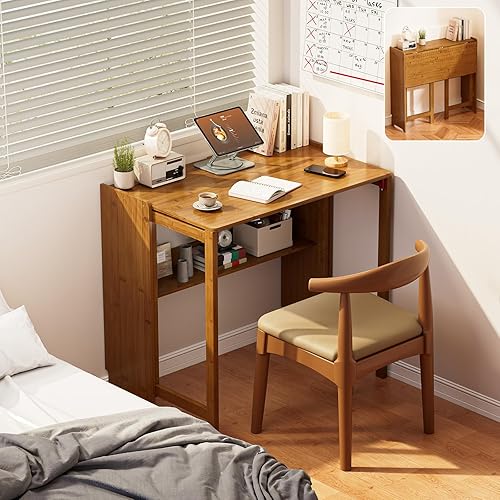
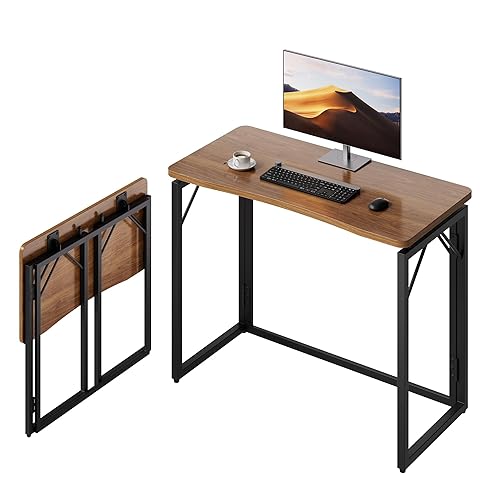

The modern home office isn’t just a place to work; it is a living space that needs to adapt. When your workspace is also your bedroom or living room, a permanent desk can feel like a constant reminder of deadlines and emails. A DIY folding desk solves this by offering a high-performance workstation that hides in plain sight once the workday is done.
Building your own desk allows you to customize every inch to fit your specific needs and aesthetic. Whether you are dealing with a 500-square-foot apartment or just want a cleaner look in your guest room, the folding desk is the ultimate “now you see it, now you don’t” solution. It is functional, sleek, and surprisingly easy to build with the right guide.
Modern Diy Folding Desk Designs
Modern folding desks have evolved far beyond the wobbly card tables of the past. Today’s designs focus on “invisible architecture”—furniture that serves a heavy-duty purpose but minimizes its visual footprint. From floating Murphy styles to industrial-inspired gateleg frames, there is a design for every skill level and space requirement.
The Murphy-style wall desk is perhaps the most popular modern choice. It functions like a cabinet on the wall; the front panel drops down to become the work surface, while the interior houses shelves for your laptop, notebook, and pens. This design is perfect for those who want to completely “shut the door” on work at the end of the day.
Another sleek option is the Floating Drop-Leaf desk. This design uses heavy-duty folding brackets to support a single wooden slab mounted directly to the wall. It offers the cleanest look possible, with no legs to trip over and zero floor impact. When folded down, it looks like a simple architectural accent or a slim shelf.
For those who need more stability for heavy monitors, the Gateleg folding desk provides the best of both worlds. It features a slim central storage unit with leaves that swing out and are supported by hidden legs. This style is ideal if you need a larger surface area for spreading out documents or multiple devices but still need to reclaim the room once the work is finished.
How to Build Your Own Folding Wall Desk
Building a high-quality folding desk requires careful planning and the right materials. To ensure durability, many builders opt for 3/4-inch Baltic birch plywood or solid hardwoods like oak or walnut. These materials provide the structural integrity needed to support the weight of a laptop and the pressure of your arms while typing.
Step 1: Preparation and Cutting
Measure your available wall space and determine your ideal desk height. Standard desk height is typically 28 to 30 inches from the floor. Use a miter saw or table saw to cut your main work surface and any frame pieces. Sanding the edges at this stage is crucial to prevent splinters and ensure a professional finish.
Step 2: Installing the Support System
Stability is the biggest challenge for any folding furniture. For a wall-mounted version, you must find the wall studs using a stud finder. Mounting into drywall alone is a recipe for disaster. Use a French cleat or heavy-duty Z-bars to secure the main frame to the wall. This ensures the desk can handle significant downward force without pulling away from the masonry or studs.
Step 3: Attaching the Hinges
Selecting the right hardware is where most DIYers either win or lose. Piano hinges (also known as continuous hinges) are excellent for drop-down surfaces because they distribute weight evenly across the entire edge. Alternatively, locking folding brackets are great for simple drop-leaf designs as they click into place and provide a rigid support without extra legs.
Step 4: Finishing Touches
Apply a durable finish such as polyurethane or a hard-wax oil to protect the wood from coffee spills and wear. Consider adding a magnetic latch or a spring-loaded catch to keep the desk securely closed when it is folded up against the wall. This prevents accidental opening and maintains that “monolith” look when not in use.
Benefits of a DIY Folding Desk
The most immediate benefit is reclaiming floor space. In small urban apartments, square footage is at a premium. By removing the legs of a traditional desk, you open up the room for exercise, play, or simply better traffic flow. It makes even the smallest room feel twice as large.
There is also a significant psychological benefit to a disappearing workspace. Closing your desk at the end of the shift creates a physical boundary between your professional and personal life. It helps reduce “work-from-home burnout” by removing the visual clutter of computers and cables from your relaxation zones.
Customization is a major advantage over store-bought furniture. When you build it yourself, you can integrate specific features like built-in LED lighting, USB charging ports, or custom-sized slots for your favorite tablet. You also save money; a high-end solid wood folding desk can retail for over $500, but you can build a superior version for a fraction of that cost in materials.
Challenges and Common Mistakes
One of the most frequent errors is underestimating the weight load. People often forget that they lean on their desks while they work. If your hinges and wall anchors aren’t rated for at least 50–100 lbs of dynamic pressure, the desk will eventually sag or fail. Always over-spec your hardware for safety.
Another common pitfall is neglecting cable management. It is easy to build a beautiful desk but then realize you have no way to plug in your laptop without a mess of wires hanging down. Plan for a cable “grommet” or a small gap at the back of the desk to allow cords to pass through while the desk is both open and closed.
Rushing the finishing process is a mistake that ruins the aesthetic. Because a folding desk is often at eye level when closed, every imperfection in the wood or stain will be visible. Taking the time to properly sand through the grits (80 to 220) and applying multiple thin coats of finish will make the difference between a “craft project” and a “fine furniture” piece.
Limitations of Folding Desks
While versatile, folding desks are not for everyone. If your setup involves a massive 32-inch curved monitor or a heavy gaming PC tower, a folding desk may struggle with the permanent weight and depth requirements. These designs are best suited for laptop-based workflows or small-to-medium peripherals.
There are also environmental limitations. In rental properties with thin or fragile walls, mounting a heavy desk might not be permitted. In these cases, a free-standing folding desk—one that folds flat but still has legs—is a better alternative than a wall-mounted version that might damage the structure.
Finally, there is the storage trade-off. Traditional desks have drawers; most folding desks do not. You have to be disciplined about your “EDC” (everyday carry) and only keep the essentials on the desk. This encourages a minimalist lifestyle, but it can be frustrating for those who like to have dozens of books and accessories within arm’s reach.
Comparing Folding Desk Styles
| Feature | Wall-Mounted Murphy | Free-Standing Folding | Floating Drop-Leaf |
|---|---|---|---|
| Space Usage | Zero floor footprint | Requires floor space when open | Zero floor footprint |
| Installation | Advanced (wall studs) | None (ready to use) | Moderate (brackets) |
| Stability | Very High (if in studs) | Moderate (can wobble) | High |
| Integrated Storage | Excellent (shelves) | Usually None | Minimal |
Practical Tips and Best Practices
Use gas struts if you want a premium feel. These are the same hydraulic arms used on car trunks. They allow the desk to “soft-open” slowly and help support the weight as you lift it back into the closed position. It adds a level of sophistication that makes the desk feel high-end.
- Measure twice, drill once: Always check your levels before securing the desk to the wall. A desk with even a 1-degree tilt will cause your pens to roll off constantly.
- Incorporate a corkboard: The back panel of a Murphy desk is the perfect spot for a corkboard or whiteboard. It turns your “hidden” desk into a command center.
- Use felt pads: If your design includes legs that touch the floor, add felt pads to protect your hardwood or laminate from scratches during the daily setup and teardown.
Advanced Considerations for Serious Makers
If you want to take your build to the next level, consider integrated power. Routing a recessed power strip into the side of the desk frame allows you to plug in your laptop and phone with only one main power cord running to the wall outlet. This creates a much cleaner, more professional appearance.
Ergonomics should not be overlooked just because a desk folds. Consider building a split-level surface or adding a folding keyboard tray. This allows your elbows to stay at the recommended 90-degree angle while your screen remains at eye level, preventing the “laptop hunch” that causes neck pain during long sessions.
Think about material weight-to-strength ratios. Using a torsion box design—a hollow-core construction technique—can give you a thick, impressive-looking desk that is incredibly strong but light enough for one person to fold up and down easily. This is a favorite technique for professional furniture makers who want the “chunky” look without the back-breaking weight.
Real-World Example: The Guest Room Transformation
Consider a typical 10×10 guest room. Usually, a queen-sized bed and a standard desk leave almost no room to move. By replacing the old desk with a DIY wall-mounted folding desk, the room becomes a spacious yoga studio or hobby room during the day. When a guest arrives, the desk stays folded up, looking like a piece of wall art, and the room feels like a proper suite rather than a cramped office.
One maker used a 3/4″ walnut plywood sheet and black industrial pipe as a decorative “latch” system. The desk supported two 24-inch monitors mounted to the wall above the folding surface. By keeping the monitors on the wall and the keyboard on the folding leaf, the user created a full-blown workstation that disappeared in seconds, leaving only the screens as “digital art” when the workday ended.
Final Thoughts
The DIY folding desk is more than just a woodworking project; it is a lifestyle adjustment for the modern era. It acknowledges that our homes are multi-functional and that we deserve a workspace that respects our need for relaxation and space. By taking control of the design and construction, you ensure a piece of furniture that fits your wall, your workflow, and your style perfectly.
Start with a simple design if you are a beginner, or challenge yourself with integrated tech and advanced joinery if you have more experience. The skills you learn—from finding studs to installing complex hinges—will serve you well in all your future home improvement endeavors. Your floor space is waiting to be reclaimed.
Don’t be afraid to experiment with different finishes and hardware. The beauty of the 21st-century workspace is that it no longer has to look like a cubicle. Your desk can be a statement piece, a hidden tool, and a productivity powerhouse all at once. It’s time to fold away the past and build a better way to work.
Sources
1 youtube.com (https://www.youtube.com/watch?v=c6OAs8MNQZA) | 2 youtube.com (https://www.youtube.com/watch?v=eoNy_m6XCsE) | 3 housefulofhandmade.com (https://housefulofhandmade.com/diy-fold-away-desk-from-2x4s/) | 4 lestallion.com (https://lestallion.com/blogs/product-reviews/best-wall-mounted-wall-desk) | 5 diyhuntress.com (https://diyhuntress.com/diy-fold-down-wall-desk/) | 6 rustica.com (https://rustica.com/wall-mounted-desk/) | 7 instructables.com (https://www.instructables.com/DIY-Folding-Wall-Desk-a-Space-Saving-Wood-and-Resi/) | 8 youtube.com (https://www.youtube.com/watch?v=zvIDubsqFWo) | 9 lillipad.com (https://www.lillipad.com/pages/are-folding-desks-any-good-the-future-of-flexible-workspaces-with-foldable-desks) | 10 youtube.com (https://www.youtube.com/watch?v=hU20NiqTpx4) | 11 youtube.com (https://www.youtube.com/watch?v=CSP6wOec-JA) | 12 remodelaholic.com (https://www.remodelaholic.com/foldable-craft-table-from-scrap-wood/) | 13 instructables.com (https://www.instructables.com/DIY-Fold-Down-Wall-Desk/) | 14 posturepeople.co.uk (https://posturepeople.co.uk/folding-desks-to-create-a-flexible-office-workspace/)