Natural Driftwood Essential Oil Diffuser Diy
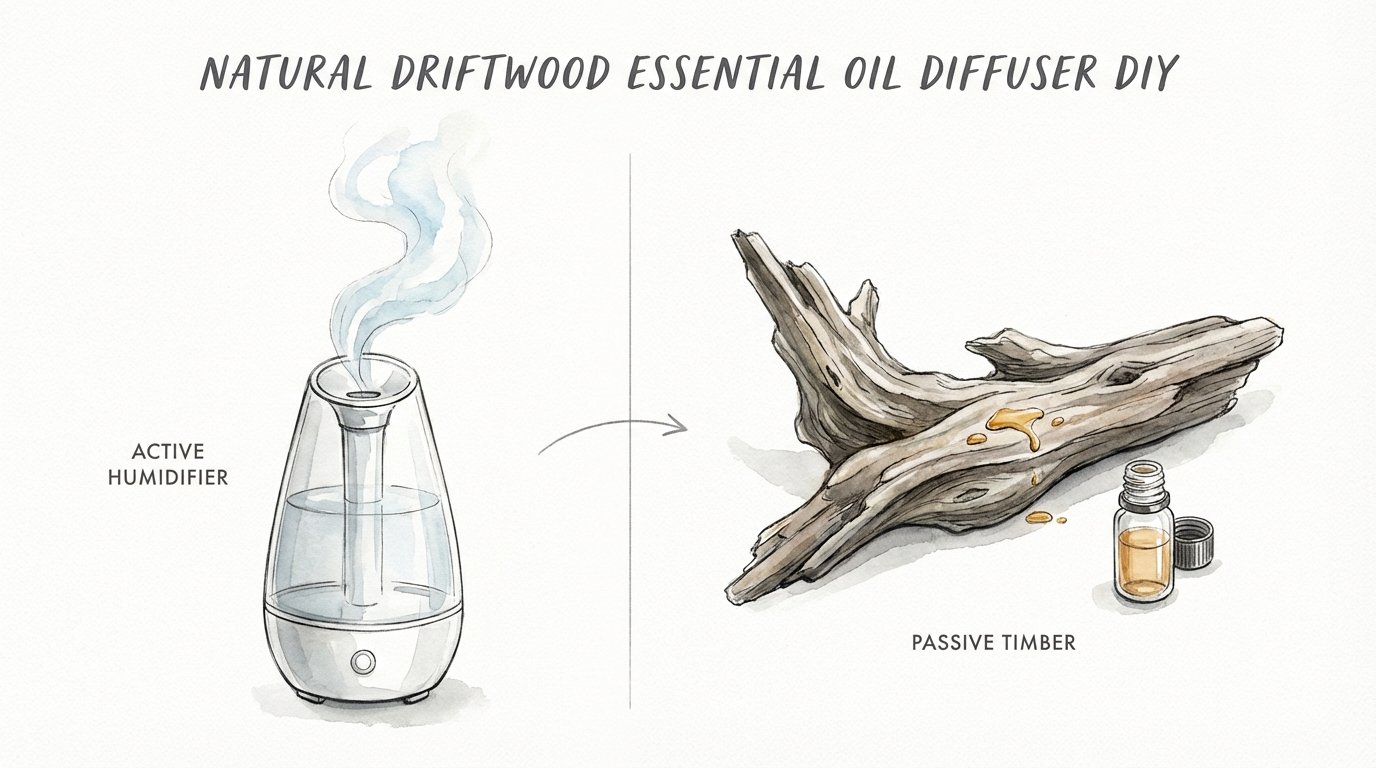
Why pay for electricity to freshen your air when the ocean has already provided the perfect porous wick? Ditch the plastic noise and the power bill. Salt-cured driftwood is nature’s most sophisticated diffuser. Its microscopic pores hold onto essential oils and release them slowly over days, acting as a passive atmospheric buffer in your home.
Instead of relying on a vibrating metal plate and a reservoir of stagnant water, you can harness the rugged resilience of timber that has survived the crushing tides.  . This method is not just about scent; it is about reclaiming a piece of the wild and putting it to work in your living space.
Nature does the heavy lifting, leaving you with a tool that requires no maintenance beyond a few drops of oil. This guide will walk you through the process of selecting, prepping, and utilizing driftwood as a functional aromatic anchor.
Natural Driftwood Essential Oil Diffuser Diy
A Natural Driftwood Essential Oil Diffuser Diy project is the art of repurposing ocean-weathered wood into a functional home fragrance system. Unlike mechanical diffusers that use ultrasonic waves or heat to force oil into the air, a driftwood diffuser relies on the intrinsic structure of the wood itself. When a tree falls into the sea, the salt water and sun strip away the bark, leach out the sap, and open the internal vascular system.
What remains is a skeletal structure of cellulose and lignin that is highly absorbent. These pieces of wood are essentially “pre-cured” by the elements, making them ideal vessels for essential oils. In a real-world setting, these diffusers serve as permanent fixtures on a mantle, a desk, or a bedside table, offering a constant, subtle scent throw that never feels artificial or overwhelming.
The beauty of this system lies in its simplicity. You are not building a machine; you are preparing a biological sponge. Because the wood has already been “cured” by salt and sun, it is dimensionally stable and resistant to the rot that would affect fresh, “green” wood. It exists as a bridge between the coastal outdoors and your interior environment, providing both a visual and olfactory connection to the natural world.
The Mechanics of Capillary Action and Porosity
To understand why driftwood works so well, you must look at the biology of the tree. Trees move water from roots to leaves through a network of tiny tubes called xylem. When wood becomes driftwood, these tubes are emptied of their fluid and sap. The salt in the ocean helps to break down the softer cell walls, leaving behind a network of microscopic tunnels.
When you drop essential oil onto the surface of seasoned driftwood, capillary action takes over. The oil is pulled deep into the grain, where it is stored in the wood’s internal reservoirs. Because the surface area of these internal pores is massive compared to the external size of the wood, the oil has plenty of space to sit and slowly evaporate.
The rate of diffusion is governed by the ambient temperature and the density of the wood. A branch of Manzanita, which is very dense, will hold onto scent longer but release it more slowly. A piece of softer, more porous wood like cedar or weathered pine will give off a stronger scent initially but may need to be “recharged” more frequently. This balance allows the driftwood to act as a natural regulator, smoothing out the peaks and valleys of scent intensity.
Essential Steps to Forge Your Own Diffuser
Creating a reliable diffuser starts with the hunt. You are looking for wood that is silver-grey, lightweight for its size, and free of any “fishy” or “musty” odor. If it smells like the sea in a bad way, it still has organic matter trapped inside that needs to be removed before you can use it for aromatherapy.
Once you have found your piece, the preparation process is critical. You cannot simply bring a piece of wood from the beach and start dripping expensive oils onto it. The following steps ensure the wood is safe, clean, and ready to absorb scent:
- Mechanical Cleaning: Use a stiff-bristled brush to remove sand, loose bark, and salt crust. If the wood has deep crevices, use a compressor or canned air to blow out any hidden debris.
- The Purge Soak: Submerge the wood in a tub of distilled water for at least 48 hours. This helps leach out excess tannins that could stain your furniture and neutralizes any remaining salt that might interfere with the oil’s chemistry.
- Sterilization: To ensure no microscopic pests or mold spores remain, you can either boil the wood for an hour (if it is small enough) or bake it in the oven at a low temperature—around 200°F (93°C)—for two to four hours. Keep a close eye on it to prevent scorching.
- The Sun Cure: Let the wood sit in direct sunlight for several days until it is bone-dry. The UV rays act as a final natural disinfectant and help “open” the pores for maximum oil absorption.
- Sanding the “Landing Zone”: If the wood is very smooth, use a bit of 80-grit sandpaper on a small, discreet area. This creates a slightly rougher surface that helps the essential oil “bite” into the wood rather than beaded up and rolling off.
Benefits of Passive Timber Diffusion
Choosing a Natural Driftwood Essential Oil Diffuser Diy approach over a standard plug-in unit offers several measurable advantages. The most immediate benefit is the lack of noise. Ultrasonic diffusers create a constant hum or water-dripping sound that can be distracting in a quiet bedroom. Driftwood is silent, making it the superior choice for sleep environments or meditation spaces.
Maintenance is another area where wood wins. An electronic diffuser requires frequent cleaning to prevent mold growth and mineral buildup from tap water. If you forget to clean a water-based diffuser, you are essentially misting bacteria into your lungs. A driftwood diffuser has no water reservoir and no moving parts. There is nothing to break, and the only “cleaning” required is an occasional dusting.
From an aesthetic standpoint, no two pieces of driftwood are alike. While plastic diffusers are mass-produced in factories, your driftwood diffuser is a one-of-a-kind sculptural element. It carries a history of the tides and the wind, providing a grounding, nostalgic presence that helps a house feel like a home. Furthermore, it consumes zero electricity, making it the most sustainable way to manage home fragrance.
Challenges and Common Mistakes
The most frequent error in this DIY process is impatience. Beginners often find a beautiful piece of wood and immediately apply oil. If the wood is still damp or contains high levels of salt and tannins, the oil will not penetrate the grain. Instead, it will sit on the surface, go rancid, and create a sticky, unpleasant mess.
Another pitfall is using poor-quality oils. Because driftwood relies on slow evaporation, synthetic “fragrance oils” often fail because they contain heavy carriers that clog the wood’s pores. Only use 100% pure essential oils. Oils like lemon, peppermint, and eucalyptus have smaller molecules and diffuse more readily through timber, while heavier oils like patchouli or vetiver will linger much longer but may require the wood to be warmed slightly to initiate the scent throw.
Placement is also a factor that many overlook. If you place your driftwood in a cold, damp corner with no airflow, the scent will stay trapped within the wood. For the best results, the diffuser needs to be in a location with natural air movement—near a window, a doorway, or a vent. 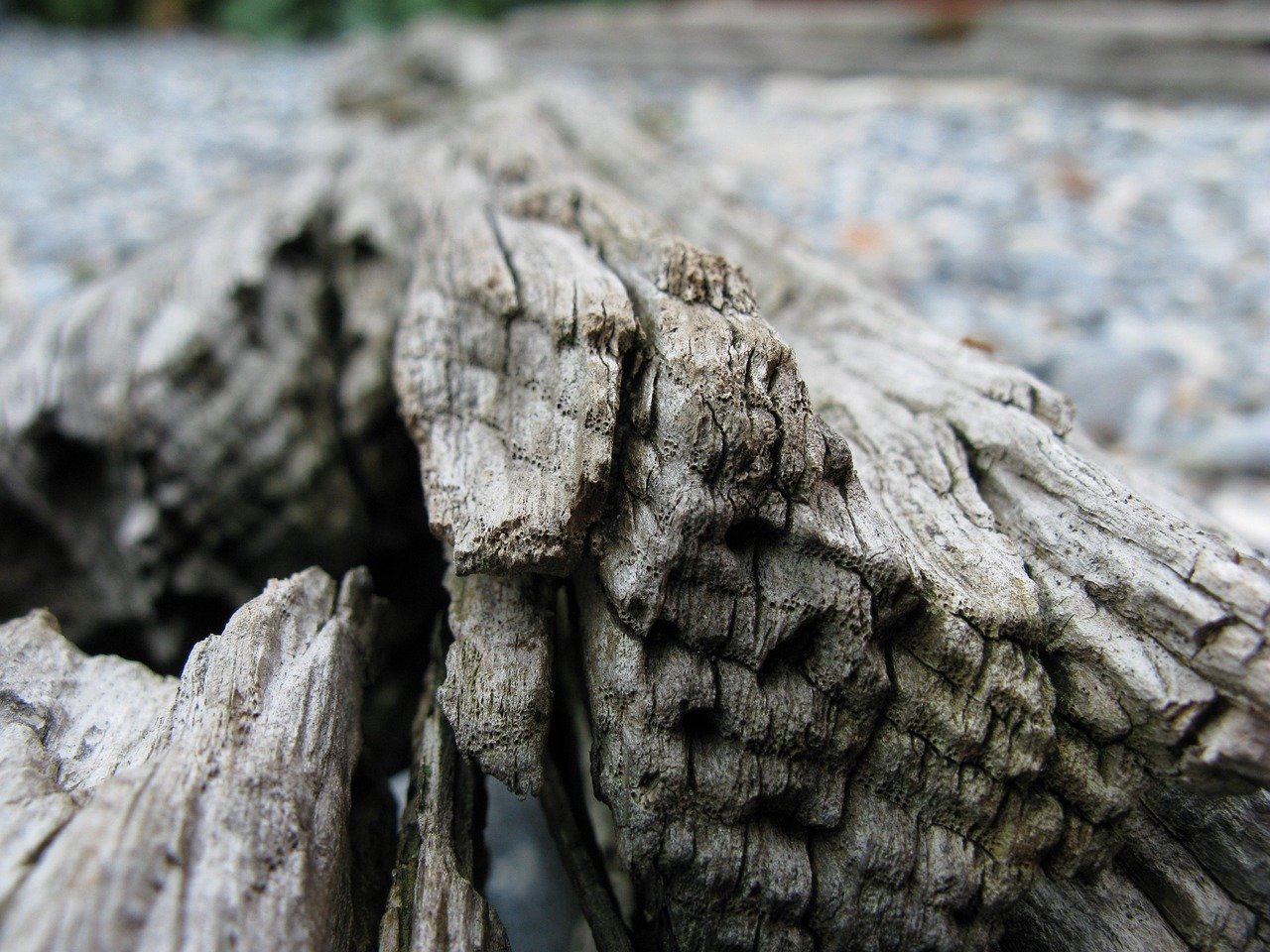 . This allows the air to “wash” over the wood and carry the volatile organic compounds throughout the room.
Limitations of the Driftwood Method
While driftwood is an excellent passive diffuser, it is not a replacement for a humidifier. If you are looking to add moisture to a dry room during winter, a piece of wood will not help. Passive timber diffusion is designed specifically for scenting, not for altering the humidity of a space.
Scale is also a limitation. A small, six-inch piece of driftwood is not going to scent a large, open-concept living room with twenty-foot ceilings. This method works best in localized “zones.” You might have one on your nightstand for lavender oil, another in the bathroom for eucalyptus, and a larger piece on a desk for rosemary. If you want a house-wide scent, you will need multiple pieces of wood strategically placed.
The scent intensity is not adjustable with a dial or a remote. Once you apply the oil, the wood will release it at its own natural pace. You can increase the scent by adding more drops, but you cannot “turn it down” easily. If you over-apply a strong oil like oregano or clove, you may find yourself having to move the wood outdoors until the initial “punch” of the scent has dissipated.
Comparison: Active Humidifier vs Passive Timber
The following table highlights the key differences between modern active diffusers and the traditional passive timber approach.
| Feature | Active Humidifier/Diffuser | Passive Timber (Driftwood) |
|---|---|---|
| Power Source | Electricity (Plug-in or Battery) | None (Passive Evaporation) |
| Noise Level | Humming, Gurgling | Silent |
| Maintenance | Weekly Cleaning, Descaling | Occasional Dusting |
| Longevity of Device | 2-5 Years (Electronics fail) | Indefinite (Generational) |
| Scent Reach | Room-wide to House-wide | Localized Scent Zone |
| Cost | $30 – $150+ | Free to $10 (DIY) |
Practical Tips and Best Practices
Maximizing the effectiveness of your Natural Driftwood Essential Oil Diffuser Diy requires a few tactical adjustments. To prolong the life of a single application of oil, try applying the drops into a natural crack or hole in the wood. This protects the oil from immediate air exposure and creates a “deep-well” effect, allowing the scent to seep out slowly over several days rather than evaporating off the flat surface in a few hours.
Think of your oils in terms of layers. Start with a “base” oil like Cedarwood or Sandalwood. Apply several drops and let them soak in for an hour. Then, add your “top” notes like Sweet Orange or Bergamot. The base oil will slow down the evaporation of the lighter top notes, creating a more complex and long-lasting aroma profile.
If you find that your driftwood has stopped absorbing oil effectively, it may be “saturated” with old resin or dust. Give the wood a light sanding with fine-grit sandpaper to expose a fresh layer of fibers. This “resets” the wood and restores its capillary function. Additionally, rotating your pieces—keeping one in use while another “rests” in a sunny window—can help prevent scent fatigue and keep the wood fibers from becoming brittle.
Advanced Scent Crafting and Maintenance
For the serious practitioner, driftwood is more than just a wick; it is a canvas for olfactory engineering. Different types of driftwood interact differently with oils. For instance, Malaysian driftwood is often very dark and dense, holding heavy, musky scents beautifully. Cholla wood, which is actually a cactus skeleton found in desert regions (and often washed into rivers), is hollow and exceptionally porous, making it perfect for rapid, high-intensity diffusion of bright citrus oils.
Consider the “seasoning” of your wood. Just as a cast-iron skillet gets better with age, a piece of driftwood that has been used with the same essential oil blend for a year will develop its own aromatic “patina.” The wood fibers become impregnated with the oils, creating a permanent base scent that persists even when you haven’t added fresh drops for a week. This is particularly effective with oils like Frankincense or Vetiver.
Maintenance in the advanced stage involves monitoring the health of the wood. Driftwood is essentially dead organic matter. If it is kept in a high-humidity environment like a bathroom without proper airflow, it can eventually develop surface mold. To prevent this, ensure your bathroom has a functioning exhaust fan, or move the driftwood to a dry room for a day or two each week to let it “breathe” and shed any excess moisture.
Scenario: Transforming a Coastal Cottage
Imagine a small guest room in a coastal cottage that has a slightly stale, shut-up smell. Instead of spraying a chemical aerosol, you place a large, weathered piece of cedar driftwood on the windowsill. You apply six drops of Lemon Myrtle and four drops of Siberian Fir into the deepest grooves of the wood.
As the afternoon sun hits the wood, it warms the timber, exciting the oil molecules. Within an hour, the room no longer smells like a closet; it smells like a fresh forest meeting the sea. . The guest arrives and notices the scent, but cannot find the “machine” responsible for it. The driftwood looks like a natural piece of decor, hiding its functional purpose in plain sight.
By the second day, the bright citrus notes have softened, leaving a clean, woody undertone that lingers until the guest leaves. No one had to remember to turn it off, no one had to refill a water tank, and no one was bothered by the blinking light of a power button. The wood did exactly what it was designed to do: buffer the atmosphere quietly and effectively.
Final Thoughts
The Natural Driftwood Essential Oil Diffuser Diy represents a return to a more deliberate and grounded way of living. It challenges the notion that every home problem requires a mechanical or electronic solution. By understanding the simple physics of wood porosity and the natural history of salt-curing, you can create an aromatic system that is both beautiful and indestructible.
This project is a perfect entry point for anyone looking to reduce their reliance on plastic and electricity. It encourages you to get outside, explore your local shorelines, and look at the “debris” of the natural world with a new sense of utility. Whether you are a minimalist, a survivalist, or just someone who appreciates a good scent, salt-cured timber is a tool that will never let you down.
Experiment with different woods and oil combinations. Notice how the scent changes as the wood ages and how the atmosphere of your room shifts with the seasons. You have the ocean’s most sophisticated wick at your disposal—put it to work and let nature provide the fragrance.
Sources
1 wikihow.com (https://www.wikihow.com/Preserve-Driftwood) | 2 theshrimpfarm.com (https://www.theshrimpfarm.com/posts/transform-your-tank-choosing-the-best-aquarium-driftwood-for-a-natural-aquascape/) | 3 seventhavenuecandles.com (https://seventhavenuecandles.com/blogs/blog/driftwood-scent-fragrance) | 4 diydriftwood.com (https://diydriftwood.com/tag/clean-driftwood/) | 5 aprettyfix.com (https://aprettyfix.com/disinfect-driftwood/) | 6 youtube.com (https://www.youtube.com/watch?v=o8n0DzWf4cY)