Your storage can either be a desert or a sanctuary—the choice is yours. Why hide your driftwood in a garage when it can serve as a vertical forest edge? This rewilding storage method keeps your wood dry and sorted while the natural nooks and crannies provide critical habitat for local pollinators. It turns your ‘inventory’ into a living landscape feature that strengthens your local ecosystem until you’re ready to use the wood.
If you have spent any time walking the shoreline, you know the pull of a silvered, salt-crusted limb. These pieces of wood carry stories of the tide, but once they come home, they often end up in plastic bins or dark corners. This sterile approach keeps the wood “safe” from the elements, but it also strips it of its potential to serve the land.
By shifting your perspective, you can transform a simple wood pile into a functioning part of your backyard ecology. You aren’t just storing material for a future project; you are building a bridge between your creative work and the wild world. This guide will show you how to master the art of nature-friendly driftwood storage.
Nature Friendly Driftwood Storage
Nature-friendly driftwood storage is a method of seasoning and organizing salvaged wood that mimics the natural structure of a forest edge or a “dead hedge.” Instead of hiding wood away, you integrate it into your landscape in a way that benefits both the craftsman and the critter. It is a functional pantry for your materials and a “Wild Larder” for the creatures that keep your garden healthy.
In the wild, dead wood is a cornerstone of life. When a tree falls or a limb washes up on a riverbank, it becomes a high-rise apartment for beetles, solitary bees, and fungi. Most modern storage methods seek to kill off this biological activity immediately, fearing that a few bugs might ruin a future carving.
However, rewilding your storage acknowledges that most of these “pests” are actually beneficial neighbors. Solitary bees, such as leafcutter and mason bees, look for the deep, dry crevices found in weathered wood to lay their eggs. By stacking your driftwood vertically or in loose, airy piles, you provide these pollinators with a safe harbor while allowing the wood to season naturally in the wind and sun.
This method is used by permaculture practitioners, ecological artists, and homesteaders who want to maximize the utility of their space. It works anywhere you have a small patch of earth—from a suburban garden to a coastal acreage. The goal is to create a storage system that looks like it belongs in the woods, rather than a warehouse.
Building the Vertical Forest Edge
Constructing a vertical forest edge requires a blend of structural logic and an eye for natural aesthetics. You aren’t just tossing logs into a heap; you are engineering a system that promotes airflow while creating varied micro-climates for wildlife.
The first step is selecting a site that receives plenty of sunlight and wind. Sunlight is your best friend when it comes to seasoning wood, as it helps pull moisture from the core and bleaches the surface to that sought-after silver-grey patina. Wind acts as a natural fan, preventing the stagnant humidity that leads to rot rather than seasoning.
Start your pile by creating a “sacrificial” base layer. Use large, less-valuable logs or even a row of flat rocks to keep your prized driftwood off the damp soil. Direct ground contact is the primary cause of rapid decay because it allows moisture to wick upward into the wood fibers. By raising the stack even a few inches, you create a dry zone that preserves the integrity of your material.
When stacking, place your largest and heaviest pieces at the bottom for stability. As you move upward, lean your driftwood pieces vertically against a support structure—like a sturdy fence or a purpose-built frame. This vertical orientation mimics the “standing deadwood” found in healthy forests. It allows rain to shed quickly off the sides and creates deep, vertical channels that solitary bees find irresistible.
Leave intentional gaps between the pieces. A common mistake is packing the wood too tightly, which turns your storage into a solid mass that traps moisture. Think of it as a “loose weave.” You want enough space for a wren to hop through or for a breeze to pass through the center of the stack. This ensures that even the pieces buried in the middle of the pile stay dry and usable for years.
Benefits of a Living Landscape Feature
Choosing a nature-friendly storage method offers practical advantages that go far beyond simple organization. For the craftsman, the primary benefit is the quality of the seasoning. Wood that dries in the open air, subject to the natural cycle of sun and wind, often develops a more stable grain and a more authentic weathered look than wood dried in a kiln or a dark shed.
From an ecological standpoint, the benefits are measurable. A well-constructed driftwood stack can support hundreds of species. Beetles and woodlice move into the lower, more humid sections, breaking down the outer bark and turning it into rich humus that feeds your soil. These insects, in turn, attract birds like nuthatches and woodpeckers, turning your storage area into a hub of activity.
Perhaps the most significant benefit is the support of local pollinators. Many native bee species do not live in hives; they are solitary creatures that need existing holes in wood to raise their young. By providing a “vertical forest edge,” you are offering a five-star hotel for these essential garden helpers. In exchange, they will pollinate your flowers and vegetables, increasing your garden’s yield.
Finally, there is the aesthetic value. A raw driftwood wall is a striking visual feature. It provides a sense of enclosure and privacy, acting as a natural screen that changes with the seasons. 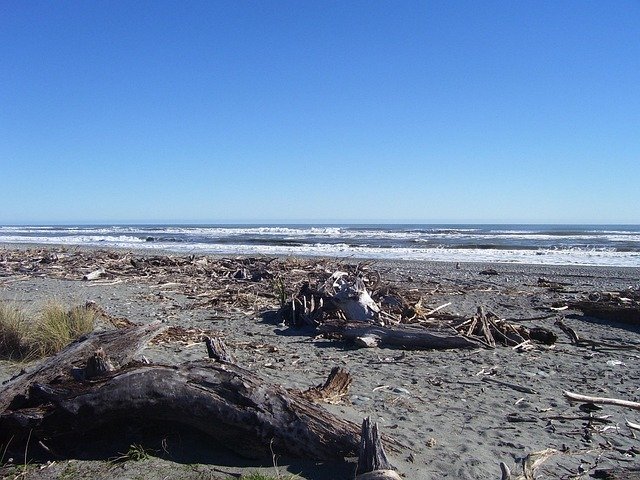 . In the winter, the silvered wood catches the frost; in the summer, it provides a backdrop for climbing plants or a perch for songbirds. It is a “sanctuary” for both you and the wild.
Challenges and Common Pitfalls
The most frequent challenge in outdoor wood storage is managing the transition from “seasoning” to “rotting.” While we want to support life, we don’t want our best carving pieces to crumble into dust before we get to them. The line between these two states is moisture. If your pile is in a low-lying, swampy area, the wood will decay regardless of how well you stack it.
Another common mistake is placing the storage pile too close to your home’s foundation. While the “Wild Larder” is great for the garden, you don’t want to invite termites or carpenter ants to bridge the gap between your driftwood and your house. Always keep your wood stacks at least 10 to 15 feet away from any wooden structures to maintain a safe buffer zone.
Instability is a physical risk that many beginners overlook. Driftwood is often irregularly shaped, making it difficult to stack securely. A pile that looks stable can easily topple during a heavy storm or if a child tries to climb it. Use sturdy vertical posts or a heavy-duty wire mesh frame to “corral” the wood and ensure the stack cannot lean or collapse.
Lastly, be mindful of “pioneer-grit” vs. “neglect.” Rewilding doesn’t mean ignoring the wood. You should periodically rotate your stock. Use the pieces at the bottom of the pile—the ones most exposed to moisture—first. If you find a piece is starting to soften or “spalt” (develop fungal patterns), it’s time to bring it into the workshop or move it to a dedicated “decay pile” where it can return to the earth fully.
Limitations and Environmental Constraints
This storage method is not a “one size fits all” solution. In extremely humid climates with high rainfall, even the best-ventilated stack may struggle to keep wood dry enough for fine woodworking. In these environments, you might need to add a simple “living roof” or a cedar shingle topper to the stack to shed the worst of the rain while keeping the sides open to the wind.
Fire safety is another serious constraint. In arid regions prone to wildfires, keeping a large pile of dry, seasoned wood near your property is a significant hazard.  . In these cases, you must follow local defensible space guidelines. You may need to scale down the size of your “vertical forest edge” or ensure it is located in a cleared area far from any structures or flammable brush.
Space is also a factor. If you live in an urban environment with a tiny backyard, a massive driftwood wall might not be feasible. You can still apply the principles of nature-friendly storage by using a smaller “stumpery” or a single vertical log feature. The goal is the quality of the habitat and the quality of the wood seasoning, not necessarily the sheer volume of material.
The Sterile Box vs. The Wild Larder
To help you decide which approach fits your needs, consider the differences between traditional “sterile” storage and the “wild larder” philosophy.
| Feature | Sterile Box (Garage/Bin) | Wild Larder (Vertical Edge) |
|---|---|---|
| Ecological Impact | None (Biological Desert) | High (Habitat for Pollinators) |
| Seasoning Quality | Slow/Potential for Mold | Excellent (Natural Airflow/Sun) |
| Maintenance | Low (Set and Forget) | Moderate (Periodic Rotation) |
| Aesthetic Appeal | Tidiness/Hidden | Natural/Artistic Feature |
| Risk of Infestation | Low (Isolated) | Managed (Part of Ecosystem) |
Practical Tips for Success
If you want to take your nature-friendly storage to the next level, start by intentionally creating “bee hotels” within your stack. Take a drill and some bits ranging from 2mm to 10mm in diameter. Drill deep, horizontal holes into the ends of some of your more “artistic” but less structurally critical pieces. These holes provide immediate nesting sites for solitary bees.
Use natural materials for any structural supports. Instead of using pressure-treated lumber, which can leach chemicals into the ground and deter insects, use locust or cedar posts. These woods are naturally rot-resistant and fit the aesthetic of a rewilded space. If you need to tie pieces together, use natural jute or sisal twine rather than plastic zip ties.
Grading your wood is another best practice. Keep your “fine carving” driftwood in the upper, driest sections of the stack. Use the rougher, heavier pieces as the framework. By organizing your inventory this way, you ensure that the most valuable material receives the most sun and airflow, while the “workhorse” pieces provide the habitat and structure at the base.
If you find a piece has become particularly beautiful due to a specific fungus or weathering pattern, consider “saving” it with a natural finish. A light coat of hemp seed oil or tung oil can protect the wood from further decay while still allowing it to remain part of the outdoor landscape. This bridge between “raw material” and “finished art” is what makes this storage method so unique.
Advanced Considerations for Serious Practitioners
For those who want to go beyond basic storage, consider the role of mycology. Your wood stack is a giant substrate for fungi. While we generally avoid “rot,” certain types of fungi—like those that cause spalting—can actually increase the value and beauty of the wood. You can “inoculate” specific logs in your stack with desirable fungi to create unique patterns in the grain.
Think about carbon sequestration. By keeping your wood in a slow-decay cycle rather than burning it or letting it rot in a damp heap, you are essentially locking away carbon. A large driftwood wall acts as a small-scale carbon sink. This is rewilding at its most practical level: using your hobby to contribute to the health of the planet.
Consider the “Succession” of your materials. As your driftwood seasons over 5 to 10 years, it will change. Some pieces will become harder and more stable, while others will begin to soften. An advanced practitioner learns to read these changes, harvesting wood at the perfect moment for its intended use—whether that is a polished lamp base or a rugged outdoor bench.
Finally, consider scaling. If you have the space, you can create a “wildlife corridor” by connecting several driftwood stacks with native plantings. This creates a continuous path for small mammals and insects to move through your garden safely. Your storage system then becomes more than just a pile; it becomes a vital artery of your local ecosystem.
Scenario: The Coastal Artisan’s Driftwood Wall
Imagine a woodworker living near the Oregon coast. They collect dozens of pieces of cedar and fir driftwood every winter. Instead of stacking this wood in a dark basement where it might never dry in the humid coastal air, they build a 10-foot-long “driftwood wall” along the northern edge of their property.
They use heavy driftwood stumps as the foundation, set on a bed of gravel to ensure drainage. They lean the long, salt-bleached branches vertically against a simple frame made of salvaged cedar posts. This wall acts as a windbreak for their vegetable garden, sheltering delicate plants from the harsh salt spray of the Pacific.
Within a single season, the artisan notices mason bees moving into the natural crevices. By the second year, the wood has seasoned to a perfect 12% moisture content, ready for the workshop. Because the wood dried in the salt-rich coastal air, it has developed a unique durability. When they pull a piece for a project, they simply slide it out of the stack and replace it with a fresh find from the beach.
Final Thoughts
Rewilding your driftwood storage is an act of “pioneer-grit” and ecological stewardship. It is a refusal to accept the sterile, partitioned life of the modern consumer. By building a vertical forest edge, you are honoring the wood’s journey from the forest to the sea and back to the land. You are creating a space where your craft and the wild world can exist in harmony.
This approach requires more patience than a plastic bin, but the rewards are far greater. You get better-seasoned wood, a healthier garden, and the satisfaction of knowing that your backyard is a sanctuary for the creatures that need it most. It turns your “inventory” into an investment in the earth.
Start small. Build one stack. Drill a few holes for the bees. Watch how the birds react. . As you see the life that flourishes in your “Wild Larder,” you may find that the storage pile becomes your favorite part of the garden. The choice is yours—make it a sanctuary.
Sources
1 creativestarlearning.co.uk (https://creativestarlearning.co.uk/early-years-outdoors/log-piles-creating-a-flourishing-wildlife-community/) | 2 rspb.org.uk (https://www.rspb.org.uk/helping-nature/what-you-can-do/activities/create-a-log-pile-for-wildlife) | 3 plantersplace.com (https://plantersplace.com/wild-life-gardening-journal/creating-wildlife-havens-with-logs-and-wood/) | 4 tnnursery.net (https://www.tnnursery.net/blogs/garden-blog/driftwood-has-many-uses) | 5 butterfly-conservation.org (https://butterfly-conservation.org/news-and-blog/dig-it-the-secret-gardener-explains-why-leaving-wood-in-your-garden-is-so-important) | 6 e-gardens.co.uk (https://e-gardens.co.uk/deadwood-habitats-bursting-with-life/) | 7 youtube.com (https://www.youtube.com/watch?v=MPSx6buv3N8) | 8 chopmytree.com (https://chopmytree.com/how-to-protect-stored-firewood-from-pests-and-rot/) | 9 wikihow.com (https://www.wikihow.com/Preserve-Driftwood) | 10 itsmowtime.co.uk (https://itsmowtime.co.uk/blog-articles-1/f/why-you-should-leave-that-deadwood-in-your-garden) | 11 reddit.com (https://www.reddit.com/r/Aquariums/comments/m4gcvv/how_do_i_safely_prepare_driftwood_i_found_in_the/) | 12 hometalk.com (https://www.hometalk.com/diy/upcycle/q-how-to-preserve-large-driftwood-piece-44401954) | 13 biologicalrecording.co.uk (https://biologicalrecording.co.uk/2025/02/13/shelter-deadwood/) | 14 growingwithnature.org (https://www.growingwithnature.org/your-garden-needs-logs-and-rocks/) | 15 heartofenglandforest.org (https://heartofenglandforest.org/news/importance-deadwood-wildlife)