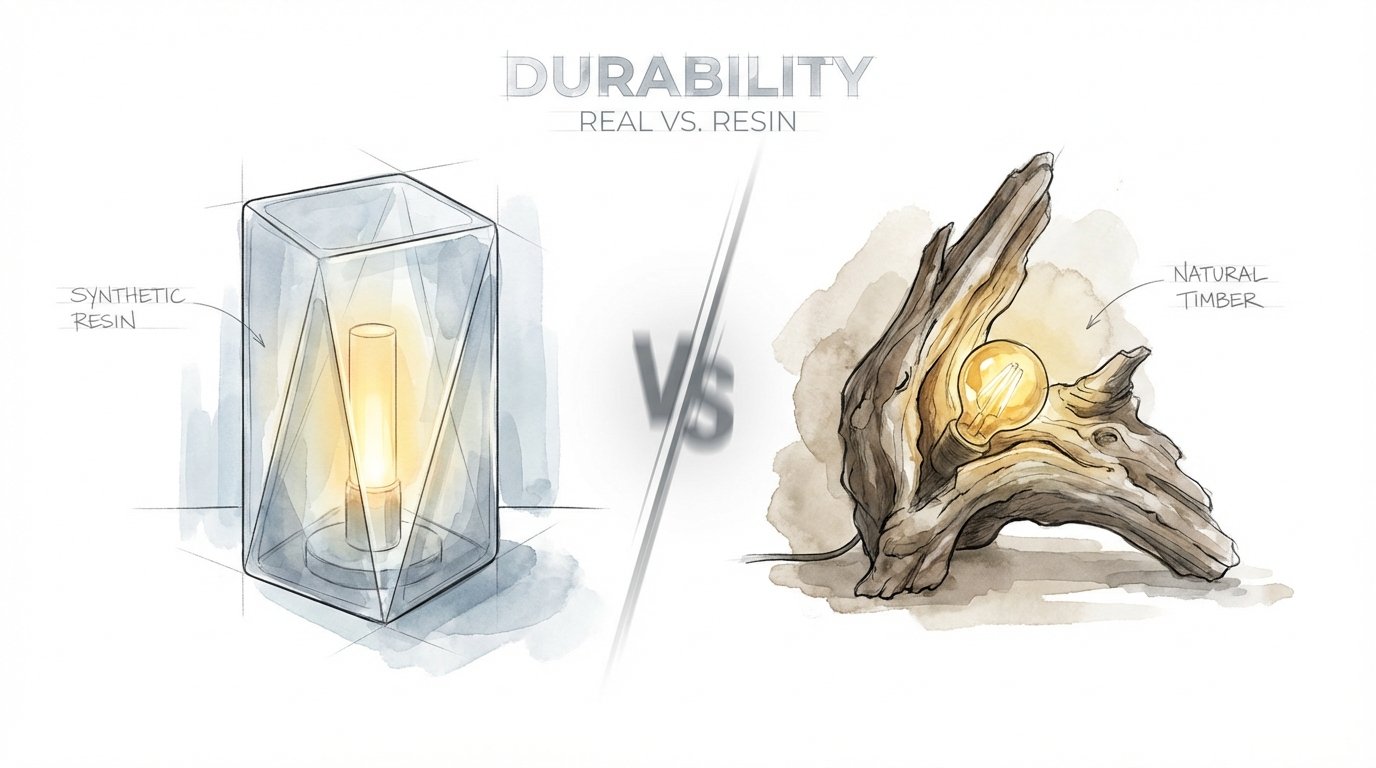
Real Driftwood Vs Resin Lamp Durability
Can your home decor tell the difference between a factory mold and twenty years of Atlantic history? Synthetic ‘driftwood’ is just plastic destined for a landfill, carrying the chemical scent of manufacturing. Real driftwood lighting carries the salt of the sea and a texture that no machine can replicate. One is a hollow imitation; the other is a resilient piece of the earth that has survived the ultimate stress test. Which one do you want holding your light?
Choosing between authentic coastal timber and a chemical reproduction is a decision that affects the soul of a room. Natural materials bring a sense of grounding and history into a living space, acting as a bridge between the wild outdoors and our modern shelters. When you flip the switch on a real driftwood lamp, you aren’t just illuminating a corner; you are highlighting a journey across currents and through storms.
This choice matters because our homes are increasingly filled with temporary objects. Plastic resins and mass-produced molds offer a fleeting convenience, but they lack the pioneer-grit and longevity of material that has been hardened by the elements. Understanding the difference between these two paths is the first step in creating a space that feels permanent, intentional, and alive.
Real Driftwood Vs Resin Lamp Durability
Authenticity in home decor is often measured by how a piece handles the passage of time. Real driftwood is essentially “pre-stressed” wood. It has spent years, sometimes decades, being tumbled by tides, bleached by the sun, and scoured by sand. This natural process strips away the soft, rot-prone outer layers, leaving behind a dense, skeletal core of cellulose and lignin that is remarkably stable.
Synthetic resin lamps, while initially appearing sturdy, are fundamentally different. Most are made from petroleum-based polyresin or epoxy, which are essentially plastics. Over time, these materials face a common enemy: UV degradation. When exposed to the sunlight streaming through a window, the chemical bonds in resin can begin to break down, leading to yellowing, micro-cracking, and a loss of structural integrity.
Real timber ages with a grace that plastic cannot mimic. While a resin lamp might chip and reveal a white, chalky interior, a piece of authentic driftwood only gains character. If a real wood lamp is bumped or scratched, the “damage” often blends into the existing weathered texture. In the world of durability, the ocean-tested timber wins because it has already survived the harshest environments on the planet before it ever reached your end table.
How the Transformation Happens: From Beach to Bulb
Turning a raw piece of coastal debris into a high-end lighting fixture is a process of patience and precision. It begins with the hunt. Artisans look for pieces that have a natural balance and a silhouette that suggests movement. A piece found in a riverbed might be heavy and dark, while Atlantic-washed wood is often silver-grey and light as a bone.
The first critical step is stabilization. Raw wood from the wild carries hitchhikers—marine bacteria, salt, and occasionally wood-boring insects. Professional makers use a sanitization protocol that usually involves a deep soak in a diluted bleach solution or a pressurized steam treatment. This kills any biological activity and ensures the piece is safe for indoor use.
Once clean, the wood must be cured. 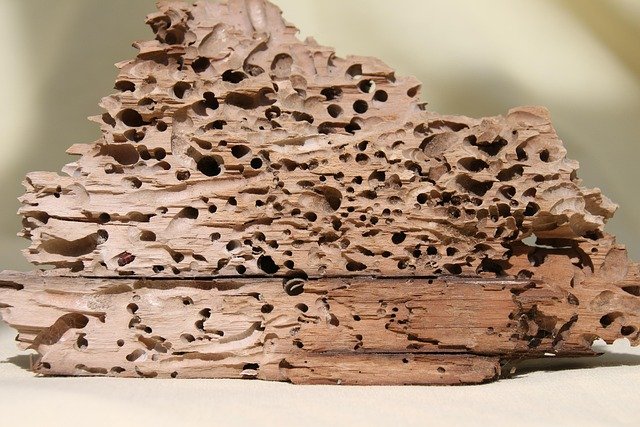 . This isn’t just drying; it’s a slow transition to the humidity levels of a standard home. If dried too quickly, the wood might check or crack. After curing, the artisan carefully bores a path for the internal wiring.
  . This requires a steady hand and specialized long-reach drill bits to navigate the unpredictable curves of the branch without breaking through the “skin” of the wood.
The Benefits of Choosing Natural Timber
Opting for authentic driftwood provides measurable benefits that extend beyond simple aesthetics. One of the primary advantages is the psychological impact of biophilic design. Research suggests that surrounding ourselves with natural textures and organic forms can lower cortisol levels and improve focus. The unpredictable grain of real wood provides a visual “rest” that flat, synthetic surfaces cannot offer.
Environmental stewardship is another driving factor. Natural driftwood is a renewable resource that has been “harvested” by the weather. Using it in home decor repurposes what would otherwise be coastal waste. Unlike resin lamps, which require fossil fuel extraction and release volatile organic compounds (VOCs) during manufacturing, a driftwood lamp has a significantly lower carbon footprint.
Each piece is a singular event in history. Because no two branches are ever shaped by the waves in the exact same way, you are guaranteed a one-of-a-kind sculpture. This exclusivity adds value to a home, turning a functional object into a conversation piece that reflects a commitment to quality over mass-consumption.
Challenges and Common Mistakes
Working with natural driftwood is not without its hurdles. One of the most common mistakes DIY enthusiasts make is failing to properly leach the salt from the wood. If salt remains deep in the fibers, it can attract moisture from the air, leading to a “weeping” effect that can damage the electrical components or ruin the finish on the furniture beneath the lamp.
Structural balance is another challenge. Driftwood is often top-heavy or oddly shaped. Without a weighted base or a carefully calculated center of gravity, a beautiful lamp can become a tipping hazard. Professionals often use heavy steel or solid stone bases to anchor the wood, ensuring the lamp remains stable even if the branch reaches far to one side.
Ignoring the “wizard’s staff” rule is a frequent pitfall for beginners. This refers to the tendency to over-process the wood—sanding away all the character until it looks like a standard dowel rod. The goal should be to preserve the history written in the wood’s texture. If you sand away the silver patina or the deep grooves, you lose the very reason for choosing driftwood in the first place.
Limitations of the Medium
There are times when real driftwood might not be the ideal choice for a specific project. Weight is a major constraint. A large, water-saturated piece of hardwood driftwood can be incredibly heavy, making it difficult to wall-mount or place on delicate glass shelving. Designers must account for this by ensuring the architectural support can handle the load.
Size and availability also play a role. You cannot simply “order” a 4-foot branch with a 90-degree bend from a factory. You are at the mercy of what the sea provides. This makes scaling a design for a large hotel or commercial space difficult unless you have a vast inventory of found pieces to choose from.
Finally, driftwood does not play well with high-moisture environments if it hasn’t been properly sealed. In a bathroom with poor ventilation, the porous nature of the wood can lead to mold growth. While it survived the ocean, it did so by being constantly washed; sitting in a damp, stagnant room is a different story entirely.
Synthetic Mold vs. Natural Timber: A Direct Comparison
| Feature | Synthetic (Resin) | Natural (Driftwood) |
|---|---|---|
| Visual Depth | Surface-level paint; repetitive patterns. | Deep grain; unique weathered patina. |
| Eco-Impact | High (Petroleum-based, non-recyclable). | Low (Renewable, carbon-sequestering). |
| Longevity | Brittle over time; chips easily. | Inherently resilient; ages gracefully. |
| Tactile Feel | Smooth, warm, “plasticky” touch. | Complex, textured, earthy feel. |
| Maintenance | Wipe with a damp cloth. | Occasional oiling or light dusting. |
Practical Tips for Maintaining Real Driftwood
Keeping a driftwood lamp in top condition requires very little effort, but consistency is key. Dust is the primary enemy. Because driftwood is often deeply textured, dust can settle into the grooves and dull the appearance of the wood. A soft-bristled brush or a can of compressed air is much more effective than a cloth for cleaning these irregular surfaces.
Periodic hydration is beneficial for pieces that have been finished with oil. Every year or two, applying a light coat of high-quality tung oil or mineral oil can refresh the wood’s appearance and prevent it from becoming overly brittle in dry climates. Avoid using heavy waxes or glossy varnishes that sit on top of the wood; you want a finish that penetrates the fibers.
Heat management is vital for the safety of the wood. Always use LED bulbs in driftwood fixtures. Traditional incandescent bulbs generate significant heat, which can cause the wood to dry out unevenly or even char if the socket is mounted too close to the branch. LEDs run cool and are much safer for the organic materials.
Advanced Considerations for Collectors
Serious practitioners of coastal decor often look for “petrified” or “salt-hardened” pieces. These are woods that have been submerged in highly saline environments for so long that the minerals have begun to replace some of the organic matter. This results in a piece that is exceptionally heavy and has a stone-like ring when tapped.
Integrating modern technology into these ancient forms is another area of growth. . Some high-end designers are now embedding fiber-optic strands or thin LED strips directly into the natural cracks of the wood. This creates a “glow from within” effect that highlights the internal architecture of the branch without the need for a traditional lampshade.
When sourcing, check for the species of wood if possible. Hardwoods like oak, cedar, or teak make for much more durable lamps than softwoods like pine or spruce. The denser the wood, the better it will hold a thread for screws and the more resistant it will be to the structural stress of holding a heavy light fixture.
Example Scenario: The Modern Coastal Living Room
Imagine a sleek, minimalist living room in a city apartment. The furniture is all straight lines—grey linen sofas and black steel coffee tables. In the corner stands a 6-foot floor lamp made from a single, spiraling piece of sun-bleached cedar driftwood.
The contrast is immediate. The “pioneer-grit” of the wood breaks up the mechanical perfection of the room. When the sun hits the lamp during the day, you see the intricate salt-patterns and the silver sheen of the grain. At night, the warm light catches the underside of the gnarled branches, casting complex shadows that bring the wall to life. This isn’t just a lamp; it’s an anchor that keeps the modern space from feeling sterile.
In this scenario, a resin lamp would fail the test. A guest might admire the shape from a distance, but upon closer inspection, the lack of real texture and the repetitive mold marks would reveal it as a pretender. The real wood tells a story of the Atlantic; the resin tells a story of a factory floor.
Final Thoughts
Investing in authentic driftwood lighting is an act of bringing the resilience of nature into the heart of your home. It represents a rejection of the “disposable” culture of plastic and a commitment to materials that have been forged by time and tide. While synthetic options might offer a lower price point or easier initial cleanup, they cannot compete with the soul and durability of the real thing.
Authentic pieces carry a weight of history that grounds a room. Whether you are an experienced collector or a beginner looking for your first statement piece, choosing natural timber ensures that your home decor will stand the test of time. These lamps are more than just functional objects; they are survivors of the sea, ready to hold the light in your sanctuary for decades to come.
As you look for your next piece, remember to look for the signs of a true journey—the deep grooves, the silvered patina, and the unpredictable curves. These are the marks of a material that has already won the battle against the elements. Why settle for a plastic imitation when you can own a piece of the earth’s own history?
Sources
1 oceanhomemag.com (https://www.oceanhomemag.com/home-design/driftwood-decor/) | 2 resiners.com (https://resiners.com/blogs/resiners-guide/is-resin-bad-for-the-environment) | 3 ashdeco.com (https://ashdeco.com/blogs/room-ideas/wood-floor-lamp-styles-guide) | 4 coastalcottagebyceleste.com (https://www.coastalcottagebyceleste.com/diy/lr0iwt1wrtsiz0a4dzvpbq3m5awhyk) | 5 wikihow.com (https://www.wikihow.com/Clean-Driftwood) | 6 vietaquaticwoods.com (https://vietaquaticwoods.com/driftwood-lamps/) | 7 aquariacentral.com (https://www.aquariacentral.com/forums/threads/fake-wood-vs-real-wood.71934/) | 8 reddit.com (https://www.reddit.com/r/fishtank/comments/1hz8dcf/opinions_on_fake_drift_wood/) | 9 aqua-fish.net (https://en.aqua-fish.net/articles/aquarium-driftwood-faq-guide) | 10 homestyler.com (https://www.homestyler.com/article/driftwood-decor-redefined) | 11 lightingandlights.co.uk (https://www.lightingandlights.co.uk/blog/2023/06/sustainable-lighting-choosing-eco-friendly-solutions/) | 12 homestyler.com (https://www.homestyler.com/article/large-driftwood-wall-decor) | 13 youtube.com (https://www.youtube.com/watch?v=nGsoVYZvT3c) | 14 fishgeeks.com (https://fishgeeks.com/driftwood-cleaning/) | 15 dksstores.com (https://vertexaisearch.cloud.google.com/grounding-api-redirect/AUZIYQHQGRZdON-aZ6wYgTrOmnBLSriP0boYxV207Jtb0rjEOCSCfAAUE13Nyq–Wo0xdxy9WSCR9xdcTKmO7K8DUdpKLhQ8NCoxTjdhyOx_KFgGPfb4UqOEoduhnmtJC1M=) | 16 alibaba.com (https://plantin.alibaba.com/buyingguides/artificial-driftwood) | 17 vertecbiosolvents.com (https://www.vertecbiosolvents.com/resin-environmental-impact-and-sustainable-alternatives) | 18 aawforum.org (https://www.aawforum.org/community/threads/long-term-durability-of-resin-wood-turned-items.21951/)