Resilient Lighting Solutions Using Driftwood
When the grid goes dark, does your home’s beauty disappear, or does it finally have a chance to shine? We’ve become dependent on fragile systems for our most basic needs. A driftwood candle chandelier isn’t just a ‘boho’ decoration; it’s a resilient, self-contained lighting system that works when the world stops. Beautiful, functional, and zero-wattage.
Living in an age of hyper-connectivity often leaves us vulnerable to the simplest of failures. A storm rolls in, a transformer blows, and suddenly the modern “smart home” becomes a dark, silent box.  . Reclaiming your autonomy starts with a return to the fundamentals of light. This isn’t about mere survival; it’s about thriving with a touch of pioneer grit and natural elegance.
A driftwood chandelier serves as a bridge between the wild coast and the structured home. It utilizes the sculptural wreckage of the sea to provide a stable platform for the oldest technology known to man: the flame. This guide will walk you through the process of building, installing, and maintaining a lighting system that requires no batteries, no wires, and no permission from the utility company.
Resilient Lighting Solutions Using Driftwood
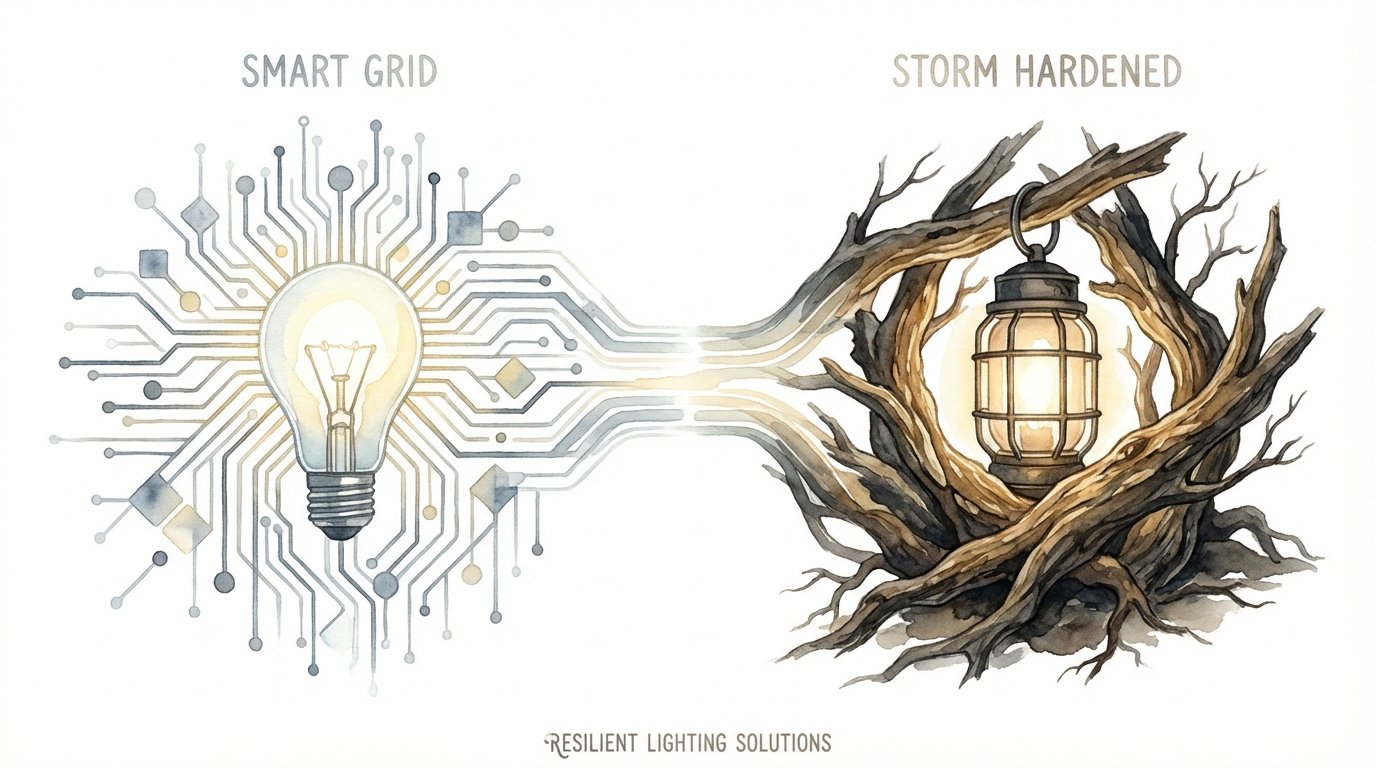
Resilient lighting is a philosophy of preparedness that prioritizes manual, self-sustaining systems over complex, dependent ones. While modern homes rely on a “Smart Grid” that can be disrupted by software glitches or physical damage, a “Storm Hardened” approach relies on gravity, wood, and wax. Driftwood is the ideal medium for this because it has already been tested by the elements.
Driftwood refers to wood that has been washed onto a shore or beach of a sea, lake, or river by the action of winds, tides, or waves. It is wood that has been stripped of its bark, bleached by the sun, and seasoned by the water. This process makes it incredibly dense and structurally unique. Each piece is a one-of-a-kind skeletal remain of a tree, hardened into a form that is as strong as it is beautiful.
In a real-world blackout scenario, most people scramble for flashlights with dying batteries or plastic emergency lanterns that cast a harsh, clinical glare. A driftwood candle chandelier, however, provides a wide, warm throw of light that can illuminate an entire dining room or parlor. It transforms a crisis into an occasion, casting flickering shadows that evoke a sense of history and calm.
These fixtures find their place in cabins, coastal homes, and even modern urban dwellings looking for a touch of organic texture. They represent a functional art form. When the power is on, they are a conversation piece; when the power is off, they are the heartbeat of the home.
The Anatomy of a Driftwood Chandelier: Sourcing and Preparation
Building a lighting system that lasts decades requires more than just picking up a stick from the beach. The preparation of the wood is the most critical step in ensuring the longevity and safety of your chandelier. You must treat the wood as a raw material that needs refinement.
Finding the right piece of driftwood is a hunt. Look for “hard” driftwood—pieces that feel heavy for their size and do not crumble when you press your thumbnail into them. Avoid “punky” or rotted wood, as it will not hold the weight of the candles or the tension of the hanging hardware. River-found driftwood is often smoother, while ocean-found wood has a distinctive salt-bleached silver patina.
Once you bring your wood home, it must be cleaned and sterilized. Salt is hygroscopic, meaning it absorbs moisture from the air. If you don’t remove the salt, your wood will remain “damp” to the touch and eventually rot from the inside out or corrode your metal hardware. Soak the wood in a large trough of fresh water for at least five to seven days, changing the water daily.
Sterilization is the next priority. Beach wood is often home to tiny hitchhikers like termites, ants, or boring beetles. If the piece is small enough, you can boil it for two hours to kill any organisms. For larger pieces, a low-heat bake in the oven at 200 degrees Fahrenheit for two to four hours will do the trick. This also ensures the wood is bone-dry before you apply any finish or hardware.
Structural Assessment and Balance
A chandelier is a balancing act of physics. Before drilling a single hole, you must find the center of gravity for your chosen piece. You can do this by looping a string around the wood and sliding it back and forth until the wood hangs exactly how you want it to sit.
Keep in mind that adding candle holders and candles will change the weight distribution. Mark your balance point with a pencil. If your piece is particularly large or asymmetrical, you may need a multi-point suspension system using three or four chains rather than a single central rope.
How to Build Your Driftwood Lighting System
Constructing the chandelier involves integrating the candle holders into the natural curves of the wood. The goal is to make the holders look like they grew from the branch while ensuring they remain perfectly level. A tilted candle is a fire hazard and a mess of dripping wax.
Start by selecting your candle holders. For a resilient system, avoid plastic or thin wood. Use heavy glass “hurricane” style holders or wrought iron spikes. Glass is preferable because it protects the flame from drafts, which is essential if you are using the chandelier near an open window or in a drafty cabin during a storm.
Step-by-Step Assembly
Drill holes for your hardware. If you are using eye-bolts to hang the piece, ensure the holes are slightly smaller than the bolt threads to create a “bite” in the wood. Use a long-shaft spade bit if you need to pass rope through the center of a thick branch.
Affix the candle holders. You can use epoxy for glass-to-wood bonds, but a more resilient method is to use copper wire or leather thongs to lash the holders to the wood. This adds to the “pioneer” aesthetic and allows for easier replacement if a glass holder breaks.
Balance the weight. Once the holders are attached, hang the chandelier from a temporary hook in your garage or workshop. Add the candles. If the piece tilts to one side, you can “counter-ballast” it by drilling a small hole in the lighter side and inserting lead fishing weights or hidden steel screws.
Wiring for Hybrid Use (Optional)
Some builders choose to make their driftwood chandeliers “hybrid.” This involves hiding low-voltage LED wiring along the top of the branches. While this adds convenience for daily use, the candle system must remain the primary focus to ensure it works during a power failure. Use wire staples to tuck cables into natural crevices and paint the wires to match the wood’s color.
Benefits of Resilient Driftwood Lighting
The advantages of this approach extend beyond aesthetics. In a world of planned obsolescence, a handmade candle fixture is a multi-generational asset. It doesn’t require firmware updates, and it won’t be rendered useless by a grid failure.
Natural light quality is another major benefit. The “color temperature” of a beeswax candle is approximately 1,800 to 1,900 Kelvin. This is significantly warmer than even “warm white” LED bulbs, which usually sit around 2,700 Kelvin. This warm spectrum encourages the production of melatonin and helps the body relax, making it the perfect light source for late-evening gatherings.
Zero-wattage operation means you are reducing your carbon footprint while increasing your self-reliance. During the winter months, the heat generated by a large multi-candle chandelier can even provide a modest amount of warmth to a small room, though its primary function remains illumination.
Space-saving design is a practical perk. Unlike floor lamps that take up valuable real estate or table lamps that can be knocked over, a chandelier is safely tucked away on the ceiling. It utilizes the “dead space” of a room to provide a central focal point.
Challenges and Common Mistakes
The biggest mistake beginners make is ignoring the weight of the wood. Driftwood can be deceptively heavy, especially if it hasn’t been properly dried. Hanging a 30-pound branch from a standard plastic electrical box in the ceiling is a recipe for disaster.
Another common pitfall is poor candle placement. If a candle is placed too close to another branch or a part of the chandelier itself, the rising heat can char the wood or cause the wood to release trapped resins, which are flammable. Always maintain at least 12 inches of vertical clearance between the flame and any combustible material.
Using the wrong wax is a hidden trap. Paraffin candles are cheap and widely available, but they produce a “black soot” that will eventually coat your driftwood and your ceiling. Over time, this soot can become a fire hazard itself. Paraffin also burns faster and is more prone to dripping.
Failing to account for drafts is a functional error. A beautiful chandelier that flickers out every time someone opens the front door is useless as a resilient lighting source. This is why glass chimneys or “hurricanes” are not just decorative; they are functional shields for your light source.
Limitations and Environmental Constraints
A driftwood candle chandelier is not a universal solution for every room. Low ceilings are a major constraint. Because you need clearance for the wood, the hardware, and the flame, these fixtures usually require a ceiling height of at least nine or ten feet. Installing one in a low-ceilinged basement is dangerous and impractical.
Maintenance is the trade-off for beauty. Unlike an LED bulb that lasts 50,000 hours, a candle lasts about six to ten hours.  . You must be willing to regularly clean out wax drippings and replace spent wicks. If you aren’t the type of person who enjoys the “ritual” of lighting and tending a home, a resilient system like this might feel like a chore.
Environmental humidity can also affect the wood. If you live in an extremely humid climate, even properly treated driftwood can occasionally expand or contract. This can loosen hardware over time. A yearly “check-up” where you tighten bolts and inspect the wood for cracks is mandatory.
Comparison: Smart Grid vs. Storm Hardened
When we look at lighting through the lens of resilience, we see a clear divide between modern convenience and pioneer-style reliability. The following table compares a standard smart home lighting setup with a resilient driftwood candle system.
| Feature | Smart Home (Electric) | Resilient (Driftwood/Candle) |
|---|---|---|
| Energy Source | Utility Grid / Battery | Chemical Energy (Wax) |
| Blackout Performance | Zero (Unless backed up) | 100% Operational |
| Maintenance | Firmware / Bulb swaps | Cleaning / Wax replacement |
| Complexity | High (Wiring/WiFi) | Low (Gravity/Hardware) |
| Aesthetic Value | Modern / Invisible | Organic / Centerpiece |
While the smart home wins on convenience, it fails on “graceful degradation.” When a smart system fails, it fails completely. When a driftwood chandelier “fails,” it usually just means you ran out of candles—a problem easily solved with a well-stocked pantry.
Practical Tips for Best Results
To get the most out of your resilient lighting, you need to think like a quartermaster. Stocking the right supplies is half the battle.
Choose Beeswax Candles. Beeswax is the premier choice for indoor lighting. It has a higher melting point than soy or paraffin, meaning it won’t “wilt” or droop in a warm room. It also releases negative ions when burned, which can help neutralize dust and odors. It has a natural, mild honey scent that is far superior to synthetic fragrances.
Use Heavy-Duty Mounting Hardware. Don’t settle for “picture hanging” wire. Use actual steel chain or thick manila rope with a weight rating at least four times the weight of the chandelier. Screw your ceiling hooks directly into the joists. Use a stud finder to ensure you are hitting solid timber, not just lath and plaster.
Install a Pulley System. If your chandelier is large or your ceilings are high, consider a counter-weighted pulley system. This allows you to lower the entire fixture to waist height for cleaning and lighting, then hoist it back up to the ceiling. This was a common feature in 18th-century homes and adds a fantastic mechanical element to the room.
Keep a Snuffer Nearby. Blowing out a dozen candles can splatter hot wax onto your furniture and the driftwood itself. A long-handled brass snuffer is a necessary tool for maintaining the “cleanliness” of your lighting system. It also prevents the wicks from smoking excessively after they are extinguished.
Advanced Considerations: Chemistry and Fire Dynamics
For the serious practitioner, understanding the science of the flame is important. A candle flame is a complex chemical reactor. The wax is drawn up the wick by capillary action, vaporized by the heat, and then reacted with oxygen to produce light.
The “luminous zone” of the flame is where the carbon particles glow. If the wick is too long, the flame becomes unstable and produces soot. If the wick is too short, the flame will be “drowned” by the melting pool of wax. Trimming wicks to exactly 1/4 inch before each lighting is the secret to a smokeless, steady light.
Consider the “thermal plume” above the chandelier. Heat rises in a cone shape. If you have several candles burning in a row along a single branch, the cumulative heat can be significant. If you notice the wood becoming hot to the touch, you need to increase the distance between the holders or reduce the size of the candles you are using.
Wood density also matters for fire resistance. Species like oak or cedar driftwood are naturally more resistant to heat than softwoods like pine. If you are worried about the flammability of your driftwood, you can apply a clear, fire-retardant sealant. These products are invisible but raise the ignition temperature of the wood significantly.
Blackout Scenario: The Driftwood System in Action
Imagine a late November evening. A nor’easter has just knocked out the local substation. The neighborhood is pitch black, and the temperature is dropping. Inside, while neighbors are fumbling for batteries, you walk to the center of the room.
With a long-reach match or a taper, you light the six beeswax pillars on your driftwood chandelier. Within seconds, the room is bathed in an amber glow. . The light reflects off the salt-polished wood, creating a warm, inviting atmosphere. The psychological impact of a steady, reliable light source cannot be overstated—it changes the mood from one of anxiety to one of comfort.
Because the system is independent, you can maintain this environment for as long as your wax supply lasts. If you have a rotating stock of candles, you can survive a week-long outage with the same level of light you enjoy every night. This is the definition of a “hardened” home.
Final Thoughts
Building a driftwood candle chandelier is an act of rebellion against a fragile, electrified world. It is a commitment to a way of life that values beauty as much as it values readiness. You are creating a tool that serves your family when the systems they usually rely on disappear.
This project requires patience, from the long soak to remove the salt to the careful balancing of the final piece. But the result is a fixture that has more “soul” than anything you could buy in a big-box store. It is a piece of the earth, brought inside and repurposed for your protection.
Take the time to find the right piece of wood. Treat it with respect, prepare it with care, and stock up on high-quality wax. When the lights go out for everyone else, your home will still be a beacon of warmth and light. Experiment with different designs, learn the quirks of your wood, and enjoy the peace of mind that comes with a zero-wattage home.
Sources
1 hometalk.com (https://www.hometalk.com/diy/decorate/rooms/q-how-to-hang-a-large-heavy-driftwood-piece-42096700) | 2 wordpress.com (https://mommyzoid.wordpress.com/2014/09/19/diy-driftwood-chandelier/) | 3 specialeditionart.com (https://specialeditionart.com/blogs/theoracle/how-to-hang-driftwood-on-your-wall-a-comprehensive-guide) | 4 puroclean.com (https://www.puroclean.com/auburn-me/blog/candle-safety-101/) | 5 youtube.com (https://www.youtube.com/watch?v=u0Pzf9P1ClU) | 6 medium.com (https://medium.com/@henrywalker/the-benefits-of-using-driftwood-chandeliers-in-home-fb293bbd9f53) | 7 mburcandle.co (https://mburcandle.co/blogs/mbur-blog/beeswax-vs-soy-vs-paraffin-which-candle-wax-is-actually-best-for-your-home-decor) | 8 beelitecandles.com (https://beelitecandles.com/blogs/buzz/why-choose-beeswax-candles-over-paraffin-and-soy-wax) | 9 lgcandle.com (https://lgcandle.com/blogs/living-good-journal/candle-wax-showdown-beeswax-vs-soy-vs-paraffin)