Secrets of Driftwood Underwater
Have you ever wondered about the secrets that driftwood holds when it finds its way underwater? Driftwood, those intriguing pieces of wood that wash up on shores, have a fascinating journey and lifecycle, especially once submerged. Understanding the mysteries they hold isn’t only about their aesthetic allure but also about their role in aquatic ecosystems.
[affiai]
What is Driftwood?
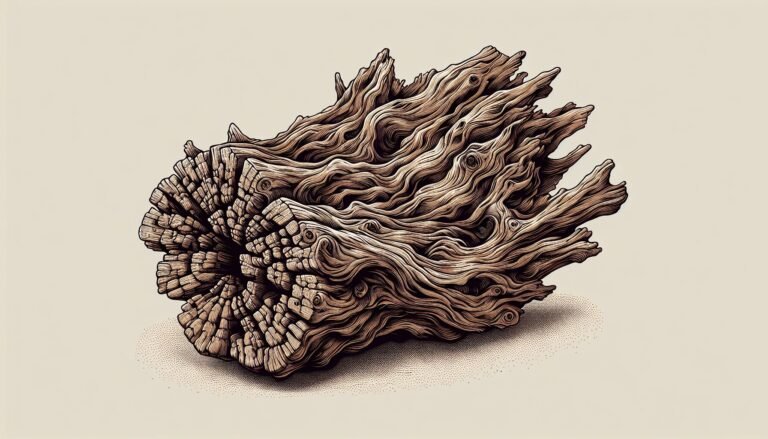
Driftwood is essentially any wood that has been washed onto a shore by rivers, lakes, or oceans. This wood can come from a variety of sources including fallen trees, broken branches, or even wooden structures. Once it’s carried away by water currents and eventually submerged, it begins a unique transformation.
Different Types of Driftwood
Driftwood can be categorized based on its origin and the conditions it undergoes. Here are some common types:
| Type | Description |
|---|---|
| Freshwater Driftwood | Driftwood primarily found in rivers and lakes. It tends to decompose slower due to less saline water. |
| Saltwater Driftwood | Driftwood found in oceans and seas. It’s often more weathered due to the salt and waves. |
| Seasoned Driftwood | Driftwood that has been submerged for an extended period, having undergone significant changes. |
These classifications help in understanding the different properties and roles driftwood can have underwater.
The Journey of Driftwood Underwater
Once driftwood gets submerged, a fascinating journey begins. This journey is marked by biological and chemical transformations influenced by the water environment.
Initial Submersion
When driftwood first becomes submerged, it absorbs water and begins to sink. This period can vary in length, influenced by the type of wood, the water’s salinity, and other environmental factors.
Gradual Decomposition
As driftwood remains underwater, microorganisms and aquatic critters to begin break it down. This process is much slower in freshwater bodies compared to saltwater environments, where the constant agitation and salt can accelerate decay.
Biodiversity Hotspot
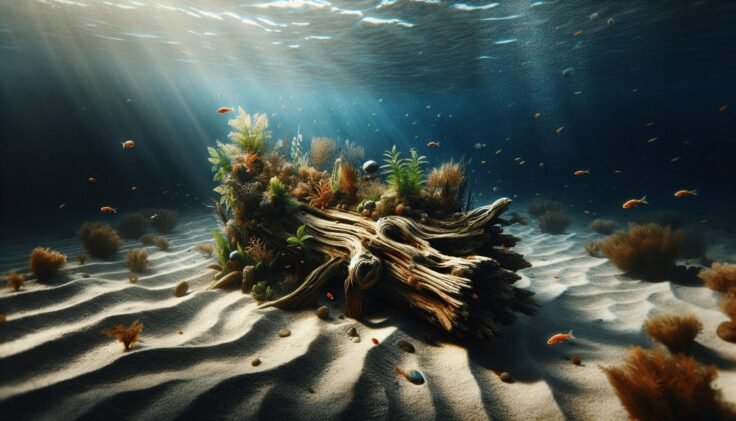
Interestingly, driftwood becomes a hub for biodiversity. Algae, barnacles, and various microorganisms colonize the wood, transforming it into a mini-ecosystem. This colonization serves as an essential food source and habitat for various aquatic species.
Chemical Changes
The wood’s composition alters due to waterlogged conditions. The lignin and cellulose in the wood break down, releasing tannins, which can sometimes discolor the surrounding water and affect its pH.
Ecological Importance of Driftwood
Driftwood isn’t just a piece of wood floating underwater; it plays several pivotal roles in aquatic ecosystems.
Habitat Formation
Driftwood serves as a habitat for numerous species. Fish, crustaceans, and insects use it for shelter, breeding grounds, and feeding sites. Amphibians and reptiles also use driftwood as resting or basking spots.
Nutrient Cycling
As the wood decomposes, it releases nutrients back into the water. These nutrients are crucial for the growth of aquatic plants and the overall health of the water body.
Stabilizing Sediments
Driftwood helps to stabilize sediments in water bodies. It can prevent bank erosion by reducing the impact of water currents and waves on the shoreline. This stabilization also helps protect the habitats of various aquatic species.
Human Uses of Driftwood
Beyond its ecological roles, driftwood has found various utilitarian and artistic uses by humans.
Aquariums and Terrariums
Many aquarium enthusiasts use driftwood to create naturalistic environments for their aquatic pets. It enhances the tank’s aesthetics, mimicking their natural habitat, and also provides hiding places for fish and other creatures.
Artistic Creations
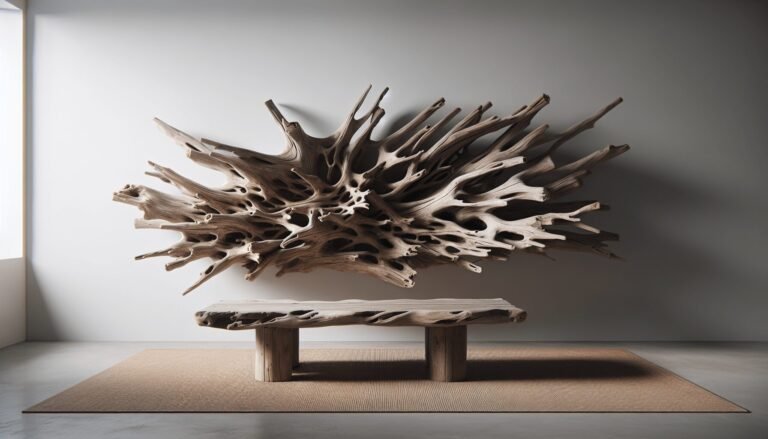
Driftwood’s unique shapes and textures make it a popular material for sculptures, furniture, and home decor. Its natural beauty lends a rustic charm to any project, capturing a sense of nature indoors.
Construction and Furniture
Historically, driftwood has been used in building homes, boats, and furniture. Its durability and weathered appearance have made it a sought-after material in sustainable construction projects.
The Science Behind Driftwood
Understanding the scientific aspects of driftwood gives a clearer view of its role and transformation underwater.
Biological Impact
Driftwood houses a diverse range of life forms. Bacteria, fungi, and marine invertebrates create a complex, interdependent community on and around the driftwood. This biological activity is a critical component in the ecology of water bodies, contributing to nutrient cycling and energy flow.
Chemical Processes
The breakdown of lignin and cellulose in wood is facilitated by various chemical processes. These reactions often result in the formation of humic substances, which are essential for water health due to their role in nutrient binding and microbial activity.
Physical Changes
Under the water’s influence, driftwood undergoes physical changes such as erosion and disintegration. These physical changes expose fresh surfaces to decomposition agents, enhancing the overall breakdown process.
Driftwood and Climate Change
The relevance of driftwood extends to broader environmental issues, including climate change.
Carbon Sequestration
As wood decomposes, it releases carbon dioxide. However, driftwood’s slow decomposition rate underwater means that it acts as a carbon sink for longer periods, sequestering carbon that would otherwise contribute to atmospheric CO2 levels.
Impact on Coastal Systems
With rising sea levels and increasing storm frequencies due to climate change, driftwood could play a crucial role in protecting coastlines by mitigating erosion and providing shelter to aquatic life displaced by changing conditions.
Adaptation and Resilience
The resilience of driftwood ecosystems can offer insights into how natural systems adapt to changing environmental conditions. Studying these systems can inform conservation strategies and help build more resilient water bodies.
Legends and Myths Surrounding Driftwood
Driftwood has also found its place in folklore and myths across various cultures.
Symbolism in Folklore
In many cultures, driftwood is seen as a symbol of transformation, journeys, and the passage of time. Its weathered appearance and long travels resonating with human experiences and the unpredictability of life.
Spiritual Beliefs
Some believe that driftwood possesses otherworldly properties, having absorbed the energies of the oceans and rivers. It’s often used in spiritual practices, believed to have cleansing and protective qualities.
Art and Literature
Artists and writers have celebrated driftwood for its quiet beauty and symbolism. It features in numerous works of art, poetry, and literature, often representing themes of change, endurance, and natural beauty.
How to Source Driftwood Responsibly
If you’re captivated by driftwood and wish to incorporate it into your life either through decorating or landscaping, there are responsible ways to go about it.
Ethical Collection
While collecting driftwood, ensure that you’re not disturbing the natural habitat. Avoid taking driftwood from protected areas or shorelines that need it for ecological stability.
Sustainable Practices
Incorporate sustainable practices by limiting how much driftwood you collect. Consider leaving some pieces undisturbed to continue their ecological role in their natural setting.
Legal Regulations
Be mindful of local laws and regulations regarding driftwood collection. Some areas have strict guidelines to protect natural resources, so it’s important to be informed and compliant.
Preserving and Treating Driftwood
If you manage to acquire some driftwood, preserving and treating it ensures its longevity and safety, especially if it’s used in homes or aquariums.
Cleaning Driftwood
Cleaning removes any debris, salt, and microorganisms. Soak the driftwood in freshwater for several days, changing the water daily. Scrubbing with a brush can help eliminate stubborn residues.
Drying and Curing
Proper drying prevents rot and mold. Once cleaned, allow the driftwood to air dry in a well-ventilated, shaded area for several weeks. Curing can also involve sealing the wood with natural oils or treatments to enhance its durability and aesthetic.
Safety Measures
Especially for aquarium use, boiling the driftwood can remove any harmful pathogens. Ensure that any treatments or sealants used are non-toxic, particularly if the driftwood interfaces with water habitats.
The Future of Driftwood in Aquatic Ecosystems
The ongoing challenges of habitat loss, pollution, and climate change mean that the role of driftwood in aquatic ecosystems will continue to evolve.
Research and Conservation
Ongoing research aims to better understand the ecological roles and benefits of driftwood. Conservation efforts are also focusing on preserving natural sources of driftwood through sustainable forestry and riparian restoration projects.
Community Involvement
Awareness and community involvement are paramount for the preservation of these natural wonders. Educational programs and community clean-up initiatives can foster a deeper appreciation and responsible interaction with driftwood.
Innovation and Creativity
The future also holds exciting possibilities for the innovative use of driftwood in art, architecture, and even technology. As our understanding of this resource grows, so too will our ability to use it in enriching and sustainable ways.
Driftwood’s journey is a testament to the complex and interconnected world of aquatic ecosystems. By uncovering its secrets, we gain a deeper appreciation for these extraordinary pieces of wood and their silent, enduring journey underwater.