Your home office is eating your floor space; let the ocean’s architecture take it back. Most small-apartment furniture treats storage, lighting, and workspace as separate problems. In nature, everything is part of the same system. Using vertical driftwood as a central ‘hub’ allows you to merge your entire office into a single square foot of floor space.
Modern living often forces us into a corner, both figuratively and literally. Traditional desks require a significant footprint, demanding four legs and a wide rectangular surface that creates a ‘dead zone’ in small rooms. Driftwood offers a different path. It carries the grit of the pioneer spirit and the organic efficiency of the sea. Instead of sprawling horizontally, a vertical driftwood hub reaches for the ceiling, using the height of your room to do the heavy lifting.
This approach transforms the workspace from a static piece of furniture into an integrated environmental system. You are no longer just buying a desk; you are installing a structural anchor that organizes your technology, illuminates your work, and provides a tactile connection to the natural world.
Small Space Driftwood Desk Ideas
Small space driftwood desk ideas center on the concept of the “Vertical Office Hub.” This design philosophy replaces the traditional four-legged table with a single, sturdy piece of vertical driftwood that serves as the spine for your entire workstation. Such a hub acts as a central mast, allowing shelves, monitor mounts, and the desktop itself to branch out like the limbs of a tree.
Coastal regions often provide the best raw materials for these projects. Weathered cedar, cypress, or oak branches that have been tumbled by the surf possess a structural density and a silver-grey patina that machine-made lumber cannot replicate.  . These pieces are not merely decorative; they are hardened by salt and sun, making them ideal for load-bearing applications in tight quarters.
In real-world urban environments, these desks excel in studio apartments, hallway niches, or bedroom corners where every square inch is contested. Unlike flat-pack furniture that feels clinical and temporary, a driftwood hub brings a sense of permanence and history. It turns a utility area into a focal point, proving that a high-functioning office does not have to look like a cubicle.
Selecting and Preparing Your Timber
Building a desk from found wood requires more than just picking a branch off the beach. The process begins with identifying wood that has the structural integrity to support a monitor, a laptop, and the weight of your own arms. Look for “heartwood” pieces—the dense center of the tree—that have lost their bark and soft outer layers to the tide.
Cleaning the wood is the first critical step toward a safe indoor environment. Marine wood often carries salt, microscopic organisms, and hitchhiking insects. A mixture of two teaspoons of bleach per gallon of distilled water provides an effective sanitizing soak. Submerge the wood for at least 15 minutes to kill bacteria and fungal spores. Larger pieces that cannot fit in a tub should be pressure washed thoroughly to blast out sand and debris from deep crevices.
Curing the wood is equally important. Even wood that feels dry to the touch may hold internal moisture that can cause warping or mold once brought into a heated apartment. Woodworking artisans often prefer a soda bath—using washing soda mixed with hot water—to leach out tannins that can otherwise stain your walls or paperwork. After soaking, allow the wood to dry in a low-humidity environment for at least two weeks. This patience ensures the wood is stable before you begin the assembly.
Engineering the Vertical Hub
Mounting a vertical post requires a clear understanding of load paths and tension. There are two primary ways to secure your driftwood spine: the “Tension Mast” and the “Wall-Anchored Anchor.”
The Tension Mast method mimics the construction of floor-to-ceiling shelving systems. You fit the driftwood with heavy-duty adjustable feet at the bottom and a compression spring or threaded rod at the top. Tightening the rod against a ceiling joist creates a rock-solid vertical column without the need for screws or permanent alterations. This is a favorite for renters who need a high-strength setup but cannot drill into their floors or ceilings.
The Wall-Anchored Anchor involves finding the studs behind your drywall. Using a stud finder, mark the vertical supports of your room. Attach the driftwood hub using heavy-duty lag bolts or specialized brackets hidden within the natural contours of the wood. This method allows the desk to “float,” completely freeing up the floor space beneath it for a chair or a small footrest.
Integrated vs. Isolated Systems
Traditional offices utilize “Isolated” components. You have a desk, then a separate lamp, then a separate monitor stand, and perhaps a separate shelf for your hard drives. Each of these items has its own footprint and its own mess of cables.
An “Integrated” driftwood hub merges these functions. The natural grooves and “checks”—the cracks that run along the grain—provide built-in channels for cable management. Instead of a plastic desk lamp, you can wrap LED filament bulbs directly around the upper branches of the wood. Shelves are not separate entities; they are notched directly into the driftwood spine using mortise and tenon joinery or hidden steel pins.
| Feature | Isolated Desk (Traditional) | Integrated Hub (Driftwood) |
|---|---|---|
| Floor Footprint | 6–10 Square Feet | 1–2 Square Feet |
| Cable Management | External clips or “rat’s nest” | Hidden within natural wood grooves |
| Lighting | Takes up desktop surface space | Built into the vertical structure |
| Aesthetic | Clinical, repetitive, flat-pack | Unique, organic, “Pioneer-Grit” |
Benefits of the Vertical Approach
Reclaiming floor space is the most immediate advantage of a vertical hub. Moving the bulk of your storage and equipment upward creates a sense of openness in a small room. This psychological shift is vital for those who live and work in the same environment; it prevents the office from feeling like it is encroaching on your living area.
Biophilic design benefits are also significant. Studies frequently show that working near natural materials like solid wood reduces cortisol levels and improves focus. The tactile nature of driftwood—the smoothness of the sea-worn surface and the complexity of the grain—provides a sensory grounding that synthetic materials lack.
Durability is another hallmark of this style. While engineered wood and particleboard eventually sag or peel, solid driftwood that has survived the ocean is incredibly resilient. Properly treated and sealed, a driftwood desk can last a lifetime, gaining a richer patina and character as it ages.
Challenges and Common Mistakes
Ignoring the weight distribution is a frequent error for beginners. Because driftwood is asymmetrical, its center of gravity is rarely in the middle. . Mounting a heavy monitor to a branch that extends too far forward can create a lever effect that puts immense strain on your anchors. Always test the balance of your hub before final installation.
Underestimating the salt content is another pitfall. Marine wood that has not been properly leached will “weep” salt in humid conditions. This salt can corrode computer components and ruin the finish on your electronic equipment. Ensuring a thorough freshwater soak and a quality sealant, such as a matte polyurethane or a natural linseed oil, prevents this leaching process.
Skipping the pest treatment is a mistake you only make once. 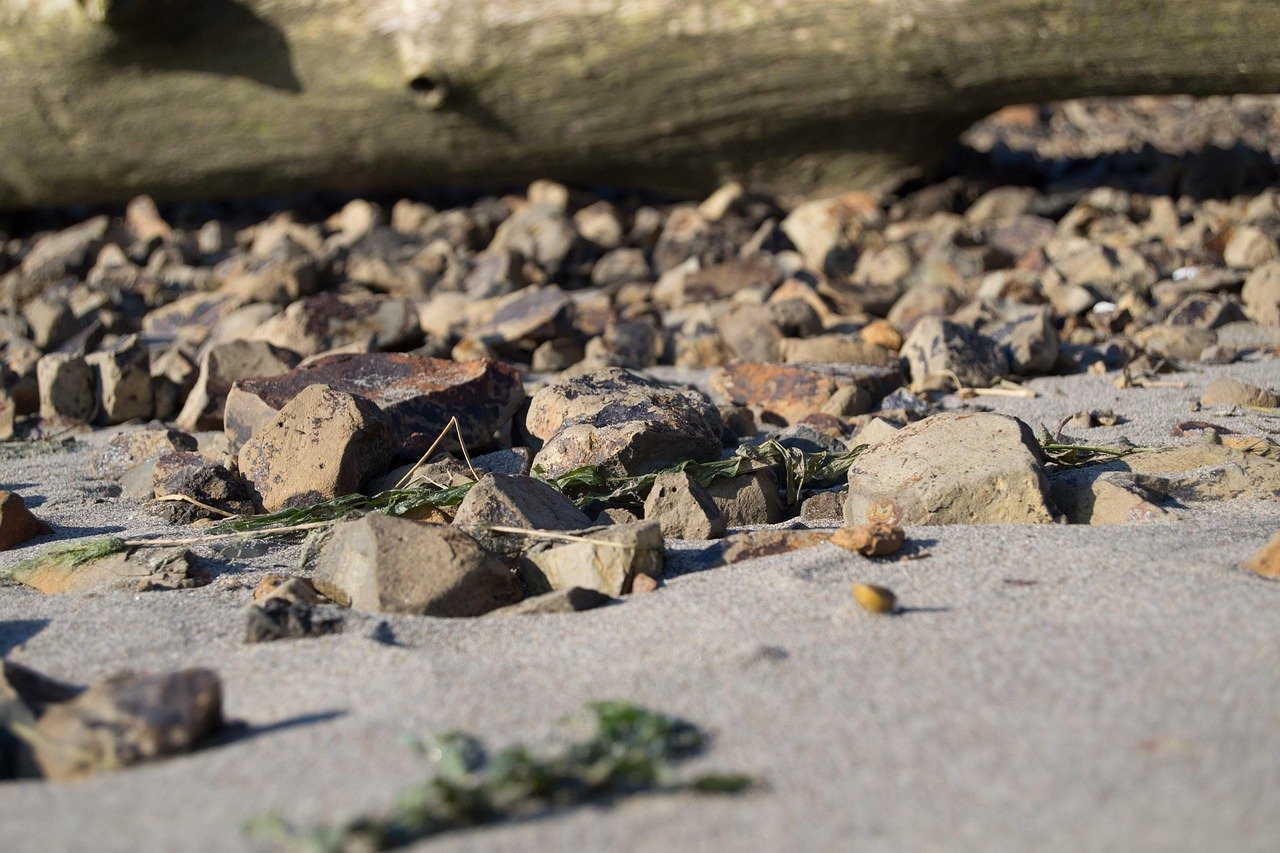 . Driftwood can harbor wood-boring beetles or larvae that remain dormant until they reach the warmth of a home. Using a borate-based wood preservative during the preparation phase protects your furniture and the rest of your home’s woodwork from infestation.
Limitations of Driftwood Furniture
Environmental constraints play a role in the feasibility of these designs. Softwood driftwood, such as pine or spruce, may not have the “bending strength” required for a long, thin desk surface. These woods are better suited for the vertical spine rather than the horizontal slab. For the actual writing surface, pairing your driftwood hub with a hardwood slab like oak or walnut provides the necessary stability.
Weight limits of apartment walls must also be considered. If you are using the wall-anchored method, you are limited by the holding power of your wall studs. Very heavy, water-logged driftwood might exceed these limits if not properly dried and lightened.
Rental agreements can sometimes prohibit the types of heavy-duty anchors required for a floating system. In these cases, the floor-to-ceiling tension method is the only viable path, though it requires a flat, sturdy ceiling that isn’t made of fragile drop-tiles.
Practical Tips for a Better Setup
Routing your cables through the wood’s natural architecture is the best way to maintain a clean look. Use a small chisel or a dremel tool to widen existing cracks slightly, creating a path for USB and power cords. Secure them with clear beeswax or small copper staples to keep the focus on the wood rather than the tech.
Lighting should be layered to reduce eye strain. Mounting a warm-spectrum LED strip behind the driftwood spine creates a “halo” effect against the wall, providing soft ambient light. A more focused, directional LED can be hidden under a lower branch to act as a task light for your keyboard and notepad.
Applying a high-quality finish is essential for a workspace. While the raw, chalky look of sun-bleached wood is beautiful, it can be rough on the skin. Sand the areas where your wrists will rest with progressively finer sandpaper, up to 400 grit, then apply a beeswax polish. This preserves the natural look while providing a smooth, comfortable interface.
Advanced Considerations for Serious Builders
Integrating sit-stand functionality into a driftwood hub is a challenge that rewards the patient builder. You can achieve this by using a “sliding sleeve” design, where the desk slab is attached to a collar that moves up and down the vertical driftwood post. A heavy-duty locking pin or a friction-based wedge system allows you to adjust the height manually.
Hidden technology is another way to elevate the design. Routing a shallow cavity into the underside of the desk slab allows for the installation of a wireless charging pad. This keeps your phone powered without a single visible wire on the desktop. Similarly, small Bluetooth speakers can be mounted into hollowed-out sections of the driftwood, turning the entire hub into a resonant sound system.
Scaling the system for a multi-monitor setup requires horizontal cross-bracing. Using a second, smaller piece of driftwood as a “tie-back” to the wall creates a triangular support structure. This increases the lateral stability of the hub, allowing it to support significantly more weight without swaying or vibrating during heavy typing.
Example Scenario: The Hallway Niche Office
Consider a standard 4-foot wide hallway niche in an urban apartment. A traditional desk would block the path and feel cramped. Instead, a 5-inch diameter vertical driftwood post is secured from floor to ceiling in the far corner.
Branching off this post at 29 inches is a 30-inch deep live-edge slab that serves as the desk. Three feet higher, a smaller driftwood branch holds a pair of monitor arms. The power strip is mounted vertically to the back of the main post, with all cables tucked into a natural hollow.
The result is a workspace that occupies exactly 1.5 square feet of floor space. The area under the desk remains completely open, allowing the chair to be tucked away when not in use. The verticality of the design draws the eye upward, making the small niche feel like a deliberate architectural feature rather than a cramped necessity.
Final Thoughts
Reclaiming your living space from the clutter of a home office requires a shift in perspective. The ocean spends decades shaping wood into structures that are both beautiful and incredibly strong. Bringing that architecture into your home allows you to solve the modern problem of limited space with an ancient, natural solution.
A vertical driftwood hub is more than a piece of furniture; it is a testament to utility and grit. It proves that you do not need a massive room to have a professional and inspiring workspace. By thinking vertically and integrating your systems, you turn a single square foot of floor into a command center that breathes with the spirit of the wild.
Start small by searching for a single, sturdy branch that speaks to you. Treat it with respect, prepare it with care, and let it become the spine of your new creative environment. The results will be as unique as the tides that carried the wood to the shore.
Sources
1 cocolapinedesign.com (https://cocolapinedesign.com/2023/06/02/floating-desk-ideas-small-space-living/) | 2 furnituremargate.co.za (https://furnituremargate.co.za/how-to-clean-driftwood/) | 3 oakywood.shop (https://oakywood.shop/blogs/news/home-office-inspirations-a-workspace-for-two) | 4 dtwooddecor.com (https://www.dtwooddecor.com/driftwood-coffee-table-care-and-maintenance/) | 5 dogwoodproper.com (https://www.dogwoodproper.com/post/home-office-design) | 6 wikihow.com (https://www.wikihow.com/Clean-Driftwood) | 7 meetcofurniture.sg (https://www.meetcofurniture.sg/8-remarkable-benefits-of-wooden-office-furniture/) | 8 youtube.com (https://www.youtube.com/watch?v=BmSdODz7ZH8) | 9 ashtonwoods.com (https://www.ashtonwoods.com/inspiringspaces/home-office-design-ideas-for-a-productive-and-stylish-workspace) | 10 lowes.com (https://www.lowes.com/n/ideas-inspiration/small-space-desk-ideas) | 11 wayfair.com (https://www.wayfair.com/keyword.php?keyword=driftwood+desk) | 12 wilsonbauhaus.com (https://wilsonbauhaus.com/office-transformation-the-impact-of-woodworking-on-productivity-and-well-being/) | 13 midwestdesignmag.com (https://midwestdesignmag.com/featured/5-home-offices-inspire-productivity/)