It’s not just a decoration; it’s a high-rise apartment for the guardians of your garden. In nature, nothing exists in isolation. A piece of driftwood on a lawn is just an object. But when integrated into a garden bed, it becomes a sponge for moisture, a home for predatory beetles, and a nurse log for fungi. Stop decorating and start integrating.
Permaculture is often about mimicking the systems that already work in the wild. If you walk through an old-growth forest, you won’t find a clean floor. You find a chaotic, beautiful mess of fallen limbs and rotting trunks. These pieces of wood are the heartbeat of the forest, and driftwood offers you a unique, weathered version of that same life-giving force.
When we bring driftwood into the garden, we are not just adding a silvered, salt-washed aesthetic. We are importing a structural element that provides thermal mass, carbon for the soil, and a sanctuary for the “police force” of the insect world. This article will guide you through turning a simple beach find into a cornerstone of your garden’s health.
Driftwood In Permaculture Design
Driftwood in permaculture design is the practice of utilizing weathered, water-scoured wood as a functional biological anchor within a landscape. In the context of a permanent agriculture system, driftwood is much more than a nautical prop. It is a source of “brown” carbon that breaks down over decades, fueling the fungal networks that connect your plants.
In the real world, driftwood is found along coastlines, riverbanks, and lake shores. It has been stripped of its bark by the mechanical action of water and sand, leaving behind the dense, lignin-rich core. This makes it exceptionally durable compared to fresh “green” wood. Because the bark is gone, the wood is immediately ready for colonization by specialized wood-inhabiting fungi and beneficial insects.
Think of driftwood as a battery. In a forest, a log stores energy in the form of carbon and moisture. In your garden, a well-placed piece of driftwood acts as a “nurse log,” providing a stable microclimate for seedlings and delicate ferns. It serves as a bridge between the sterile, tidy garden and the wild, productive ecosystem we aim to build.
Many designers use driftwood to solve specific problems. On a sloped site, a large driftwood log can act as a mini-swale or a “log terrace,” catching runoff and organic debris. In a flat bed, it provides the “edge effect,” creating a transition zone where moisture levels and temperatures differ from the open soil. This diversity in the physical environment leads directly to a more resilient garden.
How to Integrate Driftwood into Your Ecosystem
Integrating driftwood requires more than just dropping it on top of the soil. To turn a piece of wood into an ecosystem hub, you must ensure it has “soil contact.” This simple act allows microbes and fungi to migrate from the earth into the wood, beginning the slow process of humification.
Start by selecting your site. A shady, damp corner is ideal if you want to encourage fungi and amphibians like toads and salamanders. If you place the wood in a sunny spot, it will stay drier and serve as a basking platform for beneficial lizards or a nesting site for solitary bees.
Follow these steps for a successful integration:
- Leach the Salt: If your wood came from the ocean, it is saturated with sodium. Salt is a “herbicide” to most garden plants. Soak the wood in a trough of fresh water for at least a week, changing the water daily, to draw out the salt.
- Scrub the Surface: Use a stiff brush to remove sand and loose debris. This exposes the grain and makes it easier for mosses and lichens to take hold.
- Excavate a Shallow Trench: Dig a groove 2 to 4 inches deep that matches the shape of your driftwood. Burying the bottom third of the log ensures it stays moist and provides a highway for earthworms and ground beetles.
- Inoculate (Optional): If you want to jumpstart the process, you can “plug” the driftwood with mushroom spawn. Oyster mushrooms or Turkey Tail are aggressive decomposers that will thrive on the dense cellulose of driftwood.
- Plant the “Edge”: Tuck moisture-loving plants like ferns, wild ginger, or native violets directly against the log. The wood will protect their roots from temperature swings and provide a consistent source of humidity.
Avoid using wood that smells strongly of chemicals or has a greasy, black coating. This is often creosote or pressure-treatment chemicals from old pier pilings. These toxins will leach into your soil and kill the very biology you are trying to attract. Stick to natural, sun-bleached wood found in the wild.
Benefits of the Driftwood Ecosystem Hub
The advantages of using driftwood are both biological and structural. Because driftwood is often hardwood that has been “cured” by the elements, it lasts much longer than typical garden lumber. This longevity means the benefits it provides are stable and long-term.
One of the primary benefits is the creation of a “beetle bank.” Predatory ground beetles (Carabidae) are the lions of the garden. they hunt slugs, snails, and the larvae of pests like the cabbage looper. These beetles need dark, damp crevices to hide during the day. A piece of driftwood with deep cracks and a buried base is the perfect fortress for them.
Moisture retention is another critical factor.  . As driftwood begins to decay, the lignin fibers break down into a spongy material. This “punk wood” can hold several times its weight in water. During a drought, your plants can actually draw moisture from the soil directly adjacent to the log. This reduces the need for supplemental irrigation and keeps the soil biology active even when the surface is dry.
Driftwood also provides a substrate for saprophytic fungi. These fungi are the primary decomposers in our world. They break down tough wood fibers and turn them into rich, dark humus. By providing a “home base” for these fungi, you are effectively building a slow-release composting system right in your garden bed. This process enriches the soil with nutrients that are slowly released over years, rather than weeks.
Finally, driftwood offers a unique aesthetic that changes with the seasons. In the winter, it provides structural interest when plants are dormant. In the spring, it may host a flush of mushrooms or a coat of bright green moss. This “living sculpture” reminds us that a garden is a process, not a finished product.
Challenges and Common Mistakes
The most common pitfall when using driftwood is ignoring the “Salt Factor.” Wood that has spent years in the Pacific or Atlantic Oceans is a sponge for sodium. If you place a salt-laden log directly against a sensitive plant like a rose or a blueberry bush, the salt will eventually leach out and dehydrate the roots. This can lead to stunted growth or “leaf burn.”
Another mistake is the “Lonely Log” syndrome. This happens when a gardener places a piece of wood on top of a plastic weed barrier or a thick layer of dry gravel. Without soil contact, the wood cannot stay moist, and the “biological bridge” is broken. The log becomes a sterile object rather than a living habitat.
Termites and wood-boring insects are a frequent concern for homeowners. While it is true that rotting wood attracts these insects, they are a vital part of the decomposition cycle. The mistake is not the wood itself, but its proximity to your home. Always keep large logs and “stumperies” at least 20 feet away from the foundation of any wooden structure.
Sometimes gardeners use wood that is too small. Tiny twigs and thin branches disappear into the mulch within a year. For a true ecosystem hub, you need mass. Aim for pieces that are at least 4 inches in diameter and several feet long. This provides enough thermal mass and volume to support a complex web of life.
Limitations: When Driftwood May Not Work
Driftwood is not a universal solution for every landscape. . In extremely arid climates, a piece of wood sitting on the surface can actually become a heat sink. If it doesn’t receive enough moisture to stay cool, it can radiate heat and dry out the surrounding soil even faster. In these environments, wood should be almost entirely buried, similar to a traditional hugelkultur bed.
In very small, “manicured” urban gardens, the look of rotting wood can be a point of contention with neighbors or Homeowners Associations. While we see a “high-rise apartment for beetles,” they might see a “messy pile of sticks.” In these cases, you may need to “frame” your driftwood with more traditional elements, like a stone border or a neat layer of mulch, to make it look intentional.
Weight and logistics are also practical boundaries. Large driftwood logs are incredibly heavy, especially when waterlogged. Moving these pieces into a backyard without heavy equipment can be dangerous. If you cannot safely place a large log, it is better to use several medium-sized pieces that can be hand-carried and arranged in a “log pile” formation.
Lastly, availability can be a constraint. If you don’t live near a body of water, sourcing driftwood can be expensive or environmentally taxing if it has to be shipped. In these instances, using local “found wood” from a neighbor’s tree trimming is a more sustainable choice than ordering “decorative driftwood” from a distant supplier.
Lonely Log vs. Ecosystem Hub
To understand the value of integration, we can compare the two most common ways people use driftwood in a landscape.
| Feature | The Lonely Log | The Ecosystem Hub |
|---|---|---|
| Placement | Sitting on grass or gravel. | Partially buried in the soil. |
| Moisture Level | Dry and bleached. | Damp core, moisture sponge. |
| Fungal Activity | Minimal or none. | High (Mycelium networks). |
| Insect Habitat | Ants and spiders only. | Beetles, worms, and larvae. |
| Soil Impact | None (Cosmetic). | Increases carbon and fertility. |
The comparison shows that the “Lonely Log” is a static decoration, while the “Ecosystem Hub” is a dynamic participant in the garden’s biology. The former requires no maintenance but offers no return, while the latter requires a small amount of upfront work to provide years of ecological services.
Practical Tips for Immediate Application
If you have a piece of driftwood and want to start today, keep these quick tips in mind to ensure your success.
- Orientation Matters: Place logs perpendicular to the slope of your garden. This allows them to catch rainwater and prevent soil erosion.
- The “Finger Test”: Once a month, stick your finger into the soil under the log. It should feel significantly cooler and moister than the surrounding garden. If it’s bone dry, your log needs to be buried deeper.
- Avoid Varnish: Never paint or varnish driftwood you intend to use in a garden bed. This seals the wood and prevents the very decomposition and fungal growth you are trying to foster.
- Mix Sizes: Use one large “anchor” log and several smaller “satellite” pieces. This creates a variety of niche habitats for different-sized creatures.
- Check Local Laws: Before you head to the beach with a truck, ensure it is legal to remove driftwood in your area. Some coastlines are protected habitats where wood must be left to prevent beach erosion.
Small adjustments in how you place the wood can have a massive impact on its effectiveness. For example, leaning a piece of driftwood against a stone wall creates a “dry-wet” gradient that is highly attractive to toads, who will then spend their nights eating the slugs in your lettuce patch.
Advanced Considerations: The Fungal Connection
For the serious practitioner, driftwood is a medium for advanced soil building. Fungi are the true architects of the soil, and driftwood is their preferred skyscraper. When wood is partially buried, it provides a “food cache” for saprophytic fungi that might otherwise struggle in a tilled or tidy garden.
Consider using driftwood as a “stepping stone” for mycorrhizal fungi. While mycorrhizae primarily associate with living plant roots, they often thrive in the stable, moist environment provided by decaying wood. This creates a “fungal corridor” through your garden, allowing plants to share nutrients and information more efficiently.
You can also experiment with “driftwood stumperies.” A stumpery is an Victorian-era garden concept where tree stumps and logs are arranged vertically or in clusters to create a fernery. In a permaculture context, this becomes a high-density biodiversity zone. By stacking driftwood, you create vertical microclimates, where the top of the stack is dry and sun-exposed, while the bottom remains a dark, anaerobic-free decomposition zone.
Scaling this concept involves creating “log-edged swales.” Instead of digging a traditional trench, use large driftwood logs as the “downhill” side of your water-harvesting feature. The logs will slow down water, catch silt, and eventually rot into the very soil they are helping to build. This is a “set it and forget it” strategy that yields dividends for decades.
Scenario: The Coastal Permaculture Bed
Imagine a backyard in a coastal town. 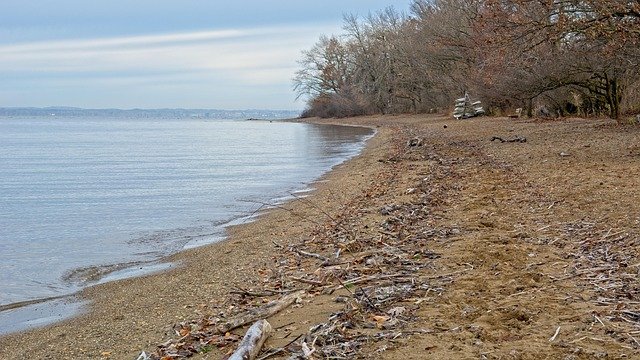 . The soil is sandy, nutrient-poor, and dries out quickly in the summer breeze. The gardener finds three large cedar driftwood logs on the beach after a winter storm.
First, the gardener soaks the logs in a large livestock trough filled with rainwater for two weeks to remove the salt. Once cleaned, they place the logs in a crescent shape at the base of a small mound where they plan to plant fruit trees. They bury the bottom four inches of the logs in a mix of native sand and local compost.
Around the base of the wood, they plant native ferns and a thick layer of wood-chip mulch. Within six months, the silver wood has begun to turn a darker, weathered gray. If they lift a corner of the log, they find a network of white fungal threads (mycelium) spreading into the sand.
Two years later, the “driftwood hub” has become a self-sustaining micro-nursery. The fruit tree roots have grown toward the moisture-rich wood. Ground beetles have moved into the crevices, and the gardener notices a significant drop in the number of leaf-eating pests. The driftwood is no longer just a “find from the beach”; it is the literal foundation of the garden’s fertility.
Final Thoughts
Integrating driftwood into your garden is an exercise in patience and ecological thinking. It moves us away from the idea of the garden as a static “picture” and toward the reality of the garden as a living, breathing process. By choosing to let wood rot, we are choosing to let life flourish.
The transition from a “Lonely Log” to an “Ecosystem Hub” is a small step for the gardener but a giant leap for the local biology. It provides the structure, moisture, and carbon that a healthy soil food web demands. Whether you are building a full-scale hugelkultur bed or just tucking a single weathered limb into your flower border, you are participating in a ancient cycle of regeneration.
Experiment with your placements, watch the insects that move in, and notice how the soil changes beneath the wood. You’ll likely find that the most beautiful part of the driftwood isn’t its silvered surface, but the vibrant, hidden world it supports underneath. Start integrating today, and turn your garden into a sanctuary for its many silent guardians.
Sources
1 ecolandscaping.org (https://www.ecolandscaping.org/01/designing-ecological-landscapes/trees/seeing-the-potential-of-wood-inhabiting-fungi-in-the-managed-landscape/) | 2 realgardensgrownatives.com (https://realgardensgrownatives.com/?p=2325) | 3 mysttree.com (https://www.mysttree.com/post/dead-wood-good-wood) | 4 makeitagarden.com (https://makeitagarden.com/clever-use-of-driftwood-makes-a-happy-garden/) | 5 tennesseewholesalenursery.com (https://www.tennesseewholesalenursery.com/blogs/tennessee-wholesale-nursery-blog/driftwood-in-landscaping) | 6 tnnursery.net (https://www.tnnursery.net/blogs/garden-blog/driftwood-has-many-uses) | 7 youtube.com (https://www.youtube.com/watch?v=hdIqVtt-orE) | 8 gardena.com (https://vertexaisearch.cloud.google.com/grounding-api-redirect/AUZIYQEhvy93C0sZ1NRtamopyoqQN8TJ7nmpLQMw51ZnU-nAo951CeW6Y1l4sRUM1jvGgreLe_E4-n7rylVfuwFUs4o_4101jAqFqXW6Sbkn1DIL0FNrMYOgIF1yINODp5CFSGuylG_KIKoQ9UpphcAMULnAoy1URJ6EdmS8OyZqnGGD_mLMfMgEvCW4kNTZVCm56g==) | 9 hawk-hill.com (https://www.hawk-hill.com/how-to-clean-driftwood/) | 10 youtube.com (https://www.youtube.com/watch?v=FG2pJUT2AMg) | 11 jerseyshorescene.com (https://jerseyshorescene.com/tips-on-using-driftwood-in-the-garden/) | 12 pithandvigor.com (https://pithandvigor.com/2024/08/driftwood-in-landscape-6-great-garden-uses/) | 13 permaculture.co.uk (https://www.permaculture.co.uk/articles/the-many-benefits-of-hugelkultur/) | 14 fullcyclepermaculture.com.au (https://fullcyclepermaculture.com.au/hugelkulture-garden-bed/) | 15 gardeningknowhow.com (https://www.gardeningknowhow.com/garden-how-to/design/lideas/driftwood-garden-art.htm) | 16 wildrevivalgardening.com (https://wildrevivalgardening.com/wildlife-gardening/dead-wood-in-garden)