The secret to heirloom-quality leather is floating in the surf, waiting to be extracted. Modern leather is often treated with heavy metals that harm the environment. However, driftwood that has sat in salt water for years often concentrates high levels of tannins in its heartwood. By boiling these ocean-cured scraps, you create a potent, non-toxic tanning liquor that yields leather so durable it can survive another century of use.
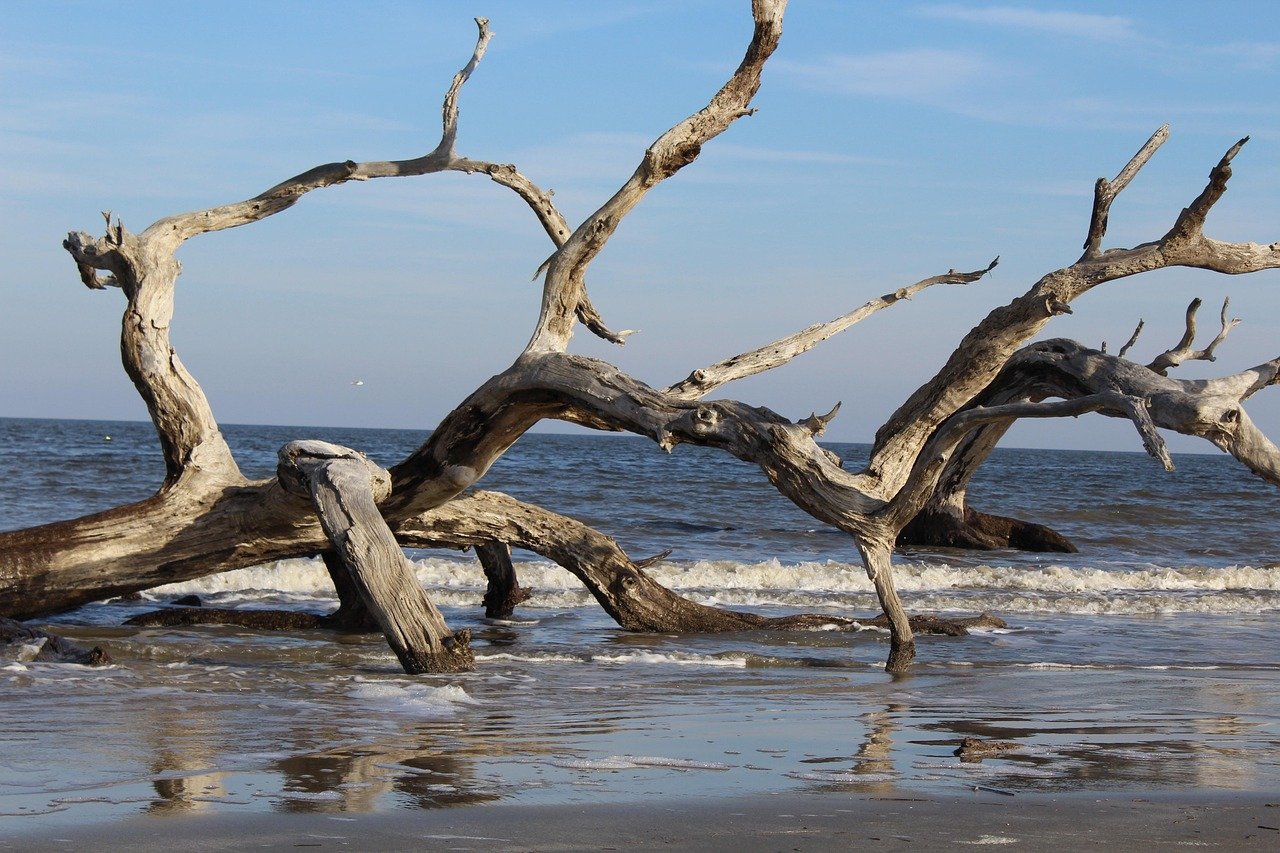
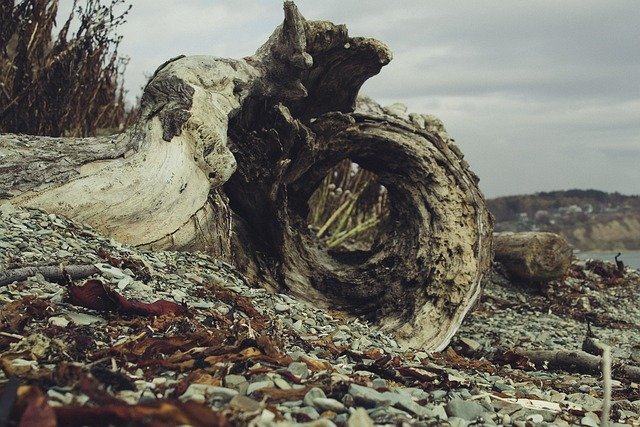
You might have walked past these silvered logs on the beach a thousand times, never realizing they held the key to a prehistoric craft. 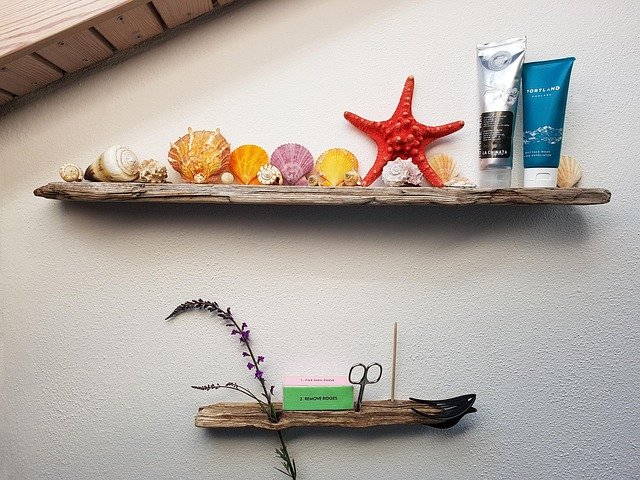 . Foraging for your own tanning agents connects you to the land and sea in a way that store-bought chemicals never could. This process is slow, demanding, and requires a fair bit of grit, but the results are incomparable.
Traditional vegetable tanning is an art of patience. When you use driftwood, you are not just making leather; you are capturing the essence of the coast. This guide will walk you through the chemistry, the collection, and the conversion of raw hide into supple, ocean-cured grain leather.
Tanning Leather With Driftwood Tannins
Vegetable tanning is the oldest method of leather preservation, relying on polyphenolic compounds called tannins to stabilize animal collagen. These tannins are found in the bark, leaves, and heartwood of various trees, such as oak, hemlock, and mangrove. When a tree falls into the ocean and becomes driftwood, the salt water and sun-bleaching process can actually help concentrate these compounds within the dense heartwood as the softer sapwood erodes.
The primary role of these tannins is to bind to the protein fibers in the skin. Once bound, they coat the fibers, making them less water-soluble and resistant to the bacteria that cause rot. This transformation turns a perishable hide into a permanent material. Driftwood offers a unique source of these agents because the wood has often been “pre-processed” by the sea, removing excess sugars and resins that can sometimes interfere with a clean tan.
In the real world, this method is used by artisanal tanners and survivalists who value sustainability. It is a direct alternative to the industrial “chrome tanning” used in 90% of modern footwear and upholstery. While chrome tanning uses trivalent chromium salts for speed, driftwood tanning uses the slow, steady chemistry of the forest and the shore to create something far more resilient.
How to Extract and Use Driftwood Tannins
Extracting the “ooze” or tanning liquor is the most critical stage of the process. You cannot simply soak a hide with a few logs; you must create a concentrated decoction that looks and smells like over-steeped black tea.
1. Sourcing the Right Wood
Identify the species of driftwood whenever possible. Oak, chestnut, and hemlock are the gold standards for tannin content. If you are on a tropical coast, mangrove driftwood is exceptionally potent. Look for wood that is dark in the center when snapped; this indicates a high concentration of preserved tannins. Avoid wood that is overly punky or crumbling, as the tannins may have already leached out.
2. Chipping and Grinding
Tannins are locked deep within the wood fibers. To get them out, you need to maximize the surface area. Use a hatchet, a heavy-duty chipper, or even a drawknife to reduce the driftwood into small chips or coarse sawdust. The finer the material, the faster the extraction.
3. The Boiling Process
Place your wood chips in a large, non-reactive pot. Stainless steel or high-density plastic is best. Avoid cast iron or copper, as the tannins will react with the metal, turning your liquor black and potentially weakening the leather.  . Cover the chips with rainwater or distilled water and simmer them for several hours. You want a liquid that is dark, opaque, and incredibly astringent—if you taste a drop, it should make your mouth pucker instantly.
4. Preparing the Hide
Before the hide touches the driftwood liquor, it must be “bucked” and dehaired. This usually involves soaking the raw skin in a solution of hardwood ashes and water for several days until the hair slips easily. Once dehaired, the hide must be thoroughly rinsed and neutralized with a mild acid, like diluted vinegar, to bring the pH back to a neutral state.
5. The Tanning Baths
Tanning is done in stages. Never toss a fresh hide into your strongest liquor; it will “case tan,” sealing the outside and leaving the middle raw. Start with a very weak, diluted “pre-tan” bath. Every few days, move the hide into a progressively stronger concentration of driftwood liquor. This ensures the tannins penetrate all the way through the cross-section of the skin.
Benefits of Driftwood Tanning
Choosing the path of the beachcomber tanner offers several distinct advantages that modern industrial processes cannot match. This method is as much about the quality of the life you live as it is about the quality of the leather you produce.
- Unmatched Durability: Vegetable-tanned leather is significantly denser and more abrasion-resistant than chrome-tanned alternatives. It holds its shape better and is the preferred choice for saddlery, holsters, and heavy-duty belts.
- Environmental Safety: You are not dealing with heavy metals or toxic run-off. The spent tanning liquor can often be composted or neutralized easily, making it safe for those working in small home workshops.
- Aesthetic Aging: Driftwood-tanned leather develops a deep, rich patina over time. It absorbs the oils from your hands and exposure to the sun, darkening into a beautiful “heirloom” mahogany color that looks better the more it is used.
- Natural Aroma: Unlike the chemical smell of mass-produced leather, this material has a pleasant, earthy, and woody scent that persists for years.
Challenges and Common Mistakes
This is a demanding craft that rewards precision and punishes shortcuts. Beginners often stumble because they underestimate the time or the volume of material required.
Using Iron Containers: This is the most frequent error. . Tannins react aggressively with iron to create ferric tannate, which is a permanent black dye. While this is great for making “vinegaroon” dye, it is terrible for tanning. It can make the leather brittle and cause “rot” over time if the metal concentration is too high.
Rushing the Concentration: Patience is your only friend here. If you move the hide to a strong bath too quickly, the outer grain will shrink and tighten, preventing the tannins from reaching the center. This results in “rawhide” in the middle of your leather, which will eventually rot and cause the leather to delaminate or crack.
Insufficient Stirring: Hides like to fold and stick together in the vat. If you don’t agitate the skins daily, you will end up with light spots where the tannin couldn’t reach. This creates an uneven, mottled appearance that is difficult to fix once the tanning is complete.
Limitations of the Driftwood Method
While driftwood tanning is a superior craft, it is not the right tool for every job. You must understand its boundaries before committing weeks of labor to a project.
The most obvious limitation is time. A thick cowhide can take six months to a year to fully tan in a driftwood pit. Even a thin deer hide requires several weeks of constant attention. If you need a project finished by next weekend, this is not the method for you.
Furthermore, vegetable-tanned leather is stiff. It is not naturally “floppy” like the leather used in a soft jacket. To make it supple, you must put in significant physical labor during the “breaking” stage—pulling the damp leather over a dull blade or rope to snap the fibers. Even then, it will never have the elastic drape of chrome-tanned garment leather.
Environmental factors also play a role. If you live in an area where driftwood is scarce or primarily composed of low-tannin softwoods like pine or fir, you will struggle to get a dark, full tan. You are at the mercy of what the tide brings in.
Comparing Tanning Methods
To understand why driftwood tannins are worth the effort, it helps to see how they stack up against the industrial standard.
| Feature | Chromium Tanning | Driftwood (Veg) Tanning |
|---|---|---|
| Speed | 24–48 hours | 4 weeks to 12 months |
| Environmental Impact | High (Heavy metals, toxic waste) | Very Low (Organic, biodegradable) |
| Durability | Moderate (Can crack over time) | High (Heirloom quality) |
| Skill Level | Industrial/Chemical knowledge | Artisanal/Patience-based |
| Patina | Minimal (Color stays static) | Excellent (Darkens and glows with age) |
Practical Tips for Best Results
Success in tanning is often found in the small details. These adjustments can mean the difference between a stiff board and a piece of professional-grade leather.
- Use Rainwater: Hard water contains minerals like calcium and magnesium that can interfere with tannin penetration. Rainwater is naturally soft and ideal for brewing your liquor.
- Check the “Cut”: To see if a hide is done, cut a tiny sliver off a thick edge. The cross-section should be the same color all the way through. If there is a white or pale streak in the middle, it needs more time in the vat.
- Fat Liquoring: Once the tanning is done, you must replace the natural oils. A mixture of neatsfoot oil and tallow (or even rendered bear fat for the traditionalist) should be applied while the hide is still damp. This lubricates the fibers so they don’t snap when the leather dries.
- The Freeze Test: If you are unsure if your driftwood is high in tannin, put a small amount of the boiled liquor in a clear jar and add a drop of iron-rich water. If it turns jet black immediately, you have a high-quality tanning agent.
Advanced Considerations: pH and Temperature
For those who want to take this craft to a professional level, monitoring the acidity and temperature of your vats is key. Tannins are most effective in a slightly acidic environment (pH 3.5 to 5.0). If your driftwood liquor is too alkaline, the tannins won’t bind properly. You can lower the pH naturally by adding a bit of fermented mash or oak gall extract.
Temperature also matters. While boiling is necessary to extract tannins from the wood, you should never tan a hide in hot water. Anything above lukewarm (about 95°F) will “cook” the collagen fibers, turning your hide into a gelatinous mess. Always let your driftwood tea cool completely before introducing the skins.
Scaling this process requires a “cascade” system. Professional tanneries use a series of pits where the “spent” liquor from a finished batch is used to start a new hide, and the “fresh” liquor is reserved for hides that are nearly finished. This maximizes the extraction from every pound of driftwood you forage.
Scenario: Tanning a Small Game Hide
Imagine you have harvested a single raccoon or fox. You have collected a five-gallon bucket of oak driftwood chips from the shoreline.
After fleshing the hide and dehairing it with wood ash, you brew three separate batches of driftwood tea. You label these “Weak,” “Medium,” and “Strong.” The hide spends the first four days in the “Weak” bath, being stirred twice a day. By day five, the skin has taken on a light tan color.
You move it to the “Medium” bath for a week, and finally the “Strong” bath for another ten days. When you cut a small piece of the ear, the color is a solid, dark amber throughout. You rinse the hide, rub in a warm mixture of mink oil and beeswax, and spend the afternoon “breaking” it over the back of a chair until it is soft as velvet. You now have a piece of gear that will outlast any store-bought equivalent.
Final Thoughts
Tanning with driftwood tannins is a bridge between the ancient world and modern sustainability. It turns a waste product of the sea into a valuable chemical agent, and a raw animal skin into a material of enduring beauty. This process demands a sacrifice of time and effort, but it rewards you with a deep understanding of natural chemistry.
The leather you produce using this method is a physical record of the coastlines you’ve walked and the patience you’ve practiced. It is a rebuke to the “disposable” culture of modern manufacturing. Whether you are making a simple knife sheath or a full set of harness gear, the ocean-cured tannins provide a level of character and strength that cannot be replicated in a factory.
Experiment with different woods, refine your extraction techniques, and don’t be afraid of the work. The next time you see a piece of silvered wood bobbing in the tide, remember that it isn’t just debris—it’s the potential for a masterpiece.
Sources
1 kovifabrics.com (https://www.kovifabrics.com/blog/chromium-vs-vegetable-tanning/) | 2 mahileather.com (https://mahileather.com/blogs/news/the-dangers-of-chrome-tanning-on-the-environment) | 3 wikipedia.org (https://en.wikipedia.org/wiki/Tanning_(leather)) | 4 vonbaer.com (https://vonbaer.com/blogs/blog/what-is-leather-tanning) | 5 youtube.com (https://www.youtube.com/watch?v=gbD2h3g0_Nc) | 6 selvane.co (https://www.selvane.co/blogs/knowledge/chrome-free-leather-tanning-the-case-for-vegetable-tanning) | 7 nyu.edu (https://vertexaisearch.cloud.google.com/grounding-api-redirect/AUZIYQF2HQvlRPRd8EOgcPyA-8JAK9J8387NF3ykdC1j_7qOcONizT1c6aoVz4kZy0oV52KPSd5_l2yrMI-M3Zj46DCeVxgJdHUx4OTjzpEVkzSVGEOYHO_zywOVOKuETvCJE0itx4tBHvDDCaDt_rYf57KFTBjWbPR2W7omN9JEwThNpEHQtr2fsybtTQ==) | 8 gusti-leather.com (https://gusti-leather.com/blogs/leather-encyclopedia/vegetable-tanning) | 9 trendiesty.com (https://trendiesty.com/blogs/news/processing-steps-of-vegetable-tanned-leather) | 10 steemit.com (https://steemit.com/diy/@ofsedgeandsalt/diy-bark-tanning-leather-naturally) | 11 zlveg.com (https://www.zlveg.com/vegetable-tanned-leather-advantages-and-disadvantages/)
 .
. . This structure is incredibly effective at breaking wave energy.
 .
.