Driftwood

  • Using Driftwood As Nurse Logs

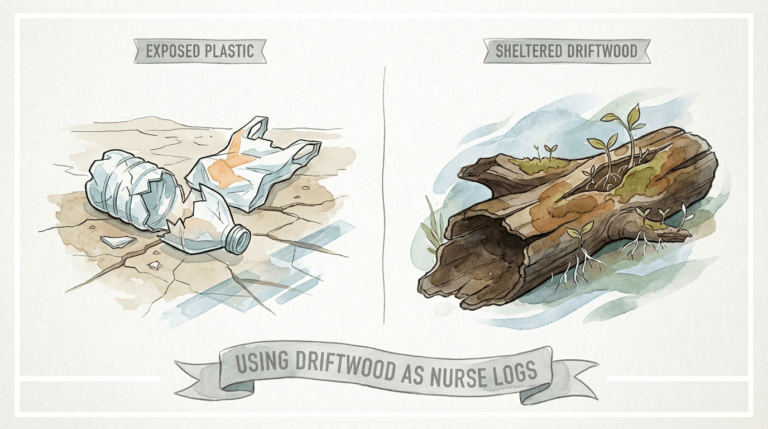
    Nature doesn’t use plastic tubes; it uses the heavy bones of the forest to protect its young. Exposed saplings often die from wind-burn and dehydration. Utilizing heavy driftwood as ‘nurse logs’ creates a biological shield that regulates temperature and stores water right where the roots need it. When you walk through an old-growth forest, you…
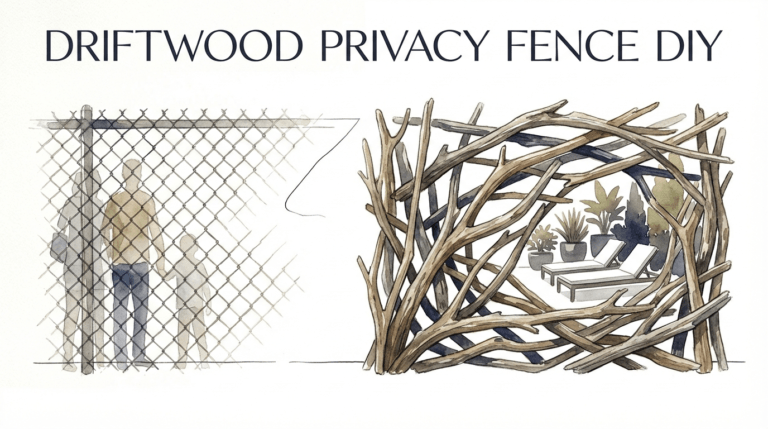
  • Driftwood Privacy Fence Diy

    Turn your property line into a work of art that feels like an extension of the beach. Solid fences act like sails, catching the wind and eventually blowing over. The ‘Wild Barrier’ approach uses the natural curves of driftwood to create a screen that breaks the wind’s force while maintaining total privacy. It doesn’t scream…

  • Driftwood Retaining Walls

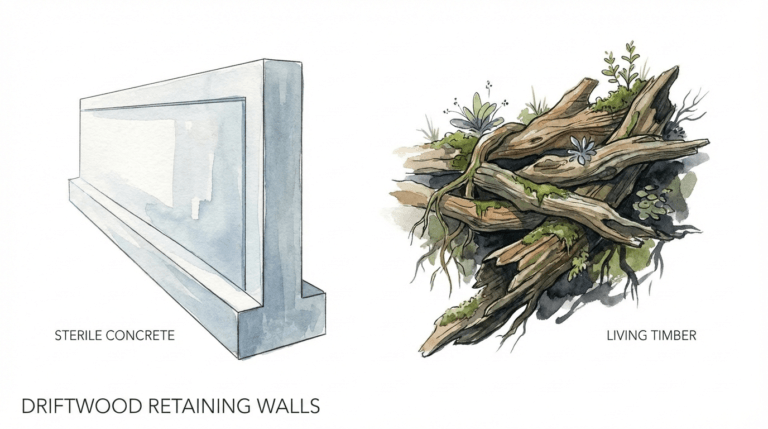
    Your garden walls shouldn’t just hold the dirt; they should be the engine that feeds it. Concrete walls are a biological dead end. They leach lime into your soil and provide zero habitat. Driftwood terracing, however, creates a ‘living skin’ for your garden. As the wood slowly breaks down over decades, it acts as a…

  • Diy Driftwood Garden Markers

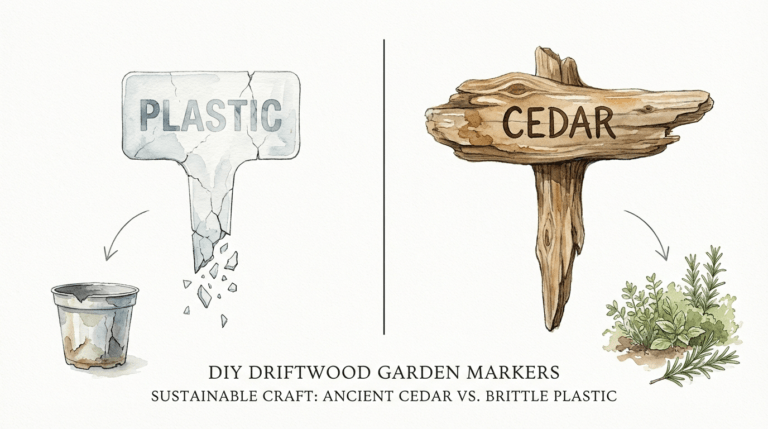
    Why use plastic that breaks in one season when you can use wood that has already survived the Atlantic? Every spring we buy those little plastic white tags, and every autumn we find them cracked and illegible. Driftwood splinters are the ‘synthetic-killer.’ They have been salt-cured and sun-hardened for years, making them naturally rot-resistant and…

  • Making Biochar From Driftwood

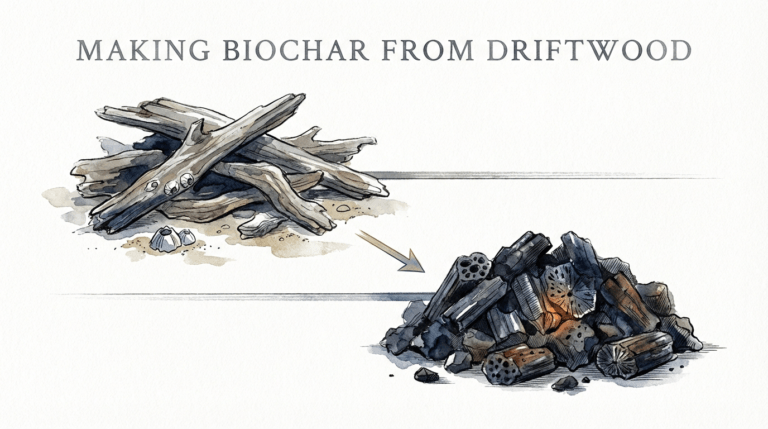
    The ‘trash’ on the beach is actually a concentrated mineral battery waiting to supercharge your soil’s biology. Most people see driftwood as a nuisance to step over. To a master gardener, it’s the ultimate raw material for biochar. Because driftwood has spent months or years absorbing trace sea minerals, when carbonized, it creates a high-surface-area…

  • Driftwood Smoked Food Vs Liquid Smoke

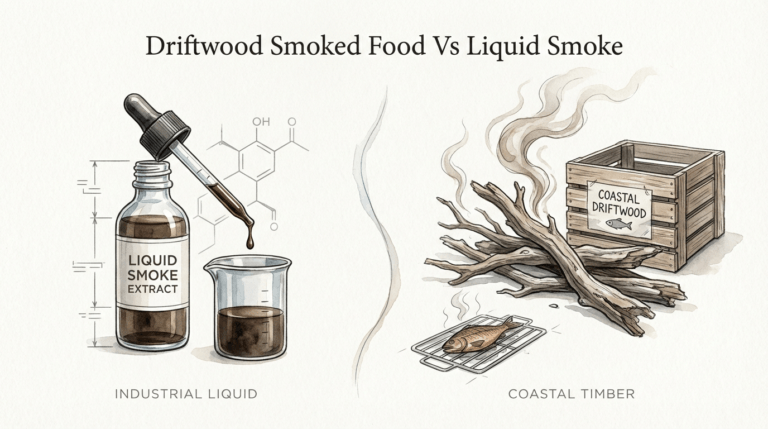
    Your ancestors used the ocean’s waste to preserve their harvest, while modern industry uses a chemistry set. Centuries ago, coastal communities didn’t buy ‘hickory chips’ in a plastic bag. They used the salt-saturated, sun-cured timber delivered by the tide. This ‘Then vs. Now’ look at food preservation reveals why the old ways still taste better….

  • Coastal Windbreak Diy

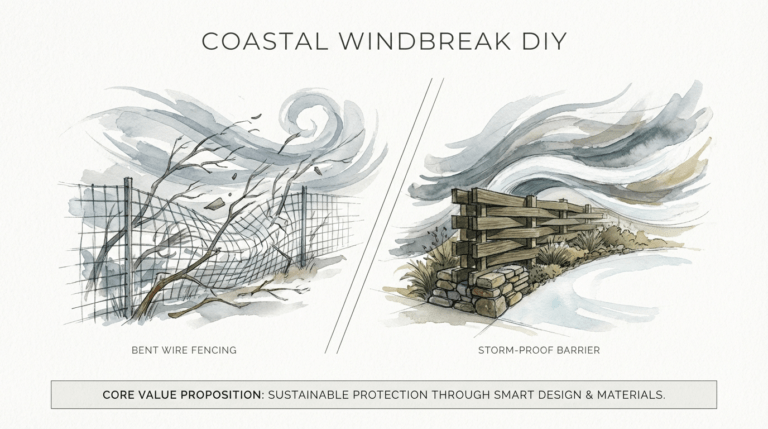
    Metal rusts and wood rots, but timber that has survived the Pacific Ocean laughs at a coastal gale. Traditional fencing is a maintenance nightmare in coastal environments. A driftwood ‘dead-hedge’ windbreak actually traps sand and organic matter, becoming a living, breathing part of your ecosystem that never needs a coat of paint. Building a barrier…