Stop watering the pavement; use the ocean’s bones to deliver every drop of moisture exactly where it counts.
Sprinklers are a waste of resources. Utilizing the natural grooves and curves of driftwood allows you to create a ‘capillary highway’ that captures morning dew and directs it to your most thirsty plants. It’s precision engineering from the tide. Most modern irrigation systems focus on volume, blasting water into the air where much of it evaporates before reaching the roots.

Working with the landscape rather than fighting it is the hallmark of a true steward of the land. This approach moves away from the mechanical noise of pumps and the plastic clutter of hoses. You are instead building a silent, permanent system that lives in harmony with the weather. Every time a light fog rolls in or a brief drizzle falls, your driftwood diverters go to work. They gather the dispersed energy of the atmosphere and funnel it into a focused stream of life for your vegetables and flowers.
Understanding the difference between liquid veins and stray spray is the first step toward a self-sustaining homestead. Liquid veins are the concentrated paths that water naturally wants to follow when guided by gravity and texture. Stray spray is the chaotic, inefficient scattering of water typical of modern suburban lawn care. By choosing the former, you are opting for a method that respects the scarcity of water and the integrity of your soil. This guide will show you how to source, prepare, and install these natural diverters to transform your watering routine.
Driftwood Rain Water Diverter
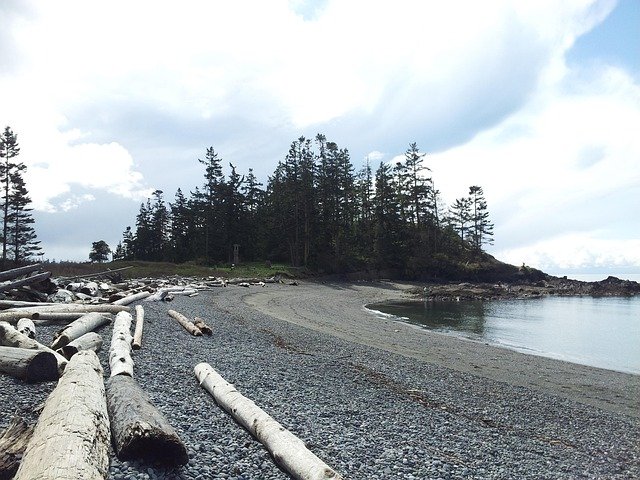
A driftwood rain water diverter is a functional garden sculpture designed to catch atmospheric moisture and light rainfall. These pieces of wood have been cured by salt and sun, making them remarkably resilient to rot compared to fresh timber. They are placed strategically under roof eaves, along garden slopes, or in open areas where dew accumulates. The natural grain of the wood acts as a series of micro-channels, pulling water along its surface through a combination of gravity and surface tension.
These diverters exist because nature has already done the hard work of engineering. When a tree drifts at sea, the soft tissues are stripped away, leaving behind the dense, lignin-rich heartwood. This skeletal remains of the tree are filled with grooves and ridges that are perfectly suited for directing fluid. In real-world applications, farmers in arid coastal regions have used similar techniques for generations to keep small kitchen gardens lush without the need for deep wells or heavy hauling.
Think of the driftwood diverter as a biological gutter. While a metal gutter is efficient at moving large volumes of water quickly, it does nothing to slow the water down or direct it to specific root zones. Driftwood provides a slower, more deliberate delivery system. It mimics the way water trickles down the bark of a living tree during a storm, ensuring that the soil is hydrated deeply rather than just being splashed on the surface.
How It Works: The Mechanics of the Capillary Highway
The functionality of a driftwood diverter relies on the physical property of adhesion. Water molecules are naturally attracted to the fibrous surface of the wood. When moisture touches the high point of a positioned log, it clings to the grain. As more moisture accumulates, the weight of the water pulls it downward along the pre-existing channels carved by years of oceanic erosion. This creates a continuous stream, or a liquid vein, that carries water from the “catchment end” to the “delivery end.”
Selection of the wood is the first practical step. Look for pieces that have deep, longitudinal cracks or “checks.” These are the natural highways you will use to transport water. Once you find a suitable piece, you must determine its natural pitch. Every piece of driftwood has a “flow side” where the grooves are most prominent. Placing the wood at a slight incline—usually between 5 and 15 degrees—is sufficient to keep the water moving without letting it pick up so much speed that it splashes off the wood before reaching the plant.
Installation involves more than just dropping a log on the ground. You must anchor the top end near a water source, such as the drip line of a shed or a heavy collection of overhanging foliage. The bottom end, or the “nose” of the driftwood, should be positioned exactly over the root flare of your target plant. To prevent the wood from shifting, you can use small stones or notched wooden stakes to cradle the diverter. This ensures that even during a windstorm, your capillary highway remains aligned with the plants that depend on it.
Clearing the channels is a minor but necessary task. Over time, dust, pine needles, or spider webs can block the narrow grooves. A quick brush with a stiff natural-bristle brush once a season keeps the liquid veins clear. This simple maintenance ensures that the surface tension remains unbroken, allowing water to glide effortlessly from one end of the log to the other. It is a primitive system, but its reliability comes from its lack of moving parts.
Benefits of Using Tide-Washed Engineering
The primary advantage of this method is the extreme efficiency of water delivery. Because the water travels in close contact with the wood, evaporation is significantly reduced compared to aerial spraying. The wood itself acts as a thermal mass, keeping the water cool as it travels. This is particularly beneficial in the height of summer, as cool water is less shocking to a plant’s vascular system than water that has been sitting in a hot plastic hose.
Sustainability and cost are also major factors. Driftwood is a free, renewable resource that can be found on many shorelines after a storm. Using it eliminates the need for plastic piping, timers, or electric pumps. It reduces your homestead’s carbon footprint while adding a rugged, aesthetic charm that manufactured products simply cannot match. Each piece of wood tells a story of the sea, bringing a sense of history and “pioneer grit” to your garden design.
Soil health also improves when you switch from stray spray to liquid veins. High-pressure sprinklers can compact the soil surface, creating a crust that actually repels water over time. Driftwood diverters deliver water in a gentle, low-pressure trickle. This encourages the water to soak deeply into the soil profile, reaching the lower root zones where it is most needed. This deep hydration promotes stronger, more resilient root systems that can better withstand periods of drought.
Furthermore, driftwood diverters serve as a habitat for beneficial organisms. The underside of the wood stays moist and cool, providing a refuge for ground beetles and other predatory insects that eat garden pests. In this way, your irrigation system doubles as a biological pest control station. It is a multi-functional element that strengthens the overall ecosystem of your backyard or farmstead.
Common Mistakes and Pitfalls to Avoid
One of the most frequent errors is failing to leach the salt from the driftwood before installation. Wood that has spent years in the ocean is saturated with sodium chloride. If you place it directly in your garden, the first few rains will wash that salt into your soil, which can stunt or kill sensitive plants. To avoid this, you should leave your driftwood in an open area away from your garden for a full season, allowing the rain to naturally wash away the salt. Alternatively, you can soak the wood in a large tank of fresh water, changing the water every few days for two weeks.
Incorrect pitching is another common issue. If the angle of the wood is too steep, the water gains too much momentum and will skip right over the grooves, falling off the sides of the log before it reaches the end. Conversely, if the angle is too flat, the water will pool in the center of the log and evaporate. Finding the “sweet spot” requires a bit of observation. It is best to test the flow with a small watering can before finalizing the placement of the diverter.
Overlooking the “drip point” can lead to disappointment. The water will always follow the lowest point of the wood’s exit. If the end of your driftwood is blunt or flat, the water may wrap around the underside of the log and run backward instead of dropping onto the plant. To fix this, you can use a small knife or chisel to carve a sharp “drip tooth” at the very end of the wood. This creates a clear breaking point for the surface tension, ensuring the water falls exactly where you want it.
Using the wrong type of wood is a mistake that leads to premature rot. While most driftwood is relatively stable, “soft” woods like pine or poplar that have only recently entered the water will not last as long as dense hardwoods or resinous woods like cedar and cypress. Ensure the wood feels heavy and solid. If it feels light and “punky” or if pieces flake off easily when touched, it is already too far gone to serve as a reliable diverter and will likely rot within a single season.
Limitations of the Driftwood Diverter
This system is not a universal replacement for all irrigation needs. It is best suited for “point-source” watering, meaning it works well for individual plants like a prize tomato vine or a thirsty rose bush. It is not an efficient way to water a large lawn or a dense field of grain. The labor required to set up and maintain a diverter for every single plant in a massive operation would be prohibitive. It is a tool for precision and supplement, not for bulk flooding.
Environmental factors also play a role. In extremely arid regions where there is zero humidity and no dew, a driftwood diverter has nothing to catch. Its effectiveness relies on there being some form of atmospheric moisture to collect. In a true desert, you would need to pair this with a primary water source, using the wood only as a means of transport. It also performs poorly in high-wind areas where the moisture is blown off the wood before it can form a coherent stream.
Physical constraints are also worth noting. Driftwood is heavy and awkward. Moving large pieces into place can be physically demanding and may require multiple people or mechanical assistance. Once placed, they are semi-permanent; you cannot easily move them around like a garden hose. This requires you to have a very clear plan for your garden layout before you start hauling timber. If you change your mind about your garden’s design, reconfiguring the diverter system is a significant task.
Stray Spray vs. Liquid Veins: A Comparison
Choosing between traditional irrigation and the driftwood method depends on your goals for efficiency and aesthetics. The following table highlights the core differences between these two approaches.
| Feature | Stray Spray (Standard Sprinkler) | Liquid Veins (Driftwood Diverter) |
|---|---|---|
| Water Efficiency | Low (High evaporation and runoff) | High (Direct-to-root delivery) |
| Cost | Moderate to High (Hardware and water bills) | Zero to Low (Found materials) |
| Maintenance | Mechanical (Fixing heads, timers, leaks) | Manual (Brushing grooves, checking pitch) |
| Soil Impact | Compaction and surface crusting | Gentle aeration and deep hydration |
| Aesthetic Value | Industrial/Functional | Natural/Weather-beaten charm |
| Longevity | 5–10 years (Plastic degrades in UV) | 10–30 years (Hardwood driftwood is very stable) |
As the table shows, the liquid vein approach excels in longevity and efficiency. While stray spray is easier to set up initially for large areas, it fails to provide the targeted, high-quality hydration that driftwood offers. For the serious practitioner, the initial effort of sourcing and seasoning driftwood pays off in a system that works with the environment rather than against it.
Practical Tips for Optimizing Your System
To get the most out of your driftwood rain water diverter, consider the texture of the wood surface. If a piece of wood has the right shape but is too smooth to hold water, you can manually enhance its “capillary highway.” Using a small gouge or a chainsaw file, you can deepen the existing grain lines. This creates more surface area for the water to cling to and ensures that the stream stays centered even during heavier downpours.
Another tip involves the use of “wicking leads.” If your driftwood ends a few inches away from the plant’s base, you don’t have to move the whole log. You can tuck a piece of natural hemp rope or a strip of cotton fabric into the last groove of the wood and bury the other end in the soil near the roots. The water will follow the wood, soak into the rope, and be pulled directly into the ground through capillary action. This bridges the gap between the diverter and the soil perfectly.
Grouping your plants can also increase efficiency. By positioning three or four diverters so they all converge at a central point, you can create a “moisture hub” for a particularly thirsty group of plants. This is an excellent strategy for heavy feeders like pumpkins or melons.
- Always test the salt content of your wood by licking it; if it tastes salty, it needs more seasoning.
- Use large river stones at the base of the diverter to prevent the falling water from eroding the soil.
- Install your diverters in the autumn so they can settle and be ready for the spring rains.
- Orient the wood so that the deepest grooves face upward to maximize collection surface.
Advanced Considerations for Serious Practitioners
For those looking to take this further, consider the integration of driftwood diverters into a larger permaculture design. You can use these logs as overflow channels for rain barrels. Instead of a plastic pipe carrying overflow away, a series of driftwood logs can lead that water through a perennial flower bed. This turns a waste-water problem into a beautiful and functional irrigation feature. It adds layers of complexity and utility to the water’s journey through your land.
Biological priming is another advanced technique. You can “seed” the underside of the driftwood with beneficial mycorrhizal fungi. Because the wood retains moisture and provides a stable carbon source, it acts as a nursery for these fungi. The fungi then extend their hyphae from the wood into the garden soil, creating a symbiotic network that helps your plants absorb nutrients more effectively. The driftwood becomes more than a pipe; it becomes a living part of the soil’s fertility system.
Scaling this system requires an understanding of fluid dynamics on a landscape level. You can create a “staircase” of driftwood on a sloped property. As water overflows from the top log, it is caught by the one below it, and so on. This slows the water down as it moves down the hill, preventing erosion and allowing for maximum infiltration at every level. This is often called “slowing the flow,” a key principle in sustainable land management that helps recharge local aquifers.
Wood selection for specific climates is also vital. In humid environments, cedar and redwood are king because their natural oils resist fungal decay. In drier climates, you can get away with using denser woods like oak or madrone, which provide excellent thermal mass and hold onto moisture longer during the heat of the day. Match the wood to your micro-climate for the best long-term results.
Scenario: The Kitchen Herb Garden
Imagine a small herb garden located on the north side of a house. This area gets very little direct sunlight, but it is often damp with morning dew that drips from the roof eaves. In a standard setup, this water would hit the ground and splash mud onto the leaves of the herbs, potentially spreading soil-borne diseases. The water would then run off into the lawn, leaving the herbs’ deep roots dry.
By installing three pieces of 4-foot driftwood, the gardener changes the dynamic entirely. The logs are propped up so the high ends are tucked just under the eave’s drip line. Now, as the dew collects and begins to drop, it lands softly on the wood. The grooves catch the water and silently carry it down the length of the logs. The “noses” of the driftwood are positioned 2 inches above the soil, directly over the base of the rosemary, thyme, and sage plants.
During a light drizzle, these three logs might deliver two gallons of water directly to the root zones over the course of an hour. The leaves of the herbs stay dry and clean, reducing the risk of mold. The soil remains cool and moist under the logs, which also suppress weed growth. This simple setup requires zero electricity and uses water that would otherwise have been wasted. It is a perfect example of tide-washed engineering at work in a domestic setting.
Final Thoughts
The driftwood rain water diverter is more than just a clever gardening trick; it is a return to a way of thinking that values resourcefulness and observation. It forces us to slow down and look at how water naturally moves across a surface. By moving away from the “stray spray” of modern convenience and embracing the “liquid veins” of the natural world, we create gardens that are more resilient, more beautiful, and more in tune with the seasons.
This method rewards the patient gardener. The time spent searching the coastline for the perfect piece of timber and the months spent seasoning it in the rain are investments in the future of your soil. These ocean-cured bones will serve your land for decades, becoming more integrated into the landscape with each passing year. They remind us that the most effective solutions are often the ones that have been right in front of us, shaped by the wind and the waves.
Take the time to experiment with different placements and wood types. Every garden is unique, and every piece of driftwood has its own personality and flow. As you master the art of the capillary highway, you will find yourself looking at the natural world with new eyes, seeing potential for precision engineering in every fallen branch and weathered log. Start small, watch the water, and let the tide guide your garden to success.