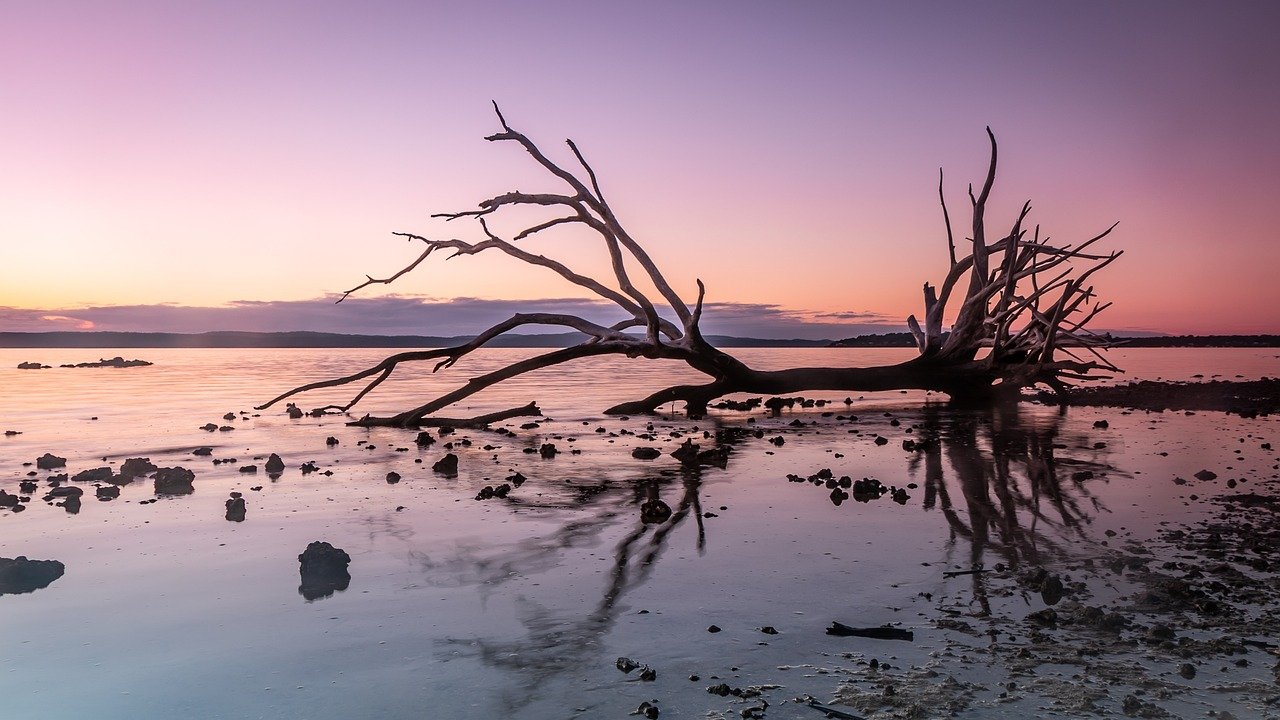
Stop fighting the drought with a hose when the ocean has already provided the perfect plumbing system for your garden. We spend hours dragging hoses across the yard, only for half the water to evaporate before it hits the roots. 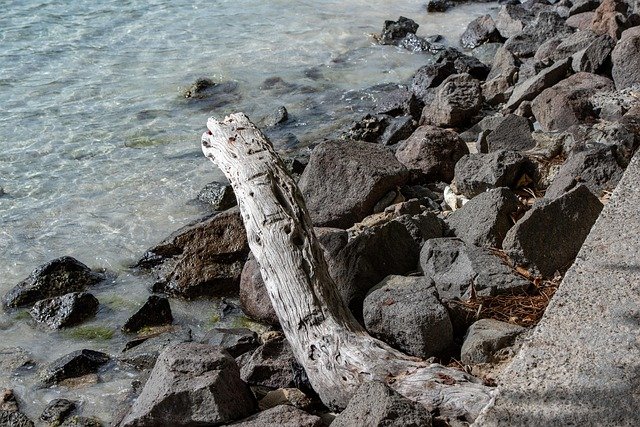 . Ancient coastal cultures didn’t have PVC; they had ‘Ocean Pipe’—hollowed driftwood specifically shaped by the tide to move water. Strategically placing these silver-grey conduits allows you to turn a light drizzle into a deep-soak irrigation event without lifting a finger.
Working with the land rather than against it defines the pioneer spirit. Modern gardening often relies on plastic and municipal pressure, but natural systems offer a more resilient path. This method utilizes the raw, sun-bleached skeletons of the forest to direct life-giving water exactly where it needs to go. It is about understanding the subtle grade of your soil and the unique geometry of the wood you find.
Ancient traditions of water management were born from necessity. Coastal pioneers recognized that the salt-hardened, tide-worn timber found on the shoreline was remarkably resistant to rot. These people didn’t see debris; they saw a ready-made infrastructure for survival. Adopting this mindset transforms your garden from a chore into a self-sustaining ecosystem that thrives on the very elements most people ignore.
Driftwood Water Catchment Systems
Driftwood water catchment systems are gravity-fed irrigation networks constructed from salvaged coastal or riverine timber. These systems function as open-air aqueducts, capturing rainwater or runoff and channeling it toward specific planting zones. Unlike standard irrigation, this method uses the natural “trough” shape of weathered logs to guide water across the landscape.
Historical records show that hollowed-out logs were the primary water delivery system for cities like Boston and London for centuries. These “log pipes” were often made from hemlock, elm, or cedar because these woods swell when wet, creating a watertight seal. Coastal driftwood offers an even greater advantage because the salt and sun have already stripped away the softer sapwood, leaving behind a durable, hardened core.
In a practical garden setting, these conduits act as a bridge between your water source and your soil. You might use a large, curved piece of cedar to catch the runoff from a shed roof, or a series of smaller interlocking limbs to move water from a high point on your property down to a thirsty vegetable patch. It is a functional art form that blends hydraulic engineering with the raw aesthetics of the coast.
The Mechanics of Natural Irrigation
Building a functional system requires a keen eye for both geometry and physics. The first step involves selecting pieces of wood that have a natural “channel” or “U-shape.” Look for logs that have begun to rot in the center or those that have been physically worn down by the abrasive action of sand and surf. These natural depressions will serve as your water’s path.
Desalination is the most critical technical step for any coastal gardener. Driftwood is saturated with sea salt, which can be toxic to most garden plants if not removed. Leave your salvaged wood out in the open during the rainy season to let the freshwater leach the salt away. Serious practitioners may choose to soak smaller pieces in large troughs of freshwater, changing the water every few days until the salt content is negligible.
Placement depends entirely on gravity. Every inch of your conduit must have a slight downward slope to ensure the water continues to move. You can use large stones or smaller “yoke” branches to prop up the driftwood, creating a steady decline. The goal is to move the water slowly enough that it doesn’t erode your beds, but fast enough that it doesn’t pool and evaporate mid-transit.
The Advantages of Timber Conduits
Using natural wood conduits provides a level of cooling that plastic pipes simply cannot match. As water travels over the porous surface of the driftwood, a small amount is absorbed into the wood itself. This creates a micro-cooling effect through evaporation, ensuring that the water hitting your roots is at a lower temperature than the ambient air.
Environmental sustainability is another significant factor. You are removing “waste” from the shoreline and repurposing it without the need for fossil-fuel-intensive manufacturing. These systems do not require electricity or pumps. They rely on the persistent pull of the earth, making them completely immune to power outages or mechanical failures that often plague modern drip systems.
Soil health improves when you move away from high-pressure hoses. The rough interior of a weathered log creates natural turbulence in the water flow. This turbulence aerates the water, increasing the oxygen levels delivered to the root zones. Furthermore, as the wood eventually begins to break down over several years, it releases beneficial tannins and organic matter into the soil, acting as a very slow-release fertilizer.
Avoiding Common Pitfalls
Salt burn is the most frequent mistake made by beginners. Rushing to install a beautiful piece of driftwood directly from the beach can kill a garden bed within weeks. The sodium levels in unwashed driftwood will dehydrate plant cells and ruin soil structure. Always verify the wood is “sweet” by testing the runoff or simply allowing it to weather through a full season of rain before placing it near sensitive crops.
Poor joint management can lead to massive water loss. When connecting two pieces of driftwood, the “shingle method” is essential. The upstream log must overlap on top of the downstream log. If you attempt to butt the ends together, the water will simply leak out at the seam. Using natural sealants like pine resin or even a thick layer of wet clay can help tighten these connections without introducing chemicals into your food supply.
Stability is often overlooked. A log that is full of water is significantly heavier than a dry one. Conduits that are not properly anchored can shift during a heavy storm, potentially dumping gallons of water into a single spot and causing erosion or “drowning” a specific plant. Use deep-set wooden stakes or heavy stones to cradle each section of the pipe securely.
System Constraints and Realities
Driftwood systems are not a “set it and forget it” solution for every landscape. They require a certain amount of topographic relief to function correctly. If your garden is perfectly flat, you will struggle to maintain the necessary head pressure to move water over long distances. In these cases, you may need to build raised berms or support structures to create the required slope.
Wood is a living, changing material. Unlike PVC, driftwood will eventually rot. Depending on the species and the climate, a system might last anywhere from five to twenty years. Hardwoods like oak or rot-resistant softwoods like cedar and redwood will outlast pine or fir. You must be prepared to inspect the system annually for structural integrity and clear out any debris, like fallen leaves or silt, that might block the channel.
Scale is another limitation. Moving enough water to irrigate a multi-acre farm using only driftwood conduits would be an enormous logistical undertaking. This method is best suited for kitchen gardens, small homestead plots, or specific high-value landscape features. It is a precision tool designed for strategic catchment rather than broad-scale agricultural flooding.
Manual Hose vs. Strategic Catchment
Understanding the efficiency of these two methods requires looking at water delivery and labor over time. Manual hosing is often inefficient because much of the water is lost to surface runoff and evaporation.
| Feature | Manual Hose Irrigation | Strategic Driftwood Catchment |
|---|---|---|
| Installation Cost | Low (Cost of hose) | Zero (Salvaged materials) |
| Maintenance | Daily Labor | Occasional Clearing |
| Water Efficiency | Low (High evaporation) | High (Targeted delivery) |
| Lifespan | 3–5 years (Plastic degrades) | 5–20 years (Species dependent) |
Manual watering requires your presence and consistent attention.  . Strategic catchment works while you sleep, capturing the moisture from early morning mists and light rains that would otherwise never reach the root zone. Choosing the latter means investing time upfront to save hours of labor every week.
Practical Tips for the Pioneer Gardener
Starting small is the best way to master the flow of water. Choose a single garden bed and a single source point, such as a rain barrel or a natural slope. Find a piece of wood that feels right for the job and experiment with the angle of descent. You will quickly learn how water behaves when it encounters knots, cracks, and the grain of the wood.
- Check for “Hollow Hearts”: Seek out logs where the center has naturally decayed but the outer ring remains strong. These are perfect natural pipes.
- Use Natural Filters: Placing a small clump of river stones at the entry point of your conduit will catch large debris and prevent clogs.
- Monitor Moisture: Observe the soil at the exit point. If the area becomes too muddy, adjust the exit to a wider, flatter piece of wood to “fan out” the water.
- Integrate with Swales: Direct your driftwood pipes into a mulch-filled swale to allow the water to sink deeply into the earth rather than running off.
Patience is your greatest tool during the setup phase. The wood needs time to settle and saturate. Once the fibers are fully hydrated, the system will become more efficient, and the joints will tighten as the wood expands.
Advanced Hydraulic Strategies
Serious practitioners can build complex networks by “stepping” the conduits. This involves using a series of logs at different elevations to navigate around obstacles or trees. You can create a “manifold” effect by using a large, hollow stump as a central reservoir, with multiple smaller driftwood branches radiating out to different parts of the garden.
Coupling logs for long runs requires more than just overlapping. You can use an iron auger or even a hot coal to burn out the center of a solid log if you cannot find a naturally hollowed one. This historical technique allows you to create custom lengths of pipe that are perfectly tailored to your land. Connecting these sections with handmade wooden “sleeves” or wrapping the joints in tallow-soaked canvas can create a surprisingly watertight long-distance line.
Thermal mass is another advanced consideration. Large logs hold heat. If you position your conduits in a way that they receive afternoon sun, they can warm the water slightly before it reaches the plants. This can be a game-changer for heat-loving crops like tomatoes or peppers during the cooler months of the shoulder seasons.
Example: Harvesting the West Coast Drizzle
Consider a homestead on the Pacific coast where rainfall is frequent but often light. A gardener here might find that a standard 1/4-inch drizzle barely wets the surface of the mulch. By installing a 10-foot “Ocean Pipe” made from a salvaged cedar log, they can intercept the water falling on a 100-square-foot shed roof.
The math is simple and compelling. One inch of rain on a 100-square-foot roof yields about 62 gallons of water. Even a light 0.1-inch drizzle provides 6.2 gallons. Without a conduit, that water is scattered and lost. With the driftwood pipe, those 6 gallons are concentrated into a single 4-foot by 4-foot perennial bed. This turns a negligible weather event into a targeted deep-soak for the plants.
The gardener positions the log on a 5-degree slope, propped up by a few large granite stones. The water flows from the roof gutter into the hollowed-out cedar heart, travels the length of the log, and spills onto a flat “apron” of slate at the base of the garden. . This slate breaks the fall of the water, preventing soil erosion while allowing the moisture to seep slowly into the root zone.
Final Thoughts
Embracing driftwood water catchment is more than just a gardening technique; it is a return to a more intuitive way of living. It challenges the modern obsession with plastic and pressure, replacing it with the quiet efficiency of gravity and weathered timber. By observing the way water moves across your land and providing it with a natural path, you create a garden that feels like an extension of the wild landscape.
This system rewards the observant gardener. It encourages you to walk the shorelines, to understand the properties of different woods, and to master the subtle grades of your own backyard. The silver-grey conduits you place today will become a permanent part of your garden’s character, growing more beautiful as they age and integrate with the soil.
Take the first step by finding one good piece of wood. Clean it, test its flow, and see how it changes the way your plants respond to the rain. You will find that the ocean has indeed provided the perfect plumbing system, waiting only for a pair of hands to put it to work. Related systems like hügelkultur or dry-stack stone swales can further enhance these effects, building a truly resilient homestead that stands the test of time.
Sources
1 thetristatemuseum.com (https://www.thetristatemuseum.com/2017/04/04/wooden-water-pipes/) | 2 thriftyfun.com (https://www.thriftyfun.com/Sterilizing-and-Desalinizing-Driftwood.html)
 . These features provide immediate entry points for insects. Avoid wood that is crumbling or completely soft, as it will rot too quickly in a garden setting. Focus on hardwoods that have been tumbled by the sea; they possess a structural longevity that pine or softer woods lack.
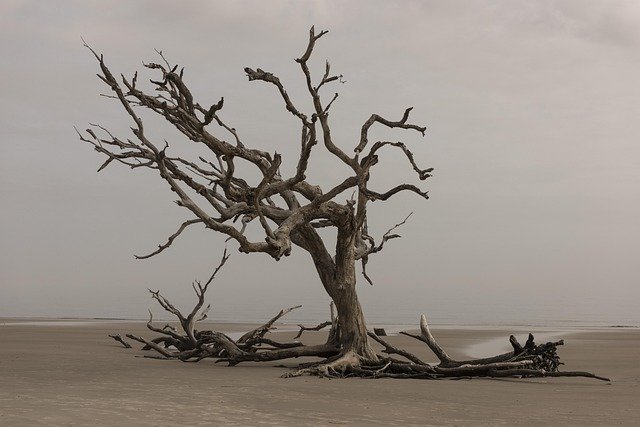 . If you live in a high-risk zone, you must anchor your logs deep into the substrate or use steel cables to secure larger pieces to the ground. Safety should always take precedence over habitat design.
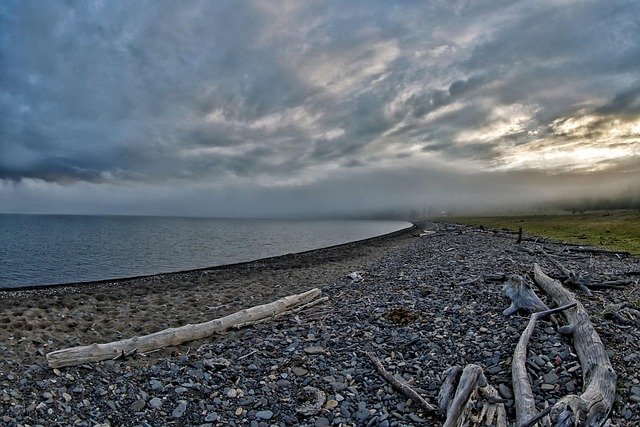 . Use a stiff wire brush to scrub away sand and any lingering organic matter. This reveals the beautiful gray patina and ensures a clean surface for your plants to grip.
 . At the top where the poles meet, they use heavy-duty jute twine to lash the pieces together. A long, thinner piece of driftwood is then laid across the tops of both tripods, creating a “bridge” between them. This entire structure is stable enough to support 50+ pounds of fruit and foliage.