Most people walk past a fortune sitting on the sand every single day. What looks like a tangled mess to the average tourist is a goldmine for the seasoned artisan. That ‘nuisance’ wood clogging up the shoreline is actually a high-demand raw material for luxury interior design. Learn how to spot the pieces worth hundreds.
Driftwood is more than just waterlogged timber; it is a testament to the patient, grinding power of the elements. For the artisan with a sharp eye and a steady hand, these weathered fragments represent a bridge between the raw chaos of nature and the refined elegance of a high-end gallery.
Finding the right piece requires a shift in perspective. You are not looking for sticks; you are looking for stories etched in grain. Whether it is a gnarled cedar root or a sun-bleached manzanita branch, the value lies in the density, the shape, and the history written into every silver-gray fiber.
This guide will walk you through the grit and the glory of salvaging wood. From understanding the legal boundaries of the coastline to the chemistry of preserving a piece for indoor use, we will cover the steps necessary to turn beachcombing into a professional craft.
Valuable Driftwood Identification Guide
Identifying valuable driftwood is the first skill a practitioner must master. Not every piece of wood on the beach is destined for a pedestal. To the untrained eye, it is all “beach debris,” but to the artisan, the distinction between a rotting pine limb and a hardened hardwood sculpture is everything.
Driftwood exists because wood is resilient. When a tree falls into a river or the ocean, it undergoes a transformation. The water leaches out the soft tissues and sap, while the sun and salt “case-harden” the remaining fibers. What remains is often the densest, most durable part of the original plant—the heartwood and the root burls.
Real-world value is often found in species that are naturally resistant to decay. In the aquarium trade, for instance, wood like Mopani and Malaysian driftwood are prized because they are heavy enough to sink immediately and possess a dense structure that does not rot underwater. In interior design, the value comes from the aesthetic of “silvering,” where UV rays have bleached the wood to a ghostly, elegant gray.
Key Indicators of Quality
The weight of a piece is often the first clue. Hardwoods like oak, mahogany, or teak will feel significantly heavier than a similar-sized piece of pine or fir. This density indicates that the wood is structural and will hold up to sanding, carving, and mounting.
Shape is the second major factor. Look for “Hogarth curves” or S-shapes that offer visual movement. Intricate branching, known in the trade as “Spider Wood,” is highly sought after for aquascaping. If a piece has a “base”—a naturally flat area that allows it to stand upright—its value as a standalone sculpture increases instantly.
How the Salvage Process Works
Turning a raw find into a finished product is a systematic process of cleaning, curing, and preserving. You cannot simply pull a log from the surf and put it on a coffee table; doing so invites salt damage, mold, and potentially an infestation of wood-boring insects into the home.
The process begins with a “cold-eye inspection.” Before you even pick up a piece, check for signs of chemical treatment. Wood that smells like oil or has a sticky, waxy texture may be contaminated with creosote, a toxic preservative used on railroad ties and pier pilings. This wood is useless for art or aquariums and should be left where it lies.
Cleaning and De-Salting
Once a piece is deemed safe, the first step is a thorough rinse with fresh water to remove surface salt and sand. Salt is hygroscopic, meaning it pulls moisture from the air. If left in the wood, it will cause the finish to peel and may even cause the wood to “sweat” in humid environments.
Following the rinse, a deep soak is required. For decorative pieces, a solution of one part bleach to nine parts water is standard. 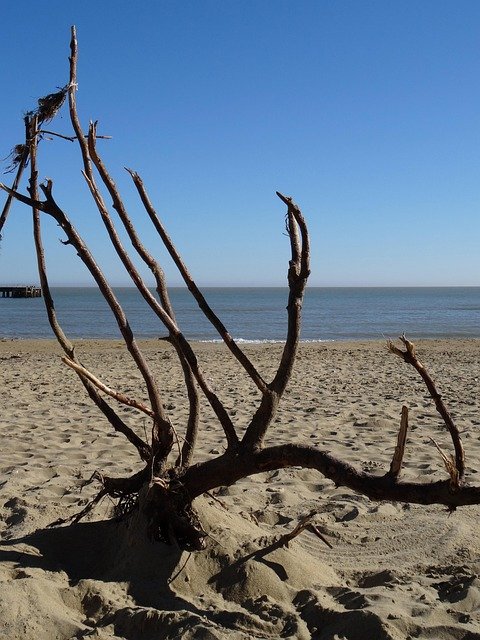 . This soak, lasting anywhere from 6 to 24 hours, kills bacteria and wood-boring pests. For aquarium use, however, bleach is often avoided in favor of boiling the wood, which leaches out tannins and ensures the wood is safe for delicate aquatic life.
Curing and Finishing
Drying is a test of patience. Rushing the process with high heat can cause the wood to warp or develop deep, unsightly cracks. Large pieces should be air-dried in a shaded, well-ventilated area for several weeks.
The “LuRon” method, a classic technique from the Pacific Northwest, involves meticulous sanding followed by burnishing. Burnishing is the act of rubbing the wood with a smooth stone or a piece of antler. This collapses the fibers and creates a natural, glass-like sheen without the need for synthetic varnishes or resins.
Benefits of the Artisan Approach
Choosing to work with salvaged driftwood offers a level of uniqueness that cannot be replicated by factory-produced furniture. Every piece is a one-of-one original, shaped by years of environmental exposure that no machine can simulate.
There is also a significant “green” advantage. Using driftwood is a form of upcycling. Instead of harvesting living trees, you are utilizing material that has already been discarded by nature. For the environmentally conscious collector, this adds a layer of ethical value to the work.
From a market perspective, the profit margins are impressive. A piece that costs nothing but the time to collect and clean can sell for hundreds or even thousands of dollars in a high-end boutique. The value added is entirely in the artisan’s ability to recognize the potential in the “debris” and their skill in bringing that beauty to the surface.
Challenges and Common Mistakes
One of the most frequent errors beginners make is “collecting rot.” Just because a piece has a cool shape doesn’t mean it is structurally sound. If you can indent the wood with your thumbnail, it is likely too far gone. Soft, punky wood will crumble when you try to sand it and will eventually harbor mold.
Another pitfall is improper tannin management. Many woods, especially those from river environments, are full of tannic acid. If you place a piece of improperly cured wood into an aquarium, it will turn the water a dark, tea-like brown within hours. While some hobbyists like this “blackwater” look, it is generally considered a mistake in a standard display tank.
Legal mistakes are perhaps the most dangerous. It is a common misconception that anything on the beach is free for the taking. In reality, many coastal areas have strict regulations. For example, in California State Parks, there is a 50-pound limit per day for personal use, and commercial collection is strictly prohibited without a specific permit.
Limitations and Environmental Constraints
While driftwood is a renewable resource, it is not an infinite one. Driftwood plays a vital role in the coastal ecosystem. It provides habitat for birds, stabilizes sand dunes, and as it breaks down, it returns essential nutrients to the food web. In many regions, large-scale removal is banned because it accelerates beach erosion.
Furthermore, not all wood is suitable for all environments. Saltwater driftwood, even when cleaned, can be problematic for certain types of metal fasteners. The residual salt can corrode screws and brackets from the inside out. For functional furniture, artisans often have to use stainless steel or brass to ensure the piece doesn’t fall apart over time.
There are also physical limits to what can be salvaged by hand. In states like Oregon, the use of mechanized equipment—like tractors or winches—to pull logs from the beach is generally illegal for the casual collector. If you can’t carry it, you can’t have it. This limits the scale of projects for individual practitioners.
Comparison: Beach Debris vs. Artisan Sculpture
Understanding the difference between raw beach debris and a gallery-ready sculpture is essential for setting realistic prices and expectations.
| Feature | Beach Debris (Raw) | Artisan Sculpture (Finished) |
|---|---|---|
| Condition | Waterlogged, sandy, potentially infested. | De-salted, kiln-dried or air-cured, pest-free. |
| Surface | Rough, splintered, covered in algae. | Burnished, sanded, or oiled for texture. |
| Market Value | Negligible or firewood value. | $200 to $12,000+ depending on scale. |
| Durability | High risk of cracking or rotting. | Stable and preserved for long-term use. |
Practical Tips for Best Results
To succeed in this craft, you need to develop a hunter’s instinct and a chemist’s precision. Here are the best practices for the modern wood pioneer:
- Hunt After Storms: The best pieces are often unearthed by heavy winter swells or spring floods. This is when the ocean “resets” the beach, bringing up deep-seated roots and ancient timbers.
- Use a Dremel: A rotary tool with a wire brush attachment is the best way to clean out tight crevices and knots without destroying the natural patina of the wood.
- Boil for Safety: If you are selling to the aquarium market, boiling the wood is non-negotiable. It ensures no “hitchhikers” like snails or parasites enter the customer’s tank.
- Test for Float: If you’re looking for furniture bases, test the piece in water. If it floats high, it’s likely a softwood like pine. If it sinks or sits low, it’s a dense hardwood perfect for structural work.
Advanced Considerations for Practitioners
For those looking to scale their operation, sourcing becomes the primary bottleneck. Relying solely on local beachcombing is rarely enough for a full-time business. Serious practitioners often look toward “drift lumber”—salvaged wood from old shipwrecks or demolished piers. This material often carries historical value that can skyrocket the price of a finished piece.
Another advanced technique is the use of stabilizing resins. For pieces that are beautiful but structurally weak (like “punky” burls), vacuum-sealing them with clear resin can turn a piece of debris into a rock-hard, semi-translucent work of art. This allows you to work with shapes that would otherwise be impossible to preserve.
Finally, consider the mounting. A high-end driftwood sculpture is only as good as its base. Using heavy steel plates or polished stone bases provides a contrast between the organic wood and the industrial foundation, a hallmark of modern luxury design.
Scenario: The $500 Branch
Consider a typical find on a Pacific beach: a three-foot section of Manzanita. In its raw state, it is tangled and covered in dry bark. To the average person, it’s a trip hazard.
The artisan spends two hours pressure-washing the bark away to reveal the deep, reddish-brown wood underneath. They spend another four hours sanding the tips of the branches to a soft, ivory-like finish. After a 24-hour soak in a preservative and a slow week of drying, the piece is mounted on a black granite base.
What was “trash” on Tuesday is now a $500 centerpiece in a coastal boutique by Saturday. The simple math of driftwood is: Observation + Cleaning + Mounting = Value.
Final Thoughts
The world of driftwood is a rare intersection where nature does the heavy lifting and the artisan provides the finishing touch. . It requires a deep respect for the environment and a willingness to get your hands dirty, but the rewards are both financial and artistic.
By following the rigorous steps of identification and preservation outlined here, you can ensure your work stands the test of time. Whether you are building an aquarium hardscape or a massive interior installation, the key is to never rush the wood. It took years for the ocean to shape that piece; it deserves a few weeks of your patience to be brought to life.
As you head out to the shoreline, remember that you are looking for the survivors. . Every piece of driftwood has endured a journey most trees never face. Your job is simply to tell the end of that story.
Sources
1 coco-papaya.com (https://www.coco-papaya.com/en/blog/ethnic-decoration-handicrafts-from-around-the-world/driftwood-decoration-a-unique-and-natural-choice-to-beautify-your-interior) | 2 theshrimpfarm.com (https://www.theshrimpfarm.com/posts/transform-your-tank-choosing-the-best-aquarium-driftwood-for-a-natural-aquascape/) | 3 ratemyfishtank.com (https://www.ratemyfishtank.com/blog/driftwood-in-aquariums-benefits-types-and-how-to-prepare-it-safely) | 4 northwestdriftwoodartists.org (https://www.northwestdriftwoodartists.org/lesson-center/getting-started/field-trips-what-to-look-for-and-where/) | 5 terranestudios.com (https://www.terranestudios.com/post/get-your-drift-on-preparing-driftwood-for-craft-use) | 6 wikihow.com (https://www.wikihow.com/Preserve-Driftwood) | 7 pnwflyfishing.com (https://pnwflyfishing.com/forum/index.php?threads/driftwood-for-home-decor.3550/) | 8 cornell.edu (https://www.law.cornell.edu/regulations/california/14-CCR-4306) | 9 woodart.studio (https://woodart.studio/2021/01/05/what-is-driftwood-art/) | 10 youtube.com (https://www.youtube.com/watch?v=nGsoVYZvT3c) | 11 wikipedia.org (https://en.wikipedia.org/wiki/Driftwood) | 12 oceanhomemag.com (https://www.oceanhomemag.com/home-design/driftwood-decor/) | 13 beachcombingmagazine.com (https://www.beachcombingmagazine.com/blogs/news/swimming-trunks-about-driftwood)
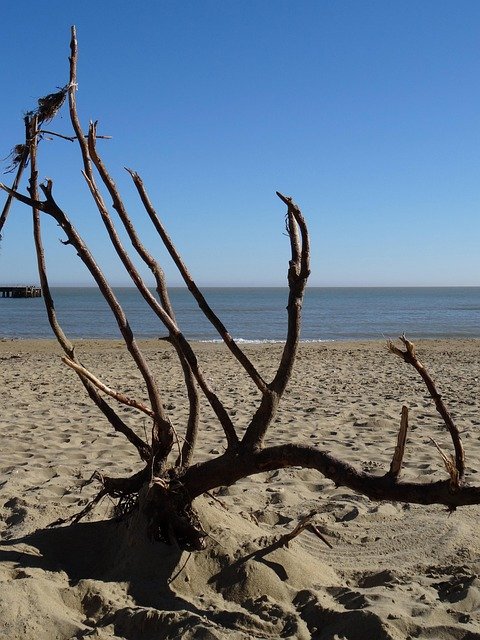 . The salt acts as a natural preservative, while the constant motion of the tides leaches out the fermentable sap and sugars that normally attract rot and insects. What remains is a dimensionally stable, bone-dry piece of timber that is perfect for jigs that must stay true in a humid shop environment.
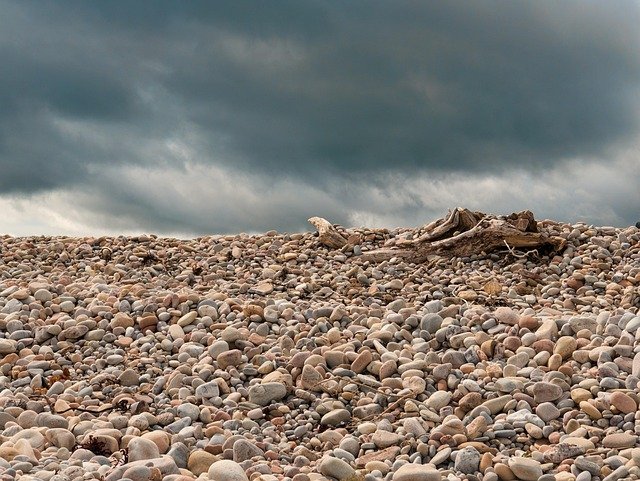 . In these cases, a “PLASTIC JIG” might offer the immediate, dead-on accuracy that found wood lacks.
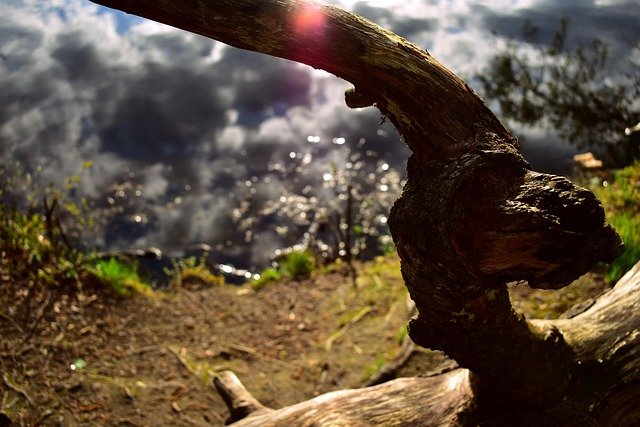 . You can replicate this by using “sea-cured” oak for the base of your workbench. The high salt content actually helps the wood retain a small amount of moisture, making it heavier and more effective at dampening the vibrations from heavy chopping.