Nature doesn’t use plastic tubes; it uses the heavy bones of the forest to protect its young. Exposed saplings often die from wind-burn and dehydration. Utilizing heavy driftwood as ‘nurse logs’ creates a biological shield that regulates temperature and stores water right where the roots need it.
When you walk through an old-growth forest, you see a peculiar sight: a row of young hemlocks or spruces standing in a perfect, straight line. They look as though a phantom gardener planted them with a ruler. If you look closer, you will see they are all perched atop a moss-covered, decaying trunk. This is the “nurse log” in its natural element, a decaying patriarch giving its last measures of life to the next generation.
In the world of coastal restoration and rugged backyard permaculture, we can mimic this ancient wisdom. Instead of relying on flimsy plastic sleeves that eventually become litter, we can use the salt-cured, sun-bleached driftwood found along our shorelines. These heavy timbers are more than just debris; they are life-support systems for vulnerable saplings. This guide will walk you through the grit and science of using driftwood as a foundation for a resilient forest.
Using Driftwood As Nurse Logs
A nurse log is a fallen tree that, as it decays, provides a specialized ecological niche for seedling germination and growth. In the wild, these logs are essential for forest regeneration, especially in the Pacific Northwest where species like the Sitka spruce and western hemlock rely on them to escape the competitive, crowded forest floor. Without these decaying structures, many forests would struggle to maintain their diversity and density.
Using driftwood specifically brings a unique set of characteristics to the table. Driftwood has often been tumbled by tides, stripped of its bark, and “cured” by salt and sun. While some might see a piece of beach wood as sterile, it is actually a rugged, durable shield. When moved to a restoration site or a garden, it acts as a windbreak and a slow-release moisture reservoir.
In practical terms, using driftwood as a nurse log means placing large woody debris near or around a newly planted sapling. This isn’t just about aesthetics; it’s about creating a micro-environment. The log provides physical protection from the elements, a stable footing in shifting soils, and a source of organic matter that will nourish the tree for decades. It is a slow, patient method of land stewardship that respects the timeline of the forest.
How the Biological Shield Works
The magic of a nurse log lies in the transition from solid wood to soft humus. This process begins with the breakdown of lignin—the complex polymers that give wood its structural strength. In a forest, white-rot and brown-rot fungi are the primary workers, boring into the wood and opening up pathways for moisture and air.
As the wood decays, it becomes a sponge. A large log can hold hundreds of gallons of water, releasing it slowly into the surrounding soil during the heat of summer. For a young sapling, this is the difference between life and death. The “lee” side of the log—the side protected from the prevailing wind—creates a pocket of high humidity and stable temperature.
Furthermore, the physical presence of the log acts as a barrier. On a windy coast, salt spray and sand can shred the leaves of a young tree. A heavy driftwood log takes the brunt of that force. It also prevents the soil around the roots from being washed away or buried by shifting dunes. Over time, the log settles into the earth, and the tree’s roots wrap around it, eventually penetrating the softening core to tap into the nutrients stored within.
Benefits of the Nurse Log Approach
Choosing driftwood over modern synthetic protectors offers a suite of ecological advantages that go far beyond simple survival rates. The most immediate benefit is moisture management. Because wood is cellular, it acts as a natural reservoir. During a rain event, the wood fibers swell as they soak up water. In the dry season, the tree’s roots can actually grow into the log to access this internal well.
Another significant advantage is the suppression of competition. The forest floor is a battlefield where ferns, grasses, and shrubs compete for every inch of space. By planting a sapling on or immediately adjacent to a nurse log, you give it a “leg up.” The elevation or the physical presence of the wood prevents smaller, faster-growing plants from overtopping the young tree.
There is also the benefit of fungal synergy. Nurse logs foster relationships with mycorrhizae—beneficial fungi that connect with tree roots to trade nutrients for sugars. These fungal networks are often more robust in decaying wood than in depleted soil. Additionally, the log provides a refuge for beneficial insects and small mammals, whose food debris and droppings further fertilize the site.
Challenges and Common Mistakes
Working with driftwood requires more than just dragging a log into a field. 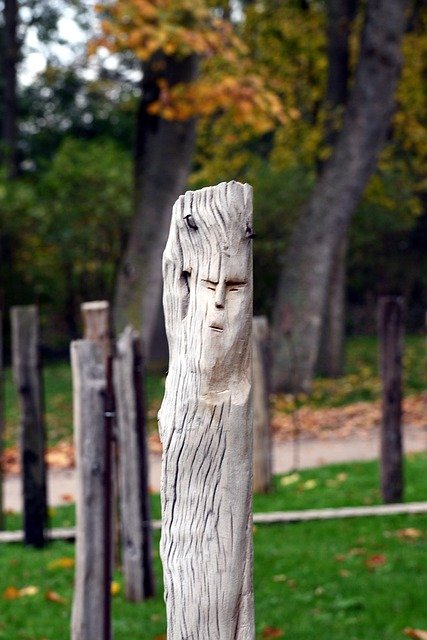 . One common pitfall is ignoring the salt content. Driftwood collected from the ocean carries salt in its fibers. If you place a salt-laden log directly against a sensitive sapling in a low-rainfall area, the salt can leach into the soil and dehydrate the roots. Always try to use wood that has been seasoned or rinsed by rain if you are working with salt-sensitive species.
Another mistake is using wood that is too “fresh.” A newly fallen tree or a piece of driftwood that is still rock-hard has not yet begun the decay process necessary to store water effectively. It takes time for fungi and insects to soften the wood. If you use hard wood, it serves primarily as a windbreak. To get the full “nurse” effect, you may need to wait for the wood to reach a later stage of decay, or manually “score” the wood to allow moisture to enter.
Stability is also a factor. A large log can be a hazard if it isn’t anchored properly, especially on a slope. If a heavy timber shifts during a storm, it can crush the very sapling it was meant to protect. Experienced practitioners often partially bury the log or use wooden stakes to ensure it stays in place until it naturally settles into the landscape.
Limitations of the Method
While the nurse log method is powerful, it isn’t a universal solution for every environment. In extremely arid climates, a log can actually become a heat sink, absorbing sun during the day and radiating it back at the plant, or drying out so completely that it offers no moisture benefit. In these areas, the “nurse” effect is less about the wood’s internal moisture and more about the shade and wind protection it provides.
Scale is another constraint. Transporting several tons of driftwood to a remote reforestation site is a massive undertaking. Unlike plastic tubes, which can be carried in a backpack by the hundreds, driftwood requires heavy lifting and proximity to a source. If you don’t have access to a shoreline or a fallen forest, the labor costs can quickly outweigh the ecological benefits.
Finally, the timing of the decay cycle is a trade-off. A plastic tube provides instant protection from browsing deer. A nurse log provides a physical barrier, but it doesn’t “wrap” the tree. If you have intense pressure from herbivores, you might still need a secondary form of protection, like a small wire cage, until the tree grows tall enough to be out of reach.
Driftwood vs. Plastic Tree Protectors
Modern forestry often relies on the “tree tube” or “grow tube.” These are plastic cylinders designed to protect seedlings from deer and create a mini-greenhouse. While they have their place in industrial timber production, they often fall short in long-term restoration.
| Feature | Plastic Tree Tubes | Driftwood Nurse Logs |
|---|---|---|
| Cost | Low per unit, high for maintenance | Free (if sourced locally) |
| Lifespan | 3-5 years (then becomes litter) | Decades (becomes part of the soil) |
| Ecology | None (can trap heat/moisture) | Provides habitat for fungi and insects |
| Wind Protection | Good, but can catch wind like a sail | Excellent due to heavy mass |
| Maintenance | Requires removal and disposal | Zero (self-incorporating) |
The comparison highlights a fundamental philosophy: the plastic tube is a temporary crutch, while the nurse log is a permanent investment in the soil. Plastic eventually breaks down into microplastics, which can contaminate the very ecosystem you are trying to save. Driftwood, on the other hand, leaves the land better than it found it.
Practical Tips for Implementation
If you’re ready to put this into practice, start by selecting the right wood. Look for driftwood that is “soft” enough that you can press a fingernail into it, but “hard” enough that it doesn’t crumble instantly. These are usually Class III or Class IV decay logs, which have the best balance of structure and moisture-holding capacity.
When placing the log, pay attention to the wind. Position the log perpendicular to the prevailing winds so that it creates a large “shadow” of calm air. Plant your sapling on the sheltered side. If you are on a coast, try to orient the log so it can trap blowing sand, which will eventually bury part of the log and create a stable, nutrient-rich hummock.
Don’t be afraid to help the process along. 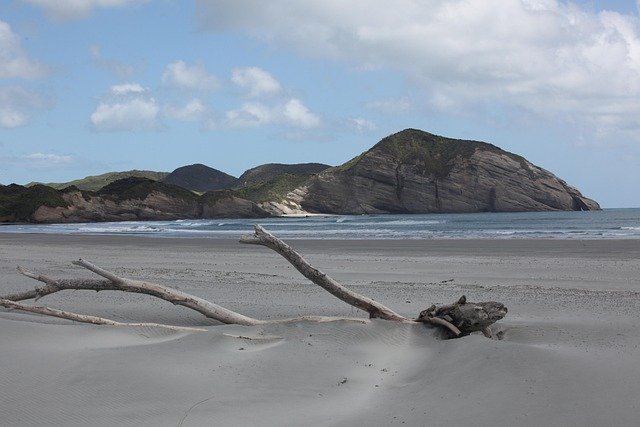 . If your driftwood is very dry, you can drill small holes in the top surface to catch rainwater. This encourages fungi to enter the wood and speeds up the “sponging” effect. If you have access to forest compost or leaf litter, tuck some into the crevices of the log to jumpstart the biological activity.
Advanced Considerations for Practitioners
For those looking to take this further, consider inoculating your nurse logs with specific fungi. By introducing edible or medicinal mushrooms, like oyster or shiitake (depending on your wood species), you can turn your “biological shield” into a food-producing system. These fungi will aggressively break down the wood, making nutrients available to your tree much faster.
Another advanced technique is the “stumpery” or log-jam method. . Instead of using a single log, you can stack several driftwood pieces to create a complex, three-dimensional structure. This creates an even more powerful microclimate, with multiple layers of shade and moisture. This is particularly effective for sensitive species like cedar or yew that require high humidity during their first few years.
Serious practitioners also monitor the nitrogen cycle. Decaying wood can sometimes “rob” nitrogen from the soil in the short term as bacteria work to break down the carbon. To counter this, you can plant nitrogen-fixing shrubs, such as alder or wax myrtle, near the log. These plants will supply the nitrogen needed for both the wood’s decomposition and the sapling’s growth.
Example: A Coastal Dune Restoration
Imagine a stretch of battered coastline where the sand is constantly shifting and the wind never stops. Traditional planting fails here because the saplings are either sand-blasted to death or their roots are exposed within weeks.
By bringing in large driftwood logs and half-burying them at an angle to the shoreline, we create “sand traps.” As the wind blows, sand piles up against the logs, creating stable dunes. We plant native trees, like Shore Pine, in the pocket created by the log. The wood protects the bark from the abrasive sand, the salt-cured timber resists rot longer than inland wood, and the moisture stored in the log’s core keeps the tree alive during the summer droughts typical of coastal environments.
Within three years, the tree’s roots have moved through the sand and into the damp earth beneath the log. The log itself is now home to mosses and beetles. The tree has survived the most dangerous part of its life cycle, not because of a plastic tube, but because it had a “heavy bone” of the forest to lean on.
Final Thoughts
The use of driftwood as nurse logs is a return to a more patient, observant form of land management. It acknowledges that the materials we need are often already at our feet, shaped by the very elements we are trying to protect against. By choosing wood over plastic, we are choosing to work with the natural cycles of decay and rebirth.
This method requires more physical effort than modern alternatives, but the rewards are measured in decades of soil health and ecosystem resilience. A tree grown on a nurse log is part of a community from day one, connected to the fungi, the insects, and the legacy of the timber that came before it.
We encourage you to experiment on your own land. Start small, observe how the moisture settles around a fallen log, and see how the local saplings respond. There is a deep satisfaction in watching a young tree grow strong, its roots intertwined with the sun-bleached remains of an ancient traveler from the sea.
Sources
1 treepittsburgh.org (https://www.treepittsburgh.org/wp-content/uploads/2020/05/nurse-log-exploration.pdf) | 2 gardeningknowhow.com (https://www.gardeningknowhow.com/garden-how-to/info/nurse-logs-helping-new-trees-take-root-and-regenerating-our-forests) | 3 seattletreecare.org (https://seattletreecare.org/removing-tree-consider-creating-nurse-log/) | 4 naturesdepths.com (https://naturesdepths.com/nurse-logs/) | 5 usda.gov (https://www.srs.fs.usda.gov/pubs/ja/ja_stahl001.pdf) | 6 americanforests.org (https://www.americanforests.org/article/nurse-logs-healers-of-the-forest/) | 7 illinois.edu (http://publish.illinois.edu/dalling/files/2021/07/60.pdf) | 8 ancientforestalliance.org (https://ancientforestalliance.org/nurse-logs/) | 9 landcaretas.org.au (https://www.landcaretas.org.au/tree_guard_table) | 10 sierrafoothillgarden.com (https://sierrafoothillgarden.com/2011/03/18/nurse-logs-in-your-garden/) | 11 treesthatcount.co.nz (https://treesthatcount.co.nz/blog/to-guard-or-not-to-guard)