Your garden doesn’t want ‘clean’ soil; it wants the biological chaos of a rotting shoreline log. Sterile soil is dead soil. If you want your garden to thrive, you need to invite the fungi. Partially decomposed driftwood serves as the perfect ‘apartment complex’ for beneficial microbes and mycelium. It holds moisture like a sponge and feeds your plants for years without a single drop of fertilizer.
Most modern gardeners are taught to fear decay. They bag up every fallen branch and rake away every leaf, leaving their soil naked and hungry. This approach forces a reliance on synthetic inputs that provide a quick fix but destroy the long-term health of the land. True fertility isn’t found in a plastic bag of sterilized peat; it is found in the slow, ancient dance of wood returning to the earth.
When you bring driftwood into your garden, you aren’t just adding “brown matter.” You are installing a biological engine. This practice, rooted in the centuries-old tradition of hugelkultur, transforms what others see as beach debris into a high-performance growing system. It is a way of working with nature’s cleanup crew to build a resilient, self-sustaining ecosystem right in your backyard.
Driftwood Hugelkultur For Mycelium Growth
Driftwood hugelkultur is the practice of building mounded garden beds over a core of scavenged wood found along shorelines. While traditional hugelkultur uses forest logs, driftwood offers a unique structural and biological profile. These logs have often been weathered by sun, wind, and water, stripping away the barks and resins that can sometimes inhibit plant growth in fresh wood.
This method exists to solve two major problems: water scarcity and soil depletion. In a natural forest or along a wild coastline, falling timber acts as a “nurse log.” As the wood decays, it becomes a reservoir for water and a sanctuary for saprobic fungi. These fungi are the primary agents of decomposition, and they are the only organisms capable of breaking down lignin, the tough material that gives wood its strength.
In a garden setting, these buried logs act as a “moisture battery.” During wet seasons, the porous wood fibers soak up water until they are saturated. When the heat of summer arrives, the wood slowly releases that moisture back into the surrounding soil. This creates a stable environment where mycelium—the underground network of fungal threads—can flourish without drying out.
How the Fungal Apartment Complex Works
The magic of this system lies in the transition from solid wood to “fungal gold.” When you bury driftwood, you are essentially building a subterranean skyscraper for microbes. The process follows a specific biological succession that turns carbon into plant-available nutrients.
First, pioneer fungi move in. These are often the “white rot” or “brown rot” species that specialize in dismantling the complex chains of cellulose and lignin. As they eat, they excrete enzymes that liquefy the wood, making it accessible to other life forms. This initial phase can take a year or two, during which the wood might actually “rob” a bit of nitrogen from the surrounding soil to fuel the breakdown.
Once the wood softens, it becomes a haven for mycorrhizal fungi. These are the beneficial partners that physically attach to your plant roots. They act as an extension of the root system, reaching out into the buried logs to fetch water and minerals that the plant couldn’t reach on its own. In exchange, the plant provides the fungi with sugars made through photosynthesis.
To build your own driftwood mound, follow these steps:
- Source and Leach: Collect driftwood from freshwater or saltwater sources. If it comes from the ocean, you must leach the salt out by leaving it in the rain for a season or hosing it down thoroughly for several weeks.
- Dig the Trench (Optional): You can build your mound directly on the ground, but digging a trench 12 to 18 inches deep allows for a more stable “battery” and higher water retention.
- Layer the Heavy Timber: Place the largest driftwood logs at the very bottom. Pack them tightly together to minimize massive air pockets that could cause the mound to collapse too quickly.
- Fill the Gaps: Use smaller branches, sticks, and twigs to fill the spaces between the big logs. This creates a dense woody core.
- Add the “Green” Layer: Cover the wood with high-nitrogen materials like fresh grass clippings, kitchen scraps, or aged manure. This provides the “fuel” for the fungi to start breaking down the carbon-heavy wood.
- Cap with Soil: Cover the entire mound with at least 6 inches of high-quality topsoil or compost. This is where you will do your initial planting while the logs below begin their slow decay.
The Practical Benefits of Shoreline Scavenging
Choosing driftwood over standard store-bought amendments offers several measurable advantages for the serious practitioner. The most immediate benefit is cost. In many coastal or lakeside areas, driftwood is a free resource that would otherwise be left to rot or be burned.
Beyond the price tag, the structural integrity of driftwood is superior for long-term beds. Because many of these logs have already been partially “cured” by the elements, they tend to be more resistant to rapid, messy collapse compared to soft, green wood. They provide a stable framework that keeps the soil aerated for years.
The moisture retention of a well-built driftwood hugelkultur is staggering. Some practitioners find that after the second year, they rarely need to water their beds, even during peak summer heat. The mycelial mats that form around the wood act like a living plumbing system, moving water precisely where the plants need it most. This resiliency makes the system ideal for anyone living in areas with watering restrictions or unpredictable rainfall.
Challenges and the Salt Mistake
The biggest pitfall when using driftwood is the salt content. Ocean driftwood is saturated with sodium chloride, which is a potent herbicide for most garden vegetables. If you take a log straight from the surf and bury it under your tomatoes, you will likely kill them. Salt disrupts the osmotic balance of plants, preventing them from taking up water even if the soil is soaking wet.
Another common mistake is failing to pack the layers tightly. If there are large, empty caverns between your logs, the soil will eventually wash down into them. This can leave your plant roots dangling in the air, leading to “root shock” or sudden wilting. You must use “fines” like wood chips, leaves, or soil to plug every hole as you build the mound.
Nitrogen tie-up is also a factor to watch for. In the first season, the fungi working on the wood need nitrogen to do their job. If you don’t add enough “green” material on top of the wood, the fungi will pull nitrogen away from your plants. This usually results in yellowing leaves and stunted growth. Always err on the side of adding more manure or compost than you think you need during the construction phase.
When Driftwood May Not Be Ideal
Despite its benefits, this method isn’t a universal solution. If you live in an extremely arid climate where there is no rainfall to keep the mound “recharged,” the wood can actually become a dry, insulating layer that prevents water from reaching the deeper earth. In these cases, the mound acts more like a wick that pulls moisture *out* of the soil and evaporates it into the air.
Environmental constraints also play a role. Using driftwood in areas where it serves as critical habitat for local wildlife or prevents shoreline erosion is ethically and often legally problematic. Always check local regulations before harvesting wood from public beaches. In some ecosystems, these logs are vital for nesting birds or stabilizing sand dunes.
Finally, consider your timeline. 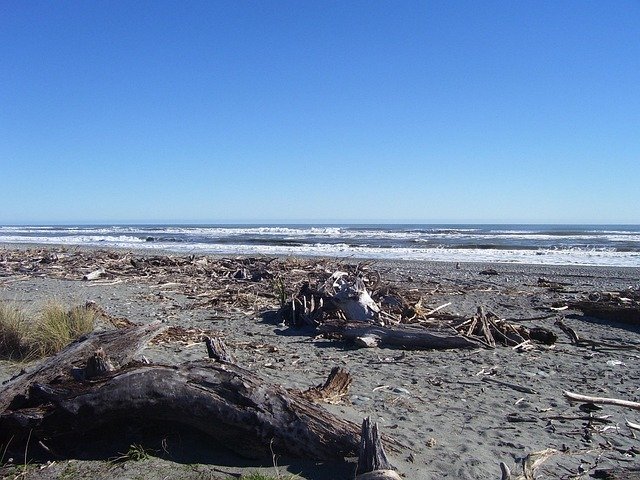 . A driftwood hugelkultur is a long-term investment. It takes time for the fungal networks to establish and for the wood to become “spongy.” If you are looking for a garden bed that is at peak performance in thirty days, you are better off with a standard raised bed. This is a system for the patient gardener who is thinking about the health of the soil five to ten years down the line.
Bagged Dirt vs. Fungal Gold
It is helpful to see how this “shoreline log” method stacks up against the typical way people start a garden. Most beginners head to the big-box store and buy dozens of plastic bags filled with “potting soil.” While this works in the short term, it is a dead-end system.
| Feature | Bagged Soil (Dead System) | Driftwood Hugel (Living System) |
|---|---|---|
| Longevity | 1–2 seasons before needing replacement | 10–20 years of increasing fertility |
| Water Need | High; dries out quickly in sun | Low; acts as a self-watering reservoir |
| Microbial Life | Sterilized; minimal fungal activity | Teeming with mycelium and saprobes |
| Initial Cost | Expensive ($5–$15 per bag) | Low to Zero (scavenged materials) |
The comparison makes it clear that while bagged dirt is convenient, it lacks the biological complexity required for a truly resilient garden. Driftwood provides the structural “bones” that allow a diverse ecosystem to grow over time.
Best Practices for Fungal Success
To ensure your driftwood bed becomes a fungal powerhouse, you should focus on moisture and air. Fungi need oxygen to breathe, so avoid compacting the soil on top of the mound too tightly. Use a broadfork or a stick to poke occasional holes down toward the wood if the soil feels like it is becoming a hard crust.
Inoculation is another way to speed up the process. While wild fungi will eventually find your buried logs, you can give them a head start. When you are building the mound, go to a nearby forest and find a piece of wood that is already covered in white, thread-like mycelium. Crumble a few handfuls of that “active” wood into your layers. This introduces a proven “cleanup crew” to your new garden apartment.
Keep the mound covered. Mycelium is sensitive to UV light and drying winds. A thick layer of straw, leaf mulch, or even “chop and drop” greens will protect the surface and keep the internal environment humid. Think of the mulch as the “roof” of the apartment complex that keeps the tenants safe.
Advanced Fungal Considerations
For those looking to take their soil game to the highest level, consider the species of wood you are using. Hardwoods like oak or maple decay slowly and provide a “battery” that can last for decades. Softwoods like pine or cedar decay faster but can contain resins that might slow down certain fungal species.
Mixing your driftwood with seaweed is a “pioneer secret” for coastal gardens. Seaweed is packed with trace minerals and growth hormones that aren’t found in land-based plants. When layered between the driftwood and the soil, the seaweed provides an immediate nutrient boost while the wood handles the long-term structure. Just remember to rinse the seaweed if it is heavily salted.
You can also use these mounds to grow edible mushrooms alongside your vegetables. Inoculating the logs with wine cap (Stropharia rugosoannulata) spawn can result in a harvest of gourmet mushrooms that pop up right through your mulch. These specific fungi are excellent at breaking down woody debris and actually help protect your vegetable roots from harmful nematodes.
A Three-Year Scenery of Success
Imagine a new driftwood hugelkultur mound built in the autumn. In **Year One**, the mound is tall and prominent. You plant heavy-feeding crops like squash or potatoes on the surface. You might notice you still need to water occasionally as the wood hasn’t fully saturated yet. Under the surface, however, the pioneer fungi are starting to soften the edges of the driftwood.
By **Year Two**, the mound has settled significantly. The wood is now becoming “spongy.” You notice that the plants on the mound stay green even when the rest of the garden starts to wilt in the July sun. If you dig down an inch, you see white fungal threads weaving through the damp wood. The fertility is rising as the “green” layers have fully composted into the wood’s pores.
By **Year Three**, the mound is a stable, rich hill of life. You rarely water it now. The driftwood has become a massive, subterranean lung, breathing nutrients into the soil. The vegetables grown here are noticeably more pest-resistant because they are supported by a massive mycorrhizal network. You have successfully turned “biological chaos” into a permanent source of garden gold.
Final Thoughts
Building a driftwood hugelkultur is an act of defiance against the “clean and sterile” gardening myth. It is a commitment to the slow, beautiful process of decay that fuels all life on this planet. By inviting the fungi into your garden and providing them with a “shoreline apartment complex,” you are setting the stage for a level of fertility that no chemical fertilizer can match.
This method requires a shift in perspective. You must learn to see a weathered, gray log not as trash, but as a vessel for future growth. You must value the hidden networks of mycelium as much as the visible leaves of your plants. It is a way of gardening that respects the ancient cycles of the earth and rewards the practitioner with a resilient, self-sustaining harvest.
Start small if you must, but start. . Scavenge a few logs, leach away the salt, and bury them beneath your soil. 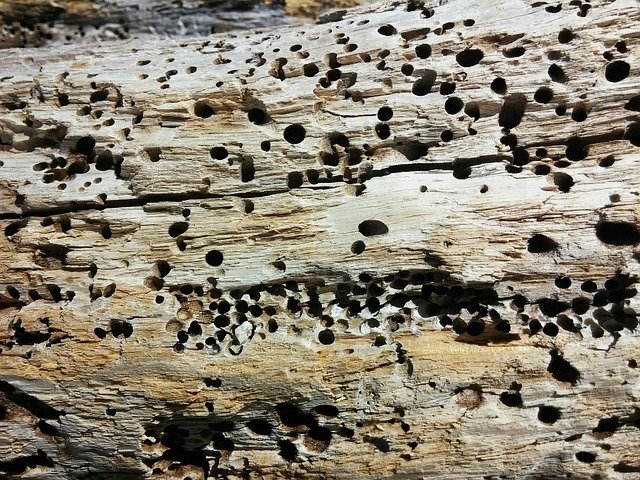 . Watch how the earth responds when you finally give it what it truly wants: the messy, biological complexity of a rotting shoreline log. You aren’t just growing a garden; you are stewardship a living legacy that will feed the soil for years to come.
Sources
1 mysttree.com (https://www.mysttree.com/post/dead-wood-good-wood) | 2 youtube.com (https://www.youtube.com/watch?v=6KBCcCDsS_s) | 3 ecolandscaping.org (https://www.ecolandscaping.org/01/designing-ecological-landscapes/trees/seeing-the-potential-of-wood-inhabiting-fungi-in-the-managed-landscape/) | 4 cedarmountainherbs.com (https://cedarmountainherbs.com/hugelkultur-gardening/) | 5 heraldscotland.com (https://www.heraldscotland.com/life_style/25682042.secret-life-decaying-wood—-garden-needs/) | 6 permaculture.co.uk (https://www.permaculture.co.uk/articles/the-many-benefits-of-hugelkultur/) | 7 permacultureapprentice.com (https://permacultureapprentice.com/food-forest-fungi/) | 8 richsoil.com (https://richsoil.com/hugelkultur/) | 9 okstate.edu (https://extension.okstate.edu/fact-sheets/sustainable-landscapes-creating-a-hugelkultur-for-gardening-with-stormwater-management-benefits)
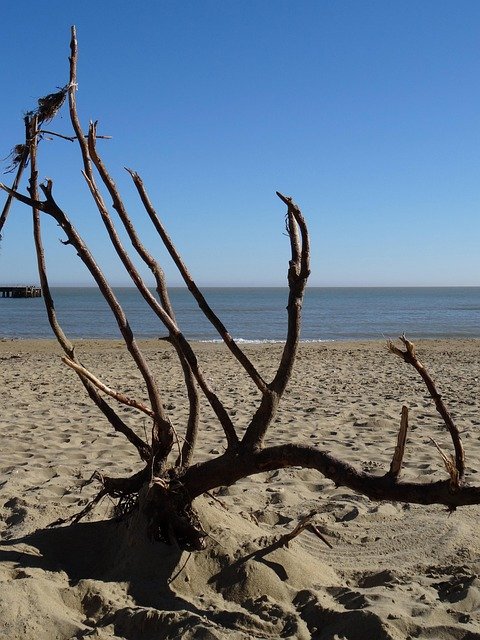 . The salt acts as a natural preservative, while the constant motion of the tides leaches out the fermentable sap and sugars that normally attract rot and insects. What remains is a dimensionally stable, bone-dry piece of timber that is perfect for jigs that must stay true in a humid shop environment.
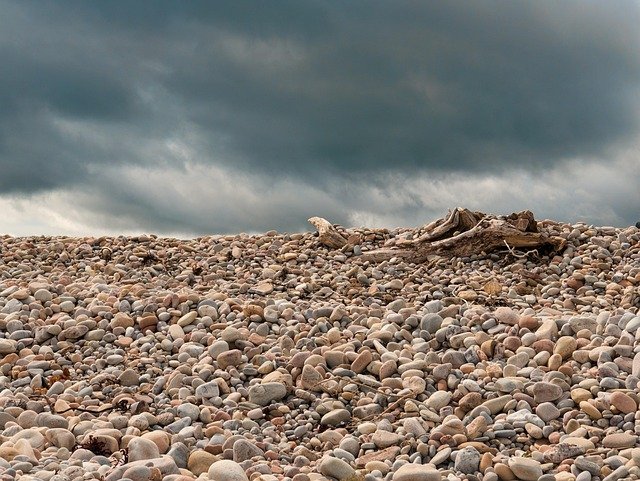 . In these cases, a “PLASTIC JIG” might offer the immediate, dead-on accuracy that found wood lacks.
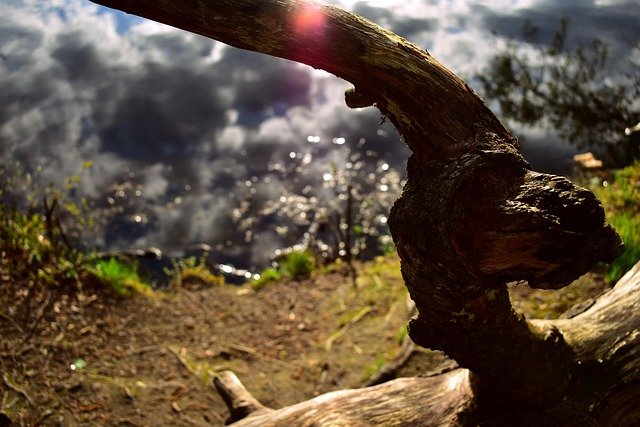 . You can replicate this by using “sea-cured” oak for the base of your workbench. The high salt content actually helps the wood retain a small amount of moisture, making it heavier and more effective at dampening the vibrations from heavy chopping.
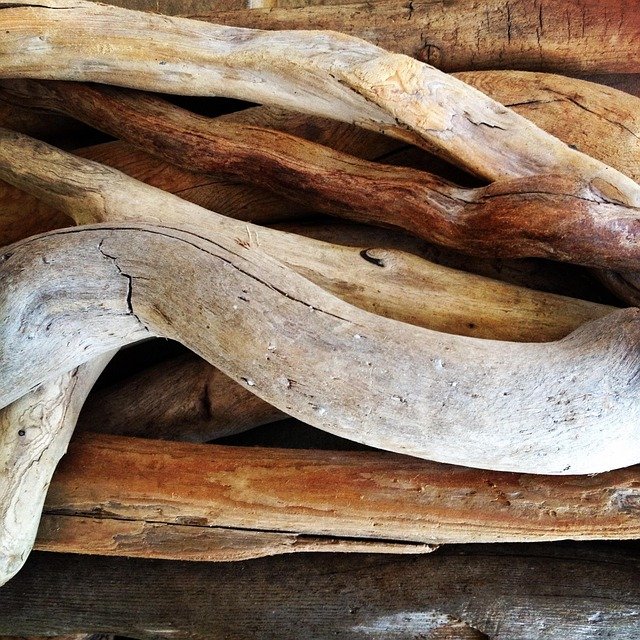 . Whether you are prepping for a grid-down scenario or just want a better night’s sleep in the backcountry, understanding thermal mass in firewood is the first step toward self-reliance.
 . You must be prepared for the “sweat equity” involved in the harvest and transport of these natural batteries.
 .
.  . Instead of using sandpaper to cut the fibers, you use a hard, smooth object like a polished stone, a deer antler, or a piece of bone to rub the wood. This creates a natural, deep luster that looks like it’s coming from inside the wood rather than sitting on top of it. Heat generated by the friction helps melt the natural lignins in the wood, effectively “glazing” the surface with its own resins.
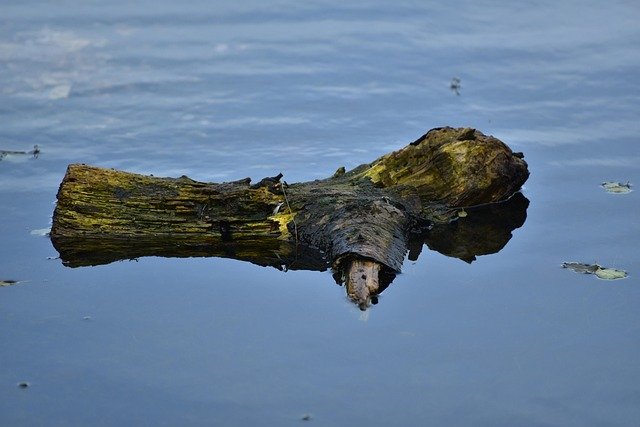 . This seasonal felling was the first line of defense against decay.
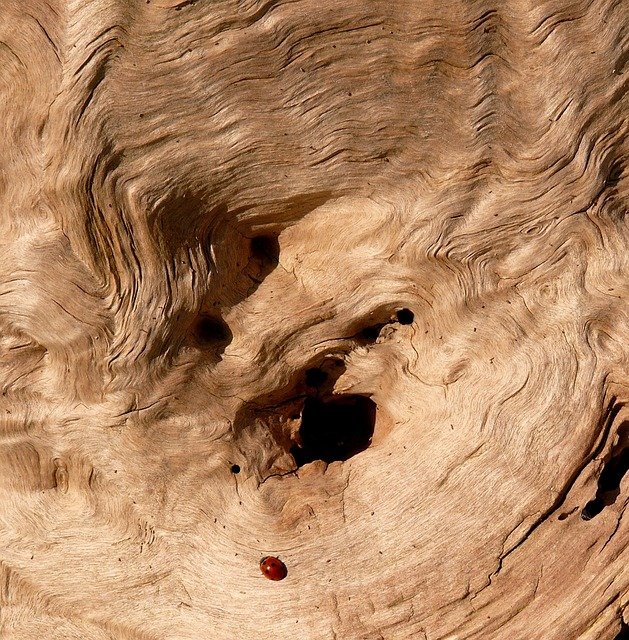 . If you are concerned about introducing pests like sand fleas or marine bacteria into your yard, a soak in a 1-part bleach to 9-parts water solution is highly effective. Let the wood dry completely in the sun for several days before installation. This “curing” process helps stabilize the wood and prevents immediate rot.
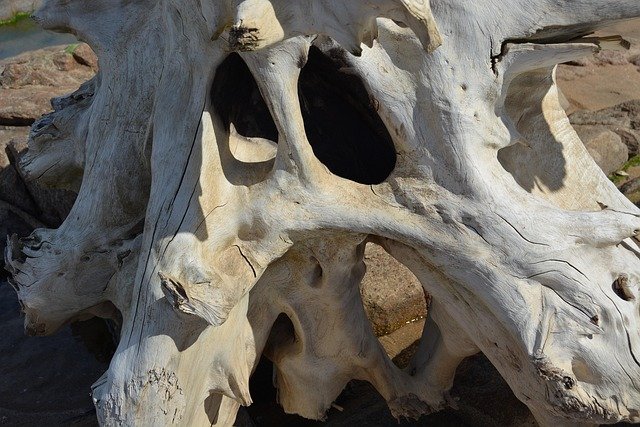 . If a driftwood log is placed in a low-lying area where water pools, it will rot much faster than if it were on a well-drained slope. Even rot-resistant species like cedar have limits. To extend the life of your edging, try to keep the wood slightly elevated or sitting on a thin bed of gravel within your trench. This keeps the wood from being constantly submerged in mud, which is the primary cause of premature failure.
 . As driftwood begins to decay, the lignin fibers break down into a spongy material. This “punk wood” can hold several times its weight in water. During a drought, your plants can actually draw moisture from the soil directly adjacent to the log. This reduces the need for supplemental irrigation and keeps the soil biology active even when the surface is dry.
 . The soil is sandy, nutrient-poor, and dries out quickly in the summer breeze. The gardener finds three large cedar driftwood logs on the beach after a winter storm.
 . Unlike uniform pegboards or industrial metal racking, driftwood offers organic hooks and notches that perfectly cradle the irregular shapes of hand tools. Every curve in a branch or knot in a log can serve as a natural resting place for a mallet, a pair of pliers, or a set of chisels.
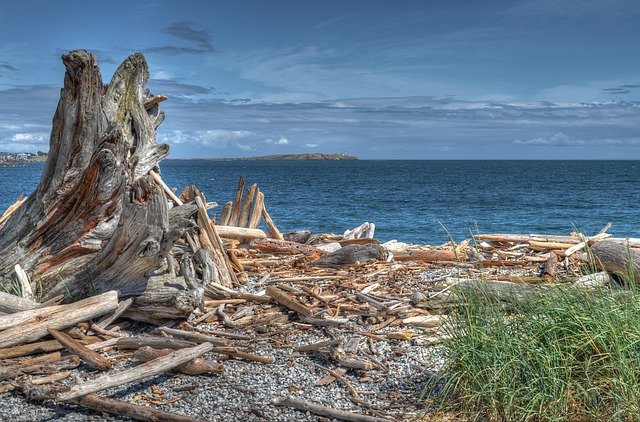 . However, if you are building a tool rack that will also serve as a mounting point for a vise or anvil, you must account for this 10% upper-bound reduction in structural integrity.
 . This “engineered organic” approach allows you to build structures that are both beautiful and industrially capable.
 . Many builders then soak or spray the wood with a mild bleach or white vinegar solution to ensure any remaining organisms are neutralized.
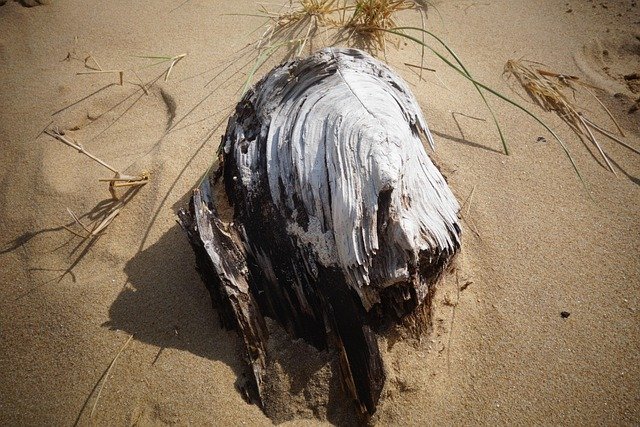 . In fact, many enthusiasts choose to leave it entirely unfinished, allowing the silver patina to deepen over the years.
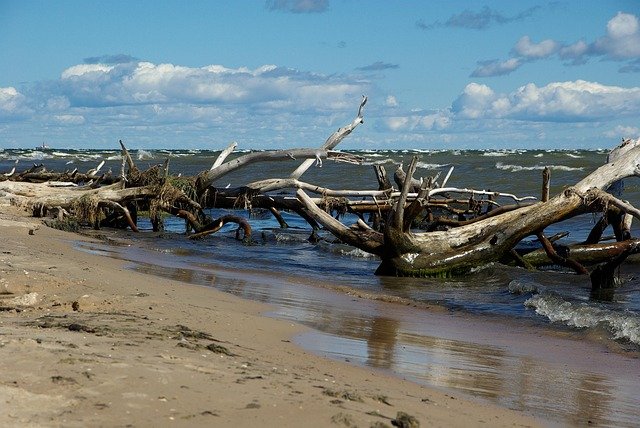 . If the wood gives way easily or feels like a sponge, the rot has moved past the surface and into the core. You want pieces that feel surprisingly heavy for their size, as this indicates high density and low internal rot.
 . The silvered patina and intricate grain patterns of driftwood give your tools a “legacy” feel, making them look like heirlooms from day one.
 . The natural curve of the wood provides better leverage for digging in hard clay, turning a broken piece of trash into a superior gardening tool that will last for decades.