Why use plastic that breaks in one season when you can use wood that has already survived the Atlantic? Every spring we buy those little plastic white tags, and every autumn we find them cracked and illegible. Driftwood splinters are the ‘synthetic-killer.’ They have been salt-cured and sun-hardened for years, making them naturally rot-resistant and immune to UV damage. Etch your plant names into them once, and they’ll look better in ten years than they do today.
Every seasoned gardener knows the frustration of “mystery crops.” You plant a row of heirloom peppers with high hopes, only to have the July sun bleach your marker into a blank white shard. By August, the plastic is so brittle it snaps under the weight of a garden hose. This cycle of waste isn’t just an eyesore; it’s a failure of stewardship. We spend our lives building soil and tending life, yet we rely on cheap petroleum products to tell us which life is which.
Driftwood offers a different path. It is a material that has already undergone the ultimate stress test. Tossed in the surf, baked on the sand, and infused with minerals, it arrives on the shore as a biological survivor. Transforming these pieces into garden markers is more than a craft project. It is an act of bringing a piece of the wild into the managed rows of your garden, ensuring your labels are as permanent as the perennials they identify.
Diy Driftwood Garden Markers
Diy driftwood garden markers are plant labels created from scavenged wood found along coastlines, riverbanks, or lakeshores. 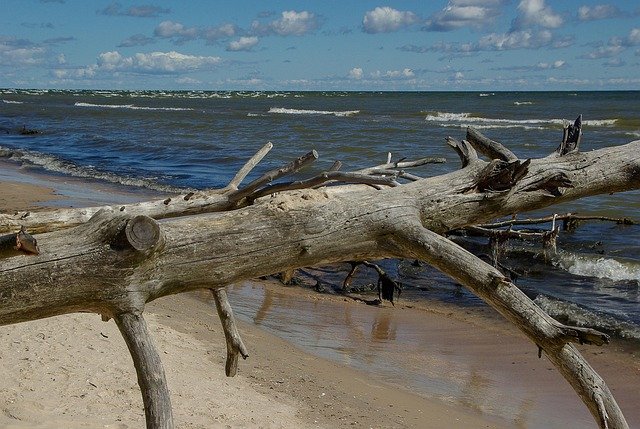 . Unlike mass-produced plastic tags, these markers utilize the natural weathering process to provide a durable, aesthetic, and environmentally friendly alternative for garden organization. They serve as functional signs that identify vegetable varieties, herb types, and perennial placements.
In the real world, these markers bridge the gap between utility and art. A piece of driftwood is essentially “pre-conditioned.” Years of exposure to the elements have stripped away the soft sapwood, leaving behind a dense, lignin-rich core that resists the very fungi that rot common store-bought lumber. When you push a driftwood stake into the damp earth, you are using a material that is already intimately familiar with moisture.
Think of driftwood as the “leather” of the plant world. Just as tanned hide becomes tougher through treatment, wood that has tumbled through the ocean becomes harder and more resilient. While a standard pine stake might last a single season before the buried end turns to mush, a salt-cured driftwood splinter can stand guard over an orchard for a decade or more.
The Science of the Salt-Cured “Synthetic-Killer”
The longevity of driftwood isn’t magic; it’s a result of complex environmental chemistry. When wood spends months or years in the ocean, it undergoes a process called salt-curing. The high concentration of sodium chloride in seawater creates an osmotic environment that is hostile to most wood-rotting microbes. Salt penetrates the cellular structure of the wood, effectively dehydrating potential pathogens before they can take hold.
Furthermore, the mechanical action of the tides acts as a natural “de-barker.” Bark is the primary hiding place for wood-boring insects and moisture-trapping fungi. By the time a branch becomes driftwood, the bark is gone, and the surface has been polished smooth by sand and stone. This leaves a high-density surface that is ideal for wood-burning or permanent marking.
Sun-bleaching also plays a critical role. Ultraviolet rays from the sun break down the hemicellulose in the wood’s surface, a process that usually leads to decay. However, in the case of driftwood, the continuous cycle of wetting and drying “hornifies” the cellulose fibers. This results in a silvery-gray patina that is remarkably stable. It reflects heat rather than absorbing it, which prevents the wood from warping or splitting as severely as fresh-cut timber.
How to Do It: From Shoreline to Soil
Creating these markers requires a blend of patience and proper technique. You cannot simply pull a piece of wood from the surf and expect it to hold a label immediately.  . The wood must be cleaned, cured, and prepped to ensure the best results.
Step 1: Collection and Selection
Look for “true” driftwood. You want pieces that feel heavy for their size, suggesting a high density. Avoid “green” wood that has recently fallen from a tree; this wood is still full of sap and moisture and will rot quickly once placed in the soil. True driftwood often has a silvery-gray appearance and no remaining bark. Seek out hardwoods like oak, cedar, or black locust if you are lucky enough to find them, as these have the highest natural rot resistance.
Step 2: The Deep Clean
Scrub each piece with a stiff-bristled brush to remove sand, salt crust, and any hitchhiking organisms. If you plan to use these markers in a sensitive vegetable bed, consider a “desalination” soak. Place the wood in a bucket of fresh water for 24 to 48 hours, changing the water once. This removes excess surface salt that might otherwise leach into the soil around delicate seedlings. For those worried about introducing fungi, a quick soak in a solution of one part vinegar to four parts water is a natural way to sanitize the wood without using harsh chemicals.
Step 3: Drying and Prepping
Dry the wood completely before attempting to write or burn on it. Air-drying in a sunny, well-ventilated spot for a week is usually sufficient. . For a faster result, you can place smaller pieces in an oven set to its lowest temperature (around 150°F) for two hours. Once dry, use 80-grit sandpaper to create a smooth “face” on the wood. This flat surface is where your plant name will go. If the wood is particularly thick, use a hatchet or whittling knife to sharpen one end into a point, making it easier to drive into the ground.
Step 4: The Marking Process
Choose a marking method that matches the longevity of the wood. Pyrography (wood burning) is the gold standard. It creates a physical indentation that cannot be bleached by the sun or washed away by rain. If you prefer a faster method, use an oil-based paint pen. Unlike water-based markers, oil-based ink binds to the wood fibers and resists UV degradation. Always write the plant name clearly and consider adding the planting date on the back for your own records.
The Practical Benefits of Nature’s Design
Choosing driftwood over plastic offers several measurable advantages that go beyond simple aesthetics.
- Unmatched Durability: Salt-hardened wood can survive for years in direct soil contact, far outlasting cedar shims or bamboo stakes.
- UV Immunity: Plastic markers eventually turn yellow and crumble under the sun’s intense rays. Driftwood has already been “sun-tested” and will only grow more beautiful (and silvery) over time.
- Sustainable Stewardship: Using driftwood removes a piece of debris from the environment and prevents the purchase of more single-use plastic. It is a closed-loop gardening practice.
- Weight and Stability: Driftwood stakes are generally heavier than plastic or thin metal. They are less likely to be kicked out of place by a wandering chicken or dislodged by a heavy rainstorm.
- Natural Integration: The organic shapes and neutral tones of driftwood blend seamlessly into the garden landscape, providing a “pioneer-grit” look that feels intentional and timeless.
Common Mistakes to Avoid
Even with a material as tough as driftwood, certain errors can compromise the effectiveness of your markers.
The most frequent mistake is using water-based “permanent” markers. Despite their name, these inks are highly susceptible to UV fading and will often disappear within three months. Always opt for oil-based pens or wood burning. Another common error is failing to dry the wood before marking. If the wood contains internal moisture, the ink will “bleed” along the grain, turning your neat handwriting into an illegible blotch.
Avoid using wood that is “spalted” or shows signs of active fungal growth (black lines or soft spots). While spalted wood is beautiful for indoor furniture, it is already in the process of decomposing. Placing it back into the moist environment of a garden bed will accelerate its collapse. Finally, do not use driftwood that smells of chemicals or oil, as it may have been contaminated with industrial runoff or boat fuel, which could harm your soil health.
Limitations and Realistic Constraints
While driftwood is superior to plastic, it is not a universal solution for every labeling need.
Availability is the primary constraint. If you live in a landlocked area far from large bodies of water, finding high-quality driftwood requires a trip to the coast or a river. Furthermore, the size of driftwood can be a limitation. It is difficult to find pieces small and thin enough for 72-cell seed starting trays. For the early nursery stage, you may still need smaller, more uniform markers.
Weight can also be a trade-off. If you are labeling delicate indoor houseplants in small 4-inch pots, a heavy driftwood stake might tip the pot over or displace too much soil. In these cases, smaller bamboo or slate markers might be more appropriate. Finally, because every piece of driftwood is unique, you cannot achieve a “perfectly uniform” look. If your garden aesthetic requires identical, laser-straight rows of labels, the wild variation of driftwood may feel disorganized.
Comparison: Ancient Wood vs. Brittle Plastic
The choice between natural and synthetic materials often comes down to a balance of cost, time, and performance.
| Feature | Driftwood (The “Ancient”) | Plastic (The “Brittle”) |
|---|---|---|
| Lifespan | 5–15 Years | 1–2 Years |
| UV Resistance | Extremely High | Very Low (Becomes brittle) |
| Initial Cost | Free (Scavenged) | Low ($5–$15 per pack) |
| Environmental Impact | Positive (Upcycled) | Negative (Microplastics) |
| Legibility Longevity | Permanent (If etched/burned) | Short (Fades in sun) |
Best Practices for the Garden
To get the most out of your markers, follow these optimization tips.
Always sand the writing surface. Even if the wood feels smooth, a quick pass with 120-grit sandpaper will open the grain and allow the ink or the wood-burner tip to penetrate deeper. This prevents the label from “sitting on top” of the wood where it can be abraded.
Consider a natural sealant. While not strictly necessary for salt-cured wood, a quick wipe with linseed oil or beeswax can deepen the color of your markings and provide an extra layer of moisture protection. Avoid synthetic varnishes, as these will eventually peel and flake, ruining the look of the marker.
Use the “Back-Side Backup.” Write the plant’s name on both the front and the back of the stake. If one side is exposed to more intense afternoon sun and happens to fade over many years, the protected back side will remain legible. This simple habit has saved many a gardener from losing track of their rare cultivars.
Advanced Considerations for Practitioners
For the serious practitioner, garden markers are a tool for data management. Driftwood provides enough surface area to go beyond simple names. You can use a fine-tip wood-burning pen to include the botanical name (genus and species), which is essential for those running small seed-saving operations or public-facing gardens.
Think about the “anchor” of your stake. In loose, sandy soil, a smooth driftwood stick can easily be pulled out by heavy winds or curious pets. You can improve stability by drilling a small hole near the bottom of the stake and inserting a short cross-piece of stiff wire or a smaller twig. This creates a “deadman” anchor underground that keeps the marker firmly in place.
Furthermore, consider the “tannin factor.” Some woods, particularly oak or mahogany driftwood, are rich in tannins. While these tannins are excellent for the wood’s durability, they can slightly acidify the soil immediately surrounding the stake. For most plants, this is negligible, but for extremely sensitive, alkaline-loving species, you might choose a more neutral wood like weathered pine or fir.
Real-World Scenarios
Consider a perennial herb spiral. You have planted rosemary, sage, and thyme. In the winter, the sage and thyme may die back significantly, leaving nothing but bare earth. A small plastic tag is easily buried under autumn leaves or blown away by winter gales. A sturdy 12-inch driftwood stake, however, remains visible even through light snow. In the spring, you know exactly where to avoid digging, protecting the dormant root systems of your most valued herbs.
In an orchard setting, driftwood markers can be used to label young saplings. Unlike wire-on metal tags that can eventually “girdle” a growing branch if not loosened, a driftwood stake sits in the ground next to the trunk. It provides a clear, high-contrast label for the variety (e.g., “Honeycrisp Apple – 2024”) that doesn’t interfere with the tree’s physical growth.
Final Thoughts
The transition from plastic to driftwood is a hallmark of a maturing gardener. It represents a shift from “quick and cheap” to “slow and resilient.” By choosing a material that has been hardened by the sea and the sun, you are building a garden that feels established and permanent. These markers don’t just tell you where your carrots are; they tell a story of the landscape.
We should aim to leave our soil better than we found it. Replacing brittle synthetics with salt-cured wood is a small but profound step in that direction. The next time you find yourself on a beach or a riverbank, look past the shells and the stones. Look for the silver-gray splinters that have survived the journey. They are the perfect candidates to stand watch over your harvest.
Experiment with different wood types and marking styles. You may find that the process of whittling a stake and burning a name into it becomes as rewarding as the planting itself. Your garden deserves markers that are as tough as the pioneer spirit that keeps you out in the dirt every spring.
Sources
1 hartley-botanic.ie (https://hartley-botanic.ie/magazine/keep-things-correctly-labeled/) | 2 theguardian.com (https://www.theguardian.com/lifeandstyle/2017/dec/23/best-way-to-label-garden-plants) | 3 ariumology.com (https://ariumology.com/2025/12/18/paludarium-driftwood-guide-how-to-choose-wood-by-color-shape-plant-compatibility/) | 4 davesgarden.com (https://davesgarden.com/community/forums/t/1287912/)
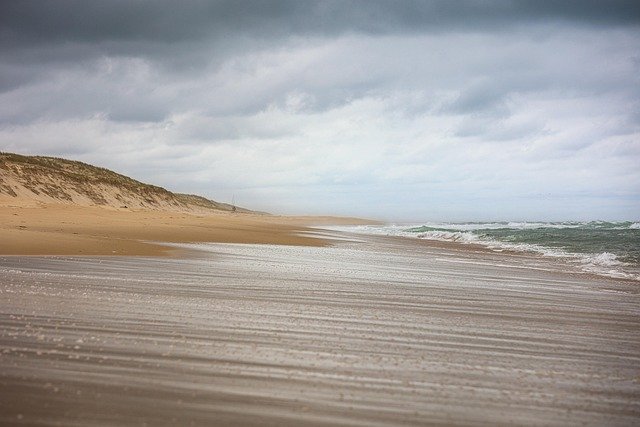 . Driftwood is more than just free lumber; it is a vital part of the coastal ecosystem that provides habitat for insects and birds.
 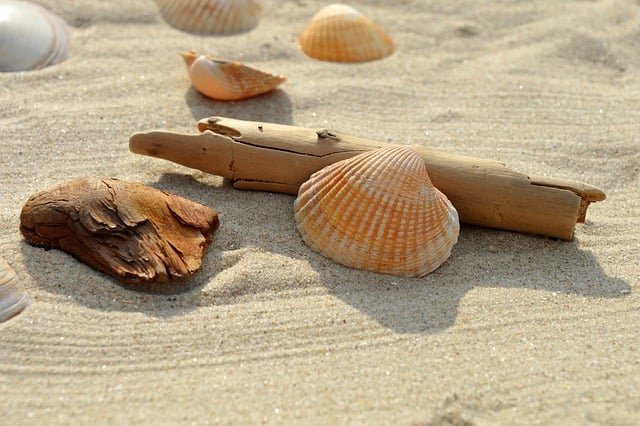 . These plants thrive in salt spray and will eventually interweave their branches with the driftwood, creating a barrier that is virtually indestructible.