The secret to a crystal-clear pond isn’t a plastic pump—it’s the ocean’s discarded architecture. Stagnant water is where life goes to die. Layering salt-cured driftwood into your garden stream ensures you aren’t just decorating; you’re creating a biological engine that pumps oxygen and life back into your ecosystem. Let the wood do the work.
Most pond owners reach for a catalog of high-powered pumps and chemical clarifiers at the first sign of algae. They overlook the simple wisdom of the forest and the sea. Natural water systems have survived for eons without electricity because they rely on the intricate interactions between water and submerged organic matter. Driftwood is more than a rustic accent; it is a structural necessity for any living water feature.
Introducing wood into your pond mimics the “woody debris” found in pristine mountain streams and ancient riverbeds. This material provides the physical framework for complex life to flourish. It solves the problem of stagnant mud by transforming your pond into a living flow. This guide will show you how to leverage the science of wood to achieve professional-grade water clarity and health.
Natural Pond Aeration Using Driftwood
Natural pond aeration using driftwood is the process of using submerged wood to increase dissolved oxygen levels and biological activity. While a mechanical bubbler forces air through a stone, driftwood works through two primary mechanisms: mechanical turbulence and biological surface area. 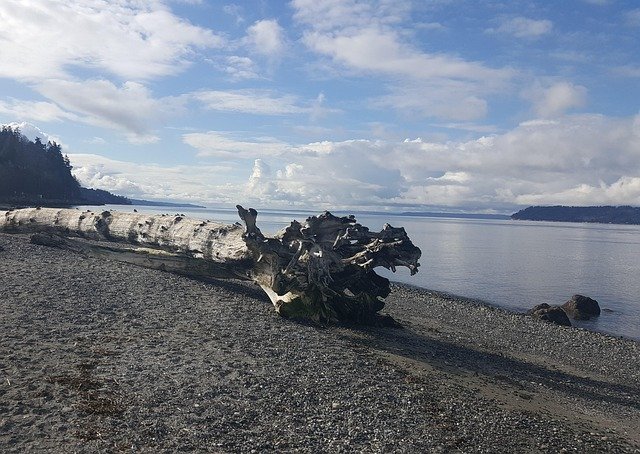 . It is a passive system that integrates seamlessly into the pond’s nitrogen cycle.
In the real world, you see this in every healthy river. Fallen trees create riffles and eddies. These disruptions in the water’s path force it to interact with the atmosphere, trapping oxygen molecules and pulling them below the surface. This is “passive aeration.” It turns a smooth, slow current into a chaotic, oxygen-rich environment that supports a massive variety of aquatic life.
Wood also serves as a biological filter. Unlike smooth plastic or stone, wood is porous and textured. It provides a massive amount of surface area relative to its size. This space is quickly colonized by beneficial bacteria and microorganisms that process organic waste. Without this wood, waste sits on the pond floor and rots, consuming oxygen and fueling toxic algae blooms.
How Driftwood Oxygenates Water: The Biological Engine
Oxygenation happens at the interface between air and water. Stagnant ponds have a very limited interface. Driftwood increases this surface area in ways that are often invisible to the naked eye. To understand how to do it correctly, you must understand the two roles wood plays in the aeration process.
Micro-Eddies and Mechanical Aeration
Placing a gnarled piece of driftwood in the path of a stream creates micro-eddies. These are small, swirling pockets of water that form behind the branches and crevices of the wood. As water strikes the wood, its laminar (smooth) flow is broken into turbulent flow. This turbulence creates “choppy” water at the surface, which is the most efficient way to facilitate gas exchange.
This process is governed by the Reynolds number, a concept in fluid dynamics. When the flow of water hits a rough object like driftwood, it creates a chaotic environment where oxygen is pulled into the water column. The more intricate the wood’s shape—with its knots, holes, and branches—the more turbulence it creates per gallon of water flow. . This mechanical disruption is the first step in reviving a dead pond.
The Biofilm Powerhouse
Biological aeration is just as critical. Once wood is submerged, it develops a “biofilm.” This is a thin, slippery layer composed of bacteria, fungi, and algae. While it might look like gunk, this biofilm is the heart of your pond’s immune system. These microorganisms are “pioneer species” that adhere to the wood’s sugar matrix and begin cleaning the water.
Beneficial nitrifying bacteria like Nitrosomonas and Nitrobacter thrive on these wooden surfaces. They consume ammonia and nitrites, which are toxic by-products of fish waste and decaying leaves. By processing these wastes efficiently, the bacteria prevent the “oxygen crash” that happens when a pond becomes overloaded with organic matter. The wood provides the home; the bacteria provide the labor.
Selecting the Right Driftwood for Your Ecosystem
Not all wood belongs in your pond. Using the wrong type can lead to rapid rot, toxic sap leakage, or a complete collapse of your water chemistry. You must choose wood that is durable, dense, and properly cured. Pioneer-grade ponds require materials that can withstand years of submersion without crumbling into muck.
Salt-Cured Marine Driftwood
Salt-cured driftwood from the ocean is the “gold standard” for durability. Exposure to salt and sun over decades has leached out most of the soft tissues and sugars, leaving behind a hard, lignin-rich skeleton. This wood is incredibly resistant to decay. It provides a stable, long-lasting structure for your biological engine.
Caution is necessary when moving marine wood to a freshwater pond. Residual salt can harm sensitive freshwater plants and fish. To use salt-cured wood safely, you must soak it in freshwater for several weeks, changing the water frequently until the salt is gone. This “leaching” process ensures the wood is chemically neutral before it enters your ecosystem.
Specialized Hardwoods: Mopani and Malaysian
Mopani wood, sourced from Africa, is famous for its density. It is one of the few woods that sinks immediately without needing to be weighted down. Its two-toned appearance and gnarled texture provide excellent surface area for biofilms. It also releases tannins slowly, which adds a natural tea-colored tint to the water and boosts fish health.
Malaysian driftwood is another sturdy option. It is typically darker and more branch-like than Mopani. These branches are perfect for creating the turbulence needed for mechanical aeration. Both woods are considered “aquarium safe” and work exceptionally well in garden ponds because they do not rot quickly. They are long-term investments in your pond’s infrastructure.
Woods to Avoid
Softwoods like pine, cedar, and fir should never be used in a pond. These woods contain resins and saps that are toxic to fish. They also decompose very quickly in water, which actually consumes oxygen and adds to the sediment layer you are trying to avoid. Freshly fallen “green” wood is also a mistake. It contains high levels of sugars that will cause a massive bacterial bloom, potentially suffocating your fish overnight.
Step-by-Step: Installing Driftwood for Maximum Aeration
Placing wood in your pond requires more thought than just tossing a log into the water. To maximize aeration, you must position the wood where it will interact most vigorously with the water flow. Follow these steps to build a high-performance natural aeration system.
1. Preparation and Sterilization
Scrub your chosen driftwood with a stiff brush and plain water. Never use soap or detergents, as these will kill the very bacteria you want to attract. If the wood is small enough, boiling it for two hours will kill any unwanted pathogens and help it sink faster by releasing trapped air. For larger pieces, a long soak in a separate container is the best way to ensure the wood is clean and waterlogged.
2. The Riffle-and-Pool Strategy
Position your driftwood in the shallow areas where your water enters the pond. If you have a waterfall or a small stream, place a large, gnarled piece of wood directly in the center of the flow. This creates a “riffle.” The water will be forced over and around the wood, splashing and churning. This constant motion is where the bulk of your mechanical aeration will occur.
Downstream from the wood, allow the water to settle into a “pool.” The oxygenated water will carry its life-giving gas into the deeper sections of the pond. Creating a series of these wood-based riffles along your garden stream will multiply the aeration effect significantly. It turns a simple pipe-and-pump setup into a sophisticated oxygenation network.
3. Anchoring and Stability
Floating wood is a common frustration. To keep your “biological engine” in place, use stainless steel screws to attach the wood to a heavy piece of slate or granite. You can then bury the stone under your pond liner or gravel to keep the wood anchored. Over time, the wood will become fully waterlogged and stay down on its own, but initial anchoring is vital for safety and aesthetics.
The Benefits of a Wood-Based Aeration System
Choosing wood over mechanical alternatives offers a suite of practical and measurable benefits. It is not just about the look; it is about the long-term stability of the environment. A pond with a healthy wood-to-water ratio is significantly easier to maintain than a purely mechanical one.
Practical benefits include:
- Natural Nutrient Cycling: Driftwood provides the surface area needed for nitrifying bacteria to process fish waste. This reduces the need for expensive chemical filtration and frequent water changes.
- PH Stabilization: Many driftwoods, especially Bogwood and Mopani, release humic acids. These acids act as a natural buffer, helping to prevent the rapid pH swings that can kill sensitive fish and plants.
- Antimicrobial Properties: The tannins released by driftwood have mild antibacterial and antifungal properties. These compounds help protect your fish from common diseases like fin rot and velvet.
- Habitat and Stress Reduction: Fish are naturally drawn to wood. It provides hiding spots from predators like herons. Reduced stress leads to stronger immune systems and more natural behavior in your aquatic pets.
Challenges and Common Pitfalls
While driftwood is a powerful tool, it presents specific challenges for the uninitiated. Most mistakes happen during the first few weeks of installation. Understanding these pitfalls will save you from “new pond syndrome” and frustrated troubleshooting.
Tannin Overload: New wood often leaches a large amount of tannins, turning the water dark brown. While this “blackwater” effect is healthy for many fish, it can be aesthetically displeasing for some pond owners. It can also slightly lower the pH more than desired if your water is naturally soft. Managing this requires pre-soaking the wood or using activated carbon in your filter to remove the excess color.
Initial Bio-Film Bloom: Shortly after adding wood, you might see a white, fuzzy growth on its surface. Many people panic and scrub this off, thinking it is harmful mold. In reality, this is a healthy colony of bacteria and fungi enjoying the initial burst of sugars from the wood. It is a sign the system is working. . Most fish and snails will graze on this growth until it naturally disappears after a few weeks.
Wood Decay: All wood eventually breaks down. If you choose softwoods or “green” wood, they will rot within a year, turning into a slimy mess that depletes oxygen. Always stick to hardwoods or salt-cured pieces to ensure your system lasts for decades rather than months. Checking the structural integrity of your wood during annual maintenance is a best practice for any pioneer-grit pond keeper.
Limitations and Realistic Expectations
Driftwood aeration has its limits. It is an excellent supplement to a pond’s ecosystem, but it may not be a 100% replacement for a mechanical pump in high-density situations. Understanding where wood falls short is key to a balanced understanding of pond management.
Environmental constraints include:
- Volume Limitations: In a very large, deep lake, the turbulence created by a few pieces of driftwood will not be enough to oxygenate the bottom layers. You would need a massive amount of wood to see a measurable difference in a body of water over 10,000 gallons.
- Fish Density: If you are overstocking your pond with large Koi, the oxygen demand will be higher than what passive wood aeration can provide. In these cases, wood should be used as a biological booster alongside a high-volume mechanical aerator.
- Temperature Sensitivity: Warm water holds less oxygen than cold water. During extreme summer heat, the mechanical turbulence from wood may not be enough to prevent an oxygen crash. Always monitor your fish for gasping at the surface during heatwaves.
Comparison: Driftwood Aeration vs. Mechanical Pumps
This table compares the two approaches based on measurable factors like cost, maintenance, and efficiency. It helps you decide how to balance these two systems in your own garden.
| Factor | Driftwood Aeration | Mechanical Pump/Bubbler |
|---|---|---|
| Initial Cost | Low (often free if foraged safely) | Moderate to High ($100 – $500+) |
| Operating Cost | Zero (Passive) | Monthly electricity usage |
| Biological Benefit | High (Biofilm/Surface Area) | Low (Adds oxygen only) |
| Maintenance | Occasional scrubbing/check | Frequent filter cleaning/replacement |
| Lifespan | 10 – 50 years (Hardwoods) | 3 – 7 years (Motor life) |
| Reliability | Will never “fail” | Can fail during power outages |
Practical Tips and Best Practices
Applying these techniques requires a steady hand and attention to detail. These optimization tips will help you get the most out of your natural aeration setup from day one.
Focus on the “Air-Water Interface.” The goal of driftwood placement is to break the surface of the water. If the wood is completely submerged in a deep corner with no current, its aeration benefit is purely biological. To get the mechanical benefit, ensure at least part of the wood is positioned where it creates ripples or bubbles.
Incorporate plants into the wood. Driftwood is a perfect anchor for epiphytic plants like Java Fern, Anubias, and various mosses. These plants absorb nitrates and release oxygen during the day, creating a symbiotic relationship with the wood and the bacteria. This “living wood” setup is the ultimate version of a biological filter.
Use multiple small pieces rather than one giant log. This increases the total surface area and creates more points of turbulence throughout the pond. Think of it as distributing your filtration system across the entire basin. It prevents “dead zones” where water might otherwise become stagnant and low in oxygen.
Advanced Considerations: Scaling and Stacking
Serious practitioners who want to go beyond the basics should consider “stacking” driftwood to create complex micro-habitats. This technique involves layering different types of wood at various depths and flow rates. It mimics the natural structural complexity of a fallen tree system in a river delta.
Stacking allows you to manage sediment more effectively. By placing a “wood wall” in a specific area, you can slow the water down just enough to allow heavy sediments to drop out of the water column into a collection zone. This makes it easier to remove muck without disturbing the rest of the pond. It is a method used in large-scale stream restoration that works just as well in a 500-gallon garden feature.
Scaling up requires a deeper understanding of water chemistry. In large systems, the total amount of tannins can significantly impact the light penetration. If you want to keep submerged plants healthy, you must balance your wood volume with the needs of your vegetation. This is where the artistry of the pioneer-grit pond keeper truly shines—balancing the dark, rich biological power of wood with the clear, bright needs of the plant life.
Example: Transforming a 500-Gallon Basin
Consider a 500-gallon backyard pond that has become murky and stagnant. The owner has a small pump pushing water into a stone waterfall, but the water remains green. To fix this naturally, we introduce 25 pounds of salt-cured Mopani wood.
First, the wood is soaked for two weeks to leach excess tannins. Then, three large pieces are placed directly in the “splash zone” of the waterfall. This instantly triples the surface turbulence. The remaining pieces are scattered throughout the pond floor, particularly in areas with low current.
Within 14 days, the white biofilm appears, and the ammonia levels drop to zero. The “tea” color from the remaining tannins prevents a large algae bloom by slightly reducing the UV light that reaches the pond floor. By the end of the first month, the water is crystal clear, and the fish are more active, hiding under the wood during the day and foraging on the biofilm-rich surfaces at night. The wood has done the work.
Final Thoughts
Natural pond aeration using driftwood is more than a design choice; it is a commitment to the fundamental principles of ecology. By choosing the ocean’s discarded architecture over plastic and chemicals, you are building a resilient, self-sustaining system. You are replacing “stagnant mud” with a “living flow” that will thrive for decades.
The practical value of this approach lies in its simplicity. Nature has already designed the perfect filtration and aeration system. Your job is simply to provide the structure. Whether you are a beginner or a serious practitioner, incorporating high-quality driftwood will stabilize your water chemistry and provide a healthier home for your aquatic life.
Experiment with different arrangements. Watch how the water reacts to the wood. Over time, you will develop an instinct for how to shape the flow of your pond. Start with a single piece of sturdy hardwood and let the results speak for themselves. The secret is out: nature’s engine is made of wood, not wires.
Sources
1 ratemyfishtank.com (https://www.ratemyfishtank.com/blog/driftwood-in-aquariums-benefits-types-and-how-to-prepare-it-safely) | 2 microaquaticshop.com.au (https://microaquaticshop.com.au/blogs/bonsai-driftwood/27-best-driftwoods-for-aquarium-types) | 3 aeclakes.com (https://aeclakes.com/resources/benefits-of-winter-aeration/) | 4 aquariumscience.org (https://aquariumscience.org/9-2-turbulence-and-aeration/) | 5 rpcau.ac.in (https://www.rpcau.ac.in/wp-content/uploads/2020/03/Aerator.pdf) | 6 aquaticarts.com (https://aquaticarts.com/blogs/news/natural-biofilm-promoters-using-leaves-botanicals-and-driftwood-in-your-aquarium) | 7 terrariumtribe.com (https://terrariumtribe.com/mopani-wood/) | 8 swelluk.com (https://www.swelluk.com/help-guides/driftwood-for-aquariums/) | 9 aqua-fish.net (https://en.aqua-fish.net/articles/aquarium-driftwood-faq-guide) | 10 ggpaquarium.com (https://ggpaquarium.com/how-does-malaysian-driftwood-benefit-aquarium-water-quality/) | 11 aquascapingsupply.com (https://aquascapingsupply.com/tank-talk/f/the-advantages-of-driftwood) | 12 aquafy.com.au (https://aquafy.com.au/blogs/news/aquarium-driftwood-benefits) | 13 hikariusa.com (https://hikariusa.com/wp/know-adding-driftwood-tank) | 14 dustinsfishtanks.com (https://dustinsfishtanks.com/blogs/dustins-blog/aquarium-driftwood) | 15 issflowthrough.co.uk (https://www.issflowthrough.co.uk/submerged-vs-floating-aeration-systems/) | 16 charterhouse-aquatics.com (https://charterhouse-aquatics.com/blogs/help-guides/a-comprehensive-guide-to-using-driftwood-in-aquariums) | 17 researchgate.net (https://www.researchgate.net/publication/377575479_Flow_and_Turbulence_Due_To_Wood_Contribute_to_Declogging_of_Gravel_Bed)
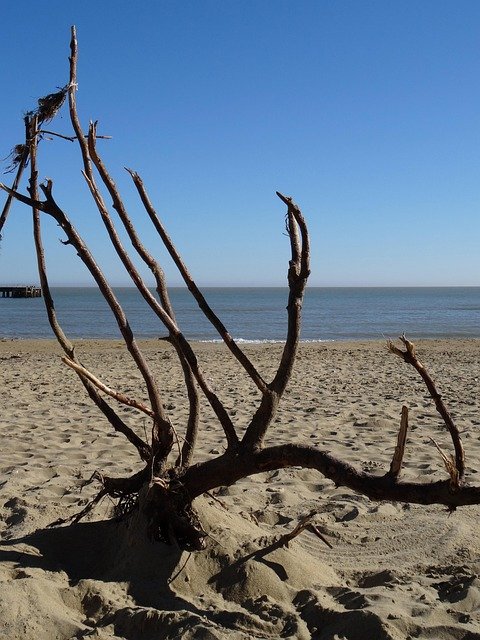 . This soak, lasting anywhere from 6 to 24 hours, kills bacteria and wood-boring pests. For aquarium use, however, bleach is often avoided in favor of boiling the wood, which leaches out tannins and ensures the wood is safe for delicate aquatic life.
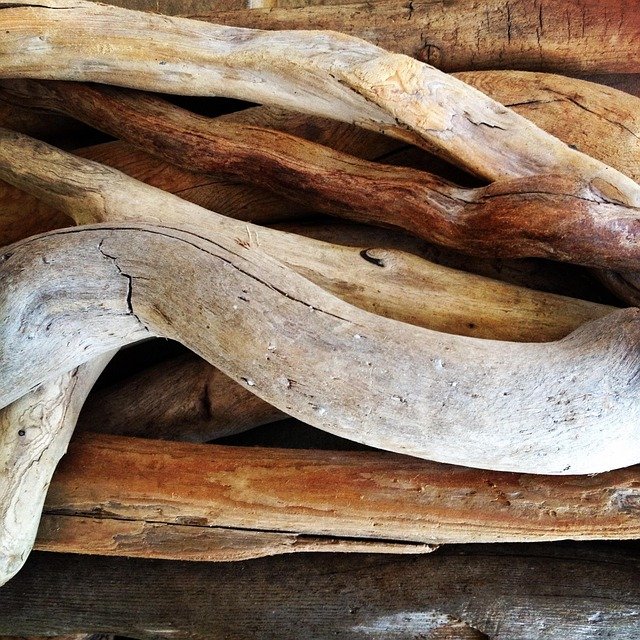 . Whether you are prepping for a grid-down scenario or just want a better night’s sleep in the backcountry, understanding thermal mass in firewood is the first step toward self-reliance.
 . You must be prepared for the “sweat equity” involved in the harvest and transport of these natural batteries.