A thousand years ago, this was the ‘smart technology’ that fed entire civilizations—and it still works today. Industrial fishing destroys ecosystems, but the driftwood fish weir is a masterclass in selective, passive harvesting. Driving driftwood stakes into the sand in specific geometric patterns creates a natural trap that works with the tide. It’s a renewable system that requires no bait, no plastic nets, and allows the ecosystem to remain perfectly balanced.
Traditional knowledge often holds the most efficient solutions for long-term survival and self-reliance. This method of coastal foraging relies on the rhythm of the moon and the shape of the shoreline rather than expensive gear or fossil fuels. Understanding the driftwood fish weir gives you a window into a world where humans participated in the cycle of the sea without depleting it.
Modern selective harvesting is more than just a survival skill; it is a philosophy of stewardship. Every stake driven into the mud serves as a guide for protein that arrives at your doorstep with the morning tide. This article explores how to reclaim this ancient maritime engineering for the modern age.
How To Build A Driftwood Fish Weir
A fish weir is a stationary structure built in the intertidal zone or across a river to intercept and redirect fish movement. Ancient cultures across North America, Europe, and Asia used these “fences in the water” to provide consistent food for entire villages. Unlike active fishing, where you go to the fish, a weir waits for the fish to come to you.
These structures consist of two main parts: the “leader” and the “heart.” The leader is a long, straight wall of stakes and brush that blocks the path of fish swimming along the coast or upstream. The heart is a curved holding pen at the end of the leader where fish become disoriented and trapped. Driftwood is the ideal material for this because it is free, naturally weathered, and blends into the marine environment.
Tidal weirs are most common in coastal areas with significant ebb and flow. They are usually semi-circular or V-shaped, with the opening facing the direction of the incoming tide. As the tide recedes, the water drops, and fish following the current are guided into the weir’s inner chamber. Once the water level falls below the top of the weir’s walls, the fish are contained in a shallow pool, ready for harvest.
The Mechanics of Tidal Redirection
Success with a weir depends entirely on understanding how water moves across the land. Fish generally swim with the tide to reach feeding grounds in the shallows and move back to deeper water as the tide goes out. The weir acts as a one-way valve in this hydraulic cycle.
Placement is everything when dealing with the physics of the ocean. The structure must be high enough to contain fish during the mid-ebb tide but low enough to be completely submerged at high tide. Submergence allows new fish to enter the area without seeing the trap as a threat. When the water begins to pull back, it funnels through the gaps in your driftwood fence, while the fish are forced to follow the solid lines of the leader toward the holding area.
Hydraulic pressure is another factor to consider during the build. Water is heavy and exerts massive force against any solid object. Building a “permeable” fence is the secret to a weir that doesn’t wash away in the first storm. Weaving branches or “wattle” between the stakes allows the water to pass through the structure while the fish remain blocked. This reduces the drag on your driftwood stakes and ensures the trap survives the repetitive pounding of the waves.
Site Selection: Scouting the Shoreline
Choosing the wrong spot will lead to an empty trap and a lot of wasted effort. The ideal location is a tidal flat or a shallow cove with a gentle slope. Look for areas where you see natural “fish highways”—places where the topography naturally funnels water as it leaves the shore.
Substrate determines how well your stakes will hold. Hard rock is impossible to build on with wood, while soft, deep silt might not provide enough friction to keep your poles upright. A mix of sand and clay is usually the “Goldilocks” zone. You want a bottom that is soft enough to drive a sharpened driftwood stake 12 to 18 inches deep, but firm enough to resist the lateral push of the outgoing tide.
Observing the local species is also mandatory. Different fish have different behaviors. Salmon might hug the coastline looking for a river mouth, while flounder move laterally across the flats. Set your leader line perpendicular to the path the fish take. If the fish travel north to south along the beach, your leader should run from the high-water mark out toward the deep water, effectively cutting off their route and “herding” them into the trap.
Tools and Materials: Gathering the Bones
Building a driftwood weir requires very few modern tools. A heavy rock or a wooden mallet can serve as a pile driver to sink your stakes. A sharp hatchet or knife is useful for sharpening the ends of the driftwood and trimming the brush. Beyond that, the materials are provided by the sea and the surrounding forest.
Driftwood stakes should be roughly the thickness of a human wrist and as straight as possible. Cedar, spruce, and oak are excellent choices because they resist rot better than softer woods like pine. Collect stakes that are long enough to stick at least two feet out of the mud once driven home. You will need dozens, or even hundreds, depending on the size of your weir.
Wattle material provides the actual “fence” between the stakes. 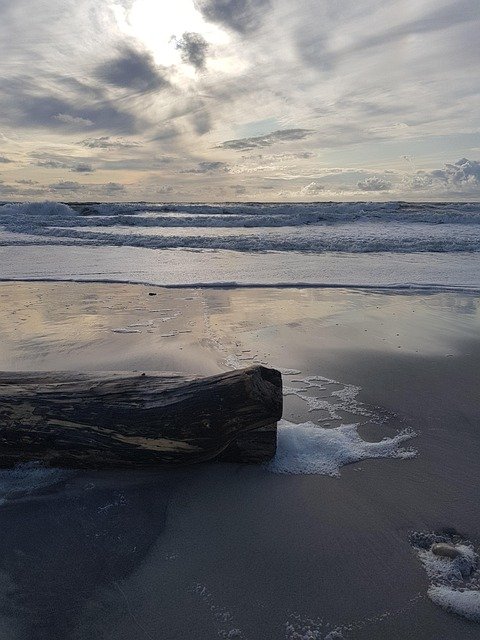 . Long, flexible saplings or branches work best. Willow is the traditional choice due to its extreme flexibility, but any green wood that doesn’t snap when bent will work. You can also use bundles of brush, pine boughs, or even long strands of kelp in a pinch. These materials create the “screen” that prevents fish from slipping between the larger driftwood posts.
Step-by-Step Construction: Driving the Stakes
Building starts at the lowest point of the tide. You have a limited window of time before the water returns, so efficiency is key. Begin by marking the outline of your heart and leader in the sand with a stick. Once you are happy with the geometry, it is time to start driving the “bones.”
Step 1: Setting the Anchor Stakes
Drive your largest, strongest stakes at the points where the leader meets the heart. These are the stress points of the structure. Use a heavy stone to hammer them into the substrate until they are rock solid. These anchor posts will keep the rest of the fence from shifting when the current gets strong.
Step 2: Constructing the Leader
Work from the shore outward. Place stakes every 12 to 18 inches along your leader line. Do not worry about making them perfectly level; focus on getting them deep enough to resist a firm tug. As you move toward deeper water, you may need longer stakes to account for the increasing depth.
Step 3: Forming the Heart
The heart should be a circular or teardrop-shaped enclosure at the end of the leader. Leave a gap about two feet wide where the leader enters the heart. This is the “mouth” of the trap. The interior of the heart should be the deepest part of the weir at low tide so the fish have enough oxygenated water to survive until you arrive.
Step 4: Weaving the Wattle
Once the stakes are in place, begin weaving your flexible branches horizontally between them. Start at the bottom and work your way up. This process is similar to making a basket or a wattle fence for a garden. The tighter the weave, the smaller the fish you can catch. Secure the ends of the branches by tucking them behind the stakes.
Step 5: Sealing the Base
Fish will often try to “scoot” under the fence if there is a gap between the wattle and the seafloor. Line the bottom of your weir with heavy stones, mud, or thick bundles of brush. This creates a solid seal that forces the fish to stay within the boundaries of the trap.
Benefits: Passive Protein and Selective Harvesting
Traditional weirs offer a level of sustainability that modern industrial methods cannot match. The most significant benefit is the ability to choose your harvest. In a gillnet or a trawl, fish often die from stress or suffocation before they are even hauled on deck. In a weir, the fish remain swimming in a shallow pool of water.
Selective harvesting allows you to release non-target species, juveniles, or spawning females completely unharmed. If you catch a species that is protected or one that you don’t intend to eat, you simply scoop it up and move it to the other side of the fence. This ensures the local population remains healthy and productive for years to come.
Passive systems also require a much lower caloric investment than active hunting. Once the weir is built, your only job is to check it at low tide. This frees up your time for other essential tasks like processing the catch, maintaining your shelter, or gathering other resources. It is the maritime equivalent of a self-tending garden.
Challenges and Common Mistakes
Nature is a harsh critic of poor engineering. The most common mistake is building the weir too “tight.” If you don’t leave enough space for water to flow through the wattle, the structure acts like a sail. During a high tide or a storm, the sheer weight of the water will snap your stakes or pull them right out of the mud. Always ensure your weave is permeable.
Incorrect timing is another pitfall. You must understand the tidal cycle of your specific area. If you build your weir in an area that only stays wet for an hour, you won’t catch much. Conversely, if you build it so deep that it never fully drains, you won’t be able to reach the fish without a net or a spear. Find the “sweet spot” where the water drops to about six inches deep at low tide.
Neglecting maintenance will lead to a rapid failure of the system. Driftwood rots, and storms bring in heavy debris that can smash your leader. Check your weir daily for broken stakes or gaps in the wattle. A single hole the size of a dinner plate is enough for your entire catch to escape. Small repairs made daily are much easier than rebuilding the entire structure after a collapse.
Limitations and Legal Constraints
Building a fish weir is not legal in many modern coastal jurisdictions. Many states and countries have strict regulations regarding permanent or semi-permanent structures in navigable waters. These laws exist to protect boat traffic and to prevent overfishing of sensitive species like salmon or striped bass.
In places like Maine or Massachusetts, you often need a specific permit from the municipal officers and the Department of Marine Resources. These permits frequently require a bond—sometimes as high as $5,000—to ensure you remove the stakes and brush once the fishing season is over. Leaving “ghost weirs” in the water creates navigation hazards and can disrupt local ecosystems.
Environmental limitations also play a role. Weirs do not work well in areas with very high wave energy, such as open ocean beaches with heavy surf. They are best suited for protected bays, estuaries, and tidal rivers. Furthermore, they are highly dependent on the presence of migratory or schooling fish. If the fish aren’t moving through your area, the most beautifully constructed weir in the world won’t put food on the table.
Comparison: Industrial Bycatch vs. Selective Weir
The difference between modern commercial fishing and traditional weir harvesting is staggering when measured by environmental impact. 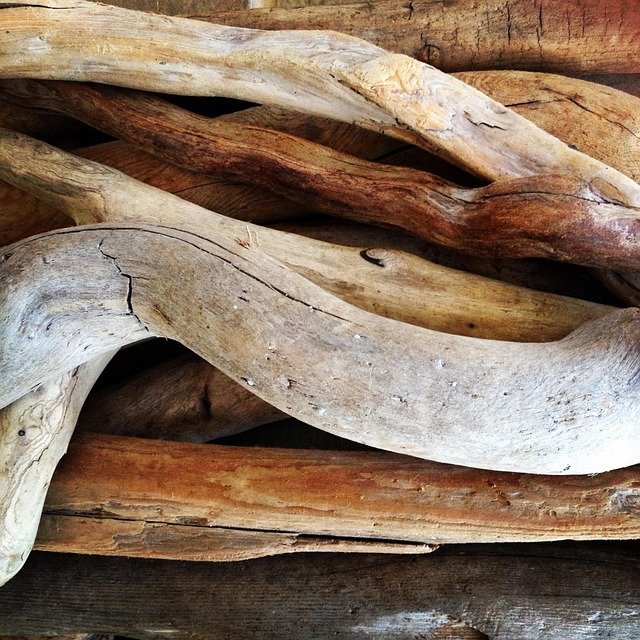 . Understanding these trade-offs helps clarify why ancient methods are still relevant in discussions about food security and conservation.
| Feature | Industrial Trawling / Nets | Selective Driftwood Weir |
|---|---|---|
| Energy Input | High (Fossil fuels for boats/winches) | Zero (Driven by tides) |
| Bycatch Mortality | Very High (Most non-target species die) | Near Zero (Fish remain alive in water) |
| Initial Cost | Expensive (Boats, nets, electronics) | Free (Scavenged materials) |
| Maintenance | Technical (Professional repairs) | Manual (Stakes and weaving) |
| Scale | Massive (Global export) | Local (Feeding a family or village) |
| Selectivity | Poor (Size-based only via mesh) | Excellent (Manual sorting of live fish) |
Industrial bycatch is a leading cause of decline for many marine species. In many large-scale operations, for every pound of target fish caught, several pounds of “trash fish,” turtles, or dolphins are discarded dead or dying. . The weir reverses this dynamic by keeping everything alive until the human harvester makes a conscious choice about what to take.
Practical Tips and Best Practices
Maximizing the efficiency of your driftwood weir requires a few “tricks of the trade” passed down through generations. One of the best ways to improve your catch is to add a funnel entrance to the heart. Instead of a simple gap, create two overlapping walls that point inward. This makes it easy for fish to swim in but very difficult for them to find the exit once they are inside.
Using “attraction features” can also help. Some practitioners place shiny objects, like white shells or polished stones, inside the heart to pique the curiosity of certain species. Others use bait, although a well-designed weir shouldn’t need it. Smearing a little crushed crab or fish guts on the stakes inside the heart can create a scent trail that draws fish in from further out.
Always work with the moon. The “spring tides”—which occur during the full and new moons—result in the highest highs and the lowest lows. These are the most productive times for weir fishing. Plan your construction and your heaviest harvests around these lunar phases. During “neap tides,” when the water movement is minimal, your weir may not drain sufficiently for a manual harvest.
Advanced Considerations: The Labyrinth Design
For those who want to take their maritime engineering to the next level, the labyrinth or “snail” weir is the gold standard. Instead of a single heart, this design uses a series of concentric, spiraling walls. Each chamber leads the fish deeper into a central “pot” from which escape is statistically impossible.
Labyrinth weirs are particularly effective for catching highly intelligent or fast-swimming species that might otherwise find their way out of a simple heart trap. The spiral shape uses the fish’s natural tendency to swim in circles when they encounter an obstacle. They follow the curve of the wall, moving from the outer “waiting” areas into the “killing” floor at the center.
Scaling these structures is another advanced consideration. In ancient Taiwan and Micronesia, villages would build stone weirs that stretched for miles. These massive systems functioned as communal larders, managed by the community to ensure no one went hungry. While a driftwood weir is more temporary, the same principles of communal construction and management can be applied to create a robust local food system.
Example: The Survivalist’s Tidal Trap
Imagine a situation where you are stranded on a remote coastline with no gear. After scouting the beach, you find a small, crescent-shaped cove. The tide moves out nearly 100 yards, leaving behind dozens of small pools. This is the perfect theater for a driftwood weir.
Over the course of three days, you gather fifty straight cedar branches from the high-water line. You spend the low-tide hours sharpening them and driving them into the mud in a V-shape, with the point of the V facing the ocean. You weave long strands of bull kelp and willow through the stakes to create a thick screen.
On the fourth morning, the tide recedes to reveal three large sea bass and a dozen smaller rockfish trapped in the six-inch pool at the apex of your V. You take only the largest bass, releasing the others to grow. By investing about twelve hours of labor, you have secured a consistent source of high-quality protein that requires only a daily walk on the beach to maintain.
Final Thoughts
The driftwood fish weir is a testament to the power of observation and natural alignment. It proves that we do not always need to dominate or destroy an ecosystem to benefit from its abundance. By working with the tides and using materials provided by the shore, you can create a food source that is as reliable as the phases of the moon.
Reclaiming these ancient skills provides more than just a backup plan for survival; it offers a deeper connection to the environment. Building a weir forces you to learn the language of the water, the habits of the fish, and the strength of the wood. It is a slow, methodical practice that rewards patience and precision.
Whether you are a modern pioneer looking for a more sustainable way to live or a curious student of history, the principles of the weir remain unchanged. The ocean is still moving, the fish are still swimming, and the driftwood is still washing up on the sand. The tools are already there—you just have to put them to work.
Sources
1 civilizationrebuild.com (https://civilizationrebuild.com/phase-0-first-72-hours/food/fish-weirs) | 2 weebly.com (https://aashley.weebly.com/uploads/4/3/8/2/4382474/fishing_weirs.pdf) | 3 wikipedia.org (https://en.wikipedia.org/wiki/Fishing_weir) | 4 arcgis.com (https://storymaps.arcgis.com/stories/da320809e78f43409ffb0313884b5a2a) | 5 wordpress.com (https://waternames.wordpress.com/2017/05/08/medieval-welsh-fish-weirs/) | 6 fishbio.com (https://fishbio.com/worldwide-weirs-an-ancient-fishing-technology-used-by-modern-scientists/) | 7 youtube.com (https://www.youtube.com/watch?v=JIYtnyWLNH4) | 8 offgridworld.com (https://offgridworld.com/how-to-make-a-survival-fish-trap/) | 9 youtube.com (https://www.youtube.com/watch?v=5QN3lNkVR90) | 10 sos.state.or.us (https://vertexaisearch.cloud.google.com/grounding-api-redirect/AUZIYQFlafM3VKTM9YAkKXXKeD05BqDyeEMOCroVY5keRaXN4Zb6ZCMEC2aRXJ3ta2n3emC3DK1zM5YKKUKEo8Ar8EvsmodmsxBGyhfzWK8WqedosDuKadenp5Y52-TkuW8jt46zA0FKLqLfhHP_4t-hjvp4Cnk2ulN5dJ1ZuKt5sBJHsVHi2MXs8ytU_2Y0b_OS_N8=) | 11 noaa.gov (https://apps.nmfs.noaa.gov/docs/NOAA-WCR_Weir_Guidelines_Sept_2015.pdf) | 12 conservationecologylab.com (https://www.conservationecologylab.com/uploads/1/9/7/6/19763887/cox2007.pdf) | 13 nih.gov (https://pmc.ncbi.nlm.nih.gov/articles/PMC8795534/) | 14 codepublishing.com (https://www.codepublishing.com/WA/FederalWay/html/FederalWay15/FederalWay1505.html) | 15 frontiersin.org (https://www.frontiersin.org/journals/marine-science/articles/10.3389/fmars.2022.847840/full) | 16 fortunefishco.net (http://www.fortunefishco.net/Assets/theecologicalefficienciesoffarmedfish-final-submi.pdf) | 17 oceansatlas.org (http://www.oceansatlas.org/subtopic/en/c/1294/) | 18 smithsonianmag.com (https://www.smithsonianmag.com/travel/discover-taiwans-ancient-fishing-methods-tourist-destinations-180964694/)
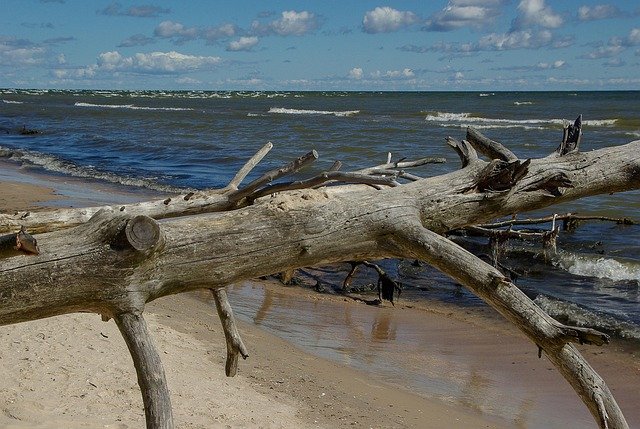 . Unlike mass-produced plastic tags, these markers utilize the natural weathering process to provide a durable, aesthetic, and environmentally friendly alternative for garden organization. They serve as functional signs that identify vegetable varieties, herb types, and perennial placements.
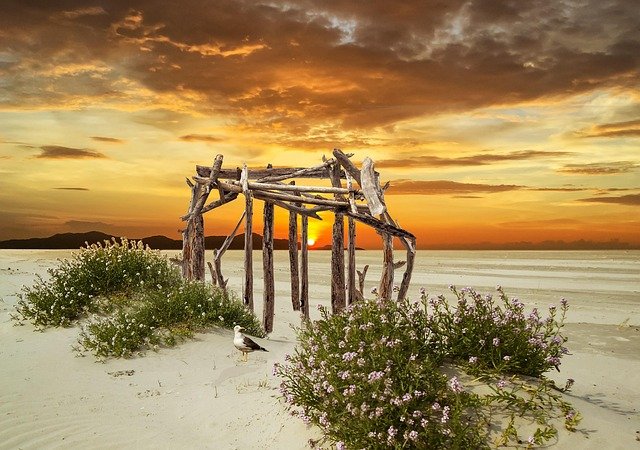 . The wood must be cleaned, cured, and prepped to ensure the best results.
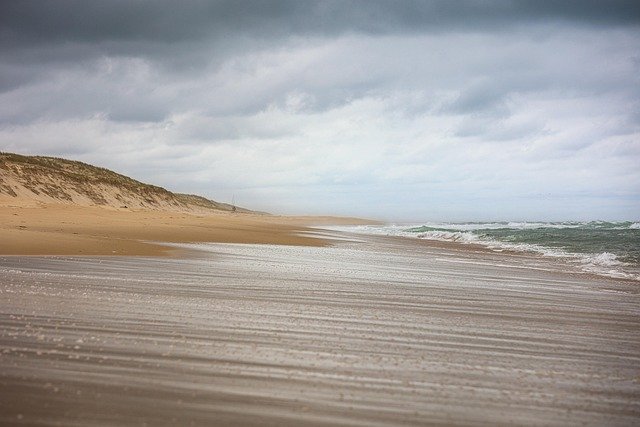 . Driftwood is more than just free lumber; it is a vital part of the coastal ecosystem that provides habitat for insects and birds.
 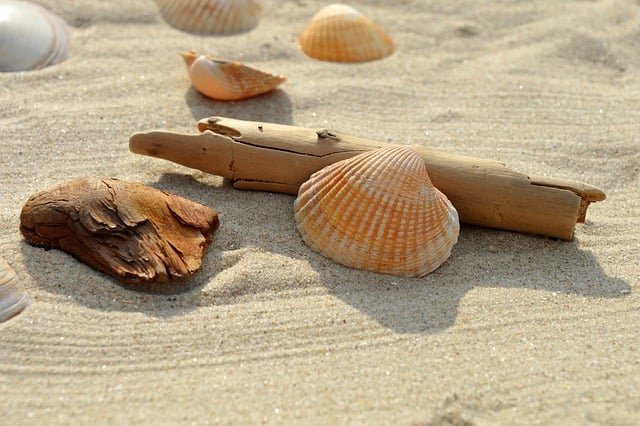 . These plants thrive in salt spray and will eventually interweave their branches with the driftwood, creating a barrier that is virtually indestructible.
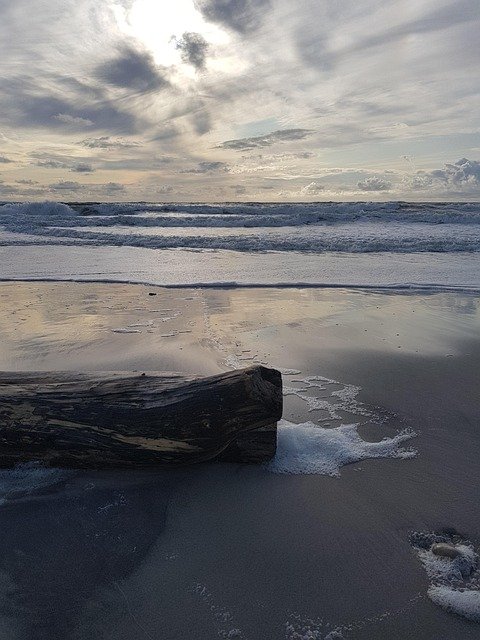 .
. 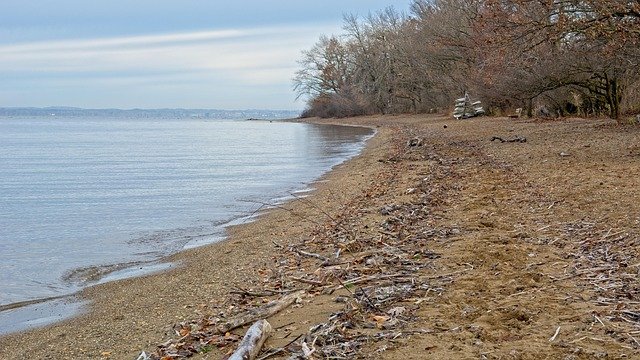 . Instead of using sandpaper to cut the fibers, you use a hard, smooth object like a polished stone, a deer antler, or a piece of bone to rub the wood. This creates a natural, deep luster that looks like it’s coming from inside the wood rather than sitting on top of it. Heat generated by the friction helps melt the natural lignins in the wood, effectively “glazing” the surface with its own resins.