Your ancestors used the ocean’s waste to preserve their harvest, while modern industry uses a chemistry set. Centuries ago, coastal communities didn’t buy ‘hickory chips’ in a plastic bag. They used the salt-saturated, sun-cured timber delivered by the tide. This ‘Then vs. Now’ look at food preservation reveals why the old ways still taste better.
When the tide recedes, it leaves behind a skeletal landscape of silver-grey wood. These pieces of driftwood, bleached by the sun and pickled by the Pacific, were once the primary fuel for the smokehouses of the North. For the pioneer and the coastal dweller, these weren’t just scraps of debris; they were the essential tools of survival.
Today, the art of the coastal cure has been largely replaced by a bottle of brown liquid found in the spice aisle. While one method relies on the raw unpredictability of the elements, the other is a product of controlled industrial distillation. Understanding the difference between driftwood smoke and liquid smoke isn’t just about flavor—it is about the intersection of tradition, chemistry, and safety.
This guide explores the grit of the old ways and the efficiency of the new. Whether you are a backyard pitmaster looking for a unique flavor profile or a curious cook wondering what exactly is in that “hickory” bottle, we will break down the science of the smoke.
Driftwood Smoked Food Vs Liquid Smoke
Driftwood smoked food refers to the traditional practice of using salt-impregnated wood collected from beaches to cure and flavor meats and fish. This method is deeply rooted in the history of coastal indigenous peoples, such as the Yup’ik and Tlingit tribes of Alaska, who utilized specific driftwood species like cottonwood and spruce to preserve their salmon harvests. The wood is naturally seasoned by the sun and sea, creating a smoke profile that is uniquely salty and earthy.
Liquid smoke, by contrast, is a modern industrial product designed to replicate the flavor of wood smoke without the actual fire. It is produced through a process called destructive distillation. Wood chips—usually hickory, mesquite, or applewood—are burned in a confined space. The resulting smoke is passed through a condenser where it cools and turns into a liquid. This liquid is then filtered to remove large particles and tars before being bottled for consumer use.
The core difference lies in the delivery system. Driftwood smoking is an immersive environmental process where the food is exposed to the heat, humidity, and volatile compounds of a smoldering fire. Liquid smoke is an additive, applied either as a marinade or mixed directly into processed meats. While driftwood smoking is a craft of patience and “pioneer grit,” liquid smoke is a triumph of efficiency and consistency.
In the real world, you see driftwood smoking in artisanal smokehouses along the coasts of British Columbia or Alaska. Liquid smoke is found in everything from commercial bacon and hot dogs to vegan “liquid smoke” jerky and BBQ sauces. One is a connection to the land and sea; the other is a tool of the modern pantry.
The Historical Context of Coastal Timber
For centuries, driftwood was the lifeblood of treeless coastal regions. In the Aleutian Islands and along the Arctic coasts, logs would travel thousands of miles down river basins from interior forests to reach the sea. Coastal communities would sort these logs by species and density. The “choice” timber was reserved for building kayaks and homes, while the smaller, salt-dried branches were used for the fire. This wasn’t just convenience; the salt content in the wood played a functional role in the curing process, helping to inhibit bacterial growth in a damp, maritime environment.
The Rise of the Smoke Distillate
The transition to liquid smoke began in the late 19th century. In 1895, a pharmacist named E.H. Wright noticed a black liquid dripping from a stovepipe and realized it was the essence of smoke. He pioneered the commercialization of pyroligneous acid, marketing it as “Wright’s Liquid Smoke.” It promised a way for farmers to preserve meat without the labor-intensive work of maintaining a smokehouse. This marked the shift from a visceral, outdoor ritual to a shelf-stable kitchen hack.
How the Coastal Cure Works
Smoking food with driftwood is a complex chemical dance. When wood burns at low temperatures (smoldering), it undergoes pyrolysis. This is the thermal decomposition of organic material in the absence of complete combustion. As the cellulose, hemicellulose, and lignin in the wood break down, they release hundreds of volatile compounds that settle on the surface of the food.
The unique factor in driftwood is the salt. Wood that has spent months or years in the ocean becomes saturated with sodium chloride. When this wood is burned, the salt affects the combustion process. It often leads to a “cooler” smolder, which is ideal for cold-smoking fish like salmon. The salt also contributes to the “bark” or pellicle—the thin, tacky layer on the surface of the meat that traps smoke particles and gives the final product its characteristic sheen.
To smoke with driftwood, the practitioner must first “read” the wood. Only sun-bleached, bone-dry timber is used. Wet driftwood produces “white smoke,” which is heavy in creosote and will make the food bitter. The wood is placed in a fire pit or a separate smoke box, and the smoke is channeled over the food. This process can take anywhere from six hours for a light flavor to several days for a hard, shelf-stable cure.
The chemistry of liquid smoke is a bit more clinical. During the condensation process, the smoke is dissolved in water. Because many of the most toxic compounds in smoke, such as polycyclic aromatic hydrocarbons (PAHs), are not water-soluble, they settle out of the liquid. This leaves behind the phenols and carbonyls—the compounds responsible for flavor and color. The liquid is then aged and filtered, resulting in a concentrated essence that can be diluted and used in recipes.
The Benefits of Traditional Coastal Smoking
The primary advantage of using driftwood is the depth of flavor. Traditional smoking creates a complex layering of tastes that a liquid additive cannot replicate. You aren’t just getting “smoke”; you are getting the nuances of the wood species, the minerals from the sea, and the subtle sweetness of the char. The smoke ring—that pink layer of nitrites just below the surface of the meat—is a badge of honor that liquid smoke rarely achieves with the same visual and textural appeal.
Another benefit is the preservative power. Natural smoke contains formaldehyde and acetic acid, which act as antimicrobials. When combined with the salt naturally present in driftwood, this method creates an environment that is highly resistant to spoilage. For the modern homesteader, this is a way to preserve food using only what the land (and tide) provides, cutting the cord to the industrial food chain.
There is also the textural transformation. Real smoking is a drying process. As the heat and smoke circulate, moisture is slowly drawn out of the meat, concentrating the flavors and creating a firm, satisfying “bite.” This is especially crucial for products like smoked salmon or beef jerky, where the texture is just as important as the taste.
- Unparalleled Flavor Complexity: Notes of sea salt, earth, and specific timber species.
- Natural Preservation: Combines salt-curing and smoking in one step.
- Visual Appeal: Produces a natural pellicle and deep color.
- Sustainable Resource: Uses naturally occurring waste material.
The Challenges and Risks of Driftwood
While the old ways carry a romantic grit, they are not without significant danger. The most critical challenge is the formation of dioxins. When wood containing high levels of salt (sodium chloride) is burned, the chlorine ions react with the organic material to create polychlorinated dibenzo-p-dioxins—commonly known as dioxins. These are highly toxic compounds that are known carcinogens and can bioaccumulate in the body over time.
Coastal dwellers of the past were often aware of this risk instinctively, choosing wood that had been “leached” by rain or selecting only certain species. However, modern science warns that burning salt-saturated driftwood in an enclosed stove or smoker can release dangerous levels of these chemicals. Furthermore, the salt in the wood is highly corrosive. Burning driftwood can quickly ruin the metal liners of a wood stove or a high-end smoker, leading to premature equipment failure.
Another challenge is environmental contamination. Driftwood is often a sponge for what is in the water. This can include harbor pollutants, fuel runoff, or heavy metals. Unlike a clean-cut piece of hickory from a managed forest, a piece of driftwood is an unknown variable. You might be smoking your dinner over a piece of wood that spent three weeks floating next to a leaky diesel barge.
Finally, there is the unpredictability of the burn. Driftwood varies wildly in density and moisture content. One piece might smolder perfectly, while the next might flare up or go out entirely. This makes temperature control—the most vital part of smoking—incredibly difficult for the beginner.
Limitations of Both Methods
Driftwood smoking is limited by geography and safety. 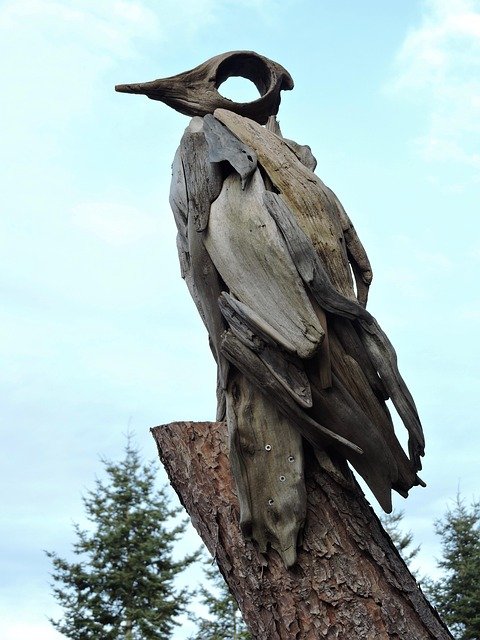 . If you don’t live near a coast, sourcing true driftwood is impossible. Even if you do, the health risks associated with dioxins mean that this method should be used sparingly and with extreme caution. It is not suitable for daily use or for indoor cooking. The high salt content also makes it a poor choice for delicate meats that might become overly salty during the long smoking process.
Liquid smoke has its own set of limitations, primarily flavor “flatness.” Because it is a filtered distillate, it lacks the secondary and tertiary flavor notes that come from a real fire. It can also be incredibly easy to overdo; a single extra drop can turn a beautiful brisket into something that tastes like a campfire at a chemical plant. Furthermore, recent studies in Europe have raised concerns about the genotoxicity of certain smoke flavorings, leading to bans on some formulations in the EU. This reminds us that even “clean” industrial products have their own chemical baggage.
Both methods also fail to provide the social ritual of the smokehouse. There is a “pioneer-grit” satisfaction in tending a fire for twelve hours that a bottle of liquid simply cannot provide. For those who value the process as much as the result, the limitations of liquid smoke are as much emotional as they are culinary.
Comparison: Coastal Timber vs. Industrial Liquid
To help you decide which approach fits your kitchen or smokehouse, here is a breakdown of the measurable differences between traditional driftwood smoking and modern liquid smoke.
| Factor | Driftwood Smoking | Liquid Smoke |
|---|---|---|
| Cost | Free (Labor-intensive) | Low ($5 – $10 per bottle) |
| Safety | Risk of Dioxins/Pollutants | Generally Safe (Low PAHs) |
| Flavor | Complex, Earthy, Salty | One-dimensional, Predictable |
| Equipment | Smoker, Fire Pit, Wood | None (Standard kitchen) |
| Skill Level | Advanced / Practitioner | Beginner / Novice |
| Efficiency | Slow (Hours to Days) | Instant |
Practical Tips for the Modern Practitioner
If you are determined to experiment with coastal flavors, do so with a focus on safety and tradition. The goal is to capture the essence of the tide without the toxic side effects.  . Here are the best practices for handling coastal timber and its industrial alternatives.
- Leach Your Driftwood: If you use driftwood, let it sit out in the rain for several months or soak it in fresh water multiple times to draw out the excess salt. This reduces the risk of dioxin formation when burned.
- Choose the Right Species: Avoid “anonymous” driftwood. Look for identifiable species like cottonwood, alder, or maple that have washed up. Avoid softwoods like pine or cedar for food smoking, as their resins can be toxic and foul-tasting.
- Dilute Your Liquid Smoke: Never pour liquid smoke directly onto meat. Mix it into a marinade, brine, or BBQ sauce. A ratio of 1/4 teaspoon per cup of liquid is a safe starting point.
- Combine Methods: Use a real hardwood fire (like hickory) for the bulk of your smoking, and use a small, well-leached piece of driftwood at the very end to add that “coastal” finish.
- Check Your Labels: When buying liquid smoke, look for brands that list only “water” and “natural smoke flavor.” Avoid brands with added caramel color, molasses, or artificial preservatives.
Advanced Considerations: The Chemistry of the Pellicle
Serious practitioners know that the secret to a great smoke isn’t just the wood—it’s the surface of the meat. In traditional coastal smoking, the high humidity of the environment and the mineral content of the driftwood work together to create a superior pellicle. This is a thin, tacky skin that forms on fish or meat as it air-dries before smoking. Without a proper pellicle, smoke particles won’t adhere correctly, and the flavor will remain on the surface rather than penetrating the fibers.
If you are using liquid smoke, you are essentially skipping the pellicle phase. To counteract this, advanced cooks will “air-dry” their meat in the refrigerator for 24 hours after applying a liquid smoke marinade. This allows the proteins to cross-link and creates a similar textural profile to traditionally smoked food. . It’s a way to use modern chemistry to mimic ancient physics.
For those looking to scale their operations, understand that driftwood smoking is notoriously difficult to standardize. No two pieces of wood are the same. If you are producing for a crowd or a small business, hardwoods like alder or fruitwoods provide the most consistent results while still offering a “pioneer” flavor profile that honors the coastal tradition.
Example Scenario: The Coastal Salmon Cure
Imagine you have a fresh side of sockeye salmon. To do a traditional Coastal Cure, you would first dry-salt the fish for two hours to draw out moisture. After rinsing, you would hang the fish in a cool, breezy spot until a tacky pellicle forms. For the smoke, you select three pieces of sun-bleached cottonwood driftwood that have been leached in fresh water for a season. You smolder these pieces at a temperature no higher than 90°F (32°C). After 12 hours, the salmon has a deep mahogany color and a flavor that tastes like the very ocean it came from.
Now, consider the Industrial Quick-Cure. You take the same salmon and submerge it in a brine of water, salt, sugar, and two teaspoons of hickory liquid smoke. You leave it for four hours, then bake it in a 325°F oven until cooked through. The result is a piece of fish that smells like smoke and tastes like salt, but it lacks the firm texture and the haunting, complex aftertaste of the driftwood fire. One is a meal; the other is an experience.
Final Thoughts
The choice between driftwood smoking and liquid smoke is a choice between the visceral and the convenient. Your ancestors didn’t use driftwood because it was easy; they used it because it was what the world offered, and they had the grit to master its dangers. They learned how to read the tide and the grain of the wood to create a preservation system that sustained generations.
In the modern world, liquid smoke offers a safe, accessible way to enjoy the flavors of the past without the risk of dioxins or the labor of the pit. It is a valuable tool for the urban cook and the busy homesteader alike. However, it can never fully replace the deep, mineral-rich complexity of a real fire fueled by the ocean’s timber.
Whether you choose to tend a slow-smoldering fire on a rocky beach or reach for the bottle in your pantry, remember that the goal is the same: to honor the harvest and preserve the flavor of the wild. Experiment with both, respect the chemistry involved, and never lose sight of the “pioneer-grit” that makes the old ways worth remembering.
Sources
1 wikipedia.org (https://en.wikipedia.org/wiki/Liquid_smoke) | 2 howstuffworks.com (https://recipes.howstuffworks.com/food-facts/liquid-smoke.htm) | 3 pro-smoker.com (https://pro-smoker.com/blogs/news/a-natural-shift) | 4 pennutrition.com (https://www.pennutrition.com/TrendingTopic.aspx?id=30864) | 5 ameliaislander.com (https://www.ameliaislander.com/the-story-of-driftwood/) | 6 thestoveyard.com (https://www.thestoveyard.com/blogs/stove-yard-blog/driftwood-the-deadliest-firewood-in-the-world) | 7 motherearthnews.com (https://www.motherearthnews.com/homesteading-and-livestock/driftwood-and-wood-stove/) | 8 gov.bc.ca (https://www2.gov.bc.ca/gov/content/environment/air-land-water/air/air-pollution/smoke-burning/wood-burning-appliances/burning-wood) | 9 yakutattlingittribe.org (https://yakutattlingittribe.org/environmental-air-quality-and-health/) | 10 uaf.edu (https://seagrant.uaf.edu/book-assets/download//index.php?loc=fla%2FAK-SG-08-02%2FAK-SG-08-02l.pdf&pub=AK-SG-08-02l&title=Wood+smoke+components+and+functional+properties&bypass=TRUE) | 11 selectsalt.com (https://selectsalt.com/social/preserving-food-with-salt-a-time-honoured-tradition/) | 12 wikipedia.org (https://en.wikipedia.org/wiki/Salting_(food)) | 13 smithsonianmag.com (https://www.smithsonianmag.com/science-nature/driftwood-reshapes-ecosystems-180968104/) | 14 economistwritingeveryday.com (https://economistwritingeveryday.com/2021/08/10/liquid-smoke-flavorings-give-less-carcinogens-than-smoked-meat-and-fish/) | 15 reddit.com (https://www.reddit.com/r/Bushcraft/comments/10c1665/is_this_wood_safe_to_burn/)