Why pay a corporation to solve your space problems when the tide provides the blueprint for free? The ocean has already designed your next piece of vertical furniture—you just have to go claim it. Stop buying disposable solutions and start producing your own legacy decor from the surf.
Forging a connection with the shoreline requires more than just a casual walk on the beach. It demands an eye for the skeletal remains of ancient forests that have been seasoned by salt and sun. These silver-grey remnants carry a weight of history that no factory-pressed board can ever replicate.
Reclaiming these pieces is an act of grit and patience. You are not just picking up sticks; you are salvaging the persistence of nature. This guide will walk you through the transformation of raw, brine-soaked timber into high-end gallery pieces for your home.
Diy Driftwood Wall Art
Driftwood wall art is the intentional arrangement and mounting of water-weathered timber for aesthetic or functional display. It represents a marriage between the chaotic forces of the ocean and the structured environment of a modern home. Each piece serves as a physical record of a journey through rivers, estuaries, and open seas.
This medium exists because people crave the organic irregularities that are missing from modern architecture. In a world of right angles and smooth plastics, a twisted branch of sun-bleached cedar provides a necessary visual anchor. It brings the outside in, offering a sense of calm that only natural erosion can produce.
Real-world applications range from simple horizontal hangers for textiles to massive, multi-piece sculptural installations. Designers often use these structures to ground a room, providing a focal point that feels both ancient and contemporary. It is a sustainable way to decorate that respects the lifecycle of the environment.
The aesthetic often leans into “Wabi-sabi,” the Japanese philosophy of finding beauty in imperfection and transience. Every crack in the wood and every smoothed-over knot tells a story of survival. Choosing to display these traits is an admission that the most beautiful things are those that have endured the most struggle.
How It Works: From Shoreline to Stud
Transforming a raw find into a finished masterpiece involves a series of non-negotiable steps. The process begins with sourcing, where you must distinguish between high-density hardwoods and rotting softwoods. Look for pieces that feel surprisingly light for their size but remain structurally sound when pressed with a fingernail.
Legal considerations are the first hurdle in the collection process. Many state parks in California, for instance, limit personal collection to 50 pounds or one single piece per day. Hawaii generally considers driftwood to be the property of the finder, while Alaska allows for non-commercial personal use. 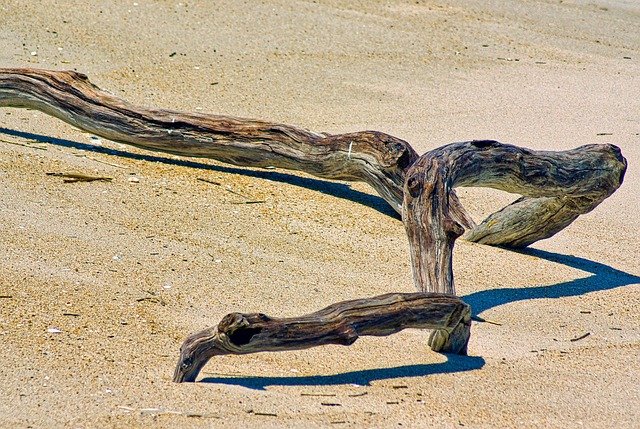 . Always verify local ordinances to ensure your harvest is ethical and legal.
Cleaning is the most critical phase for the longevity of your art. Submerge the wood in a solution of one part bleach to nine parts water for at least 24 to 48 hours. This soak kills wood-boring beetles, termites, and fungal spores that could otherwise infest your home. For those avoiding harsh chemicals, a strong vinegar solution can serve as a milder disinfectant, though it may not be as effective against deep-seated larvae.
Drying requires the most patience, as rushing this stage leads to warping and structural failure. Place the wood in a shaded, well-ventilated area for one to two weeks depending on the thickness. Avoid direct, intense sunlight immediately after soaking, as rapid moisture loss can cause the wood to split excessively. Once the wood sounds hollow when tapped, it is ready for the workshop.
Preparation involves removing loose bark and sanding away any jagged splinters. Use a stiff-bristled brush to knock off sand and salt crust from the deep crevices. If you desire a smooth finish, start with a 180-grit sandpaper and work your way up to 320-grit. This process reveals the shimmering “silver” patina that characterizes authentic beach-weathered timber.
Benefits of Hand-Foraged Decor
Environmental sustainability stands as the primary advantage of this practice. You are diverting natural “waste” into a functional product without the need for industrial logging or chemical-heavy manufacturing. Every piece of driftwood used is one less piece of plastic decor purchased from a global supply chain.
Cost efficiency is another major draw for the savvy homeowner. While high-end coastal galleries might charge thousands of dollars for a curated branch, your only costs are time and basic hardware. A weekend trip to the coast can net you materials that would cost hundreds of dollars at a specialty boutique.
The emotional connection to the work provides a level of satisfaction that retail therapy cannot match. Knowing exactly which cove or riverbank provided your centerpiece adds a narrative layer to your home. You aren’t just looking at a decoration; you are looking at a memory of an expedition.
Structural uniqueness ensures that no one else in the world will have an identical piece. Nature does not work in templates or molds, meaning every curve and knot is a unique geographical signature. This exclusivity makes your interior design feel curated rather than merely assembled.
Challenges and Common Pitfalls
Pest infestation remains the silent killer of many DIY projects. Skipping the disinfection stage can introduce powderpost beetles into your drywall and structural beams. These insects can remain dormant inside the wood for months before emerging and causing significant damage. Always assume every piece of wood found in nature is inhabited until it has been properly treated.
Salt leaching is another issue that many beginners overlook. Residual sea salt trapped in the wood fibers can absorb moisture from the air, leading to “weeping” wood. This moisture can damage the paint on your walls or cause the mounting hardware to rust prematurely. A deep, freshwater soak followed by thorough drying is the only way to prevent this chemical reaction.
Structural integrity can be deceptive when dealing with wood that has been submerged for years. Some pieces look solid but are actually “punky” or rotted through the core. If the wood feels spongy or crumbles under moderate pressure, it is unsuitable for hanging. Trying to drive a screw into a rotted core will only result in the piece falling and potentially causing injury.
Weight distribution is a mechanical challenge that often leads to ruined walls. Large branches or logs carry significant weight that can pull standard drywall anchors right through the plaster. Failing to find a stud or using the wrong gauge of hanging wire can result in a crash in the middle of the night. 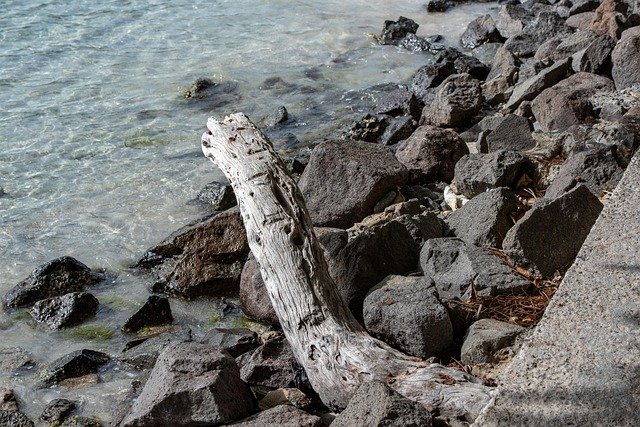 . Proper engineering is required for anything larger than a small branch.
Limitations and Environmental Constraints
Not every environment is conducive to finding high-quality driftwood. Regions with soft, muddy riverbeds often produce wood that is stained dark and prone to rot. The best specimens come from high-energy coastlines where the wood is tumbled against sand and rocks, effectively “polishing” the surface. If you live in a landlocked area, your options may be limited to river wood, which has a different aesthetic than salt-cured timber.
Fragility is a constant factor with wood that has been weathered by the elements. While the exterior may be hard, the interior fibers are often brittle. This makes it difficult to perform complex joinery or intricate carving without the wood shattering. You must work with the natural shape of the piece rather than trying to force it into a traditional woodworking mold.
Climate control inside the home can also affect the lifespan of your art. Extremely dry indoor air can cause old wood to shrink and crack further. Conversely, high humidity can revive dormant mold spores if the wood wasn’t perfectly sealed. Understanding the equilibrium moisture content of your living space is essential for long-term preservation.
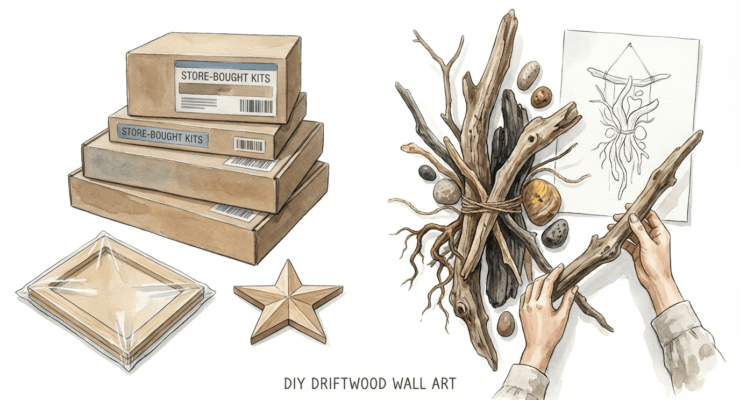
STORE-BOUGHT BOXES vs HAND-FORAGED STRUCTURES
Understanding the difference between mass-produced decor and hand-foraged art is essential for setting expectations. Retail options often rely on “faux-driftwood” made from resin or chemically treated pine to achieve a consistent look. While these are convenient, they lack the soul and variation of the real thing.
| Feature | Store-Bought Solution | Hand-Foraged Structure |
|---|---|---|
| Initial Cost | Moderate to High ($50 – $500+) | Very Low ($0 – $20 for hardware) |
| Material Integrity | Synthetic resin or young pine | Hardened, aged natural timber |
| Visual Depth | Uniform, repetitive patterns | Infinite, non-repeating organic detail |
| Installation | Standard pre-attached hooks | Custom engineering required |
| Story/Legacy | None; mass-market commodity | Personal history and artisan labor |
Practical Tips and Best Practices
Invest in a high-quality forstner bit for drilling holes into your driftwood. These bits create clean, flat-bottomed holes that are perfect for countersinking screws or inserting dowels. Standard twist bits often tear the fragile surface fibers, leaving a messy and unprofessional finish.
Use stainless steel or brass screws to prevent corrosion over time. Even after cleaning, residual salts can react with standard zinc or steel screws, leading to “bleeding” where dark streaks mar the wood. High-quality fasteners ensure the piece remains securely on the wall for decades.
Consider the “Monkey Hook” or “Hercules Hook” for medium-sized pieces that don’t align with a wall stud. These heavy-duty wire hooks can hold up to 50 pounds in standard drywall with minimal damage. They are incredibly easy to install and provide a low-profile mounting solution that keeps the focus on the wood.
Applying a thin coat of matte wood sealer can preserve the color without adding an artificial shine. Beeswax or a clear furniture oil like tung oil will deepen the tones slightly while protecting the wood from dust and fingerprints. . Always test your finish on a small, inconspicuous area first to see how the wood reacts.
Advanced Considerations for Serious Practitioners
Lighting integration can elevate a simple branch into a high-end art installation. Hidden LED strips tucked behind the wood can create a “halo” effect, casting long shadows that emphasize the texture. This requires careful routing of wires and a basic understanding of low-voltage electrical systems.
Large-scale structural installations may require a French cleat system. This involves cutting a bevel into a secondary piece of wood that is mounted to the wall, which then interlocks with a corresponding bevel on the driftwood. This method distributes weight evenly across multiple studs and allows for easy removal for cleaning or painting.
Incorporating other materials like copper, resin, or industrial steel can create a “Coastal Industrial” look. Using copper wire to “stitch” together multiple pieces of wood adds a metallic contrast to the organic forms. For pieces with large hollows or rot-pockets, pouring clear or tinted epoxy resin can stabilize the structure while adding a modern aesthetic.
Scaling your work for commercial spaces involves rigorous fire-safety standards. Driftwood is naturally very dry and can be highly flammable. Treating your finished art with a fire-retardant spray is often a requirement for installations in offices, restaurants, or public lobbies.
Example Scenarios for Application
Imagine a four-foot horizontal branch of sun-bleached oak found on a Pacific Northwest shore. After cleaning and curing, you decide to mount it above a fireplace mantel using two heavy-duty eye screws and a length of rustic manila rope. The result is a functional textile hanger that can hold vintage tapestries or seasonal greenery.
Consider a collection of twenty small, uniform pieces of “pencil” driftwood. By arranging them in a sunburst pattern around a circular plywood base, you create a 3D mosaic that mimics the movement of sea anemones. Using a professional-grade wood glue and a hidden D-ring hanger, this piece becomes a sophisticated entryway statement.
Think about a massive root ball that has been smoothed into a bulbous, alien shape by years in the Atlantic. This piece requires a custom-built steel bracket to support its 40-pound weight. Mounted in a minimalist living room, it serves as a “living” sculpture that changes appearance as the sun moves across the room.
Final Thoughts
Mastering the art of driftwood wall decor is about more than just interior design. It is a commitment to seeing the potential in what the world has discarded. By following a disciplined process of collection, cleaning, and mounting, you create something that stands outside the cycle of disposable consumption.
The journey from the beach to your living room wall is an honest bit of labor. It connects you to the rhythms of the water and the history of the land. Every piece you hang is a testament to the fact that time and pressure can create something far more beautiful than any machine ever could.
Begin your search at the next low tide. Carry a sturdy bag, a keen eye, and a respect for the law. Your walls are waiting for the stories that only the sea can tell.
Sources
1 hometalk.com (https://www.hometalk.com/diy/decorate/rooms/q-how-to-hang-a-large-heavy-driftwood-piece-42096700) | 2 danslelakehouse.com (https://danslelakehouse.com/2020/12/diy-driftwood-wall-hanging.html)
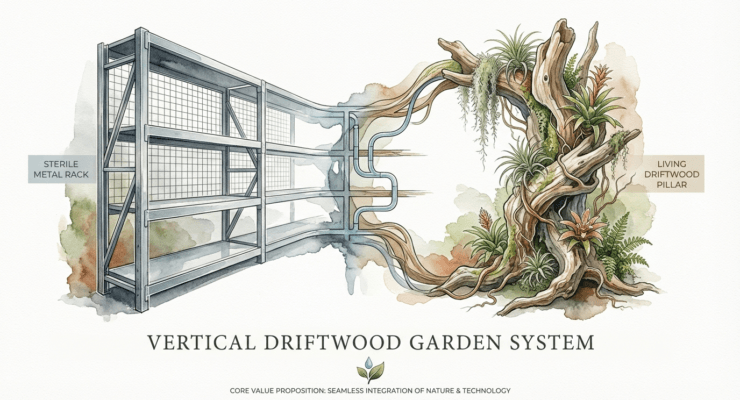
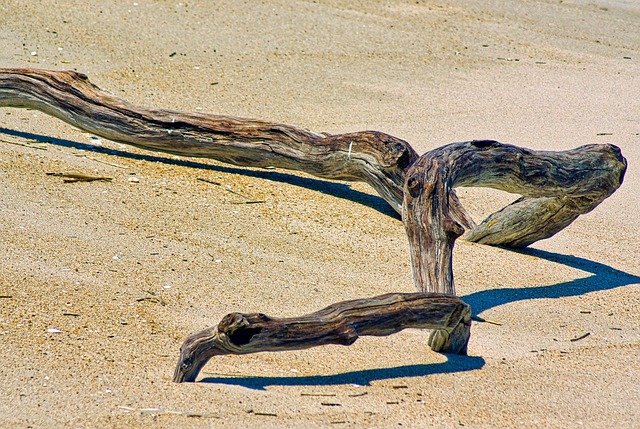 . Without adequate light, the plants will lose their color and fail to anchor themselves to the wood.
 . It also acts as a visual indicator; when the moss turns crispy, it is time to water.
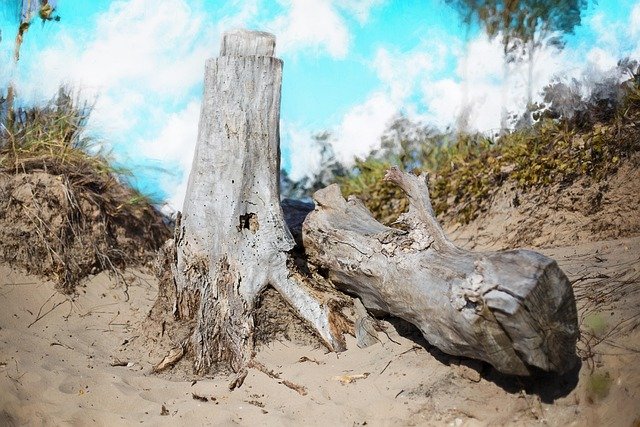 . This is theory translated into a living, breathing reality.