Nature’s ‘waste’ is the strongest support system your garden will ever have. Pressure-treated lumber contains chemicals you don’t want near your food. Driftwood is cured by the sun and salt, making it the perfect, rot-resistant, and free alternative for building garden structures that actually look like they belong in nature.
When you look at a piece of wood that has survived decades of ocean currents and relentless sun, you aren’t just looking at debris. You are looking at a material that has already passed the ultimate test of durability. For the modern homesteader or permaculture enthusiast, this “shoreline trash” is actually a high-performance building material that requires no factory processing and costs nothing but a bit of sweat and a trip to the coast.
Using these sun-bleached skeletons to support your heirloom tomatoes or frame your herb beds isn’t just a stylistic choice. It is a move toward a truly regenerative trellis system. Instead of bringing copper-treated or arsenic-laced lumber into your soil, you are introducing a piece of the earth’s own history, weathered into a state of chemical-free resilience.
Using Driftwood In Permaculture
Permaculture is the art of designing human habitats that mimic the efficiency and resilience of natural ecosystems. In this framework, driftwood is a prized resource because it embodies the principle of “using and valuing surprises and outputs.” What the ocean discards, the gardener claims as a structural foundation.
True driftwood has been stripped of its softest tissues, including the bark and cambium layer, through the abrasive action of sand and water. This leaves behind the lignified heartwood—the densest and most rot-resistant part of the tree. When you place this wood in a garden, it functions as more than just a stake; it acts as a slow-release carbon source and a habitat for beneficial predatory insects.
In a real-world setting, driftwood bridges the gap between hardscaping and biology. It doesn’t stand apart from the garden like a plastic-wrapped 2×4 from a big-box store. Instead, it interacts with the soil, providing a textured surface for mycorrhizal fungi to colonize while offering the structural integrity needed for heavy perennial climbers like grapes or hardy kiwi.
Whether you are using it for erosion control on a sloped site or as a focal point in a “wabi-sabi” inspired vegetable patch, driftwood brings a sense of time and place to the land. It turns a functional garden into a living landscape that reflects the local geography and the raw power of the elements.
How To Prepare and Use Driftwood for the Garden
The transition from a saltwater environment to a freshwater soil system requires a bit of preparation to ensure your plants thrive. While the wood itself is durable, the salt it carries can be a double-edged sword if not handled with care.
Step 1: Ethical and Legal Harvesting. Before you load your truck, check local regulations. Many state parks and national shorelines prohibit the removal of natural materials to prevent erosion and protect habitats. In states like Oregon, small-scale personal collection is often allowed, but you should always verify the specific rules for the beach you are visiting. Avoid taking wood that is deeply buried, as it is likely serving as a critical stabilizer for the shoreline or a nesting site for local wildlife.
Step 2: The Desalination Process. Salt is a natural herbicide. If you place fresh-from-the-ocean driftwood directly against sensitive seedlings, the salt can leach out and dehydrate the roots. To prevent this, “cure” your wood by leaving it out in the rain for a full season or soaking it in a large trough of fresh water for several days, changing the water daily. This mimics the natural leaching process and ensures the wood is safe for your most delicate vegetables.
Step 3: Cleaning and Debarking. Most true driftwood is already bark-free. If yours still has remnants of bark, strip it off. Bark is the first part to rot and provides a hiding spot for wood-boring beetles that you don’t want to introduce to your garden. 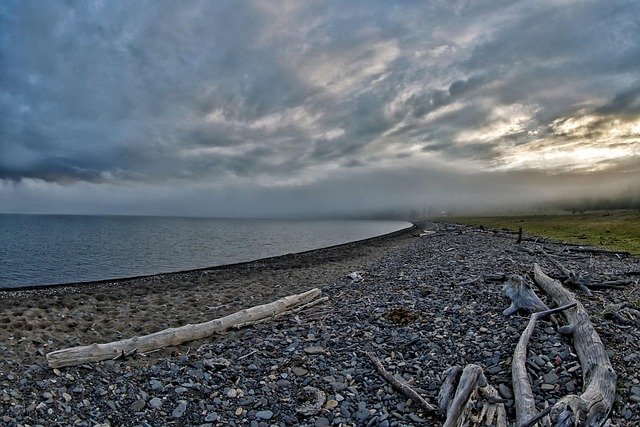 . Use a stiff wire brush to scrub away sand and any lingering organic matter. This reveals the beautiful gray patina and ensures a clean surface for your plants to grip.
Step 4: Mechanical Fastening. Driftwood is rarely straight, which makes traditional joinery difficult. Forget the dovetails and precision cuts. Use a “pioneer-grit” approach: heavy-gauge galvanized wire, natural jute twine, or stainless steel deck screws. For a permanent trellis, drill pilot holes through the dense heartwood to prevent splitting. Lashing pieces together with high-tensile wire creates a flexible yet incredibly strong joint that can withstand heavy wind loads.
Benefits of Driftwood Over Treated Lumber
The primary advantage of driftwood is its complete lack of synthetic toxins. While modern pressure-treated wood has moved away from the highly toxic Chromated Copper Arsenate (CCA), current treatments like Alkaline Copper Quaternary (ACQ) still involve heavy metals that can accumulate in the soil over time. Driftwood offers a 100% organic alternative that poses zero risk to the micro-biology of your soil.
Beyond safety, there is the matter of longevity. Driftwood has been “pre-shrunk” and cured by the elements. It is less prone to the dramatic warping and twisting seen in green, store-bought lumber. Because the wood has already lost its sugars and soft tissues during its time at sea, it is far less attractive to common garden pests like termites and carpenter ants.
From an aesthetic standpoint, driftwood provides a texture and color that blends seamlessly with the natural landscape. The silver-gray patina reflects sunlight, preventing the wood from becoming as hot as darker, treated materials. This creates a cooler microclimate for the vines and tendrils that wrap around it, reducing heat stress during the peak of summer.
Finally, there is the cost. At a time when lumber prices can fluctuate wildly, driftwood remains a free, renewable resource for those willing to do the legwork. It represents a significant reduction in the carbon footprint of your garden, as no energy was spent on milling, chemical treating, or long-distance shipping.
Challenges and Common Mistakes
The most frequent error is failing to account for the internal salt content of the wood. A large, dense log can hold onto salt for a long time. If you use it to build a raised bed and fill it immediately with soil, the initial salt flush can stunt the growth of salt-sensitive crops like strawberries or beans. Always err on the side of over-leaching.
Another challenge is structural unpredictability. . Unlike a 4×4 post, every piece of driftwood has its own center of gravity and load-bearing capacity. Beginners often underestimate the weight of a mature squash vine or a grape arbor in full fruit. If your driftwood is thin or has hidden soft spots, it can snap under the pressure of a summer storm. Always test the strength of a piece by applying significant pressure over your knee before trusting it with a heavy crop.
Pests can also be an issue if you aren’t careful about the source. If you collect wood from a riverbank rather than a saltwater beach, it hasn’t been sterilized by salt. These pieces can harbor active wood-eating insects. Always inspect river wood for small “exit holes” or sawdust-like frass, which indicate that something is still living inside the grain.
Limitations and Environmental Constraints
Driftwood is not a universal solution for every garden project. For structures that require absolute level lines—like the foundation of a greenhouse or a precision-built tool shed—driftwood’s irregular shapes make it a nightmare to work with. It is a material for organic, flowing designs, not for projects that require a spirit level and a square.
There are also environmental limitations. If everyone in a coastal community cleared the beach of driftwood, the shoreline would lose its primary defense against erosion. Driftwood traps sand and allows pioneer plants to take root, eventually forming dunes. Responsible permaculture practitioners should only take what they need and leave behind the larger logs that are clearly acting as ecological anchors.
Additionally, the availability of driftwood is entirely dependent on your geography. If you live in a landlocked area, the fuel costs and logistics of hauling driftwood from the coast may outweigh the environmental benefits of using a “free” material. In these cases, look for local alternatives like “found wood” from forest floors or cedar thinnings from local arborists.
Comparison: Driftwood vs. Conventional Lumber
| Feature | Driftwood | Pressure-Treated (ACQ) | Untreated Cedar |
|---|---|---|---|
| Cost | Free (Labor only) | Moderate | High |
| Chemical Safety | 100% Safe | Low Risk (Leaches copper) | 100% Safe |
| Longevity | Very High (Weather-cured) | High (Chemical-protected) | Moderate/High |
| Ease of Use | Difficult (Irregular shapes) | Easy (Standard sizes) | Easy (Standard sizes) |
Practical Tips and Best Practices
When selecting pieces for a vertical trellis, look for “forked” branches. These natural Y-shapes are perfect for resting cross-beams without the need for complex hardware. They provide a more stable cradle for horizontal supports and give your climbing plants multiple points of contact to grab onto as they grow.
Use Gravity to Your Advantage. Instead of trying to bury a crooked driftwood post in a perfectly straight hole, consider using a “tripod” or “teepee” design. By leaning three or more pieces against each other and tying them at the top, you create a self-supporting structure that doesn’t rely on deep, vertical post holes. This is particularly useful in rocky or hard-packed soils where digging is difficult.
Mounting to Existing Structures. If you have an ugly chain-link fence or a boring brick wall, you can mount gnarled driftwood branches directly to them using wire ties or masonry anchors. This turns a sterile surface into a three-dimensional garden feature that provides immediate visual interest even before the plants grow in.
Seal the Ends? While most driftwood is already cured, if you make a fresh cut into a thick log, you might consider sealing the end grain with a natural wax or an eco-friendly oil. This prevents the wood from “checking” or splitting further as it adjusts to the humidity of your garden soil. However, in most cases, the natural weathering is sufficient protection.
Advanced Considerations for the Serious Practitioner
For those looking to integrate driftwood into a deep-permaculture system, consider its role as a “biological battery.” As the wood eventually breaks down—a process that can take a decade or more—it becomes a massive sponge for moisture. In dry climates, burying large driftwood logs into the base of a garden bed (a technique similar to hugelkultur) creates a sub-surface reservoir that plants can tap into during droughts.
The salt history of the wood also plays into soil mineralogy. While we focus on removing the excess, the trace minerals absorbed by the wood during its time in the ocean can actually benefit certain soils that are deficient in micronutrients. As the wood slowly decomposes, it releases these minerals back into the local ecosystem in a bio-available form.
You can also use driftwood to inoculate your garden with specific fungi. The porous, weathered surface of the wood is an ideal substrate for oyster mushrooms or other edible wood-decomposing fungi. By deliberately “plugging” the wood with mushroom spawn, you turn your garden trellis into a multi-functional food producer that yields both vertical crops and a harvest of fungi from the support structure itself.
Real-World Example: The “Ghost Wood” Tomato Trellis
Consider a gardener in a coastal region who needs to support heavy indeterminate tomato plants. Instead of buying expensive metal cages, they collect six long, sturdy pieces of cedar driftwood. These pieces are roughly eight feet long and have been leached of salt by a winter of heavy rain.
The gardener arranges the pieces into two tripods, spaced four feet apart. 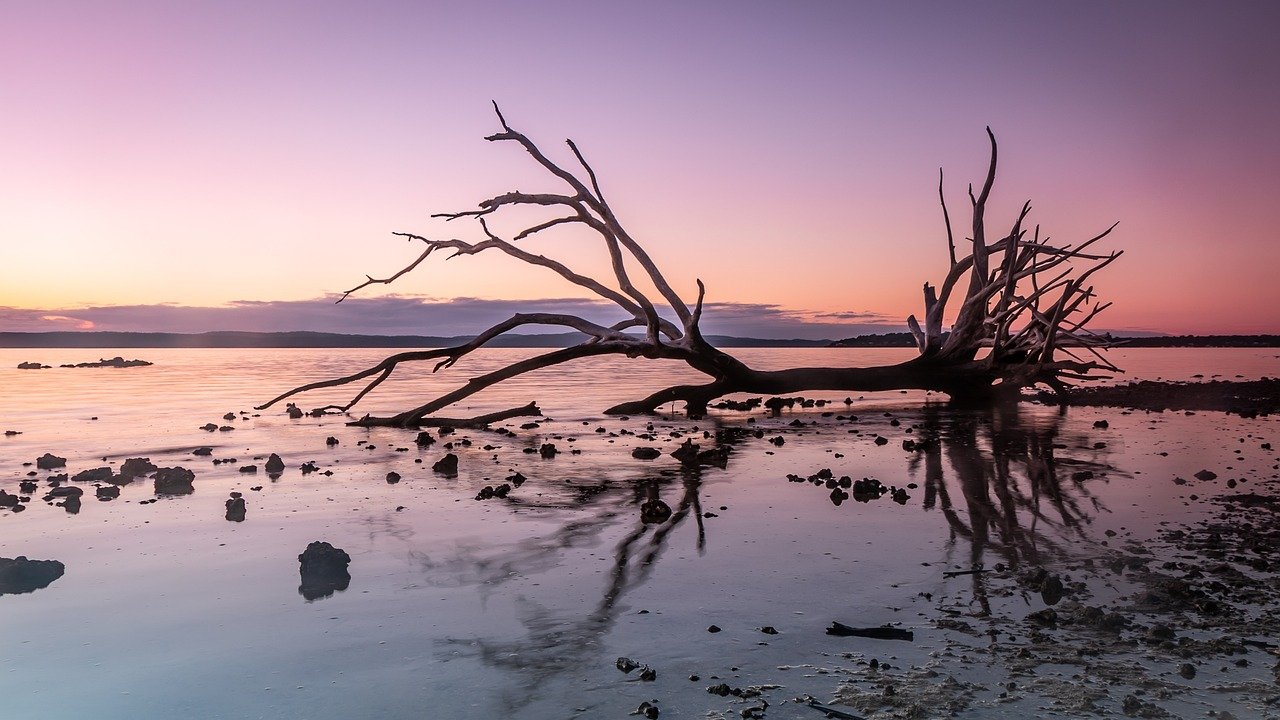 . At the top where the poles meet, they use heavy-duty jute twine to lash the pieces together. A long, thinner piece of driftwood is then laid across the tops of both tripods, creating a “bridge” between them. This entire structure is stable enough to support 50+ pounds of fruit and foliage.
Because the driftwood is gnarled and textured, the tomato vines have no trouble finding purchase. The gardener uses simple twine “hangers” to guide the main stems upward. By the end of the season, the silvery wood is covered in deep green leaves and red fruit, creating a stunning visual contrast that requires zero maintenance and can be left in place for years to come.
Final Thoughts
Embracing driftwood in the garden is a return to a more intuitive way of building. It requires you to work with the wood rather than forcing it into a pre-conceived shape. It is a partnership between the gardener, the forest, and the sea, resulting in structures that are as beautiful as they are functional.
While it takes more effort to find and prepare driftwood than it does to buy a bundle of stakes at the store, the rewards are measurable. You get a garden free of industrial chemicals, a landscape with a deep sense of character, and the satisfaction of knowing you’ve turned “waste” into a vital support system for your food.
Next time you find yourself at the shore, look past the clutter and see the potential. Your garden is waiting for its next great support system, and the ocean is more than happy to provide it. Experiment with different shapes, test the limits of the material, and let the grit of the pioneer guide your hand as you build something truly regenerative.
Sources
1 quora.com (https://www.quora.com/Why-is-it-important-to-avoid-treated-wood-for-raised-beds-and-what-are-some-alternative-materials-you-can-use) | 2 pithandvigor.com (https://pithandvigor.com/2024/08/driftwood-in-landscape-6-great-garden-uses/) | 3 makeitagarden.com (https://makeitagarden.com/clever-use-of-driftwood-makes-a-happy-garden/) | 4 tnnursery.net (https://www.tnnursery.net/blogs/garden-blog/driftwood-has-many-uses) | 5 ontarioparks.ca (https://blog.ontarioparks.ca/why-driftwood-matters/) | 6 dksstores.com (https://vertexaisearch.cloud.google.com/grounding-api-redirect/AUZIYQGzyXHinKOlvpPZPQJS7-GhWmH6YKg4n9bm_7wZbPLK9b2iz34sJXasNHn3dt7Ki8IQd0hmTHZ-FYRtokQJsH_SFVSU5kW_9iBnZyJIgS5b0jwmqdJJEF0jckYv) | 7 doc.govt.nz (https://dxcprod.doc.govt.nz/globalassets/documents/science-and-technical/casn165.pdf) | 8 davesgarden.com (https://davesgarden.com/community/forums/t/1287912/) | 9 weekand.com (https://www.weekand.com/home-garden/article/landscape-driftwood-18020780.php) | 10 earth.com (https://www.earth.com/news/disrupting-the-flow-of-driftwood-affects-marine-ecosystems/) | 11 youtube.com (https://www.youtube.com/watch?v=hfbKwC5M03w) | 12 quora.com (https://www.quora.com/Is-it-illegal-to-take-driftwood-from-a-beach) | 13 simplydiscus.com (https://www.simplydiscus.com/library/biotopes/natural/driftwood_treatment.shtml) | 14 frameitall.com (https://frameitall.com/blogs/frame-it-all/pressure-treated-wood-for-garden-beds) | 15 umaine.edu (https://extension.umaine.edu/gardening/2024/04/03/is-it-safe-to-use-pressure-treated-lumber-for-raised-garden-beds/) | 16 tennesseewholesalenursery.com (https://www.tennesseewholesalenursery.com/blogs/tennessee-wholesale-nursery-blog/driftwood-in-landscaping) | 17 orst.edu (https://npic.orst.edu/ingred/ptype/treatwood/gardenuse.html)