Is your small-space climate control secretly killing your rare indoor garden? Your studio apartment’s ventilation is a hurricane for your plants. While most people buy plastic humidifiers that break in a year, the secret to a thriving indoor jungle is vertical driftwood architecture. It doesn’t just look like art—it creates a wind-breaking micro-niche that traps humidity and blocks harsh drafts. Transform your exposed windowsill into a sheltered coastal sanctuary for zero cost.
Living in a confined urban environment often feels like a constant battle against the elements. You might think you are safe inside four walls, but your plants know better. Forced-air heating, air conditioning, and the inevitable drafts from older window frames create a turbulent atmosphere that saps moisture from delicate leaves faster than a desert sun. Most beginners reach for a plug-in solution, but the “pioneer-grit” approach favors structural intelligence over disposable gadgets.
The goal is to move beyond simple “decoration” and toward “habitat engineering.” By understanding how air moves through a small room, you can use the physical properties of natural driftwood to dictate the climate of your bookshelf or windowsill. It is about creating a boundary between the chaos of your HVAC system and the fragile ecosystem of your plant collection.
This guide will walk you through the logic and construction of a vertical driftwood screen. You will learn how to turn weathered timber into a functional climate tool that protects your green investment. This is more than just a DIY project; it is a fundamental shift in how you manage an indoor garden.
Vertical Driftwood Plant Protection Screen
A vertical driftwood plant protection screen is a functional architectural element designed to mitigate the harsh effects of indoor air currents while simultaneously regulating local humidity. Unlike a flat wall or a simple shelf, this screen uses the irregular, porous geometry of weathered wood to disrupt “laminar flow”—the smooth, fast-moving air that causes rapid transpiration in plants. 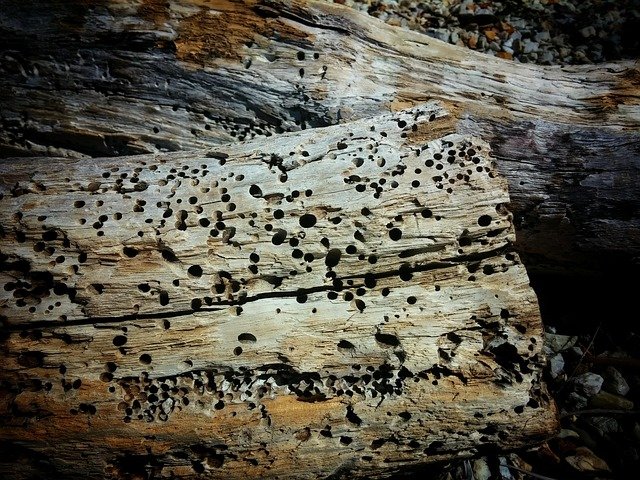 . By breaking this flow, the screen creates a “Sheltered Niche” where air moves slowly and holds onto water vapor longer.
In the real world, you see this principle at work in coastal forests and windbreaks on the Great Plains. Nature uses mass and texture to protect vulnerable growth. Indoors, your driftwood screen acts as a physical shield against the cold “Exposed Draft” of a winter window or the drying blast of a radiator. It serves as a scaffolding for life, allowing you to mount epiphytes—plants like orchids and air plants that grow on trees—directly into a more stable environment.
The beauty of using driftwood specifically lies in its history. These pieces of wood have been scoured by water and sun, leaving behind a dense, often rot-resistant skeleton of lignin. This material is naturally hygroscopic, meaning it can absorb moisture from the air and release it when the surrounding environment becomes too dry. It acts as a passive humidity buffer that never needs to be plugged in or refilled.
How It Works: The Science of Humidity Niches
To understand why this works, you have to look at the physics of air and water. Air movement is the primary driver of water loss in plants. When a dry draft passes over a leaf, it pulls moisture out of the stomata.  . A vertical screen made of irregular driftwood branches creates what fluid dynamics experts call “turbulence zones.” Instead of a straight line of air hitting your plants, the air is forced to tumble and slow down through the gaps in the wood.
Inside these slowed-down pockets of air, the relative humidity naturally rises. This happens because the water vapor transpired by the plants stays in the immediate vicinity rather than being swept away. Furthermore, if you mist the driftwood itself, the porous surface area of the wood holds that water and slowly evaporates it over several hours, maintaining a steady “micro-niche” of moist air.
The “pioneer” secret here is the surface-area-to-volume ratio. A single large log doesn’t do much, but a screen made of many interlocking, vertical branches provides a massive amount of surface area. Each nook and cranny in the wood’s grain acts as a tiny reservoir for humidity. This is the difference between an Exposed Draft environment, where your plants are essentially in a wind tunnel, and a Sheltered Niche, where they are cocooned in their own recycled moisture.
Benefits of Vertical Driftwood Architecture
Choosing a driftwood screen over a standard plastic humidifier offers several long-term advantages for the serious practitioner. While a machine can fail or grow slime, a well-prepared driftwood structure only gets better with age as it develops its own character and perhaps even a layer of beneficial moss.
- Passive Humidity Regulation: The hygroscopic nature of the wood provides a consistent moisture buffer without the risk of over-saturating the room.
- Draft Protection: It acts as a physical “breakwater” for air, preventing the thermal shock that causes Ficus and Ferns to drop leaves.
- Vertical Space Efficiency: In a studio apartment, floor space is gold. A vertical screen allows you to grow upwards, turning a narrow windowsill into a multi-story garden.
- Longevity and Durability: Quality hardwoods like Mopani or Malaysian driftwood can last decades in a humid environment without rotting.
- Aesthetic Integration: It transforms a functional tool into a piece of natural art that reflects a nostalgic, rugged connection to the outdoors.
Beyond the plants, there is a human benefit as well. The presence of natural wood and dense greenery has been shown to reduce stress and improve air quality. By building a structure that mimics a natural forest edge, you are creating a more grounded, calm atmosphere in an otherwise sterile urban living space.
Challenges and Common Mistakes
Building with natural materials requires a level of grit and attention to detail that plastic solutions don’t demand.  . One of the most common mistakes is using “green” or fresh wood found in the woods. Fresh wood contains sap and high moisture content that will inevitably lead to mold and rot when brought into a warm apartment. Always source properly cured driftwood or kiln-dried hardwoods.
Salt leaching is another significant challenge for coastal foragers. If you find a beautiful piece of wood on a saltwater beach, it is saturated with sodium. As the wood dries in your home, the salt will “bloom” on the surface, which is toxic to most sensitive plants like Orchids or Tillandsia. You must commit to a rigorous “leaching” process—soaking the wood in fresh water for several weeks, changing the water daily—before it is safe for your garden.
Mounting is the third pitfall. Beginners often use glue or wire that is too tight, crushing the plant’s base. Epiphytes need their “meristem” (the growing base) to have airflow. If you seal the plant against the wood with hot glue, you create a pocket where water can sit and cause rot. The goal is to anchor the plant firmly but allow the base to breathe, usually by using fishing line or specialized elastic thread that allows for growth.
Limitations: When This May Not Be Ideal
While vertical driftwood architecture is a powerful tool, it is not a universal solution for every home. One primary constraint is weight. High-density hardwoods like Mopani are incredibly heavy. If you are mounting a large screen to a drywall partition or a flimsy shelf, you run the risk of structural failure. Always ensure your mounting hardware is rated for the load and anchored into studs where possible.
Light obstruction is another factor. A dense screen of wood will naturally block some of the sunlight coming through a window. If you have light-hungry succulents or cacti, placing them behind a driftwood screen might lead to etiolation (stretching). You must balance the “windbreak” benefits with the need for photosynthetic energy, often by choosing shade-tolerant plants for the lower, more sheltered levels of the screen.
Lastly, consider the “4-hour drying rule.” Epiphytes like air plants need to dry out within four hours of being watered to prevent fungal growth. In a very small, poorly ventilated studio where the air is stagnant, the driftwood screen might actually trap too much moisture. If you notice a white, fuzzy biofilm or a sour smell, you may need to increase the spacing between your wood pieces to allow for more internal air circulation.
Comparison: Sheltered Niche vs. Exposed Draft
The following table illustrates the measurable differences between a plant kept in an open, drafty area versus one protected by a vertical driftwood screen.
| Feature | Exposed Draft (Windowsill) | Sheltered Niche (Driftwood Screen) |
|---|---|---|
| Air Velocity | High (Laminar flow) | Low (Turbulent/Stagnant) |
| Humidity Retention | Low (Moisture swept away) | High (Passive buffering) |
| Temperature Stability | Poor (Rapid fluctuations) | Excellent (Thermal mass of wood) |
| Maintenance Need | Daily misting/checking | Weekly check/soaking |
| Risk of Leaf Drop | High (Thermal shock) | Low (Shielded) |
Practical Tips for Sourcing and Curing
Finding the right wood is the first step in successful architecture. If you are sourcing from a pet store or specialty nursery, look for Malaysian Driftwood or Mopani. These are hardwoods with high lignin content, which means they are incredibly dense and naturally resist rot. They are often pre-cured, but it is always wise to boil them for an hour to kill any dormant pests or fungi.
For those with the grit to forage their own, look for “ghost wood” or cedar branches that have already lost their bark and been bleached white by the sun. Avoid any wood that feels “spongy” or has active fungal growth. Once you bring it home, the curing process is non-negotiable. Scrub the wood with a stiff brush and a 10% bleach solution, then soak it in fresh water for several days to remove tannins and salts. Finish by letting it bake in the sun for at least a week to ensure it is bone-dry before you start assembly.
When assembling your screen, use stainless steel screws or heavy-duty fishing line. Zinc-plated hardware will eventually rust in the high-humidity micro-niche you are creating. For a truly vertical setup, consider building a simple frame of 1×2 cedar and “weaving” your driftwood pieces into it using copper wire. The copper has the added benefit of being naturally antimicrobial, which helps prevent rot at the contact points.
Advanced Considerations: Integrated Systems
Once you have mastered the basic screen, you can begin to integrate more advanced features to further automate your micro-climate. One effective technique is the use of Capillary Matting hidden behind the driftwood. By running a wick from a small reservoir of water to a felt pad behind the wood, you can keep the back of the driftwood perpetually moist. This significantly increases the evaporative surface area without requiring you to mist the plants directly.
Serious practitioners also look at “vertical staggering.” Because heat rises, the top of your screen will naturally be drier and warmer than the bottom. Place your high-light, drought-tolerant epiphytes (like Tillandsia xerographica) at the top of the screen. Reserve the lower, more shaded and moist areas for delicate ferns or moss-backed orchids. This mimics the stratification of a real jungle canopy, maximizing the health of every species in your collection.
Airflow management is the final advanced step. If your apartment is too still, you may actually need to introduce a tiny, low-voltage computer fan near the base of the screen. Set it on a timer to run for 15 minutes every few hours. This mimics the natural “pulsing” breezes of the wild, preventing the air in your Sheltered Niche from becoming truly stagnant, which is the number one cause of crown rot in indoor plants.
Example Scenario: The High-Rise Studio Rescue
Consider a typical scenario: a 15th-floor studio apartment with floor-to-ceiling windows. In the winter, the glass becomes a wall of ice, and the floor vents blast 75-degree dry air directly into the room. A gardener here lost three Calatheas and a collection of Staghorn ferns within two months because the “Exposed Draft” was simply too much for them.
The solution was a 4-foot vertical driftwood screen built from interlocked pieces of Mopani and Spider Wood. By placing this screen 6 inches away from the window glass, the gardener created a thermal buffer. The cold air from the window fell behind the screen, while the dry heat from the vent was forced to tumble over the irregular wood surfaces. Within three weeks, the remaining plants began to push out new growth. The “hurricane” had been tamed into a gentle, humid breeze.
By mounting the ferns directly to the wood with moss-filled “kokedama” balls, the gardener also utilized the vertical space. This transformed a hazardous windowsill into a productive, self-regulating ecosystem. No expensive electronic humidifiers were needed—just a few pieces of natural wood and an understanding of how to manage air movement.
Final Thoughts
Building a vertical driftwood plant protection screen is a testament to the idea that nature often provides the best solutions to modern problems. By using the physical and chemical properties of weathered wood, you can solve the humidity and draft issues that plague small-space gardening. This approach moves you away from the “disposable gadget” mentality and toward a more resilient, self-sustaining practice.
Remember that this is a living system. Your driftwood will change color as it absorbs water, your plants will grow their roots into the crevices of the grain, and the climate of your home will become more balanced. It requires an initial investment of time and “pioneer grit” to cure the wood and engineer the structure, but the rewards are a thriving, lush environment that feels worlds away from the sterile concrete outside your door.
Take the time to experiment with different wood arrangements and plant species. Every apartment has its own unique “wind map,” and your vertical architecture is the key to mastering it. Stop fighting the dry air with plastic—build a sanctuary that stands the test of time.
Sources
1 thursd.com (https://thursd.com/articles/are-drafts-harming-your-houseplants) | 2 alibaba.com (https://lifetips.alibaba.com/plant-care/air-plant-holder-vs-driftwood-which-keeps-tillandsias-healthier) | 3 gardeningknowhow.com (https://www.gardeningknowhow.com/houseplants/deadly-draft-zone) | 4 alibaba.com (https://lifetips.alibaba.com/plant-care/air-plant-holder-vs-driftwood-hydration-truths) | 5 ncsu.edu (https://bioresources.cnr.ncsu.edu/resources/the-effect-of-hygroscopic-wood-structure-on-some-properties-of-heat-treated-products-formed-with-the-thermowood-method/) | 6 britannica.com (https://www.britannica.com/science/wood-plant-tissue/Hygroscopicity) | 7 bulkreefsupply.com (https://fresh.bulkreefsupply.com/content/post/benefits-of-using-driftwood-in-your-aquarium) | 8 leisurescout.blog (https://leisurescout.blog/2020/08/08/how-to-build-a-timber-screening-vertical-garden/) | 9 ariumology.com (https://ariumology.com/2025/12/18/paludarium-driftwood-guide-how-to-choose-wood-by-color-shape-plant-compatibility/)