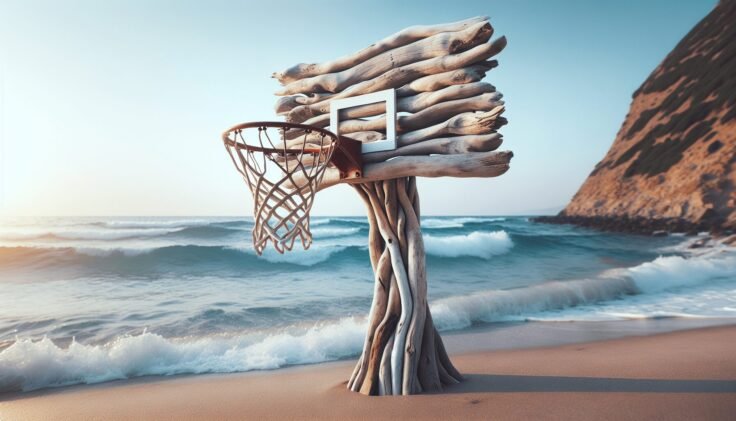
Driftwood In Garden
Welcome to the world of enchanting garden decor with “Driftwood In Garden.” You’ll discover how beautifully natural driftwood pieces can transform your outdoor space into a serene, artistic sanctuary. From crafting unique sculptures to creating functional garden elements, the use of driftwood provides an easy and eco-friendly way to enhance your garden’s charm and character. You’ll love how these timeless wooden pieces blend effortlessly with the foliage, adding texture and intrigue to your garden paradise. Have you ever strolled along a beach, noticed a piece of driftwood, and imagined how it would look in your garden? Driftwood, with its weathered and rustic charm, can truly transform a garden space, adding both artistic and natural elements. Using driftwood in a garden isn’t just a fad; it’s a brilliant way to create unique, eco-friendly decor that tells a story.


What is Driftwood?
Driftwood refers to the wood that has been washed onto shores by the action of tides and currents. These pieces are often beautifully bleached and smoothed by the sea, turning them into natural art objects. Driftwood can come from trees, branches, or other wooden objects that met the fate of riverine travel.
Origin and Characteristics
Driftwood starts its journey far from the ocean, usually in rivers, lakes, or forests. Over time, it merges with water bodies and undergoes weathering and erosion, giving it the unique textures and shapes we admire. Each piece of driftwood is unique, differing in size, shape, texture, and color.
Types of Driftwood
There are several types of driftwood based on their origin and characteristics:
| Type | Characteristics |
|---|---|
| Hardwood Driftwood | Dense, dark brown or black; very durable |
| Softwood Driftwood | Lighter, less dense; easier to work with |
| Craggly Driftwood | Full of knots and bends, highly textured |
| Smooth Driftwood | Soft and rounded, smoother appearance |
| Marine Driftwood | Often covered with shells or seaweed, washed ashore |
Benefits of Using Driftwood in Your Garden
Driftwood is more than just an aesthetic component. It offers a host of benefits – both practical and ecological.
Eco-Friendly Decor
Using driftwood is a sustainable option. By repurposing wood that would otherwise decay or be burnt, you contribute to reducing waste and preserving lumber resources.
Natural Artistry
Each driftwood piece is a piece of natural art. Their unique shapes, hues, and textures can serve as focal points and conversation starters in your garden.
Habitat for Wildlife
Driftwood can create mini ecosystems within your garden. Birds can use it for perching, insects find shelter, and plants might use it for support.
Low Maintenance
Unlike treated wood or synthetic garden decorations, driftwood requires minimal maintenance. It can withstand various weather conditions and doesn’t need painting or staining.
How to Choose Driftwood for Your Garden
Choosing the right piece of driftwood is essential for achieving the envisioned aesthetic and functional goals for your garden.
Size and Shape
Consider the size and shape of your garden area when choosing driftwood. Smaller pieces are perfect for flower beds or rock gardens, while larger ones can serve as focal points or natural sculptures.
Durability
Select driftwood that is sturdy and dense. Hardwood tends to be more durable and will withstand the elements better than softwood.
Preparing Driftwood for Garden Use
Before placing driftwood in your garden, some preparation steps are necessary to ensure it lasts long and is safe for your garden environment.
Cleaning
First, clean your driftwood thoroughly. Sea salts, debris, and potential pests need to be removed. A soak in fresh water followed by scrubbing with a brush can help clean your piece effectively.
Preserving
To enhance its durability, consider applying a wood preservative or a clear sealant. This is optional but can protect the wood from further weathering and decay.
Positioning
Think about how and where to place the driftwood. Envision its placement in various spots to ensure it complements your garden’s layout and other decor.

Creative Ideas for Using Driftwood in Your Garden
The possibilities with driftwood are endless. Here are some creative ways to incorporate driftwood into your garden:
Driftwood Planters
Create unique planters by hollowing out a piece of driftwood. You can place succulents, air plants, or small flowers. This brings a rustic and natural element to your garden.
Driftwood Pathway Borders
Use driftwood logs and branches to border garden pathways. This gives a natural, forest-like feel to your garden trails and helps in delineating different garden zones.
Driftwood Sculptures
Arrange several driftwood pieces to form sculptures. This could be abstract forms or more defined shapes like animals or birds, adding a touch of whimsy and creativity.
Supporting Structures
Driftwood can be used as stakes or supports for climbing plants. Its natural look blends seamlessly, unlike synthetic stakes, which can be obtrusive.
Garden Seating
Use larger driftwood logs or assembled pieces to create rustic benches or seating areas. This provides a perfect spot to sit and appreciate the beauty of your garden.
Table: Driftwood Uses and Ideas
| Driftwood Use | Description |
|---|---|
| Driftwood Planters | Hollowed pieces for planting succulents and flowers. |
| Pathway Borders | Logs and branches to line garden paths. |
| Natural Sculptures | Art pieces created by arranging driftwood. |
| Plant Supports | Stakes and supports for climbing plants. |
| Garden Seating | Logs or assembled pieces for rustic benches. |
Maintaining Driftwood in Your Garden
Maintenance for driftwood is fairly straightforward but essential for prolonging its charm and functionality.
Regular Cleaning
While driftwood doesn’t require intense maintenance, occasional cleaning to remove dirt and algae will help maintain its appearance.
Sealing
If you’ve opted for a sealant, reapply it annually. This preserves the wood, especially in regions with drastic weather changes.
Inspection
Regularly inspect the driftwood for any signs of decay or pest infestation. Addressing these issues early will prevent serious damage.
Safety Considerations
While driftwood is generally safe, some considerations can ensure it doesn’t pose a risk to your garden or its inhabitants.
Toxins
Be cautious with wood that shows signs of chemical treatment. Driftwood sourced from industrial areas or near treated wooden structures might carry harmful toxins.
Sharp Edges
Ensure pieces do not have sharp edges or splinters which can be hazardous, especially if you have children playing in the garden.
Driftwood and Garden Styles
Driftwood can complement a variety of garden styles, enhancing the overall ambiance.
Coastal Gardens
Given its origin, driftwood naturally complements a coastal-themed garden. Pairing it with seagrasses, shells, and sand features creates a seamless beach-inspired yard.
Zen and Rock Gardens
With its organic and asymmetrical shapes, driftwood fits perfectly in zen and rock gardens, providing a natural contrast to stones and gravel.
Woodland Gardens
Infuse driftwood into woodland gardens to mimic fallen logs and natural tree detritus, enhancing the forest-like vibe.
Modern Gardens
Modern gardens can also benefit from driftwood’s raw and untamed forms. Pairing it with sleek materials like metal or glass creates an interesting visual tension.
Engaging with Local Driftwood Communities
Engaging with communities that share your interest in driftwood can provide inspiration and assistance.
Online Communities
Join online forums or social media groups. Platforms like Instagram and Pinterest abound with creative driftwood ideas.
Local Workshops and Markets
Participate in local workshops to learn techniques in driftwood crafting. Local markets often feature artisans selling driftwood pieces, providing an opportunity to find unique additions for your garden.
Legal and Environmental Considerations
Before collecting driftwood, be aware of the legal and environmental implications.
Regulations
Some locations have regulations against collecting driftwood, to preserve natural habitats. Always check local laws before gathering driftwood.
Environmental Impact
Be mindful not to disturb marine wildlife or ecosystems when collecting driftwood. Only take what you need and leave the rest for nature to reclaim.
Conclusion
Driftwood brings an element of natural beauty, history, and sustainability into your garden. Whether used for planters, sculptures, or simply as a focal point, each piece of driftwood carries the story of its journey through rivers and oceans. With minimal maintenance and endless creative possibilities, driftwood can transform your garden into a unique, artistic haven. So next time you see a piece of driftwood on the shore, imagine the potential it holds and bring a piece of nature’s sculpture into your garden.
Should you find yourself inspired to start incorporating driftwood into your garden, you might begin to see it in a whole new light—a versatile medium for expressing your creativity and love for the natural world.