Biophilic Driftwood Shelf Design Ideas
Your furniture shouldn’t just take up space; it should provide a habitat. Modern furniture is designed to be sterile, static, and separate from nature. But the ocean’s timber is different. It’s a porous network of history that wants to support life. Skipping the toxic sealants and embracing the wood’s natural biology allows you to turn a simple storage unit into a vertical forest that cleans your air and centers your soul.
[affiai]Bringing the shoreline into your living room requires more than just picking up a stick and nailing it to a wall. It demands an understanding of how salt, moisture, and cellular structures interact with the modern home environment. You are not just building a shelf; you are curateing a biological interface. This guide will walk you through the grit and grace of creating biophilic driftwood shelving that serves as a living anchor for your home.
Biophilic Driftwood Shelf Design Ideas
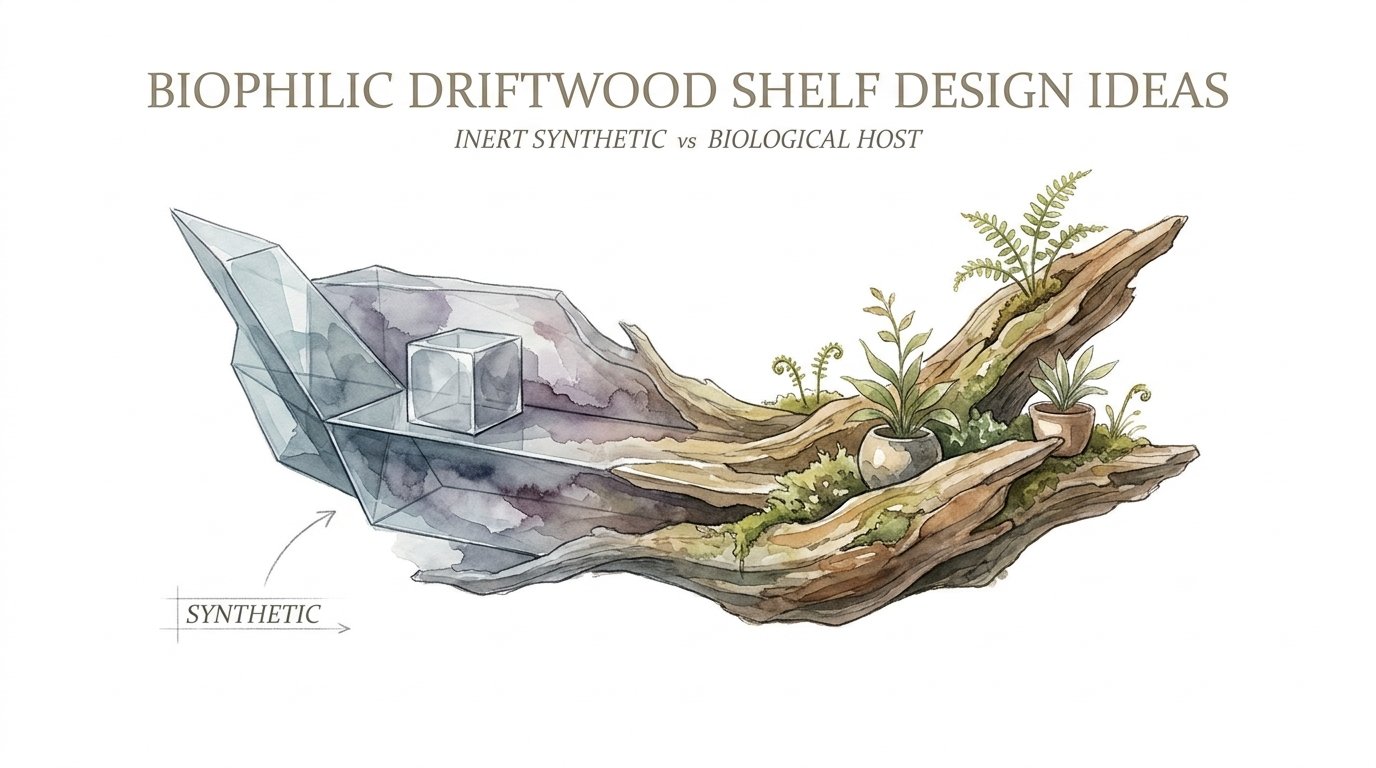
Biophilic design is the practice of reconnecting humans with nature through the built environment. When applied to shelving, this means moving away from the “inert box” and toward “biological support.” Driftwood is the perfect medium for this because the water has already done the hard work of sculpting it into organic, flowing forms that mirror the chaos and order of the natural world.
Floating branch shelves represent the most direct application of this philosophy. These designs utilize the natural “crook” or “fork” of a large branch to create a self-supporting cantilever. One side of the fork mounts flush against the wall, while the other extends outward to support a flat plane of wood or even glass. This creates a silhouette that looks as though the shelf is growing directly out of the drywall.
Tiered ladder systems are another robust option for those with more vertical space. These involve two large, matching driftwood pillars leaning against a wall or secured as uprights. Cross-members of weathered planks are then lashed or notched into the uprights. Such structures provide ample room for cascading vines and large moss beds, effectively creating a “green wall” that functions as a room divider.
Minimalist peg-and-plank designs focus on the contrast between raw nature and human utility. You might use small, sturdy chunks of sun-bleached cedar as the brackets for a long, straight-edge shelf. The visual weight of the driftwood “pegs” provides a grounding element to the otherwise sharp lines of the shelf. This specific design works well in small apartments where a full branch might feel overwhelming but a touch of texture is still desired.
Sourcing Your Timber: The Ethics and Law of the Hunt
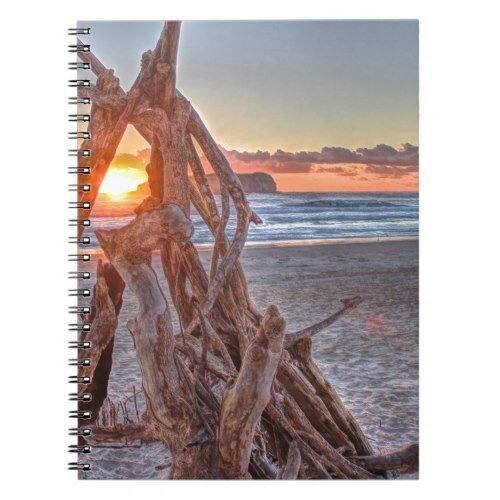
Every piece of driftwood has a story written in its grain, but taking that story home requires a pioneer’s respect for the land. Not every beach is a supermarket. National parks and protected wildlife refuges often consider driftwood to be “habitat,” and removing it can result in heavy fines. Shoreline ecosystems rely on these logs to prevent erosion and provide shelter for insects and birds.
Washington state and Oregon allow for personal collection in small quantities, provided you aren’t using heavy machinery or chainsaws on the beach. In contrast, many Florida state parks strictly prohibit the removal of any natural material. Always check local municipal codes before you head out with a truck. Look for public access beaches that are not designated as protected reserves.
Private property owners also have rights to the wood on their shorelines. Always seek permission if you find a prize log on private land. Respecting the local community is part of the biophilic ethos. If a specific beach is off-limits, consider purchasing ethically sourced driftwood from professional collectors who hold the necessary permits to harvest from river deltas and coastal areas.
From Shore to Shelf: The Preparation Phase
Freshly found driftwood is a biological time bomb. It is packed with salt, dormant bacteria, and potentially wood-boring insects like termites or carpenter ants. You cannot simply mount it and walk away. Preparation is a multi-week process that requires patience and a systematic approach to cleaning and stabilizing the timber.
Step 1: Desalination and Deep Cleaning
Salt is hygroscopic, meaning it pulls moisture out of the air. If you leave the salt in the wood, your shelf will constantly feel damp or “sweaty” during humid months, leading to mold growth and wall damage. Submerge your driftwood in a large trough of fresh water. Change the water every 24 to 48 hours for at least a week. This process leaches the salt out of the cellular structure.
Step 2: Disinfection
Kill the hitchhikers. Once the salt is gone, add a small amount of bleach or hydrogen peroxide to the final soak—roughly one cup of bleach per five gallons of water. Let the wood sit for 12 to 24 hours. This kills mold spores and insect larvae hidden deep within the fissures. If the wood is too large to submerge, you can use a garden sprayer to apply the solution repeatedly over several days, though submersion is always superior.
Step 3: Controlled Drying
Rapid drying causes wood to check and crack violently. Move the cleaned wood into a shaded, well-ventilated area like a garage or a porch. Do not put it in direct sunlight or next to a heater. Let it air dry for two to three weeks until the moisture content drops significantly. A cheap moisture meter is a helpful tool here; you want the wood to be below 12% moisture before you start the woodworking phase.
The Biological Host: Physics of Raw Wood
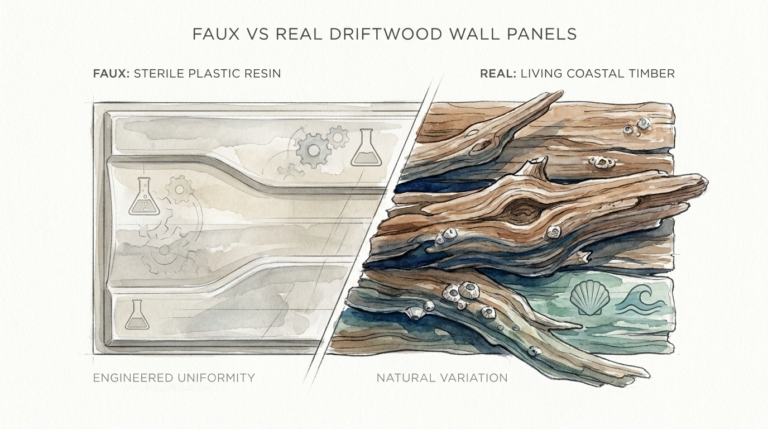
Most modern furniture is “sealed” with polyurethane or lacquer, which creates a plastic barrier between the wood and the world. Biophilic design prefers a “breathable” surface. Raw or oil-rubbed wood acts as a humidity regulator. When the air is damp, the porous wood absorbs excess moisture; when the air is dry, it releases it back into the room.
This “breathing” process is why driftwood makes such an excellent host for epiphytic plants. Epiphytes are plants that grow on other surfaces rather than in soil. Their roots are designed to grip onto rough textures and absorb nutrients from the air and the debris that settles in wood crevices. By keeping your driftwood unsealed, you provide a moisture-wicking substrate that these plants recognize as a natural home.
Hardwoods like oak and maple that have spent time in the water become incredibly dense and heavy. Conifers like cedar and redwood contain natural resins that resist rot even when they are raw. Understanding the species you have found will dictate how much weight the shelf can hold. Cedar is lightweight and aromatic, perfect for small decorative plants, while a heavy oak branch can support a full library of books if mounted correctly.
The Vertical Forest: Plant Selection and Integration
A shelf is just a shelf until you add the “forest” element. Integrating live plants into your driftwood design requires choosing species that thrive in a low-soil or soil-free environment. This is where the concept of the “biological host” truly shines.
Air plants (Tillandsia) are the easiest entry point. They require no soil at all. You can nestle them into natural hollows in the driftwood or secure them with a small dab of waterproof floral glue. Because they absorb water through their leaves, you can simply mist them once or twice a week without worrying about drainage or soil rot.
Staghorn ferns (Platycerium) are more advanced but offer a dramatic, primeval look. These ferns have “shield” fronds that wrap around the wood and “antler” fronds that reach out into the room. They prefer a bit of sphagnum moss tucked behind their base to hold moisture. As the fern grows, it will eventually fuse its roots directly into the driftwood, becoming a permanent part of the furniture.
Mosses provide the connective tissue of a biophilic shelf. You can “paint” moss onto the wood using a mixture of live moss fragments, buttermilk, and water. Over time, in a humid enough room, the moss will colonize the damp crevices of the driftwood, creating a soft, emerald-green patina. This living layer helps maintain a micro-climate around the other plants, further improving local air quality.
Benefits of the Living Shelf
Choosing a biophilic driftwood approach over a standard synthetic shelf offers measurable advantages for both your home and your health. The most immediate benefit is the reduction of Volatile Organic Compounds (VOCs). Most mass-produced shelving is made of particleboard or MDF held together with urea-formaldehyde glues. These materials “off-gas” toxins for years. Raw driftwood is naturally inert and, when cleaned properly, adds no chemical burden to your home.
Mental clarity and stress reduction are also significant factors. Research into the “wood effect” suggests that the sight of natural wood grain and organic forms lowers the heart rate and reduces cortisol levels in humans. This is a visceral reaction to our evolutionary history. We feel safer and more grounded when surrounded by the textures of the forest and the shore than we do when surrounded by flat, white, plastic surfaces.
Air purification is a double-edged sword of goodness. The plants on your shelf are actively scrubbing carbon dioxide from the air and releasing oxygen. Many epiphytic plants are also capable of filtering household pollutants. Furthermore, the raw wood itself helps stabilize indoor humidity levels, which can reduce the survival rate of airborne viruses and allergens that thrive in extremely dry or extremely damp environments.
Challenges and Common Mistakes
The biggest mistake beginners make is failing to find a wall stud. Driftwood is deceptively heavy. A three-foot branch of water-logged oak can weigh forty pounds even after it dries. If you attempt to mount this with simple drywall anchors, you are inviting a disaster. You must use a stud finder and secure your primary brackets or lag bolts directly into the wooden framing of your house.
Another frequent error is the “wet feet” problem. While the wood likes to be porous, the wall behind it does not. If you are growing plants like ferns that require frequent misting, you must ensure there is a gap or a waterproof barrier between the back of the driftwood and your drywall. Constant moisture against paint or paper-backed drywall will lead to rot and structural failure in your home’s walls.
Sanding too much is a stylistic mistake that ruins the biophilic aesthetic. The goal is to remove splinters and loose debris, not to turn the wood into a smooth dowel. Use 80-grit sandpaper to take off the rough edges and 120-grit for the surfaces people might touch. Avoid anything higher than 180-grit, as it begins to close the pores of the wood, which defeats the purpose of having a breathable, biological host.
Limitations: When Driftwood May Not Work
Driftwood shelves are not ideal for high-traffic, heavy-duty storage like a kitchen pantry where jars are constantly slid across the surface. The wood is naturally weathered and often softer than kiln-dried lumber. Heavy friction will wear down the organic textures and can cause the wood to flake or splinter over time.
Rental properties pose another constraint. Because these shelves often require substantial mounting hardware—like 1/4-inch lag bolts or heavy-duty L-brackets—they leave significant holes in the wall. If you aren’t prepared to patch and paint when you move, a floating driftwood branch might not be the right choice. In these cases, a freestanding driftwood “ladder” is a better alternative.
Environmental lighting is the final limitation. A “vertical forest” needs light to survive. If your room has no windows or very poor natural light, your biophilic shelf will soon become a graveyard of dead ferns. You can supplement with full-spectrum LED grow lights, but these must be integrated into the design carefully to avoid ruining the “natural” look with clunky technology.
Synthetic vs. Biological Shelving Comparison
| Feature | Synthetic (MDF/Veneer) | Biological (Driftwood) |
|---|---|---|
| Chemical Output | High VOCs / Formaldehyde | Zero VOCs / Inert |
| Humidity Control | None (can swell and warp) | Natural Regulation (breathable) |
| Lifespan | 5–10 years (disposable) | Decades (if maintained) |
| Initial Setup Cost | Low ($20–$50) | Moderate ($0-100 + time) |
| Psychological Impact | Neutral or Sterile | Stress-Reducing / Calming |
Practical Tips and Best Practices
Always pre-drill your holes. Driftwood is often bone-dry and brittle on the outside but dense on the inside. Driving a screw directly into it without a pilot hole is a guaranteed way to split a beautiful piece of timber right down the middle. Use a drill bit that is slightly smaller than the shank of your screw to ensure a tight fit without the tension.
If you want to protect the wood without sealing it in plastic, use a mixture of beeswax and mineral oil. This is a traditional “pioneer” finish that is food-safe and breathable. Warm the beeswax until it melts, mix it with mineral oil in a 1:4 ratio, and rub it into the wood with a lint-free cloth. This will darken the wood slightly and bring out the depth of the grain while still allowing the wood to interact with the air.
Hidden mounting is the secret to the “floating” look. You can purchase heavy-duty steel rods that mount into the wall studs and slide into holes drilled into the back of your driftwood. This requires precise drilling, but it eliminates the need for ugly metal brackets. Use a drill press if possible to ensure the holes in the wood are perfectly straight, otherwise your shelf will lean forward.
Advanced Considerations for Serious Practitioners
Serious biophilic designers should consider the “hygroscopic movement” of the wood over the seasons. In winter, when your home heating is on, the wood will shrink. In summer, it will expand. If you are using rigid joinery—like connecting two pieces of driftwood together with metal plates—you must allow for this movement. Using leather straps or loosely-fitted mortise and tenon joints can accommodate these natural shifts without cracking the wood.
Scaling up to a full-room installation requires a structural assessment. If you are planning a floor-to-ceiling driftwood “tree” that supports multiple tiers of heavy plants, you are essentially adding a new structural element to your home. Distribute the weight across multiple studs and consider using the floor as a load-bearing point to take the pressure off the wall.
Think about the microbial life you are inviting in. While you’ve disinfected the wood, the plants you add will bring their own ecosystems. This is a good thing. A healthy biophilic shelf is a micro-biome that can help out-compete harmful molds in your home. However, you must monitor for signs of “unhealthy” rot—soft, mushy spots on the wood—which usually indicate poor airflow or over-watering.
Example Scenario: The Reading Nook Shelf
Imagine a small corner of your study. You have a four-foot piece of weathered cedar found on the shores of the Pacific. You’ve spent two weeks desalinating it in a bathtub and another three weeks drying it in the garage. Using a stud finder, you locate two vertical supports in the corner. You mount two industrial-grade L-brackets, which you’ve spray-painted a matte slate gray to match the shadows of the wood.
The cedar branch is secured to the brackets from underneath so the hardware is invisible to anyone standing in the room. In the natural “cups” and depressions of the wood, you’ve placed three *Tillandsia xerographica* air plants. Along the back edge, you’ve stapled a thin strip of cork and pressed live sheet moss into it.
Every Tuesday, you take a small spray bottle and mist the moss and the air plants. As you sit in your chair below the shelf, you smell the faint, clean scent of damp cedar and earth. The air feels slightly less dry than the rest of the house. You are no longer sitting in a room of drywall and plastic; you are sitting at the edge of a forest.
Final Thoughts
Creating a biophilic driftwood shelf is an act of reclaiming your living space from the sterile vacuum of modern manufacturing. It requires grit—the willingness to haul heavy logs, scrub away salt, and wait weeks for nature to dry—but the reward is a piece of furniture that actually does something for you. It isn’t just a platform for your keys; it’s a living, breathing partner in your well-being.
The transition from an inert home to a biological host is a journey that starts with a single piece of wood. As you gain experience, you will find yourself looking at the natural world differently, seeing potential habitats in every fallen branch and weathered log. This shift in perspective is the true goal of biophilic design.
Experiment with different wood species and plant combinations. Every room has its own micro-climate, and your driftwood shelves will evolve to match it. Whether you build a single floating branch or a massive vertical garden, you are participating in a tradition as old as the pioneers—turning the raw materials of the earth into a sanctuary for the soul.
Sources
1 youtube.com (https://www.youtube.com/watch?v=Pkznsw5bV8Q) | 2 aquarzon.com (https://www.aquarzon.com/blog/post/top-10-creeping-plants-for-nature-aquarium-forest-aquascape.html) | 3 kandbgalleries.com (https://www.kandbgalleries.com/blog/biophilic-design-ideas) | 4 venturainteriors.com (https://venturainteriors.com/blog/biophilic-design-benefits-of-natural-elements-in-furniture/) | 5 elmwoodreclaimedtimber.com (https://www.elmwoodreclaimedtimber.com/blog/biophilic-design-benefits-reclaimed-sustainable-woods/) | 6 darhlene.com (https://darhlene.com/2017/02/20/harvesting-driftwood-101/) | 7 wordpress.com (https://allyouneedisbiology.wordpress.com/2016/10/06/epiphytes-plants/) | 8 buceplant.com (https://buceplant.com/blogs/aquascaping-guides-and-tips/how-to-plant-aquatic-plants-epiphytes) | 9 horizonaquatics.co.uk (https://www.horizonaquatics.co.uk/blogs/aquascaping-blogs/attach-grow-thrive-mastering-epiphyte-plants-in-your-aquarium-1) | 10 biophilicproducts.org (https://www.biophilicproducts.org/biophilic-design-blog/wood-health-biophilia/)