Diy Driftwood Soap Dish Design
Is your bathroom decor secretly dissolving your expensive soap, or is it working to keep it dry and durable? Plastic soap dishes are a design failure; they trap water and turn your soap into a slime pile. The ocean’s wood has been ‘cured’ to handle moisture for decades. Using the natural wicking properties of driftwood allows you to double the life of your soap while adding a piece of the Pacific to your morning routine.
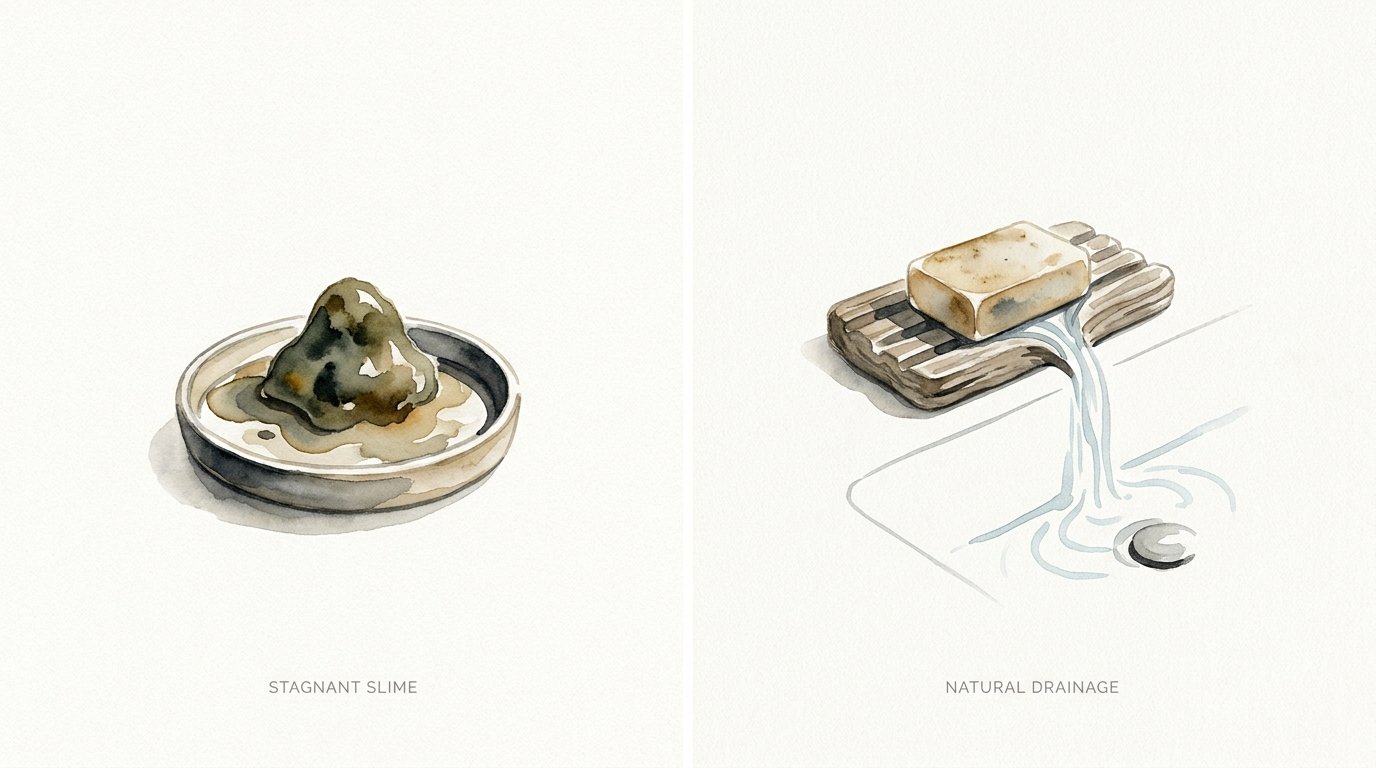
[affiai]Most modern bathrooms are filled with non-porous surfaces like ceramic, glass, and plastic. While these materials are easy to wipe down, they are terrible at managing the micro-environment around a wet bar of soap. When you place a wet bar on a plastic surface, the water has nowhere to go. It pools at the base, creating a stagnant puddle that slowly re-hydrates the soap from the bottom up. This results in that “mush” we all hate—a waste of good ingredients and a breeding ground for bacteria.
Driftwood offers a different path. This wood has spent months or years tumbling through salt water, being bleached by the sun and compressed by the tides. It has been stripped of its softest fibers, leaving behind a dense, weather-beaten structure that understands how to live with water. A handcrafted driftwood soap dish isn’t just a piece of decor; it is a functional tool that manages moisture through cellular-level wicking and superior airflow.
Diy Driftwood Soap Dish Design
A driftwood soap dish is a functional sculpture crafted from reclaimed timber found along shorelines, riverbanks, or lake beds. Unlike store-bought wooden dishes that are often mass-produced from fresh bamboo or pine, driftwood has already survived the harshest “curing” process on Earth. The salt from the ocean acts as a natural preservative, inhibiting the growth of mold and wood-boring insects, while the constant motion of the water rounds off sharp edges and creates unique, organic shapes.
In the real world, these dishes serve as the ultimate drainage system for artisanal and handmade soaps. Many high-quality soaps contain glycerin, which is a humectant—a substance that actively pulls moisture out of the air. This is great for your skin but bad for the soap bar if it stays damp. Driftwood’s porous nature allows it to absorb excess moisture from the soap’s surface and then release it into the air as the wood dries. This creates a self-regulating cycle that keeps the bar firm.
You can visualize this design as a bridge between the wild coast and your vanity. Every piece of driftwood tells a story of its journey, and when repurposed into a soap dish, that history translates into a rugged, durable household item. Whether you choose a flat, slate-like piece of wood or a gnarled “Y-shaped” branch, the goal remains the same: provide a stable platform that minimizes contact area and maximizes drainage.
How to Select and Prepare Your Wood
The success of your project depends on finding the right piece of wood. Not every stick found on the beach is suitable for a soap dish. You need wood that is structurally sound and free from rot.
The Selection Process
First, look for “hard” driftwood. You can test this by applying pressure with your hands or trying the “knee test”—if the wood has any give or feels “spongy,” it has started to rot internally and will likely crumble or mold in a humid bathroom. Seek out pieces that feel unexpectedly heavy for their size, as this indicates high density.
Species like cedar, redwood, or juniper are the gold standard for wet environments. These woods contain natural oils that repel rot. If you are lucky enough to find driftwood from these species, you have found a piece that can last for decades. Avoid “punky” wood that has large holes or visible fungal growth, as these will be impossible to sanitize completely.
Cleaning and Sanitizing
Once you bring your treasure home, you must treat it. Nature is beautiful, but it can also harbor sand gnats, spiders, and marine organisms. Start by scrubbing the wood with a stiff-bristled brush and fresh water to remove loose sand and salt crust.
To ensure the wood is safe for your skin, soak it in a solution of one part bleach to ten parts water for at least 30 minutes. This kills any lingering bacteria or fungal spores. Alternatively, you can boil the wood in a large pot for an hour. Boiling is highly effective at forcing salt and tannins out of the wood, which prevents the wood from “bleeding” brown stains onto your white porcelain sink later.
Drying the Wood
Patience is the most important tool in this step. Wood must be bone-dry before you apply any finishes. Lay your cleaned pieces in a sunny, well-ventilated area. Depending on the thickness of the wood and your local climate, this can take anywhere from three days to a full week. Avoid using a heater or oven to speed up the process, as rapid temperature changes can cause the wood to crack or warp.
How to Craft the Dish
Once your wood is dry, the shaping begins. The goal is to create a flat surface for the soap to sit on while ensuring water can escape easily.
Creating a Stable Base
Most driftwood is irregular. Use a hand saw or a miter saw to create a flat cut on the bottom of the wood. This ensures the dish sits securely on your countertop without rocking. If you prefer to keep the wood entirely natural, you can use small adhesive rubber feet or “bumpons” to level it out and keep the wood slightly elevated, which further improves airflow.
Adding Drainage Channels
If your piece of wood is flat, water might still pool under the soap bar. Use a round file or a Dremel tool to carve shallow “V” or “U” shaped grooves into the top surface. These channels should lead toward the edge of the wood, allowing water to “waterfall” off the dish and into the sink.
Sanding for Safety
Driftwood is famous for its smooth, sea-worn texture, but cutting and carving will expose raw fibers. Start with a coarse 60-grit sandpaper to remove any splinters or rough patches. Gradually move to 120-grit and finish with a 220-grit for a silk-smooth surface. Pay special attention to the ends of the wood, where the grain is most likely to absorb water and fray.
The Practical Benefits of Natural Drainage
Switching from a closed-bottom plastic dish to a driftwood drainage system offers immediate, measurable benefits for your household budget and bathroom hygiene.
Extending Soap Life: A bar of soap that dries completely between uses can last up to 50% longer. When soap remains soft, you use significantly more material every time you lather up. By keeping the bar firm, you ensure that only the necessary amount of soap is used.
Hygiene and Biofilm Prevention: That pink or black “slime” often found in soap dishes is actually a biofilm of bacteria and fungi. These organisms thrive in standing water. Because driftwood promotes rapid drying, it denies these microbes the moisture they need to colonize your soap dish.
Aesthetic and Psychological Impact: Biophilic design—the practice of bringing natural elements into the home—has been shown to reduce stress and improve mood. Starting your morning by touching a piece of sun-bleached wood rather than cold plastic provides a grounding, tactile connection to the natural world.
Challenges and Common Mistakes
Crafting with natural materials requires a different mindset than working with plastic or metal. Beginners often encounter a few specific hurdles.
The “Tannin Bleed”: Many woods contain tannins, which are natural dyes. If you don’t soak or boil your driftwood long enough, these tannins can leach out when the wood gets wet, leaving brown rings on your sink. To avoid this, perform a “leach test” by letting the finished dish sit on a wet white paper towel overnight. If the towel remains clean, the wood is ready.
Over-Sealing: It is tempting to coat the driftwood in thick layers of glossy polyurethane to “protect” it. However, this creates a plastic-like barrier that prevents the wood from breathing. If water gets under a thick finish through a small scratch, it can trap the moisture and cause the wood to rot from the inside out. It is better to use breathable finishes like oils or waxes.
Poor Ventilation: No soap dish can perform miracles in a room with zero airflow. If your bathroom stays humid for hours after a shower, even driftwood will eventually struggle. Always ensure your bathroom fan is running or a window is cracked to allow the wood to release the moisture it has absorbed.
Limitations: When This May Not Be Ideal
While driftwood is a superior material for many, there are situations where it might not be the best choice.
High-Volume Shared Bathrooms: In a household with five people using the same sink, the soap dish never gets a chance to dry. In this scenario, the wood remains permanently saturated, which can lead to structural failure or mold growth over time. For high-traffic areas, a ceramic dish with a removable wooden insert (which can be swapped and dried) is more practical.
Ultra-Minimalist Decor: Driftwood is inherently “messy” in its aesthetic. It has cracks, knots, and color variations. If your bathroom design relies on sterile, perfect lines and high-gloss surfaces, a rugged piece of wood may look out of place.
Soft Woods: Avoid using “green” wood or very soft species like balsa or willow. These lack the density to withstand daily water exposure and will warp or decompose rapidly.
Comparison: Driftwood vs. Conventional Materials
The following table breaks down how different soap dish materials perform across key categories.
| Feature | Plastic | Ceramic | Driftwood |
|---|---|---|---|
| Moisture Control | None (Traps water) | None (Non-porous) | Excellent (Wicks & evaporates) |
| Soap Longevity | Poor (Melted base) | Moderate (If sloped) | High (Dries quickly) |
| Sustainability | Very Low (Petroleum-based) | Moderate (High-energy kiln) | Highest (Carbon-neutral/Reclaimed) |
| Maintenance | Low (Wipe clean) | Low (Dishwasher safe) | Moderate (Periodic oiling) |
Practical Tips and Best Practices
If you want your driftwood soap dish to remain a staple of your bathroom for years, follow these maintenance guidelines.
- The Two-Dish System: If you use your soap frequently, keep two driftwood dishes. Swap them every week. This allows one dish to dry out completely and “reset” its moisture levels while the other is in use.
- Use Natural Finishes: Apply a light coat of food-grade mineral oil or beeswax every few months. This keeps the wood fibers flexible and prevents them from becoming brittle and splintering.
- Positioning Matters: Place the dish near the edge of the sink rather than tucked back into a corner. Corners often have stagnant air, whereas the edge of the sink benefits from the air movement of the room.
- Cleaning Soap Scum: Over time, soap residue will fill the pores of the wood. Clean the dish by scrubbing it with a soft brush and warm water. Do not use harsh chemical cleaners, as these can strip the natural oils from the wood.
Advanced Considerations: Scaling and Joinery
For those with woodworking experience, you can move beyond simple “slabs” of driftwood and create more complex designs.
Slatted Construction: Instead of one solid piece, you can cut multiple thin strips of driftwood and join them with stainless steel pins or waterproof wood glue (like Titebond III). This “ladder” design provides the absolute maximum amount of airflow, as the soap only touches thin edges of wood.
Inlaid Accents: If you find a piece of driftwood with a natural hollow, you can inlay smooth river stones into the base. The soap sits on the stones, and the water drains into the wood below. This creates a multi-layered drainage system that is visually stunning.
Marine-Grade Finishes: If you absolutely must have a high-gloss look, use a marine-grade epoxy or spar urethane. These are designed for boat decks and can handle constant water immersion. However, be aware that you will lose the natural “wicking” benefit of the raw wood, and the dish will function more like a ceramic one.
Example Scenario: The Coastal Guest Suite
Imagine a guest bathroom in a coastal home. The owner wants to provide a luxury experience while being mindful of waste. Instead of plastic dispensers, they provide a locally made goat-milk soap bar.
A single piece of salt-cured cedar driftwood is used as the soap dish. It has been carved with a slight 5-degree tilt toward the sink. The guest uses the soap, and the water immediately begins to move down the carved channels. Within an hour, the bar is dry to the touch. The wood itself feels slightly damp, but because it is positioned near an open window, it evaporates that moisture before the guest returns for their evening routine.
The soap bar stays firm for the entire duration of the guest’s stay, and the bathroom smells faintly of cedar and sea salt. The owner hasn’t just provided soap; they have provided a sensory experience that feels rooted in the local environment.
Final Thoughts
Modern life often pushes us toward “convenient” plastic solutions that ultimately fail the test of durability and hygiene. The driftwood soap dish is a return to a more intentional way of living. It acknowledges that nature has already solved the problem of moisture management through millions of years of evolution.
By choosing to work with reclaimed wood, you reduce plastic waste and save money on premium soaps. The process of finding, cleaning, and shaping a piece of driftwood is a rewarding DIY project that results in a one-of-a-kind functional art piece.
Whether you are an experienced woodworker or a curious beginner, the transition to natural drainage is a simple step toward a more sustainable and beautiful home. Experiment with different wood types and shapes to find what works best for your space. The Pacific has already done the hard work of curing the wood—all you have to do is bring it home.
Sources
1 ecofriendlyhut.com (https://ecofriendlyhut.com/blogs/news/the-best-handcrafted-wooden-soap-dish-with-drainage-for-eco-friendly-bathrooms) | 2 soapyfriends.com (https://vertexaisearch.cloud.google.com/grounding-api-redirect/AUZIYQEdMqEoHMLDAQCqKhnoGSBMrMhCLgGuPtHqahhDwTRliDL5H01vFb41BBx6wFnevar8nc4rKRglldX8nFJDG14xDg_NKijECWe8xoNZ6Jb-8VLwg5EVdNDPWcgKzZyspFt7QWeucJ-fm_eWfSZgfooPyKkVYFta5yagdCYykzJyOtZ_OzIGt9RQq2v3n4-gyj0ykdQ=) | 3 bungeesoap.com.au (https://www.bungeesoap.com.au/soapproblemsandhygiene) | 4 lunawood.com (https://lunawood.com/us/story/the-benefits-of-using-wood-panels-in-a-bathroom-design/) | 5 moderntimbercraft.com (https://moderntimbercraft.com/blogs/reclaimed-wood-information/best-natural-wood-for-your-bathroom-project) | 6 thestewartlumberco.com (https://thestewartlumberco.com/blog/what-are-the-best-water-resistant-woods/) | 7 hawk-hill.com (https://www.hawk-hill.com/how-to-clean-driftwood/) | 8 parklanejewelry.com (https://www2.parklanejewelry.com/how-to-wash-driftwood/) | 9 mymumthedreamer.com (https://mymumthedreamer.com/how-to-clean-driftwood-for-crafting/) | 10 unsustainablemagazine.com (https://www.unsustainablemagazine.com/why-your-drains-accumulate-slime-and-how-to-clean-them-sustainably-without-chemicals/) | 11 theroomsart.com (https://theroomsart.com/driftwood-wall-decor-guide/) | 12 diydriftwood.com (https://diydriftwood.com/driftwood-refinishing-techniques/) | 13 wikihow.com (https://www.wikihow.com/Preserve-Driftwood) | 14 coohom.com (https://www.coohom.com/article/driftwood-bathroom-ideas-for-a-relaxing-retreat)