How To Make Driftwood Mineral Tea
The ocean didn’t just wash up a piece of wood; it delivered a concentrated battery of trace minerals your soil is starving for. Most people see beach driftwood as a fire-starter or a tripping hazard. But to the self-sufficient gardener, these salt-cured logs are the world’s most potent mineral delivery system. By steeping high-density timber, you unlock a ‘sea-tea’ that modern synthetic fertilizers can’t touch.
[affiai]How To Make Driftwood Mineral Tea
Driftwood mineral tea is a natural soil amendment produced through the long-duration soaking of marine-weathered timber. It acts as a concentrated tincture that captures the complex chemistry of the deep ocean and delivers it directly to the root zone of your plants. This liquid fuel contains a spectrum of elements—magnesium, calcium, iodine, and selenium—that have been absorbed by the wood fibers during years of exposure to salt spray and tidal immersion.
Think of a piece of driftwood as a biological sponge. While a tree grows on land, its xylem and phloem systems are designed to transport minerals and water. Once that tree falls into the sea, those same cellular structures begin to pull in the rich ionic soup of the ocean. This process of diffusion replaces terrestrial sap with marine minerals, creating a dense, mineralized material that is essentially a multi-vitamin for the earth.
Coastal pioneers and island gardeners have understood this relationship for generations. They noticed that gardens situated near the high-tide line often produced more resilient crops, even in poor soil. This vitality comes from the “sea-salt spark,” a term used to describe how marine minerals increase the electrical conductivity of the soil, allowing microbes to communicate and transport nutrients more efficiently.
The Mechanics of Marine Mineral Absorption
Seawater is one of the most chemically complex substances on the planet. It contains nearly every element on the periodic table in varying concentrations. When wood enters this environment, it undergoes a transformation known as mineral loading. The wood’s lignin and cellulose structures, which are naturally porous, begin to exchange their internal moisture for the surrounding brine.
Diffusion drives this movement. High concentrations of sodium, magnesium, and chloride ions in the water push their way into the lower-concentration interior of the wood. Hardwoods like oak or mahogany, often found as drift-lumber from old shipwrecks or fallen coastal forests, have tighter grain structures that can hold onto these minerals for decades. Softwoods like pine or cedar absorb the minerals faster but may also release them more quickly when soaked in fresh water.
Tannins play a secondary but vital role in this extraction process. As the wood breaks down, it releases humic and fulvic acids. These substances act as natural chelators, meaning they “grab” the minerals and hold them in a form that is easy for plants to absorb. When you brew driftwood tea, you are essentially harvesting these chelated minerals and a rich dose of beneficial organic acids.
Step-by-Step Production
Harvesting the right material is the first step in creating a potent tea. Look for “weather-beaten” pieces that have been bleached white by the sun but feel heavy for their size. This weight indicates the wood is saturated with minerals rather than simply being hollow and rotted. Avoid wood found near industrial ports or drainage pipes, as these specimens can soak up heavy metals and pollutants just as easily as they soak up magnesium.
Cleaning the wood ensures you aren’t introducing unwanted pathogens or excess surface grime. Use a stiff wire brush to scrub away sand, barnacles, and loose bark. A quick rinse with a garden hose removes the “loose” surface salt, which is important because we want the deep-internal minerals, not just a bucket of brine.
Submerging the wood is the heart of the process. Place your cleaned driftwood into a large plastic vat or a 55-gallon drum. Fill the container with clean, non-chlorinated water; rainwater is the superior choice here because its slight acidity helps break down the wood fibers. Ensure the wood is completely underwater, using heavy stones to weigh down any pieces that try to float.
Patience dictates the quality of the brew. Let the wood steep for a minimum of 14 days. During this time, the water will begin to darken, turning a deep amber or tea-brown color. This change indicates the release of tannins and the movement of minerals from the wood into the water. Stir the mixture once every few days to keep the water aerated and prevent it from becoming stagnant.
Benefits of Marine Tinctures
Trace mineral replenishment is the primary advantage of using this sea-tea. Most garden soils are depleted of micro-nutrients like iodine and molybdenum, which are essential for complex plant functions but rarely found in bag-fertilizer. These elements act as catalysts for enzyme production, helping your vegetables develop better flavor and higher nutritional density.
Microbial activity sees a significant boost from the electrolytes found in driftwood. Sodium and potassium ions increase the electrical conductivity of the soil. This “spark” helps soil bacteria and fungi flourish, leading to a faster breakdown of organic matter and a more robust soil food web. A garden with high biological activity is more resistant to disease and can withstand environmental stress more effectively.
Natural pest resistance is an often-overlooked side effect of marine mineral application. Plants that have access to a full spectrum of minerals develop thicker cell walls. These reinforced structures make it harder for sucking insects like aphids or mites to penetrate the leaves. Furthermore, the slight presence of marine salts can act as a mild deterrent for soft-bodied garden pests like slugs and snails when applied as a soil drench.
Challenges and Common Mistakes
Salt toxicity represents the greatest danger in this practice. While plants need trace amounts of sodium, an over-concentration will cause osmotic shock, effectively “burning” the roots and preventing the plant from taking up water. This mistake usually happens when a gardener uses “raw” sea-tea without proper dilution.
Pollution is another silent threat. Driftwood acts as a filter for whatever is in the water. If you collect wood from a beach near a chemical plant or a high-traffic shipping lane, you risk introducing petroleum products or heavy metals into your food chain. Always forage from pristine, remote beaches where the water quality is known to be high.
Stagnation can occur during the brewing process if the vat is left completely sealed. Anaerobic bacteria thrive in oxygen-free environments, producing a tea that smells like rotten eggs. This foul odor is a sign of hydrogen sulfide, which can be toxic to delicate root systems. Keeping the vat loosely covered and stirring it regularly prevents these “bad” microbes from taking over the brew.
Limitations of the Method
NPK requirements cannot be met by driftwood tea alone. Nitrogen, phosphorus, and potassium are the “macro-nutrients” plants need in large quantities for growth and flowering. Driftwood is a source of “micro-nutrients” and minerals. You must still provide a base fertilizer like compost or manure to ensure your plants have the fuel they need to grow tall.
Legality and environmental impact are also factors to consider. Many coastal regions have strict laws regarding the removal of driftwood, as it provides essential habitat for birds and insects. Taking too much wood from a single area can disrupt local ecosystems. Always check local regulations and limit your harvest to what you actually need for your garden.
Scale is a practical boundary for many backyard growers. Producing enough driftwood tea to fertilize a multi-acre farm would require massive vats and a constant supply of marine timber. This method is best suited for high-value garden beds, container gardens, or specific “heavy feeders” that require a mineral boost.
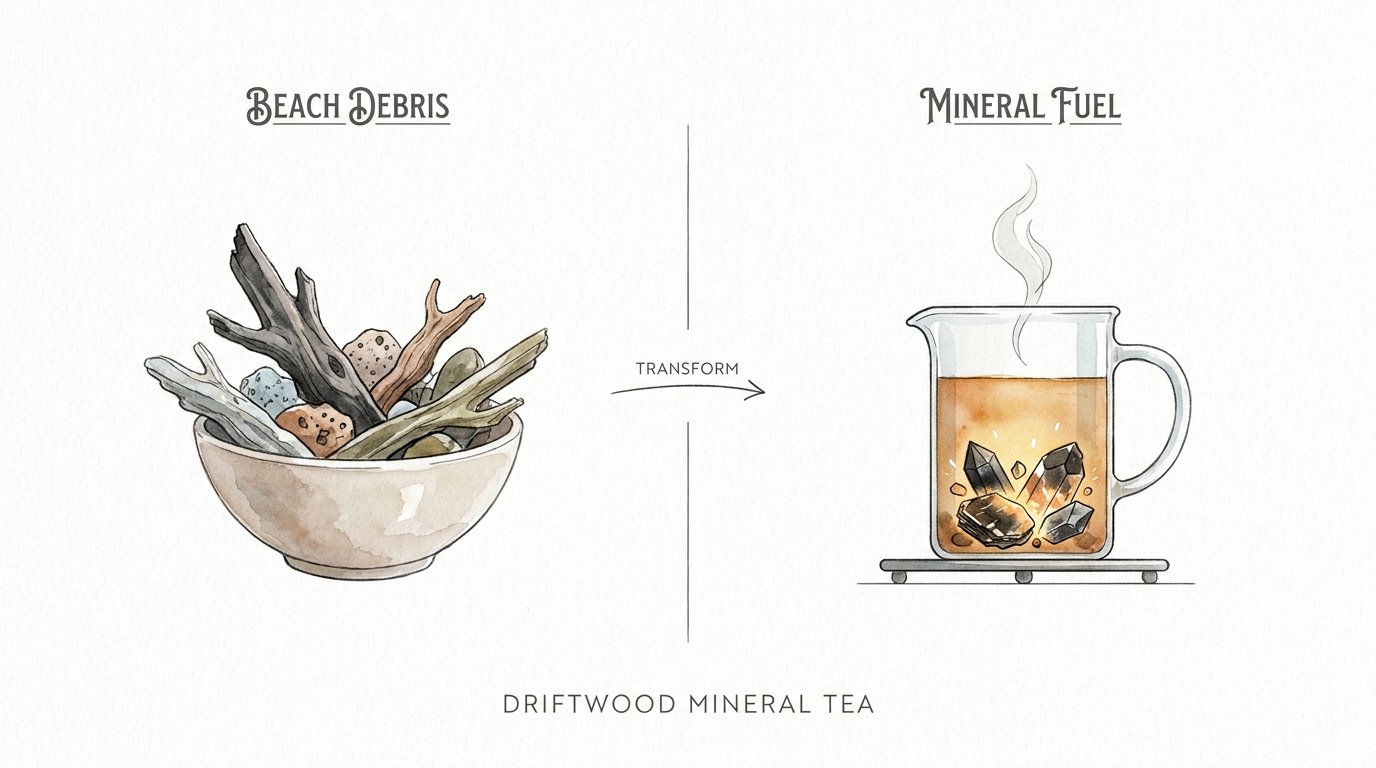
Comparison: Beach Debris vs. Mineral Fuel
Understanding the difference between raw debris and processed fuel is key to success.
| Feature | Raw Beach Debris | Processed Mineral Fuel |
|---|---|---|
| Salt Content | Extremely High (Dangerous) | Balanced & Diluted (Safe) |
| Mineral Bioavailability | Locked in Wood Fibers | Chelated in Liquid Form |
| Pathogen Risk | High (Live Organisms) | Low (Leached & Settled) |
| Application Method | Slow Decay (Years) | Immediate Uptake (Days) |
| Soil Impact | Potential Salination | Increased Conductivity |
Practical Tips and Best Practices
Dilution is the golden rule of application. Never pour pure driftwood tea directly onto young seedlings. A safe ratio is one part mineral tea to ten parts fresh water. This “weak tea” ensures you are delivering minerals without the risk of salt-burn. If you notice the tips of your leaves turning brown after application, increase the dilution ratio immediately.
Targeting specific crops can yield the best results. Asparagus, beets, and brassicas like kale and broccoli are naturally salt-tolerant and thrive on the minerals found in sea-tea. These plants evolved near coastal regions and have the biological machinery to handle the unique chemistry of marine-derived amendments.
Timing your application helps maximize the “sea-salt spark.” Apply the tea in the early spring as the soil is waking up, or in the mid-summer when plants are in their heaviest production phase. Morning application is best, as it allows the liquid to soak deep into the root zone before the heat of the sun evaporates the water.
Advanced Considerations
Fermenting the tea can unlock even more potential. Adding a handful of high-quality compost or a splash of unsulphured molasses to your driftwood vat introduces beneficial microbes. These organisms will feed on the wood sugars and tannins, creating a “living” mineral tea that is packed with both elements and life.
Biochar integration offers a way to extend the benefits. Soaking biochar in driftwood tea before adding it to your garden allows the char to “charge” its pores with marine minerals. Since biochar is a permanent soil amendment, this ensures that the sea-minerals stay in your root zone for years rather than leaching away during the first heavy rain.
Temperature affects extraction rates significantly. While cold-brewing is the traditional method, using hot water for the initial soak can speed up the release of tannins. Some practitioners use a “solar brewing” method, placing their clear vats in direct sunlight to naturally heat the water and accelerate the chemical breakdown of the wood’s surface layers.
Example Scenario: Reviving a Stagnant Bed
Imagine a garden bed that has been used for five years without a break. Despite regular composting, the tomatoes are small, the leaves are pale, and the flavor is lacking. This is a classic sign of mineral exhaustion. The “big three” nutrients are present, but the trace elements have been mined out of the soil by successive harvests.
A gardener collects three medium logs of salt-cured oak from a remote shore. These logs are scrubbed and placed in a drum of rainwater for three weeks. The resulting dark amber liquid is diluted at a 1:10 ratio and used to drench the soil around the tomato plants once a week for a month.
Within two weeks, the foliage deepens in color as the magnesium aids in chlorophyll production. By harvest time, the fruit is noticeably heavier and has a “brighter” flavor profile. This transformation wasn’t due to more nitrogen; it was the result of re-establishing the soil’s mineral balance and electrical conductivity.
Final Thoughts
Nature provides everything required for a thriving garden; we simply have to learn how to harvest it. Driftwood is not just a remnant of a fallen tree; it is a bridge between the vast mineral wealth of the ocean and the humble needs of your garden soil. Utilizing these salt-cured timbers allows you to bypass the synthetic cycle and return to a method that is as old as the coastline itself.
Experimenting with different wood types and soaking durations will help you find the perfect brew for your local climate. Every piece of wood has a different story to tell and a different mineral profile to offer. Treat your soil as a living organism, and it will reward you with resilience and abundance that no chemical bag can replicate.
The next time you walk the shore, look past the aesthetic beauty of the silvered wood. See the concentrated energy waiting to be unlocked. Your garden is waiting for its first taste of the sea, and the ocean is more than happy to provide the fuel.
Sources
1 youtube.com (https://www.youtube.com/watch?v=tYAB6kTKx4I) | 2 envirolink.govt.nz (https://www.envirolink.govt.nz/assets/Envirolink/2413-GSDC174-Combustion-of-LWD-immersed-in-seawater.pdf) | 3 liveaquaria.com (https://www.liveaquaria.com/blogs/freshwater-planted-aquariums/freshwater-planted-aquarium-set-up-adding-driftwood-to-your-aquarium) | 4 tnnursery.net (https://tnnursery.net/blogs/garden-blog/driftwood-has-many-uses) | 5 swelluk.com (https://www.swelluk.com/help-guides/driftwood-for-aquariums/) | 6 reddit.com (https://www.reddit.com/r/Vivarium/comments/1kjq3dx/desalination_of_driftwood_found_on_the_beach_for/) | 7 thcfarmer.com (https://www.thcfarmer.com/threads/diy-botanical-teas-homeade-organic-fertilizers.72046/)