Living Driftwood Shelf Diy
Is your furniture a graveyard for dust, or a sanctuary for life? Modern furniture is designed to be sterile, static, and ultimately, dead. It collects dust and adds nothing to your home’s air quality. But driftwood isn’t just wood; it’s a porous, mineral-rich landscape. When you build a shelf from the ocean’s bones, you aren’t just adding storage—you’re creating a vertical ecosystem. Learn how to use the natural humidity-wicking properties of salt-cured timber to host air plants and moss right on your walls.
[affiai]Most people view furniture as a finished product—something to be bought, assembled, and then slowly watched as it fades or breaks. This perspective treats the home like a museum of plastic and compressed sawdust. However, a living driftwood shelf represents a different philosophy. It is an honest piece of the wild brought indoors to serve a function while continuing its journey as a biological host.
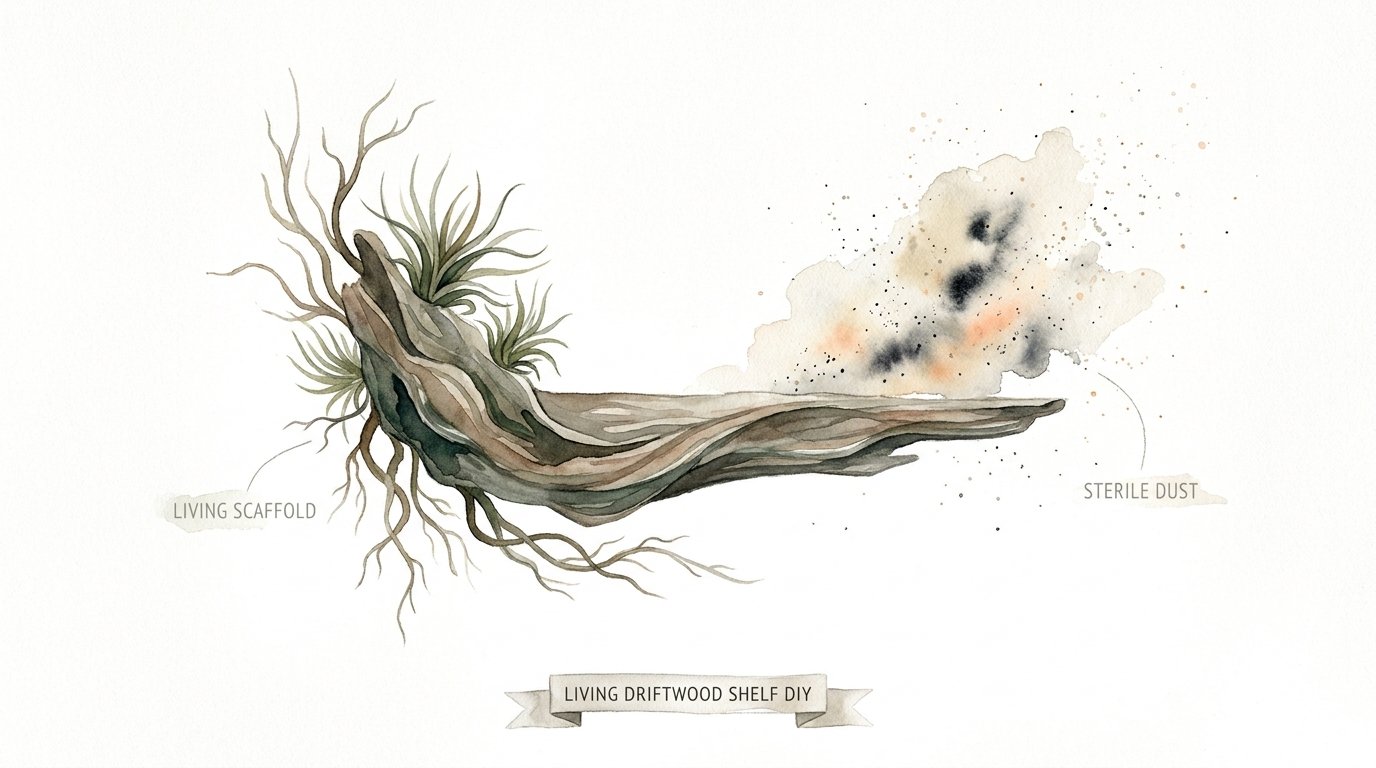
The rugged, weathered nature of driftwood tells a story of survival against the elements. When we integrate living epiphytes like air plants (Tillandsia) and hardy mosses into these shelves, we transition from holding “sterile dust” to maintaining a “living scaffold.” This project isn’t just about aesthetics; it is about creating a functional micro-habitat that breathes with you.
In this guide, we will explore how to source, prep, and build a shelf that does more than just hold your books. You will learn to work with the unique properties of tide-washed timber, ensuring your wall-mounted ecosystem thrives for years to come. This is pioneer-grit craftsmanship for the modern home.
Living Driftwood Shelf Diy
A Living Driftwood Shelf DIY project involves transforming a piece of reclaimed, water-weathered wood into a functional wall-mounted unit that supports both inanimate objects and living greenery. Unlike traditional shelving, this design utilizes the wood’s natural nooks, crannies, and hygroscopic properties to anchor plants that do not require soil.
In the real world, this concept finds its roots in biophilic design—the practice of connecting people with nature within the built environment. These shelves are often used in bathrooms where humidity is high, or in bright living rooms as focal pieces. They provide a “vertical garden” solution for small spaces where floor-bound pots aren’t practical.
Imagine a sturdy piece of cedar or oak that has spent years being tumbled by ocean currents. The salt has cured the wood, making it resistant to rot, while the water has stripped away the softest fibers, leaving a dense, mineral-rich core. By mounting this to your wall, you aren’t just installing a shelf; you are installing a piece of coastal history that acts as a moisture-wicking foundation for air-purifying plants.
How to Source and Prepare Your Living Scaffold
The first step in any driftwood project is finding the right piece of wood. Ethical beachcombing is the standard here. You want a piece that is at least one inch thick at its thinnest point to ensure structural integrity. Avoid wood that feels “squishy” or crumbles under thumb pressure, as this indicates advanced decay that won’t hold a mounting bracket.
Once you have your wood, you must clean it. Natural driftwood often harbors salt, tannins, and hitchhiking organisms that can harm your indoor air plants or your walls. Start by power washing or vigorously scrubbing the surface with a stiff brush to remove sand and loose fibers. Many artisans recommend a “curing” process: soak the wood in distilled water for one to two weeks, changing the water whenever it turns the color of tea. This leaches out the excess salt that might otherwise dehydrate your plants.
To ensure the wood is sterile for indoor use, you can soak it in a mild bleach solution (2 teaspoons per gallon) for 12 to 24 hours. Alternatively, if the piece is small enough, you can boil it for two hours. After soaking, let the wood dry completely in a well-ventilated area. If you are in a hurry, you can dry it in an oven at 200°F for a few hours, though you must monitor it closely to prevent cracking or scorching.
Drilling the wood requires a steady hand. Because driftwood is often harder on the outside but potentially brittle on the inside, use a spade bit or a hole saw to create “plant pockets” or mounting holes. Go slowly. If you are creating a floating shelf, you will likely need to chisel out a small section on the back to accommodate the mounting brackets so the shelf sits flush against the drywall.
The Physics of the Living System
Air plants, specifically Tillandsia, are the perfect partners for driftwood. They are epiphytes, meaning they grow on other plants or structures for support without being parasitic. They absorb water and nutrients through specialized cells on their leaves called trichomes, rather than through roots. The driftwood provides the perfect textured surface for their anchoring roots to grip onto over time.
The wood itself is hygroscopic. This means it naturally absorbs and releases moisture based on the relative humidity of the room. When you mist your air plants, the porous wood captures some of that excess moisture and slowly releases it, creating a localized micro-zone of higher humidity that helps the plants survive between waterings. This symbiotic relationship is why plants often thrive better on natural wood than on plastic or metal stands.
Adding moss to the crevices further enhances this system. Living moss acts like a natural sponge. By tucking sheet moss or cushion moss into the deep grooves of the driftwood, you create a moisture reservoir. This setup effectively mimics the conditions of a rainforest or a foggy coastline, providing the “living scaffold” with the hydration it needs to stay vibrant and green.
Benefits of a Living Driftwood System
The primary benefit of a living driftwood shelf is the improvement of indoor air quality. Air plants are known to filter certain airborne toxins, and the addition of live moss can help regulate room humidity. Beyond the science, there is a measurable psychological benefit to biophilic elements; having a piece of the living world at eye level reduces stress and increases focus.
From a maintenance perspective, these shelves are far more forgiving than traditional potted plants. There is no soil to spill, no drainage holes to leak onto your floor, and no risk of root rot from overwatering in a pot. You simply mist the shelf once or twice a week, and the driftwood manages the rest. This makes it an ideal solution for those who want greenery but lack the “green thumb” for complex gardening.
Aesthetically, no two driftwood shelves are alike. You are creating a one-of-a-kind functional art piece. The silvered patina of salt-cured wood provides a neutral, rustic backdrop that makes the vibrant greens of the air plants pop. It is a design choice that works equally well in a minimalist modern loft as it does in a rugged mountain cabin.
Challenges and Common Mistakes
One of the most frequent errors is failing to leach the salt out of ocean-sourced driftwood. While salt preserves the wood, it is toxic to most air plants in high concentrations. If you see white, crusty spots appearing on the wood after a few weeks, that’s salt. It will “wick” moisture away from the plant’s base, essentially “burning” the delicate leaves. Always soak your wood thoroughly in fresh water before planting.
Another mistake is the use of copper wire to secure plants. Copper is highly toxic to air plants and will kill them quickly. Always use aluminum wire, stainless steel, or clear fishing line to tie your plants to the wood. If you prefer adhesive, use a waterproof, non-toxic glue like E6000. Never use hot glue, as the heat can damage the plant’s base, and the glue often fails when it gets wet during misting.
Structural failure is also a risk if the wood is too “punky” or soft. Always test the density of the wood where the mounting hardware will be attached. If the wood feels light like balsa or crumbles when you drill it, it is not safe for a shelf. You can reinforce soft spots with wood hardener, but it’s often better to find a sturdier specimen from the start.
Limitations and Environmental Constraints
A living driftwood shelf is not suitable for every room. These systems require bright, indirect light. If you place the shelf in a dark hallway or a windowless basement, the air plants will eventually stretch, turn brown, and die. Similarly, they should not be placed directly in front of an air conditioning vent or a heater, as the forced air will dry out the plants and the wood too rapidly for the hygroscopic wicking to keep up.
Weight distribution is another constraint. Driftwood is often irregularly shaped. If you plan to use it as a traditional bookshelf, you must ensure the mounting brackets are anchored into wall studs. A piece of waterlogged or heavy-timber driftwood can easily pull out of drywall if only secured with plastic anchors. Always calculate the weight of the wood plus the items you intend to place on it before choosing your hardware.
Moisture sensitivity of your walls is a final consideration. Since you will be misting the plants directly on the shelf, the wall behind it will be exposed to water droplets. Over time, this can lead to peeling paint or mold on the drywall. To mitigate this, you should either apply a waterproof sealant to the back of the shelf or install a small clear acrylic “splash guard” between the shelf and the wall.
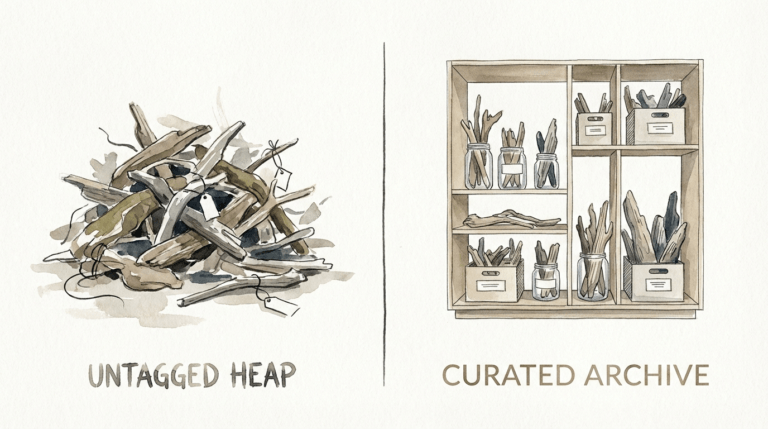
Comparison: Sterile Dust vs. Living Scaffold
| Feature | Standard Particle Board Shelf | Living Driftwood Shelf |
|---|---|---|
| Material Integrity | Glued sawdust, prone to sagging. | Salt-cured hardwood, high density. |
| Air Interaction | Static; collects dust and allergens. | Dynamic; plants filter toxins. |
| Moisture Control | Damaged by water; swells and peels. | Hygroscopic; regulates humidity. |
| Longevity | Temporary; eventually ends in a landfill. | Permanent; grows and changes over time. |
| Maintenance | Frequent dusting required. | Weekly misting required. |
Practical Tips and Best Practices
When mounting your air plants, think about their natural orientation. In the wild, many Tillandsia grow sideways or upside down on tree branches to prevent water from pooling in their “cups” (the center of the plant), which can lead to rot. Mimic this on your shelf by angling the plant pockets slightly outward or downward.
Use fishing line for a nearly invisible mount. Wrap the line securely around the base of the plant and then through a small hole drilled in the wood. This allows you to remove the plant for a deep “soak” once a month—a practice that helps air plants stay hydrated better than misting alone. If the plant is permanently glued, you lose this flexibility.
For the moss, use a mix of live and preserved varieties. Live moss provides the biological benefits, while preserved moss (which is real moss that has been treated with glycerin) keeps the shelf looking lush even if you forget to mist it for a few days. Tucking the live moss into the deepest, darkest crevices of the driftwood will help it stay moist longer.
Advanced Considerations for the Serious Builder
Serious practitioners may want to integrate a passive misting system. By drilling a small channel through the back of the driftwood and running a thin capillary tube connected to a hidden reservoir, you can automate the hydration of your moss. This ensures the ecosystem remains stable even during vacations or dry winter months.
Lighting can also be upgraded. Integrating small, high-CRI LED “puck” lights into the underside of the shelf above your driftwood piece can provide the specific light spectrum air plants need to bloom. Many air plants turn brilliant shades of red or purple when they are about to flower, and proper lighting is the key to triggering this stunning display.
Finally, consider the chemical finish. While raw driftwood is beautiful, it can be “thirsty.” Applying a thin coat of natural linseed oil or beeswax to the areas where you will place books or objects—while leaving the plant-hosting crevices raw—protects the wood from staining while allowing the biological sections to remain porous. This “zonal finishing” is a hallmark of high-end rustic furniture design.
Example Scenario: The Bathroom Ecosystem
Consider a narrow, 24-inch piece of sun-bleached cedar found on a Pacific Northwest beach. After being boiled and dried, it is mounted in a bathroom using black iron pipe brackets for an industrial-rustic look. Two large Tillandsia xerographica are wired into the naturally occurring “hooks” at the ends of the wood.
The center of the wood has a deep fissure that is packed with living sheet moss. Because the bathroom creates steam daily from the shower, the driftwood stays in a state of high equilibrium moisture content. The air plants rarely need additional misting, and the moss remains a deep, vibrant green. This shelf holds the owner’s glass jars of cotton swabs and sea salt scrubs, turning a mundane storage area into a thriving coastal micro-habitat.
Final Thoughts
Building a living driftwood shelf is a rejection of the “sterile dust” philosophy of modern home decor. It is an acknowledgment that our living spaces should be as dynamic and resourceful as the natural world. By combining the structural strength of weathered timber with the biological resilience of air plants and moss, you create a piece of furniture that is actually alive.
This project rewards the patient craftsman. From the initial search on the beach to the weekly ritual of misting your plants, it forces a slower, more intentional connection with your environment. It is a functional scaffold that supports not just your belongings, but the very air you breathe.
Do not be afraid of the wood’s imperfections. Every crack and silvered grain is a feature, not a bug. As you hang your first piece of living driftwood, remember that you are doing more than decorating a wall—you are stewardshiping a small, vertical ecosystem that will grow and change alongside you.
Sources
1 craftorganic.com (https://craftorganic.com/flora/gnarly-wooded-air-plants/) | 2 hawk-hill.com (https://www.hawk-hill.com/diy-floating-driftwood-shelf/) | 3 wikihow.com (https://www.wikihow.com/Clean-Driftwood) | 4 dksstores.com (https://dksstores.com/blog-post49) | 5 hawk-hill.com (https://www.hawk-hill.com/how-to-clean-driftwood/) | 6 youtube.com (https://www.youtube.com/watch?v=ggDsw1nQDQ8) | 7 oregonstate.edu (https://extension.oregonstate.edu/catalog/em-8600-wood-moisture-relationships) | 8 irg-wp.com (https://www.irg-wp.com/woodmoisture.html) | 9 swst.org (https://wfs.swst.org/index.php/wfs/article/download/259/259/0) | 10 aprettyfix.com (https://aprettyfix.com/disinfect-driftwood/) | 11 youtube.com (https://www.youtube.com/watch?v=f_nby7vRWuw) | 12 air-plants.com (https://www.air-plants.com/blogs/air-plant-care-and-design-articles/mounting) | 13 mosslab.com (https://shop.mosslab.com/blogs/tips-guides/how-to-create-and-care-for-an-indoor-moss-garden) | 14 mossamigos.com (https://mossamigos.com/blogs/moss-community/top-moss-terrarium-plants)