Multi-functional Driftwood Nautical Decor
If your decor isn’t working for you, it’s just taking up space you don’t have. In a small home, every inch counts. Why waste space on a ‘pretty’ object that does nothing? By selecting driftwood with natural hollows and sturdy branches, your sailboat decor becomes a vertical organizer, a botanical sanctuary, and a sensory engine. Don’t just decorate—integrate. Turn your maritime passion into a household powerhouse.
[affiai]Finding a piece of the ocean and bringing it home is a tradition as old as seafaring itself. For many, a piece of driftwood is a souvenir of a quiet morning on the beach or a reminder of the power of the tides. However, in modern interior design, a simple sculpture is often viewed as a “dust collector.” This is especially true for those living in urban apartments or tiny homes where every surface must justify its existence. Shifting your perspective from “object” to “engine” allows you to create a living station that serves your daily needs while maintaining that rugged, nautical aesthetic.
Multi-functional Driftwood Nautical Decor
Multi-functional driftwood nautical decor refers to handcrafted items made from sea-weathered wood that serve more than one purpose in a home environment. While traditional nautical decor might consist of a static model ship or a framed knot board, multi-functional pieces are engineered to act as tools. A driftwood sailboat, for instance, isn’t just a representation of a vessel; it is a structural framework designed to hold air plants, organize jewelry, or even diffuse essential oils.
The core of this concept lies in the intersection of organic form and practical utility. Driftwood has already been tested by the elements. It has survived salt, sand, and sun, leaving behind a dense, character-filled skeleton. This makes it an ideal material for functional art. In real-world situations, these pieces are used to bring “softness” to modern, high-tech environments or to provide a sense of history in a newly built home. They act as bridges between the wild, unpredictable ocean and the structured, safe interior of a house.
Integrating these pieces into your home provides a sense of “pioneer grit.” It shows a commitment to sustainability and a rejection of mass-produced plastic clutter. Instead of buying a generic plastic organizer, you are choosing a piece of timber that has traveled thousands of miles. This adds a layer of narrative and soul to your living space that a store-bought item simply cannot match.
Construction and Functional Engineering
Building a functional driftwood sailboat requires a balance of artistic vision and mechanical stability. You cannot simply glue two sticks together and expect them to hold the weight of keys or a flourishing air plant. The process starts with selecting the “hull”—a piece of wood that is heavy and flat on the bottom.
To begin, you must thoroughly clean your found wood. Natural driftwood is often home to salt, sand, and microscopic organisms. Submerge the wood in a solution of one part bleach to nine parts water for at least 24 hours. This sanitizes the wood and helps to lighten the color, giving it that classic sun-bleached look. After soaking, scrub the crevices with a soft-bristled brush to remove any remaining grit. Allow the piece to dry in direct sunlight for another 48 hours to ensure no moisture remains trapped in the core.
Once dry, you can begin the transformation. Use a power drill to create a “stepping” hole for the mast. This hole should be slightly smaller than the diameter of your mast stick to ensure a friction fit. Apply a generous amount of waterproof wood glue or a high-strength epoxy like E6000 into the hole before inserting the mast. For the “sails,” consider using heavy-duty canvas or vintage linen. These materials are durable and can support the attachment of small hooks or clips if you intend to use the sailboat as an organizer.
Rigging is where the “multi-functional” aspect truly shines. Instead of using thin thread, use sturdy jute twine or copper wire. String the rigging through small eyelet screws driven into the hull and mast. These lines can then serve as a vertical display for photos, memos, or even hanging herbs. If your goal is a botanical sanctuary, look for driftwood with natural “pockets” or hollows. These can be used as nesting spots for air plants like *Tillandsia ionantha* or *Tillandsia bulbosa*. These plants don’t require soil and thrive when nestled against the textured surface of the wood.
Benefits of a Living Nautical Station
Choosing a functional piece over a purely decorative one offers several measurable advantages. The most immediate benefit is the optimization of vertical space. In a small room, table surfaces are at a premium. A driftwood sailboat with tall masts and intricate rigging allows you to move your clutter—or your greenery—upwards, freeing up the “footprint” of the furniture.
From a psychological perspective, these pieces serve as sensory engines. The texture of weathered wood provides a tactile experience that smooth, synthetic surfaces lack. Furthermore, if you leave a portion of the wood unsealed, it can act as a natural passive diffuser. Applying a few drops of cedarwood or ocean-breeze essential oil to the porous surface of the driftwood allows the scent to slowly release into the room throughout the day. This creates an immersive environment that engages sight, touch, and smell.
Sustainability is another key advantage. By repurposing materials found in nature, you are reducing the demand for new manufacturing. This “found-object” philosophy aligns with a minimalist lifestyle, focusing on quality and history rather than quantity. A well-constructed driftwood piece can last for decades, becoming a family heirloom that tells a story of the sea and the home.
Challenges and Common Mistakes
Working with driftwood presents unique challenges that you won’t encounter with store-bought lumber. One of the most common mistakes is failing to properly dry the wood. If any internal moisture remains when you apply a sealer or glue, the wood may rot from the inside out, or the glue may fail. Patience is your best tool during the drying phase.
Another pitfall is over-decorating. It is tempting to add shells, netting, and anchors to every available surface. However, this often leads to a “theme-restaurant” look that lacks the grit and authenticity of true nautical design. Let the wood speak for itself. Use functional elements like brass hooks or copper wire as your primary accents. These materials will age and patina over time, enhancing the rugged feel of the piece.
Stability is a frequent issue with tall sailboat designs. If the hull is too light, the weight of the mast and sails will cause the piece to tip. You can solve this by “ballasting” your boat. Drill small holes in the bottom of the hull and fill them with lead weights or heavy epoxy before sealing. This lowers the center of gravity and ensures your vertical organizer stays upright even when fully loaded.
Limitations and Environmental Constraints
While driftwood is a beautiful and versatile material, it has its limits. It is not suitable for holding heavy loads. If you are looking for a bookshelf or a heavy-duty tool rack, driftwood may be too brittle. The salt and water that shaped the wood also weakened its cellular structure over time. Always test the weight-bearing capacity of your masts and rigging before hanging anything valuable.
Legal and ethical constraints are also a factor. In many parts of the world, removing driftwood from beaches is restricted. Coastal ecosystems rely on “large woody debris” to provide habitat for insects, birds, and small mammals. It also helps to prevent beach erosion by trapping sand. Before you head out to collect, check your local regulations. For example, in many National Parks, it is illegal to remove any natural material. Stick to public lands where collection is permitted, and never take more than you need.
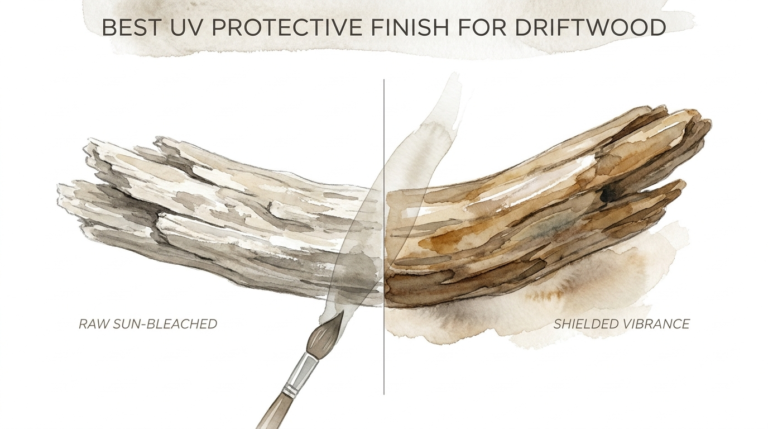
Environmental conditions inside your home can also affect the longevity of the piece. Driftwood is highly sensitive to changes in humidity. In a very dry home, the wood may crack or splinter. Conversely, in a very humid bathroom, it could potentially develop mold if it wasn’t properly sanitized. Regular maintenance, such as a light oiling with linseed oil, can help protect the wood from these extremes.
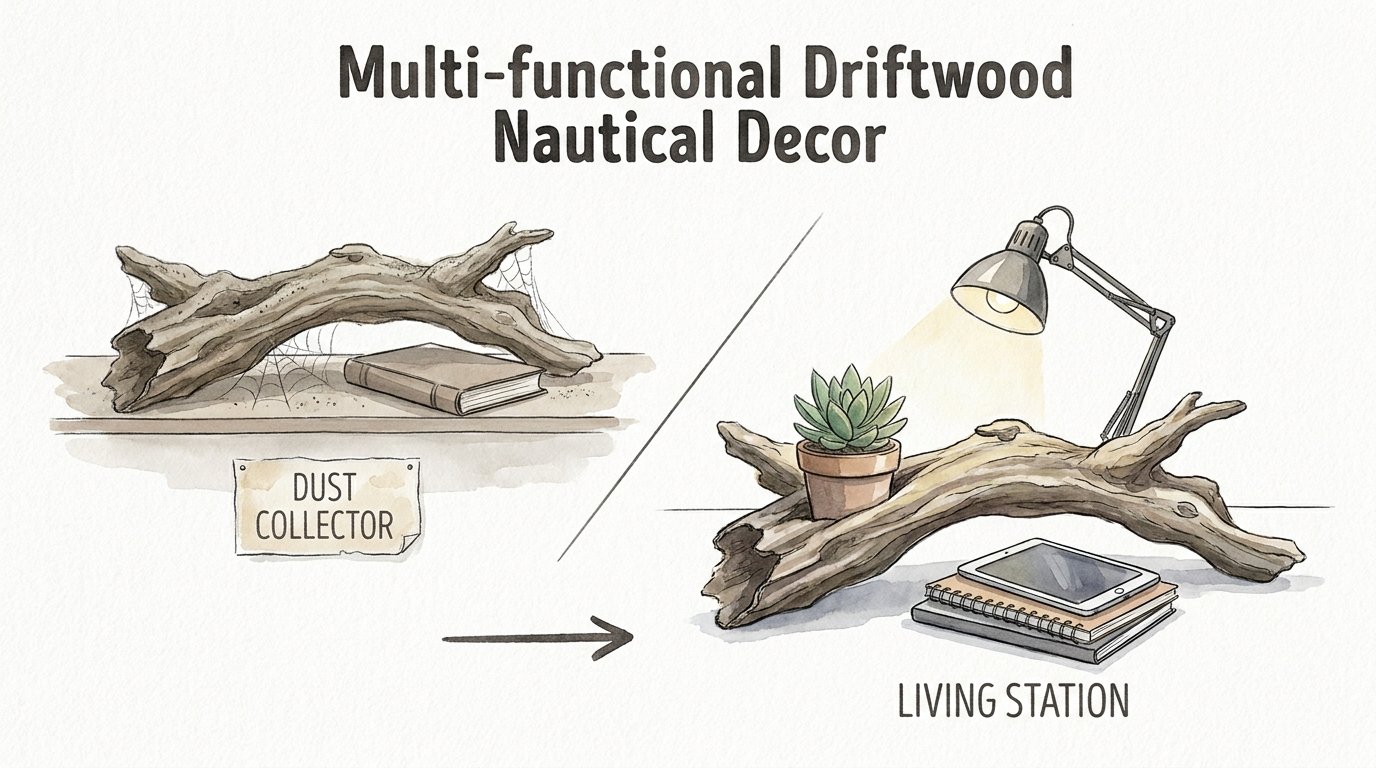
Comparison: DUST COLLECTOR vs LIVING STATION
Understanding the difference between a traditional decorative item and a functional “living station” helps in making better design choices for your home.
| Feature | Traditional Decor (Dust Collector) | Multi-functional Station (Living) |
|---|---|---|
| Primary Purpose | Aesthetic appeal only. | Utility + Aesthetic (Storage, Plant Support). |
| Space Efficiency | Takes up footprint on a shelf. | Utilizes vertical space for organization. |
| Maintenance | Periodic dusting. | Active interaction (Plant care, oiling). |
| Longevity | High, but often becomes “clutter.” | High, evolves with your needs. |
| Sensory Input | Visual only. | Visual, Tactile, and Olfactory. |
Practical Tips for Implementation
If you are ready to start your project, focus on the details that make a piece truly useful. When selecting air plants, choose varieties that match your light levels. *Tillandsia tectorum*, with its fuzzy white leaves, is excellent for bright, sunny spots and adds a beautiful snowy texture to your “sails.” For lower light areas, the deep green *Tillandsia bulbosa* is a better choice.
To increase the utility of your sailboat, integrate hidden magnets. You can drill small recesses into the hull and glue in neodymium magnets. This allows the sailboat to serve as a sleek “dock” for your keys or metal tools without the need for visible hooks. It keeps the lines clean and preserves the natural look of the wood.
Use high-quality rigging materials. While cotton twine looks traditional, it can rot or stretch over time if it gets wet during plant misting. Consider using thin paracord or coated stainless steel wire for a “modern maritime” look. These materials provide the tension needed to support heavier items like hanging jewelry or small lanterns.
Advanced Considerations for the Serious Builder
For those looking to take this craft further, consider the species of wood you are using. Dense hardwoods like Manzanita or Cedar are superior for structural pieces. They are naturally resistant to rot and have a more intricate grain pattern. Softwoods like Pine or Poplar are easier to work with but won’t last as long in high-humidity environments.
You can also experiment with “electro-culture” by using copper wire for your rigging. Some practitioners believe that copper wire coils can help stimulate the growth of air plants by interacting with atmospheric electricity. While the science is debated, the aesthetic of bright copper against weathered grey wood is undeniably striking and fits the “high-tech maritime” vibe.
Scaling is another factor. A single small sailboat is a nice accent, but a “fleet” of varying sizes can create a comprehensive organization system. Use a large vessel as a central hub for mail and keys, while smaller “skiffs” handle individual air plants or spices in the kitchen. This creates a cohesive narrative throughout your home.
Scenario: The Desktop Retreat
Imagine a small home office. The desk is cluttered with pens, notes, and a charging phone. In the corner sits a 15-inch driftwood sailboat. The “hull” has a wide, flat top where the phone rests. The mast is rigged with jute twine, and small wooden clothespins hold “to-do” lists and a photo of a family trip to the coast.
Tucked into a natural knot in the hull is a vibrant *Tillandsia ionantha* that turns bright red when it’s about to bloom. Every morning, you apply a drop of peppermint oil to the base of the mast. As you work, the scent keeps you alert, and the sight of the mini-vessel provides a momentary mental escape to the shoreline. This is not just a piece of wood; it is a tool for productivity and mental well-being.
In the kitchen, a similar piece might hold a collection of frequently used herbs. Small glass vials can be lashed to the mast using the rigging, keeping dried oregano or sea salt within arm’s reach. The salt-weathered wood is a natural fit for a culinary environment, reminding you that the best ingredients—like the best decor—often come from the earth and the sea.
Final Thoughts
The transition from decorative clutter to functional art is a hallmark of a thoughtful home. Multi-functional driftwood decor allows you to keep your connection to the ocean while ensuring your living space remains organized and productive. By applying a bit of “pioneer grit” to your DIY projects, you can create pieces that are as sturdy as they are beautiful.
Remember that the best pieces are those that grow with you. Whether you are adding a new air plant to your “botanical sanctuary” or re-rigging your sailboat to hold a new set of keys, these objects are living parts of your environment. They require care, attention, and a bit of maritime spirit.
Don’t be afraid to experiment with different forms and functions. The ocean never makes the same piece of driftwood twice, and your home shouldn’t be a carbon copy of a catalog. Build something that serves your needs, tells your story, and honors the rugged beauty of the natural world. Your home will be better for it.
Sources
1 diydriftwood.com (https://diydriftwood.com/make-a-driftwood-sailboat/) | 2 mindfulhues.com (https://mindfulhues.com/nautical-home-decor-ideas/) | 3 rockymountainhardware.com (https://www.rockymountainhardware.com/nautical-interior-design-ideas/) | 4 gcwmultimedia.com (https://www.gcwmultimedia.com/diy-driftwood-sailboat/) | 5 youtube.com (https://www.youtube.com/watch?v=E9J1toz-0yw) | 6 homify.co.uk (https://www.homify.co.uk/diy/12998/5-things-used-to-preserve-driftwood-and-make-it-home-decor) | 7 wikihow.com (https://www.wikihow.com/Preserve-Driftwood) | 8 parklanejewelry.com (https://www2.parklanejewelry.com/how-to-wash-driftwood/) | 9 whitegunpowder.com (http://whitegunpowder.com/diy-driftwood-sailboats/) | 10 celebrateanddecorate.com (https://celebrateanddecorate.com/make-a-driftwood-sailboat/) | 11 theshrimpfarm.com (https://www.theshrimpfarm.com/posts/transform-your-tank-choosing-the-best-aquarium-driftwood-for-a-natural-aquascape/) | 12 dksstores.com (https://dksstores.com/blog-post67) | 13 hawk-hill.com (https://www.hawk-hill.com/how-to-clean-driftwood/) | 14 tukadubai.com (https://www.tukadubai.com/transform-your-space-with-nautical-decor-tips-and-ideas/) | 15 kauaiseascapesnursery.com (https://www.kauaiseascapesnursery.com/blogindex/time-for-tillandsias-wx74r-hnjer-ng6e3-7px46) | 16 bunnycart.com (https://www.bunnycart.com/blog/driftwood-everything-you-need-to-know/) | 17 airplantshop.com (https://airplantshop.com/blogs/designing-with-air-plants/small-air-plants-top-picks) | 18 kunstloft.com (https://www.kunstloft.com/magazine/maritime-decorating-ideas-coastal-look/)