Natural Driftwood Centerpiece Diy
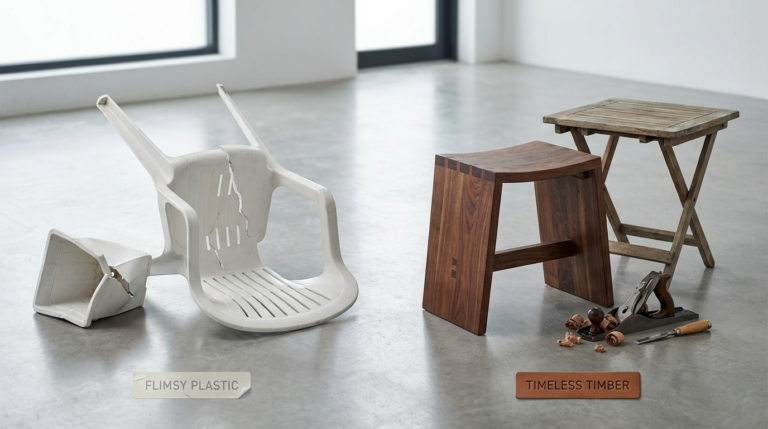
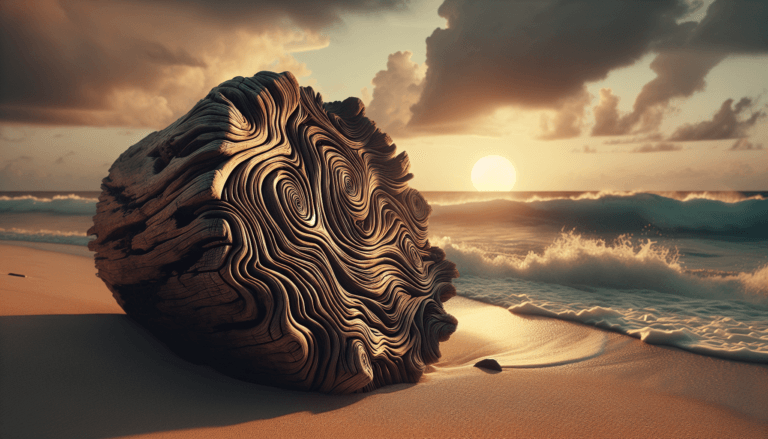
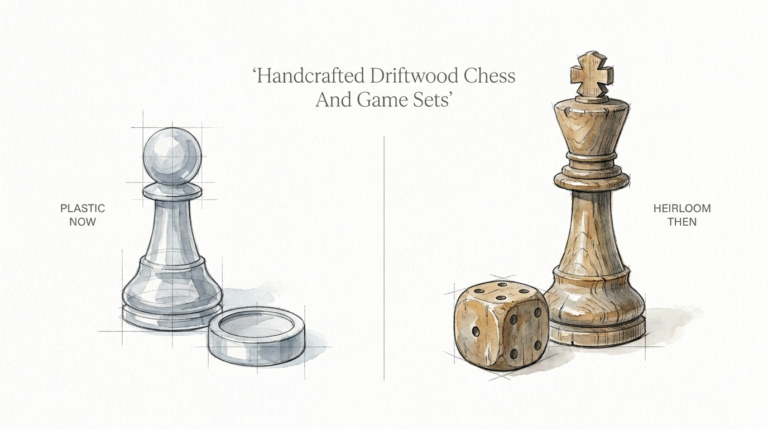
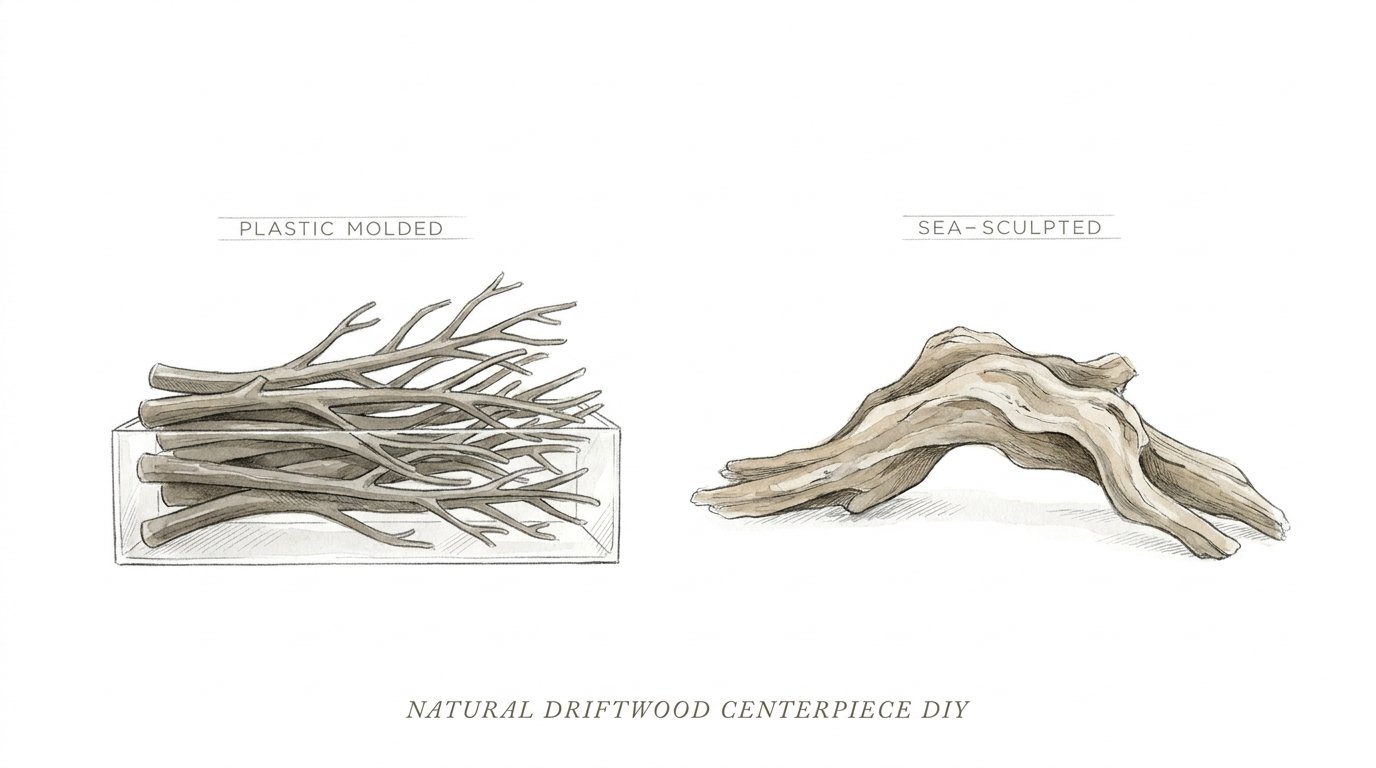
Why settle for a factory-made imitation of the forest when the ocean has already spent twenty years carving the real thing for you? Synthetic decor off-gasses chemicals and feels hollow. Real driftwood has been tempered by the Pacific, cured by the sun, and sculpted by the tides. It brings an elemental energy to your home that no plastic mold can replicate.
[affiai]Working with driftwood is more than just a craft; it is an exercise in patience and an appreciation for the slow, relentless power of nature. You are not just making a decoration. You are preserving a piece of history that has traveled miles through river currents and salt spray. Whether you are looking to ground a dining room table with a rustic anchor or add a bit of pioneer-grit to a modern workspace, a centerpiece made from found wood is the ultimate statement of authenticity.
Natural Driftwood Centerpiece Diy
A natural driftwood centerpiece is a decorative arrangement featuring wood that has been washed onto a shore or beach of a sea, lake, or river by the action of winds, tides, or waves. In the world of interior design, it represents the intersection of organic chaos and intentional curation. Unlike standard lumber, which is milled to uniform perfection, driftwood is defined by its scars, knots, and weathered texture.
These pieces exist as remnants of trees that have been uprooted, stripped of their bark, and smoothed by abrasive sands and water. People use these centerpieces in various real-world situations, ranging from coastal-themed weddings to minimalist coffee table accents. For instance, a long, gnarled branch might serve as the base for a line of tea lights, while a thicker, more stable chunk of wood could be hollowed out to house a miniature garden of succulents.
The concept matters because it reconnects a living space with the outdoors. In a world dominated by mass-produced items, a piece of wood found on a specific beach in Washington or a riverbank in the Kootenays carries a story. It serves as a visual anchor that draws the eye and sparks conversation, providing a tactile experience that plastic imitations simply cannot match.
The Hunt: Sourcing Your Raw Material
The process begins long before you pick up a drill or a brush. Finding the right piece of wood requires a keen eye and an understanding of the environment. While the temptation to grab every interesting branch is strong, experienced makers know that not all wood is created equal.
You should look for hardwoods whenever possible. Oak, cedar, and manzanita are prized for their density and resistance to rot. Softwoods like pine or fir can be used, but they are more prone to splintering and may have shorter lifespans if they are not treated properly. When you are out on the beach, look for wood that feels heavy for its size—this often indicates a higher density and better structural integrity.
Sourcing also involves a deep respect for the land. Many people assume that if a piece of wood is on the ground, it is fair game. However, legalities vary significantly. In the United States and Canada, driftwood collection is often regulated at the state or provincial level. For example, Oregon allows small amounts of driftwood collection for personal use but prohibits the removal of large logs or the use of mechanized equipment. California has strict limits, often capping personal collection at 50 pounds or one piece per day in state parks. Always check local regulations to ensure your hobby remains sustainable and legal.
Preparing the Wood for Indoor Use
Bringing a piece of the wild into your home requires a thorough cleaning process. Driftwood can harbor salt, sand, tannins, and microscopic organisms that you do not want on your dining table. A proper cleaning ensures the wood is safe, stable, and aesthetically pleasing.
First, you must remove the obvious debris. Use a stiff-bristled brush to knock off dried mud, loose sand, and any remaining bark. An air compressor or a can of compressed air is particularly useful for clearing out deep knots and hollowed-out sections where insects might hide. This initial dry-scrubbing prevents you from turning dirt into mud during the next phase.
The next step is a deep soak to remove tannins and salt. Tannins are organic compounds that give wood its color, but they can leach out over time, staining your furniture or turning aquarium water a tea-like brown. Submerge the wood in a large tub of fresh water. For smaller pieces, a bucket or sink works; for larger logs, you might need a dedicated trough or even a bathtub—just be careful of staining the tub. Change the water daily until it remains clear.
To ensure the wood is sterile, many makers use a diluted bleach solution. A ratio of one part bleach to ten parts water is standard. Soak the wood for 30 minutes to a hour, then rinse it thoroughly. If you prefer a more natural approach, a solution of washing soda (sodium carbonate) can also help lighten the wood and pull out deep-seated grime.
Finally, the wood must dry completely. This is the most critical and often the most overlooked part of the process. Forcing the wood to dry too quickly with high heat can cause it to crack or warp. Instead, place it in a well-ventilated area for two to four weeks. If you are in a hurry, you can “bake” smaller pieces in an oven at the lowest possible temperature (around 170°F) for several hours, but keep a close eye on it to prevent scorching.
Step-by-Step: Creating a Succulent Driftwood Centerpiece
One of the most popular ways to utilize these finds is by creating a living centerpiece. Succulents and driftwood are a natural pairing because they both evoke a sense of survival and rugged beauty.
Start by choosing a piece of driftwood that sits naturally flat on a table. Stability is key; if the wood wobbles, you will need to shore it up. You can use furniture sliders or small wooden shims hidden underneath to level the piece. Once the base is steady, identify the natural hollows or cavities where plants can sit.
If the wood lacks natural holes, you will need to create them. Use a power drill with a 2-inch hole saw attachment to bore shallow pits into the wood. Drill slowly, going about two inches deep, and be careful not to go all the way through the bottom. After drilling, use a small chisel or a screwdriver to clean out the hole and remove any wood shards.
Line the cavities to protect the wood from moisture. You can use small pieces of plastic or even thin layers of landscape fabric secured with thumbtacks. Fill the bottom of each hole with a layer of small pebbles to provide drainage. Succulents have very sensitive root systems and will rot if they sit in standing water.
Add a high-quality succulent or cacti potting mix on top of the pebbles. Gently remove your succulents from their nursery pots and tuck them into the cavities. If you are using cuttings, make sure the stems are at least two inches long. Fill any gaps with additional soil and top with sphagnum moss. The moss acts as a decorative “filler” and helps hold the moisture in the soil without letting it seep into the wood fibers.
Benefits of Sea-Sculpted Decor
Choosing natural driftwood over mass-produced resin or plastic decor offers several practical and aesthetic advantages. The primary benefit is the unique character of each piece. No two branches are identical, ensuring that your home decor is truly a one-of-a-kind installation.
From a health perspective, natural wood is far superior to synthetic alternatives. Many plastic-molded decorations are made from petroleum-based resins that can off-gas volatile organic compounds (VOCs) into your living space. Natural wood, when cleaned without harsh chemicals, is inert and safe. It also has natural anti-bacterial properties that develop through years of salt-water exposure.
The tactile quality of real driftwood cannot be ignored. It feels warm to the touch, has a complex grain structure, and possesses a weight that gives it a sense of permanence. In contrast, synthetic pieces often feel light, hollow, and “glassy,” lacking the organic resonance of a material that was once alive.
Furthermore, natural driftwood can actually improve the environment of your home. It can act as a natural humidity buffer, absorbing small amounts of moisture and releasing it back into the air. In aquatic environments, it provides essential tannins and minerals that benefit certain species of fish and plants, creating a more authentic biotope.
Common Mistakes and How to Avoid Them
Even with the best intentions, beginners often run into hurdles when working with found wood. The most common error is failing to dry the wood properly before bringing it indoors. If moisture is trapped deep within the fibers, the wood can develop mold or rot from the inside out, potentially damaging your furniture or creating an unpleasant odor.
Another mistake is neglecting the legal and environmental impact of collection. Taking wood from protected areas can lead to heavy fines and disrupts local ecosystems. Driftwood provides essential habitat for small creatures and helps stabilize shorelines. The best practice is to take only what you need and focus on areas where wood is abundant and collection is explicitly permitted.
Stability is another frequent issue. A gnarled branch might look beautiful, but if it tips over the moment someone bumps the table, it becomes a liability. Always test the balance of your piece before committing to a design. If necessary, use a heavy base plate or hidden weights to ensure the centerpiece stays where you put it.
Finally, many people over-treat the wood. The beauty of driftwood lies in its raw, weathered state. Applying a thick, glossy polyurethane finish can make it look like a piece of cheap plastic. If you must use a finish, opt for something matte and breathable, like a hardwax oil or a simple beeswax polish.
Limitations and Constraints
While driftwood is a versatile material, it does have its limitations. It is not as durable as kiln-dried lumber from a hardware store. Because it has been subjected to the elements for years, it may be brittle or prone to splintering. This makes it unsuitable for structural furniture like chairs or heavy shelving unless it is reinforced with a modern framework.
Environmental conditions can also affect the longevity of your centerpiece. In extremely dry climates, driftwood may continue to lose moisture and develop new cracks. In very humid areas, the porous nature of the wood makes it susceptible to mold if it is not kept in a well-ventilated spot.
There is also the matter of scale. Large, dramatic pieces of driftwood are stunning but can be difficult to source and even harder to transport. If you are working on a small dining table, a massive log will overwhelm the space and interfere with the functionality of the room. Balance and proportion are essential considerations.
Comparison: Real Driftwood vs. Resin Imitations
Understanding the differences between authentic wood and synthetic imitations can help you make the best choice for your project.
| Feature | Natural Driftwood | Resin/Plastic Imitation |
|---|---|---|
| Aesthetic | Unique, organic, varied textures. | Uniform, repetitive, often looks “perfect.” |
| Durability | Good, but can be brittle or rot if wet. | Very high; waterproof and non-decaying. |
| Chemicals | Inert and natural. | May off-gas VOCs or leach toxins. |
| Preparation | Requires extensive cleaning and drying. | Ready to use out of the box. |
| Cost | Free (if foraged) to expensive (if sourced). | Moderate to high retail prices. |
Advanced Finishing and Preservation
For the serious practitioner, the finish is what separates a hobbyist project from a piece of art. While many prefer the raw look, certain environments require a protective coating to preserve the wood and prevent splintering.
Hardwax oils are arguably the best choice for driftwood. These products, often a blend of linseed or tung oil and carnauba wax, soak into the wood fibers while leaving a thin, matte protective layer on the surface. They enhance the grain without adding a “plastic” sheen and allow the wood to breathe. Applying two thin coats, with a light sanding in between, will give the wood a rich, deep finish that feels incredibly smooth to the touch.
If you are creating a centerpiece that will be used in a high-moisture area, such as a bathroom or a patio, you might consider a matte water-based polyurethane. Unlike oil-based poly, the water-based version dries clear and does not yellow over time. It provides a tough, waterproof barrier that is much more durable than oil alone. However, it will subtly change the texture of the wood, making it feel less organic.
Another advanced technique is wood stabilization. This involves placing the wood in a vacuum chamber and forcing a resin into the pores. This turns a soft or rotting piece of driftwood into a rock-hard material that can be polished to a high gloss. While this requires specialized equipment, it is a game-changer for those looking to work with particularly gnarled or “punky” wood that would otherwise fall apart.
Practical Tips for Best Results
When you are ready to begin your project, keep these tips in mind to ensure a professional outcome. Always wear a mask and gloves when cleaning and sanding driftwood; the fine dust and potential mold spores can be irritating to the respiratory system.
If you find a piece of wood that is almost perfect but slightly too long, don’t be afraid to use a handsaw to trim it. After cutting, use a low-grit sandpaper (around 60 or 80 grit) to round off the fresh edges. This will help the new cut blend in with the naturally weathered sections of the wood.
For centerpieces involving candles, safety is paramount. Never place a naked flame directly on the wood. Instead, drill holes that are large enough to fit glass votive holders or use battery-operated LED candles. Driftwood is extremely dry and highly flammable, so a little caution goes a long way in preventing a disaster.
Think about the context of the room. A large, dark piece of Mopani wood might look great in a library or a study with dark leather furniture, while a light, sun-bleached branch from the coast of Florida would be better suited for a bright, airy sunroom or a beach house kitchen.
Example Scenario: The Minimalist Wedding
Imagine a couple planning a coastal wedding who want to avoid the waste of traditional flower arrangements. They decide to use foraged driftwood as the foundation for their table decor. They spend a weekend on a legal public beach, gathering twenty pieces of wood that are roughly the same size—about 18 inches long.
Following the proper cleaning protocol, they soak the wood in a washing soda solution and let it dry in their garage for three weeks. For the design, they keep it simple: three glass votives are nestled into the natural curves of each branch, and a few sprigs of local eucalyptus are draped over the wood.
The result is a centerpiece that costs almost nothing but looks like a professional floral installation. After the wedding, the guests are encouraged to take the pieces home. Because the wood was properly treated and prepared, it remains a beautiful and safe part of their home decor for years to come.
Final Thoughts
Creating a natural driftwood centerpiece is a rewarding way to bring the raw beauty of the outdoors into your living space. It requires a different set of skills than traditional woodworking, focusing more on the preservation of existing character than the creation of new forms. By following the proper steps for sourcing, cleaning, and stabilizing your wood, you can create a piece that is as safe and durable as it is beautiful.
The elemental energy of sea-sculpted wood provides a grounding presence in any home. It reminds us of the power of the tides and the passage of time, offering a sense of peace that synthetic materials simply cannot replicate. Whether you are building a complex succulent garden or a simple candle holder, the process of working with these found treasures connects you to the natural world in a profound way.
As you begin your own DIY journey, remember to stay curious and patient. The best pieces of wood are often found when you aren’t even looking for them. Experiment with different finishes, play with different arrangements, and don’t be afraid to let the wood tell you what it wants to become. Your home will be all the better for it.
Sources
1 youtube.com (https://www.youtube.com/watch?v=h7igzVXKEtk) | 2 diydriftwood.com (https://diydriftwood.com/driftwood-refinishing-techniques/) | 3 diydriftwood.com (https://diydriftwood.com/using-driftwood-in-a-wedding-or-party-theme/) | 4 jessicabrigham.com (https://www.jessicabrigham.com/diy-driftwood-succulent-centerpiece/) | 5 dksstores.com (https://dksstores.com/blog-post67) | 6 quora.com (https://www.quora.com/Is-it-illegal-to-take-driftwood-from-a-beach) | 7 public.law (https://oregon.public.law/rules/oar_736-026-0010) | 8 cornell.edu (https://www.law.cornell.edu/regulations/california/14-CCR-4306) | 9 parklanejewelry.com (https://www2.parklanejewelry.com/how-to-wash-driftwood/) | 10 hawk-hill.com (https://www.hawk-hill.com/how-to-clean-driftwood/) | 11 wikihow.com (https://www.wikihow.com/Preserve-Driftwood) | 12 mymumthedreamer.com (https://mymumthedreamer.com/how-to-clean-driftwood-for-crafting/) | 13 aqua-fish.net (https://en.aqua-fish.net/articles/aquarium-driftwood-faq-guide) | 14 houzz.com (https://www.houzz.com/magazine/make-a-beautiful-and-long-lasting-driftwood-centerpiece-stsetivw-vs~18544808) | 15 reddit.com (https://www.reddit.com/r/fishtank/comments/1hz8dcf/opinions_on_fake_drift_wood/) | 16 aquariacentral.com (https://www.aquariacentral.com/forums/threads/fake-wood-vs-real-wood.71934/) | 17 schaaftools.com (https://www.schaaftools.com/blogs/beginner-guides-fundamentals/wood-carving-finishes-and-sealants) | 18 commonwoodco.com (https://www.commonwoodco.com/post/hardwax-oil-vs-polyurethane-which-one-s-best-for-your-furniture) | 19 diydriftwood.com (https://diydriftwood.com/driftwood-thanksgiving-centerpiece/)